

Understanding Dried Yeast: A Comprehensive Guide
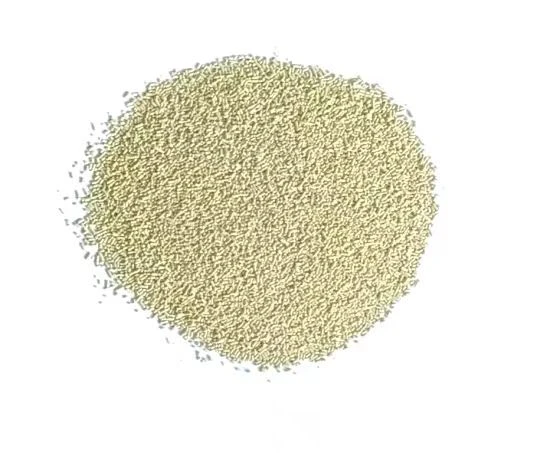
Dried yeast is a versatile ingredient widely used in baking and brewing. It’s a convenient and long-lasting alternative to fresh yeast, offering consistent results and ease of use. This article will explore the different types of dried yeast, its applications, storage, and how to ensure optimal performance. Whether you're a professional baker or a home enthusiast, understanding dried yeast is crucial for successful outcomes in your recipes. We’ll cover everything from instant dry yeast to active dry yeast, detailing their unique characteristics and ideal usage scenarios.
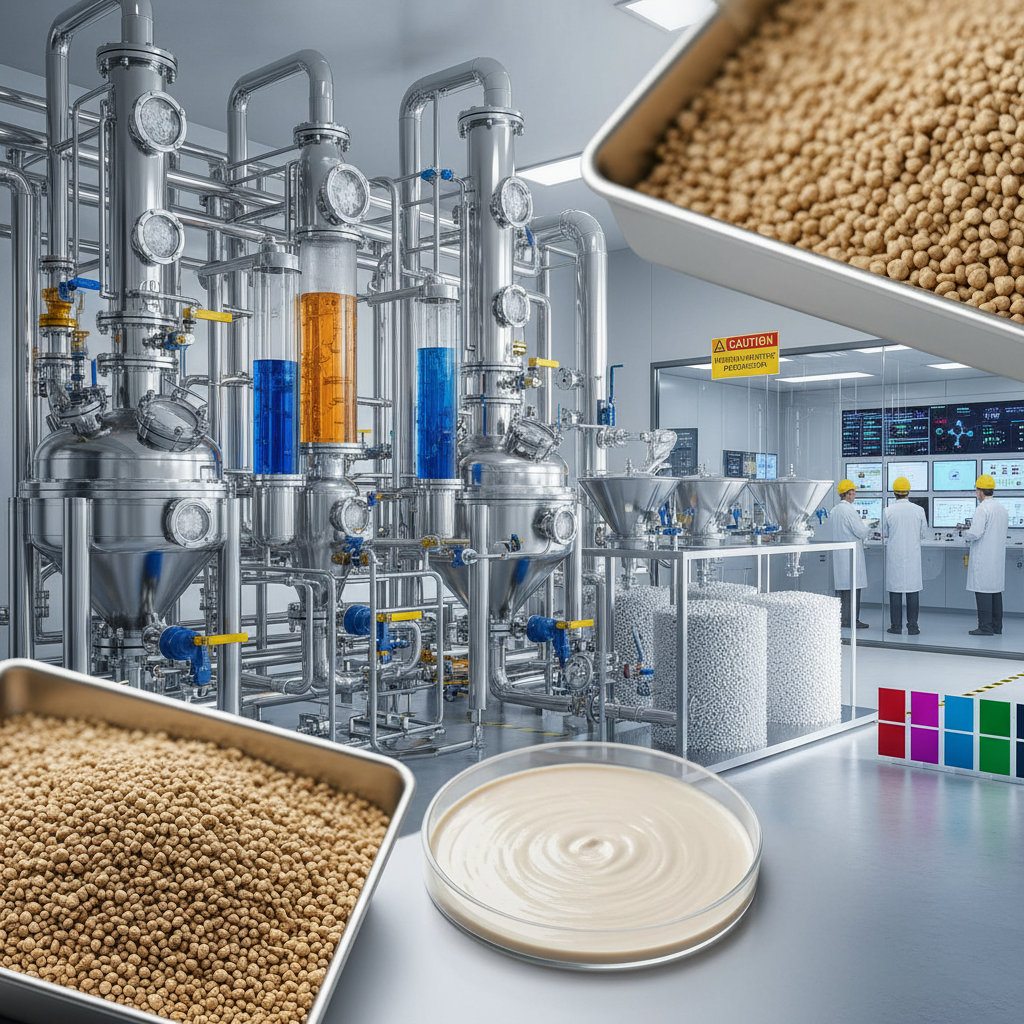
Types of Dried Yeast: Instant vs. Active Dry
The two main types of dried yeast are instant dry yeast and active dry yeast. Instant dry yeast (also called rapid-rise yeast) is milled into finer particles and can be added directly to dry ingredients without needing to be dissolved in water first. It generally results in a faster rise time compared to active dry yeast. Active dry yeast has larger granules and requires rehydration in warm water (typically 105-115°F / 40-46°C) for about 5-10 minutes before use. This process verifies that the yeast is still alive and active. Choosing the right type depends on your recipe and desired rising time.
Key Difference: Instant dry yeast can be added directly to dry ingredients, while active dry yeast needs rehydration.
Applications of Dried Yeast in Food Production
Dried yeast is fundamental in countless food products. Primarily, it’s essential for leavening bread, providing the carbon dioxide that creates the characteristic texture. Beyond bread, it plays a vital role in making pizzas, pastries (like cinnamon rolls and doughnuts), and even some types of crackers. In the brewing industry, specific strains of dried yeast are crucial for fermenting beer and wine, influencing the final flavor profile. Our dried yeast at China Seasoning is meticulously produced to ensure consistent quality and performance across a wide range of applications.
Common Applications:
• Bread Making (Loaves, Rolls, Baguettes)
• Pizza Dough
• Pastries & Sweet Treats
• Brewing (Beer, Wine)
Dried Yeast Comparison: Active Dry vs. Instant Dry
Here's a detailed comparison of active dry and instant dry yeast to help you choose the right one for your needs:
Storing Dried Yeast for Optimal Performance
Proper storage is key to maintaining the viability of your dried yeast. Exposure to air, moisture, and heat can significantly reduce its activity. Unopened packages of dried yeast should be stored in a cool, dry place. Once opened, transfer the yeast to an airtight container and store it in the refrigerator or freezer. Freezing extends the shelf life considerably. To test if your dried yeast is still active, add a teaspoon of yeast and a teaspoon of sugar to ¼ cup of warm water. If it foams within 5-10 minutes, it’s still good to use.
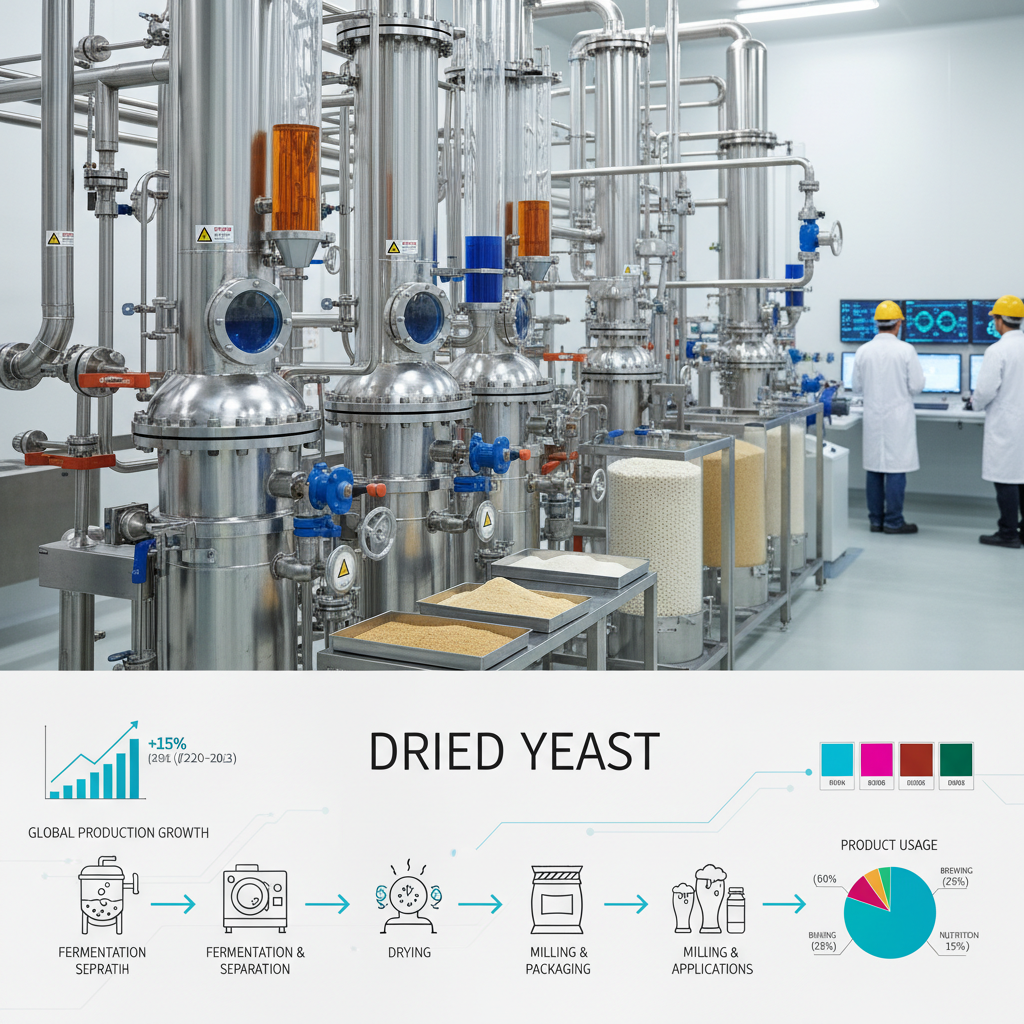
Product Specifications: China Seasoning Dried Yeast
At China Seasoning, we pride ourselves on delivering high-quality dried yeast that consistently meets industry standards. Here are some key specifications:
Conclusion: Reliable Dried Yeast for Baking Success
Choosing the right dried yeast and understanding how to store it are essential for consistent baking results. China Seasoning provides premium quality dried yeast, meticulously produced to meet the needs of both professional and home bakers. Invest in quality ingredients for exceptional outcomes!
Frequently Asked Questions (FAQs)
How long does dried yeast last?
Dried yeast has a relatively long shelf life, but its potency decreases over time. Unopened packages typically last for 2 years if stored properly. Once opened, it's best used within 6-12 months if stored in an airtight container in the refrigerator or freezer. To ensure its activity, perform the proofing test described earlier before using older yeast. Proper storage is crucial; exposure to air, moisture, and heat will significantly reduce its lifespan. Always check the expiration date on the package as a guideline.
Can I substitute instant dry yeast for active dry yeast?
Yes, you can generally substitute instant dry yeast for active dry yeast, but you may need to adjust the amount. Typically, you can use ¾ teaspoon of instant dry yeast for every 1 teaspoon of active dry yeast. Because instant dry yeast doesn’t require proofing, you can add it directly to the dry ingredients. However, always consult the recipe instructions first, as some recipes are formulated specifically for one type of yeast over the other. For best results, follow the recipe's guidance when possible.
What temperature water should I use for proofing active dry yeast?
The ideal temperature for proofing active dry yeast is between 105-115°F (40-46°C). Water that is too hot can kill the yeast, while water that is too cold will not activate it properly. Use a thermometer to ensure the water is within the correct temperature range. After adding the yeast and sugar to the warm water, let it sit for 5-10 minutes. If the mixture becomes foamy and doubles in volume, the yeast is active and ready to use. If it doesn't foam, the yeast is likely dead and should be discarded.
What does yeast do in baking?
Yeast is a single-celled microorganism that feeds on sugars in dough. Through a process called fermentation, yeast converts these sugars into carbon dioxide gas and ethanol. The carbon dioxide creates bubbles within the dough, causing it to rise and giving bread its light and airy texture. Yeast also contributes to the flavor development of baked goods, creating complex aromatic compounds. Without yeast, bread would be flat and dense.
Post time: Feb - 27 - 2026