

Understanding Food Grade Sapp: A Comprehensive Guide
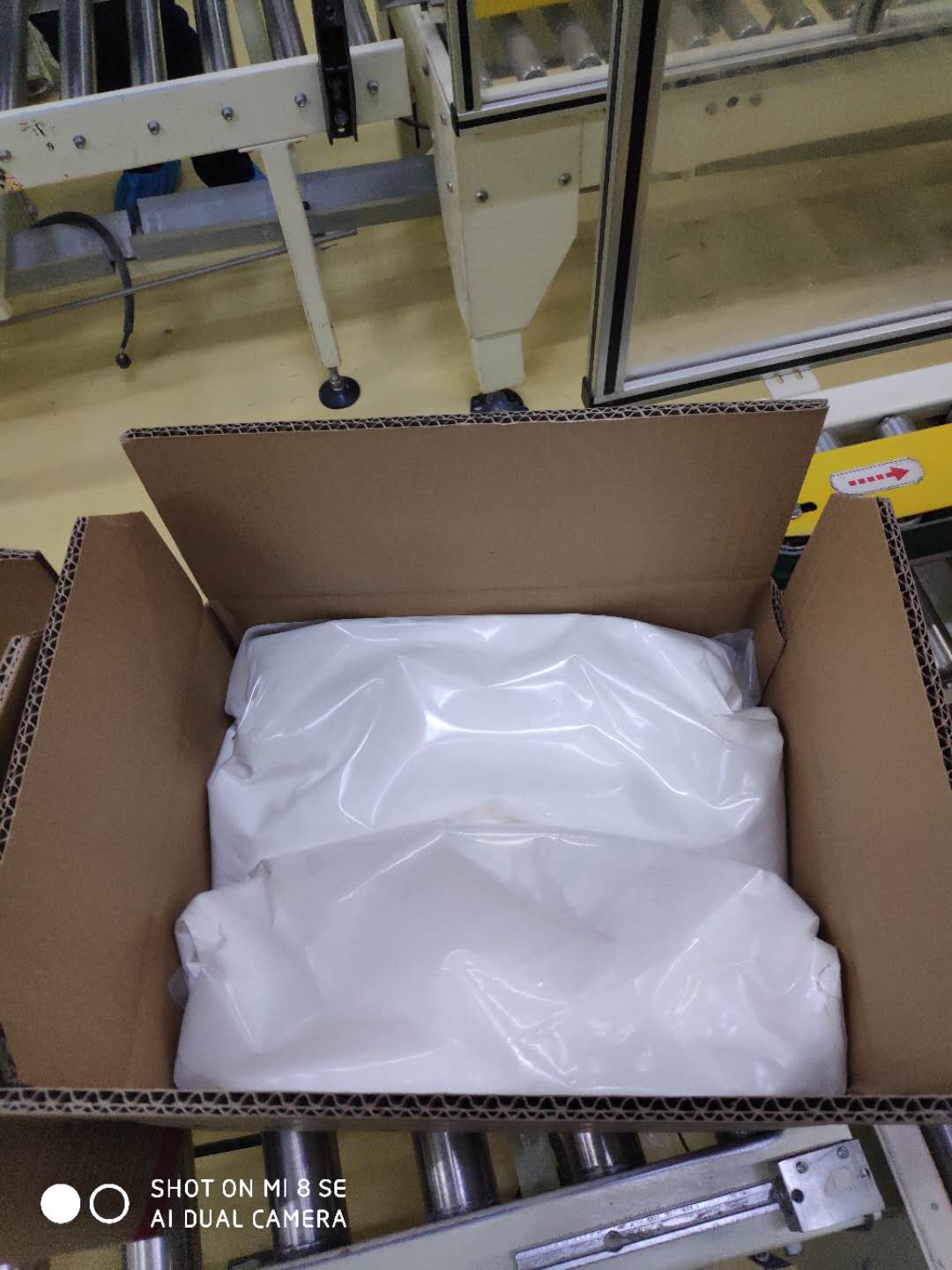
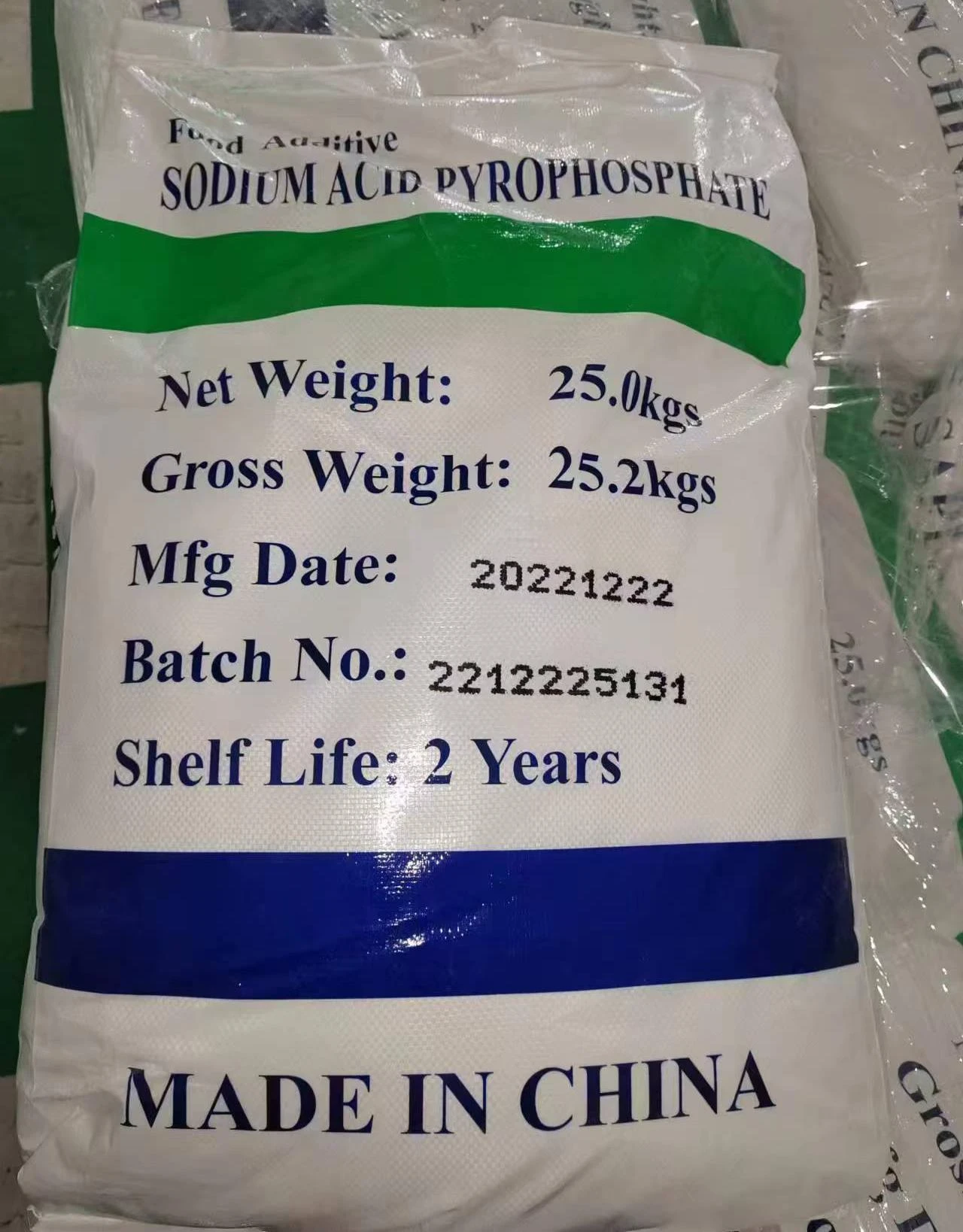
In the realm of food processing and packaging, safety and purity are paramount. Sapp (Super Absorbent Polymer), when manufactured to food grade standards, plays a crucial role in maintaining product freshness, extending shelf life, and ensuring consumer safety. This article delves into the intricacies of food grade sapp, its applications, benefits, and critical considerations for sourcing and implementation. We’ll explore how this innovative material is revolutionizing the food industry, offering solutions for moisture control, preservation, and transportation. China Seasoning specializes in providing high-quality food grade sapp solutions.
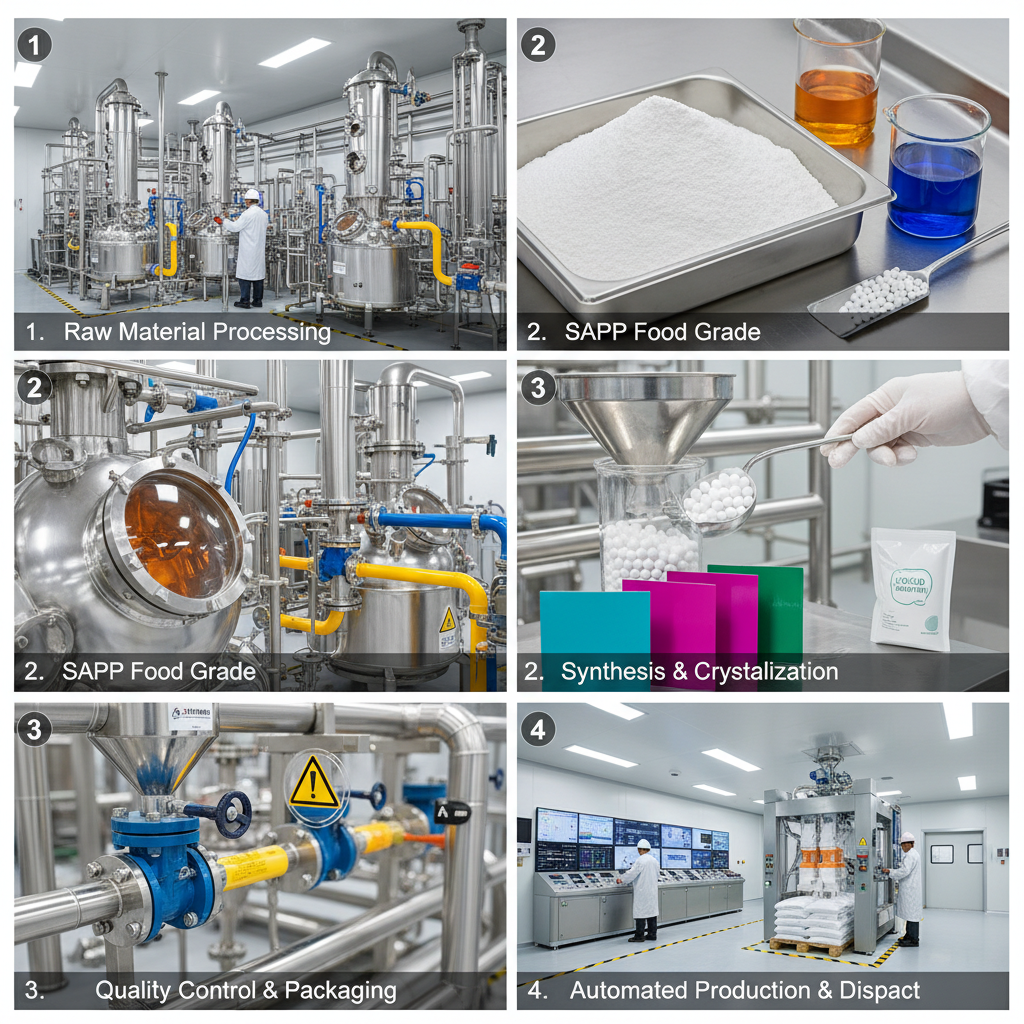
What is Food Grade Sapp?
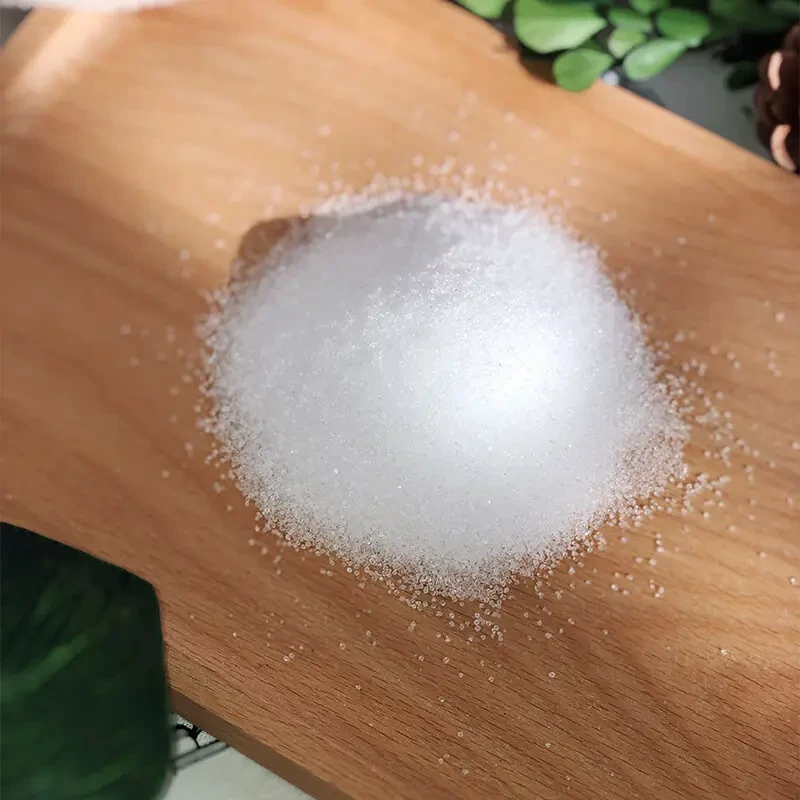
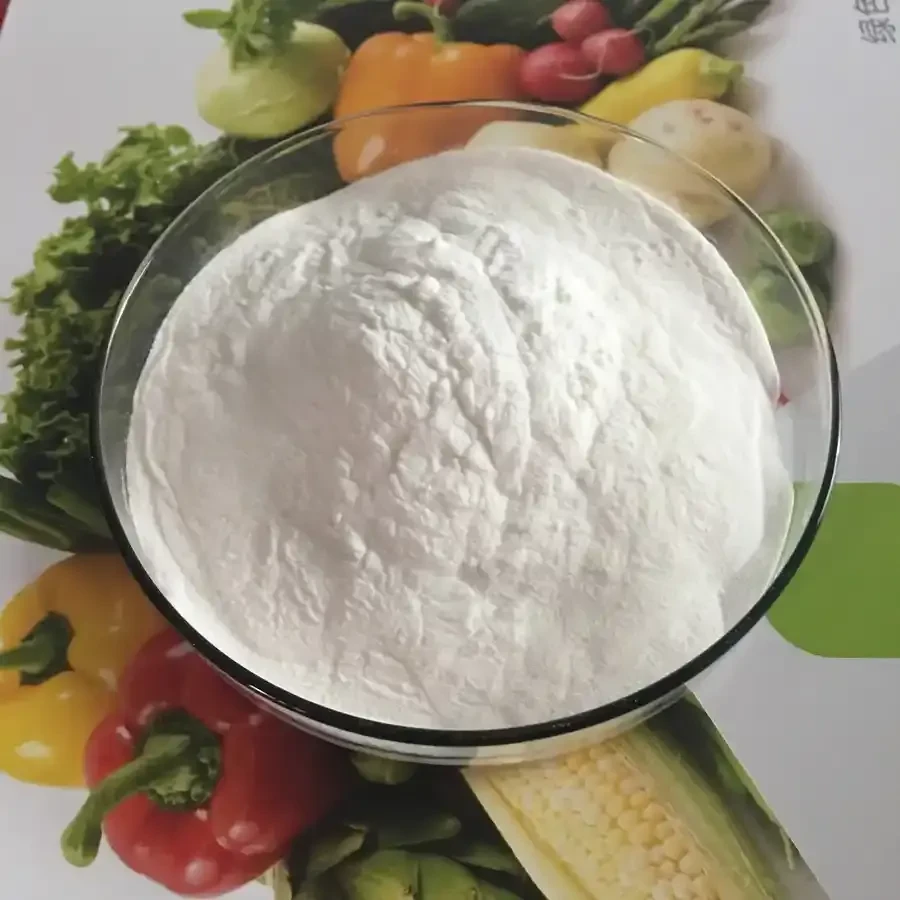
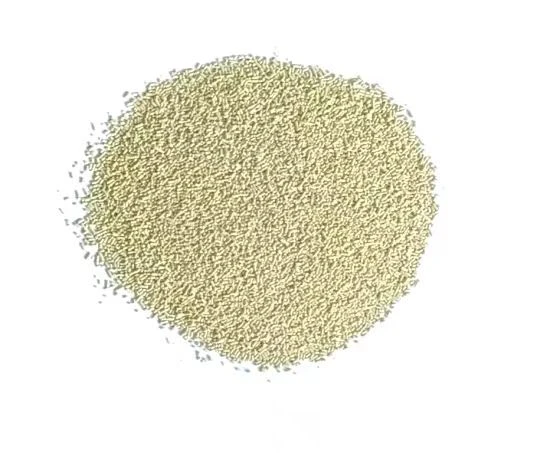
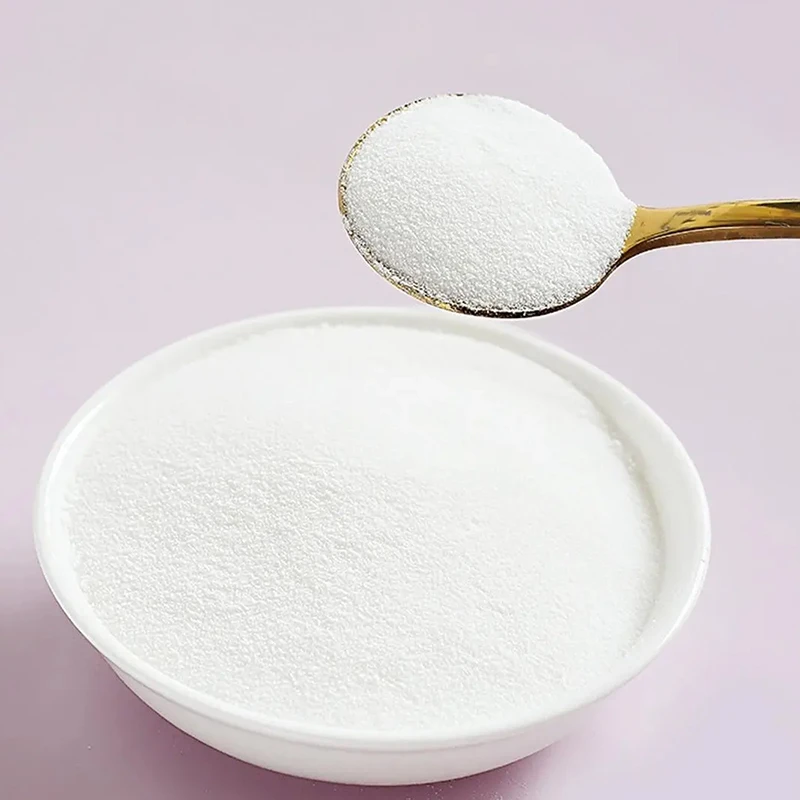
Food grade Sapp is a highly absorbent material, typically a cross-linked polyacrylate, designed to absorb and retain significant amounts of liquid relative to its own mass. The “food grade” designation is critical; it signifies that the sapp has been manufactured using materials and processes that meet stringent regulatory standards for contact with food. This includes ensuring the absence of harmful chemicals, toxins, or contaminants. It's crucial to distinguish food grade sapp from industrial or agricultural grades, which may not meet the same safety requirements. The key property of sapp is its ability to absorb up to hundreds of times its weight in water, forming a gel-like substance.
Key Characteristics: Non-toxic, odorless, tasteless, high absorbency, excellent water retention, chemically stable.
Applications of Food Grade Sapp
The applications of food grade sapp are diverse and expanding. It's widely used in meat, poultry, and seafood packaging to absorb excess fluids, reducing leakage and maintaining product quality. It’s also employed in produce packaging to absorb condensation and ethylene gas, extending shelf life and preventing spoilage. Other applications include ice packs, moisture control for baked goods, and even as a component in some food products themselves (in controlled and regulated amounts). The versatility of sapp makes it a valuable asset throughout the food supply chain. China Seasoning provides tailored sapp solutions for various food applications.
Common Applications:
• Meat, poultry, and seafood packaging
• Fresh produce preservation
• Bakery item moisture control
• Ice pack component
Food Grade Sapp vs. Other Moisture Control Methods
Compared to traditional moisture control methods like absorbent pads (cellulose, paper), food grade sapp offers superior performance. It has a much higher absorption capacity, retaining more liquid and preventing re-wetting. This results in a drier product environment, minimizing bacterial growth and extending shelf life. Unlike some materials, food grade sapp is non-toxic and doesn't contribute to off-flavors or odors. While alternative methods may be cheaper upfront, the extended shelf life and reduced product loss offered by sapp can provide significant long-term cost savings.
Key Considerations When Sourcing Food Grade Sapp
Sourcing food grade sapp requires careful due diligence. Always verify that the supplier has the necessary certifications and complies with relevant food safety regulations (e.g., FDA, EU standards). Request a Certificate of Analysis (COA) to confirm the sapp’s purity and composition. Consider the particle size and absorption rate, as these factors can impact performance in specific applications. Reliable suppliers like China Seasoning offer consistent quality and technical support to ensure optimal results.

Product Specifications & Grades
Food grade Sapp comes in various grades, differing in particle size, absorption rate, and residual monomer content. Here's a simplified overview:
Conclusion: Enhancing Food Safety and Quality with Sapp
Food grade sapp is a game-changer in the food industry, offering unparalleled moisture control and preservation capabilities. By investing in high-quality sapp solutions from reputable suppliers like China Seasoning, food producers can enhance product quality, extend shelf life, reduce waste, and ensure consumer safety. Embrace this innovative technology to optimize your food packaging and preservation processes.
Frequently Asked Questions (FAQs)
Is food grade sapp safe for direct food contact?
When manufactured to food grade standards and complying with regulations like those set by the FDA or EU, sapp is safe for incidental contact with food. It's important to note that sapp is generally not intended to be consumed directly. Its function is to absorb and retain liquids, preventing them from coming into direct contact with the food. The level of residual monomer, a byproduct of the manufacturing process, must be within acceptable limits as defined by food safety authorities. A Certificate of Analysis will provide this information.
What is the shelf life of food grade sapp itself?
When stored properly in a cool, dry place, away from direct sunlight and moisture, food grade sapp has a long shelf life – typically several years. However, it’s essential to keep the packaging sealed to prevent contamination and maintain its absorbency. Over time, exposure to humidity can cause the sapp to prematurely absorb moisture, reducing its effectiveness.
Can food grade sapp be used in reusable food containers?
Yes, food grade sapp can be used in reusable food containers to absorb excess moisture and maintain freshness. It’s particularly beneficial for storing fresh produce or meat. However, it’s important to ensure the sapp is contained within a food-grade permeable pouch or barrier to prevent direct contact with the food and to allow for easy removal and disposal. Regular cleaning of the container is also recommended.
Where can I find reliable suppliers of food grade sapp?
Selecting a reputable supplier is crucial. Look for companies that specialize in food-grade polymers and have a proven track record of quality and safety. China Seasoning is a trusted provider of food grade sapp, offering a wide range of grades and sizes to meet your specific needs. Always request documentation like Certificates of Analysis and ensure the supplier complies with relevant food safety regulations.
Post time: Mar - 09 - 2026