

Understanding SAPP Food Grade: A Comprehensive Guide
SAPP, or Sodium Acid Pyrophosphate, is a versatile ingredient widely utilized in the food industry. When designated as “food grade,” it signifies a level of purity and safety suitable for consumption. This article delves into the details of SAPP food grade, exploring its properties, applications, safety considerations, and why choosing a reputable supplier like China Seasoning is crucial. We'll unravel the complexities of this compound, ensuring you have a clear understanding of its role in food processing and preservation.

What is SAPP Food Grade?
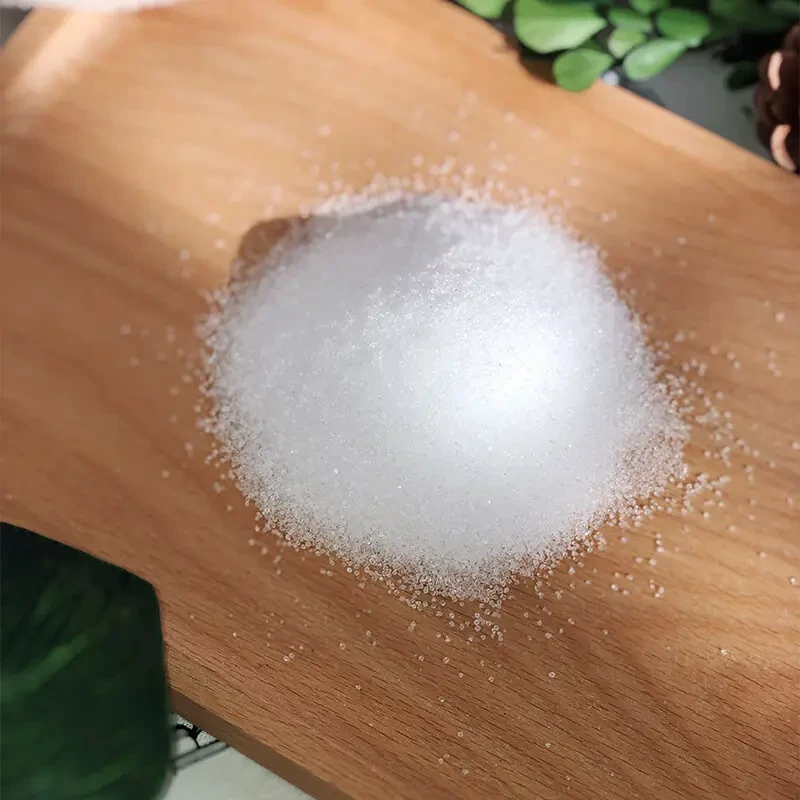
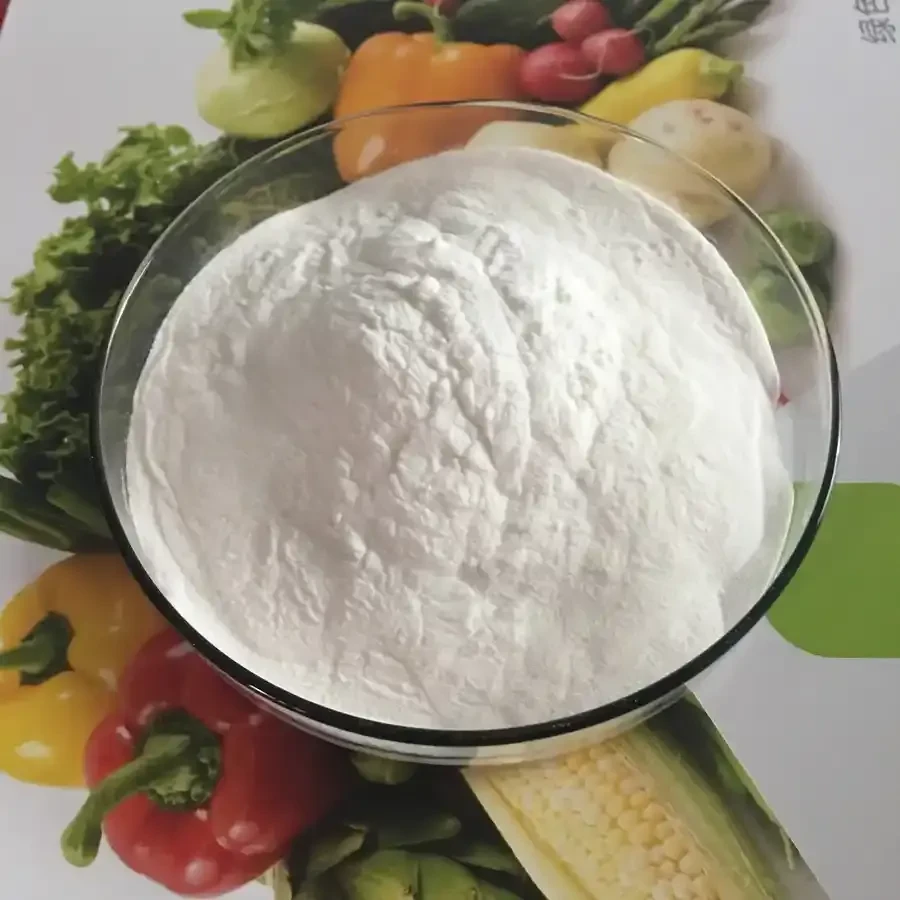
SAPP (Sodium Acid Pyrophosphate) is an inorganic compound with the chemical formula Na₂H₂P₂O₇. The “food grade” designation indicates the SAPP meets stringent purity standards set by regulatory bodies, ensuring it's free from harmful contaminants like heavy metals and other undesirable substances. These standards vary by region, including those defined by the FDA (Food and Drug Administration) in the United States and equivalent organizations globally. This high level of purity is paramount when an ingredient is directly incorporated into food products.
Key Takeaway: Food grade SAPP undergoes rigorous testing to verify its suitability for use in food applications, minimizing health risks and guaranteeing product quality.
Key Applications of SAPP Food Grade
SAPP food grade boasts a wide range of applications within the food industry. It's primarily used as a leavening agent in baked goods, particularly in self-rising flour and baking powders, providing a consistent and controlled rise. It also serves as a buffering agent to maintain pH levels, a sequestrant to prevent discoloration and maintain flavor, and a dispersing agent to enhance the texture of processed foods. Further uses include preventing the formation of struvite in canned seafood and improving the tenderness of processed meats. China Seasoning provides SAPP specifically tailored to meet these diverse application requirements.
SAPP Food Grade: A Comparison with Other Leavening Agents
While various leavening agents are available, SAPP food grade offers distinct advantages. Compared to baking soda (Sodium Bicarbonate), SAPP provides a slower, more controlled release of carbon dioxide, resulting in a more even texture in baked goods. Unlike yeast, SAPP doesn’t require fermentation time and is suitable for recipes that need a quick rise. Here’s a comparative overview:
Safety Considerations and Quality Control
While SAPP food grade is generally considered safe, adhering to recommended usage levels is crucial. Excessive consumption can lead to phosphate imbalances. Reputable suppliers like China Seasoning implement stringent quality control measures, including regular testing for heavy metals, arsenic, and other contaminants, ensuring compliance with international food safety standards. Certifications like ISO 9001 and HACCP demonstrate a commitment to quality and traceability.

Choosing the Right Supplier: Why China Seasoning?
Selecting a reliable supplier of SAPP food grade is paramount to ensure product quality and safety. China Seasoning distinguishes itself through consistent quality, competitive pricing, and a commitment to customer satisfaction. We offer comprehensive documentation, including Certificates of Analysis (COA) for each batch, guaranteeing purity and adherence to specifications. Our robust supply chain and logistics network ensure timely delivery, minimizing disruptions to your production process.
Conclusion: Ensuring Quality and Reliability with SAPP Food Grade
SAPP food grade is an invaluable ingredient for numerous food applications. Choosing a supplier dedicated to quality control and adherence to food safety standards, like China Seasoning, is crucial for maintaining product integrity and consumer safety.
Frequently Asked Questions (FAQs)
What is the shelf life of SAPP food grade?
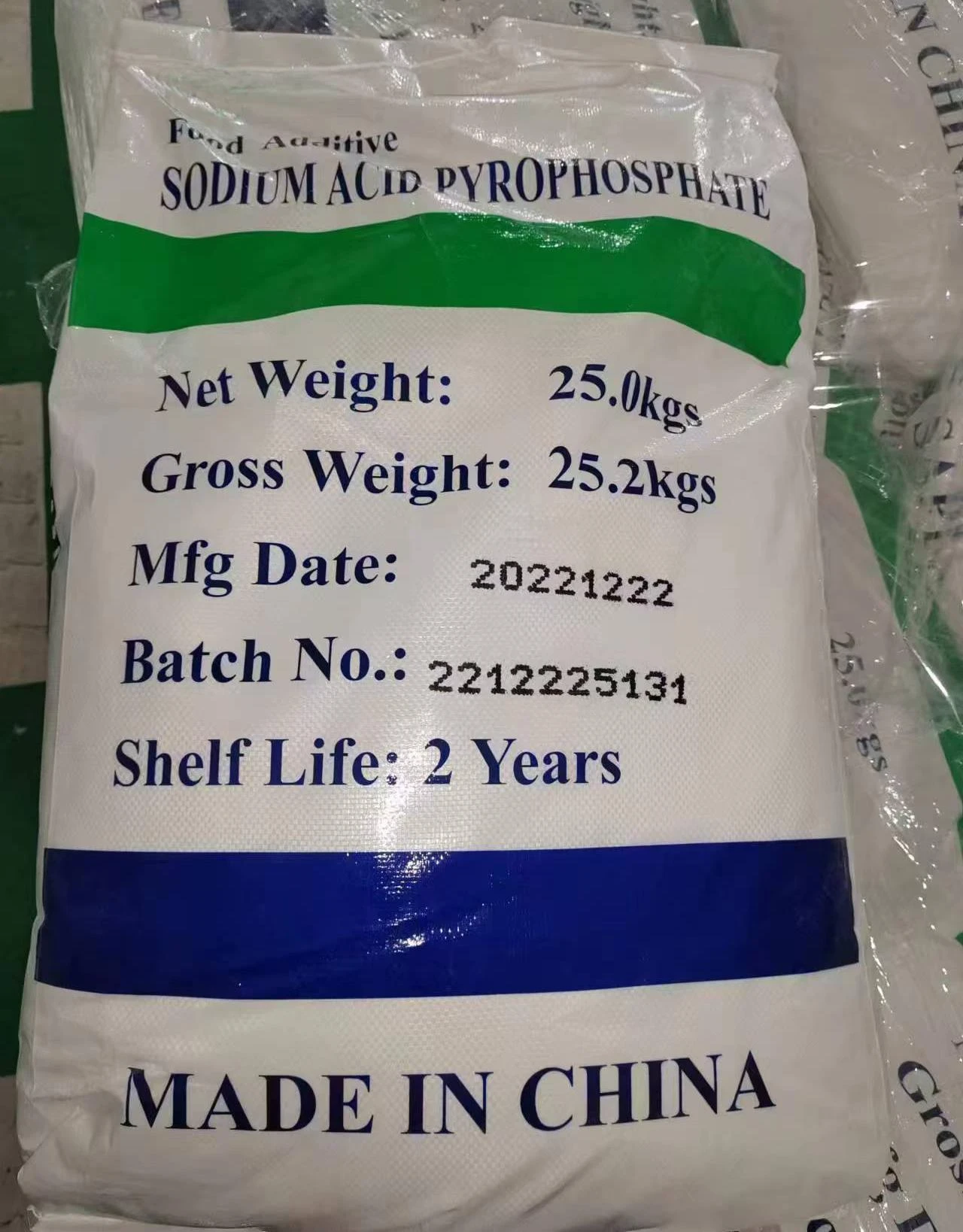
When stored properly in a cool, dry place away from direct sunlight and moisture, SAPP food grade typically has a shelf life of 2-3 years. It's essential to keep the container tightly sealed to prevent absorption of moisture, which can affect its performance. Always check the “best before” date on the packaging. Proper storage is essential for maintaining its chemical stability and effectiveness in food applications.
Are there any potential allergens associated with SAPP food grade?
SAPP food grade is not typically considered an allergen. However, as with any food ingredient, it's important to verify with your supplier that the product is manufactured in a facility that adheres to allergen control protocols, especially if you're producing food for individuals with sensitivities. While SAPP itself doesn’t contain common allergens like gluten or soy, cross-contamination during processing is a possibility.
What packaging options does China Seasoning offer for SAPP food grade?
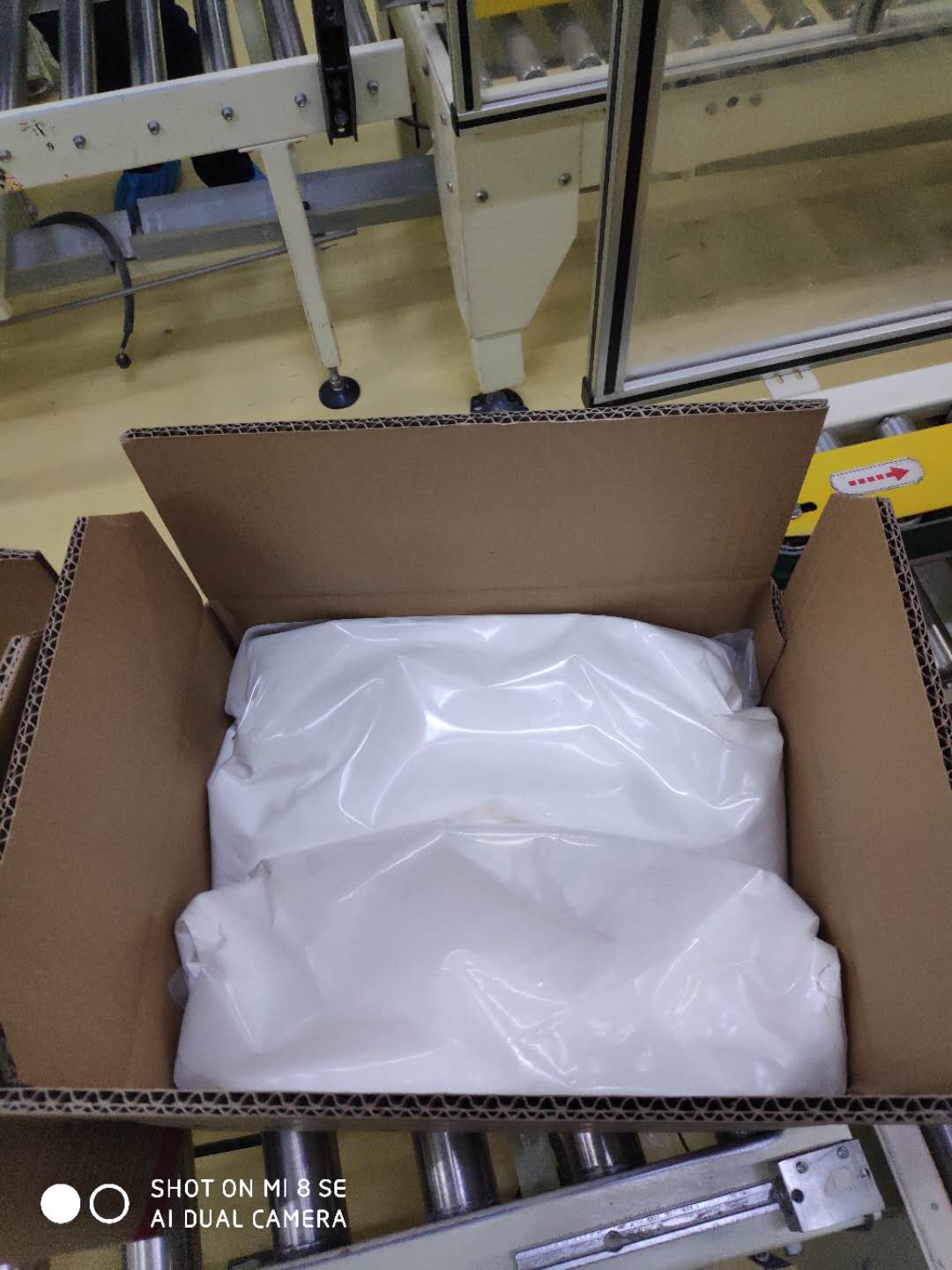
China Seasoning offers a range of packaging options for SAPP food grade to suit various customer needs. These include 25kg bags, 50kg bags, and customized packaging solutions tailored to specific order quantities. All packaging materials are food-grade and designed to maintain product integrity during storage and transportation. We prioritize secure and compliant packaging to ensure the SAPP arrives in optimal condition.
How does SAPP food grade contribute to the texture of baked goods?
SAPP food grade contributes to a finer, more tender texture in baked goods by weakening the gluten structure. This is particularly noticeable in cakes and cookies, resulting in a softer crumb. Its slow, controlled release of carbon dioxide also produces a more uniform and delicate rise, contributing to the overall texture. By influencing gluten development and gas release, SAPP plays a key role in achieving desired textural qualities.
Post time: Mar - 31 - 2026