

Understanding Dried Yeast: A Comprehensive Guide
Dried yeast is a vital ingredient in countless culinary creations, from fluffy breads to flavorful baked goods. It’s a convenient and versatile form of yeast, offering a long shelf life and consistent performance. This article delves into the world of dried yeast, exploring its types, uses, benefits, and how to choose the best option for your needs. Whether you're a professional baker or a home cooking enthusiast, understanding dried yeast is key to achieving baking success.
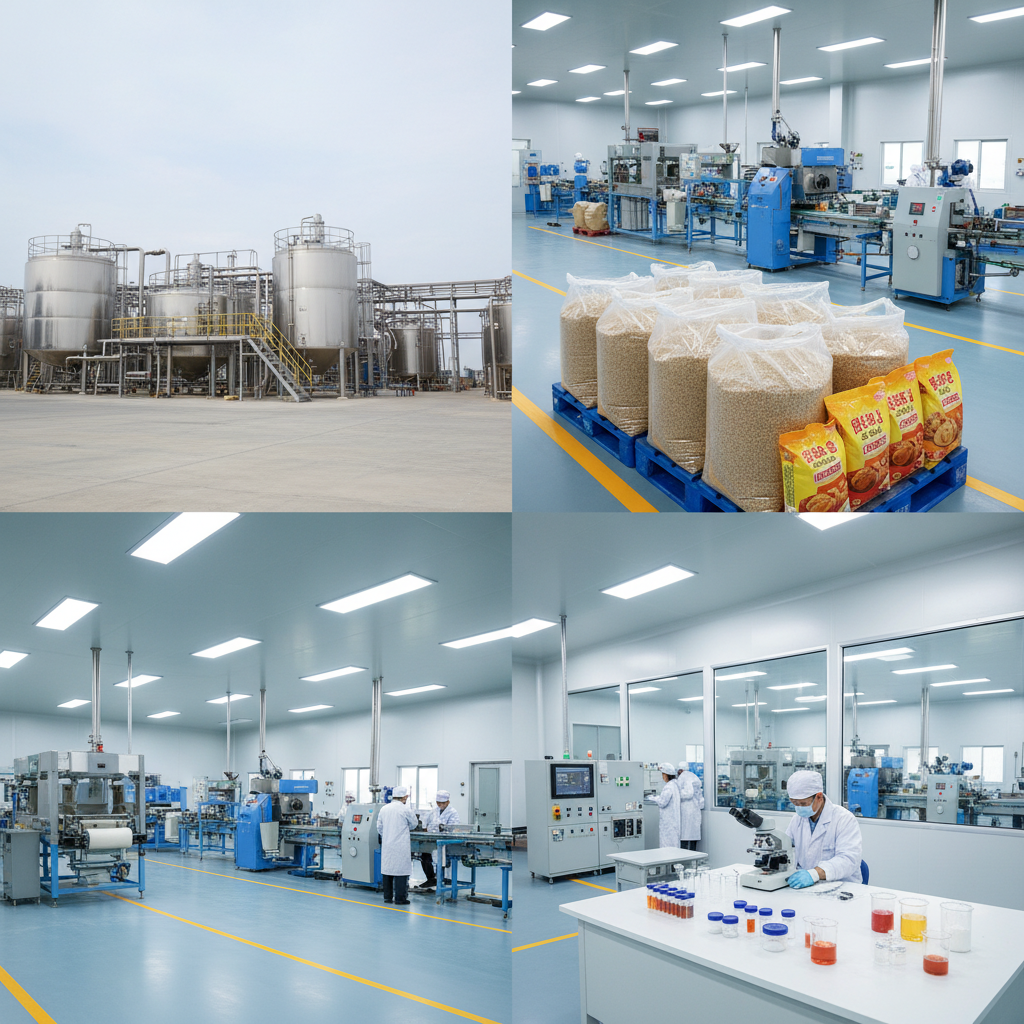
Types of Dried Yeast
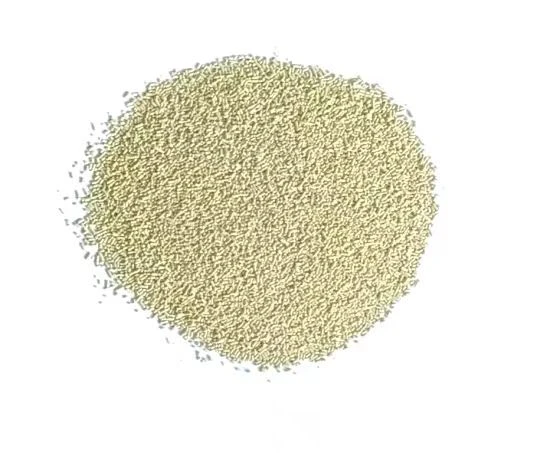
There are two main types of dried yeast commonly available: Active Dry Yeast and Instant Dry Yeast. While both serve the same fundamental purpose – to leaven dough – they differ in their characteristics and how they’re used. Active Dry Yeast has larger granules and requires rehydration in warm water before being added to other ingredients. Instant Dry Yeast, on the other hand, has finer granules and can be added directly to dry ingredients without rehydration. Understanding these differences is crucial for achieving optimal results in your baking endeavors. China Seasoning offers both types to cater to diverse baking preferences.
Key Takeaway: Instant dry yeast offers convenience by eliminating the rehydration step, while active dry yeast provides a traditional approach to baking.
The Benefits of Using Dried Yeast
Dried yeast offers several advantages over fresh yeast, making it a preferred choice for many bakers. Its extended shelf life is a significant benefit, allowing for convenient storage without the need for immediate use. Dried yeast is also easier to measure accurately and is more consistent in its performance. Compared to fresh yeast, it's typically more cost-effective and readily available. Furthermore, dried yeast requires less handling, simplifying the baking process. Our dried yeast is carefully processed to ensure maximum viability and consistent quality.
Key Benefits:
• Long shelf life for convenient storage
• Easy and accurate measurement
• Consistent performance in baking
• Cost-effective compared to fresh yeast
Active Dry Yeast vs. Instant Dry Yeast: A Detailed Comparison
Choosing between active dry yeast and instant dry yeast can impact your baking results. The primary difference lies in their processing and how they're used. Active dry yeast requires proofing – dissolving in warm water with a bit of sugar – to verify its viability. This step ensures the yeast is alive and active before being added to the dough. Instant dry yeast, being finer and more concentrated, doesn't require proofing and can be directly mixed with the dry ingredients. This makes it faster and more convenient for bakers. However, both types will produce excellent results when used correctly.
Product Specifications and Packaging Options
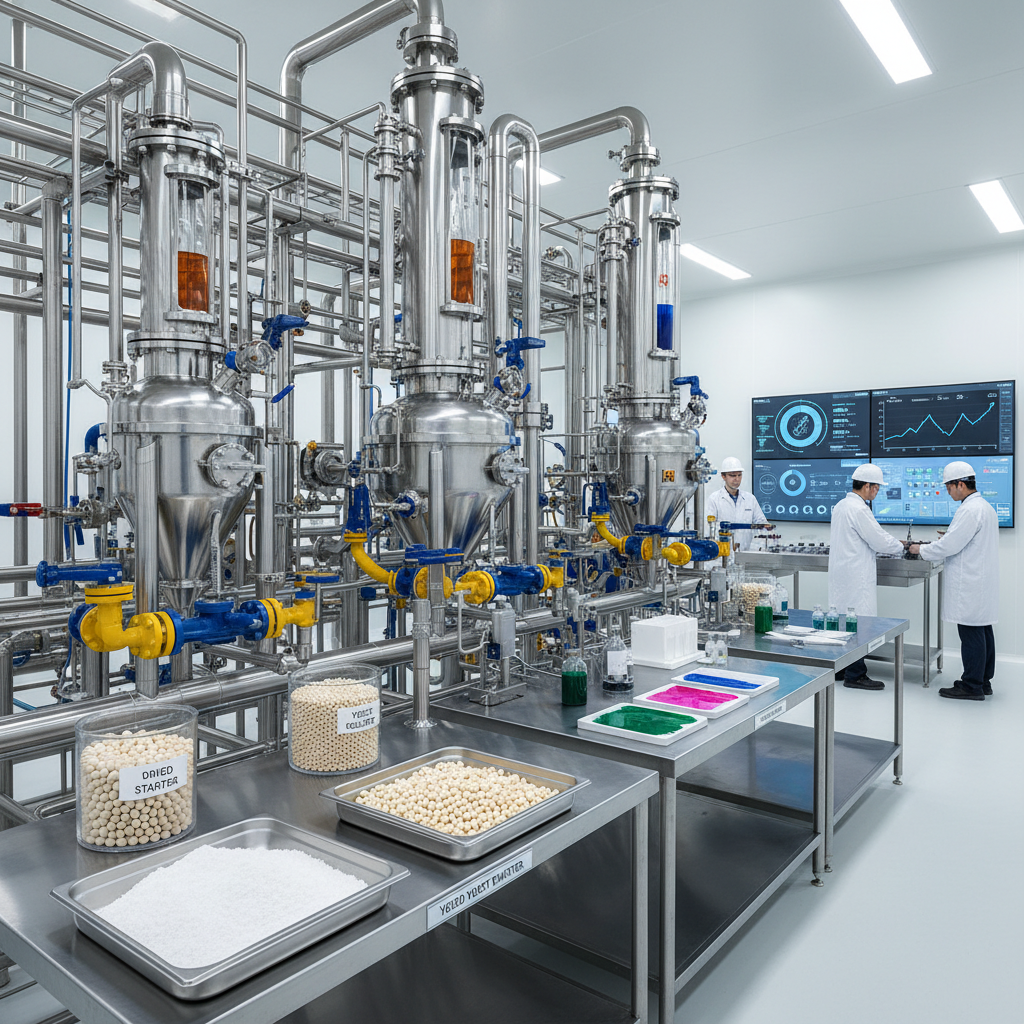
China Seasoning offers dried yeast in various packaging options to suit different needs, from small retail packs to bulk quantities for industrial use. Our yeast boasts a high viability rate and consistent performance, ensuring reliable results in every batch. We adhere to strict quality control standards throughout the production process, guaranteeing a premium product.
Conclusion: Elevate Your Baking with Quality Dried Yeast
Choosing the right dried yeast is essential for achieving consistent and successful baking results. China Seasoning provides high-quality dried yeast in a variety of options to meet your specific baking needs. From active dry to instant dry, our yeast is formulated for optimal performance and reliability. Invest in quality, and experience the difference in your baked creations.
Frequently Asked Questions (FAQs)
How should I store dried yeast?
Dried yeast should be stored in an airtight container in a cool, dark, and dry place. Proper storage is crucial for maintaining its viability. Avoid storing it near heat sources or in areas with high humidity. Unopened packages of dried yeast can typically last for up to two years, while opened packages should be used within six months. You can also refrigerate or freeze opened packages for extended storage, but be sure to seal them tightly to prevent moisture absorption.
How can I tell if my dried yeast is still good?
To test the viability of your dried yeast, dissolve a teaspoon of yeast and a teaspoon of sugar in ½ cup of warm water (around 105-115°F). Let it sit for 5-10 minutes. If the mixture becomes foamy or bubbly, the yeast is still active and can be used. If there’s no activity, the yeast is likely dead and should be discarded. Remember that yeast that doesn't foam doesn't mean the product is completely useless; it can still be used in applications where leavening isn’t critical, but it won’t provide a significant rise in baked goods.
Can I substitute instant dry yeast for active dry yeast in a recipe?
Yes, you can generally substitute instant dry yeast for active dry yeast, but you may need to adjust the amount. Use about ¾ teaspoon of instant dry yeast for every 1 teaspoon of active dry yeast called for in the recipe. The key difference is that instant dry yeast doesn’t require proofing, so you can add it directly to the dry ingredients. However, always follow the recipe instructions as closely as possible for the best results. China Seasoning provides detailed usage guidelines with all our yeast products.
What temperatures are best for activating dried yeast?
The optimal temperature range for activating dried yeast is between 105-115°F (40-46°C). Water that is too hot can kill the yeast, while water that is too cold will not activate it properly. Using a thermometer is recommended to ensure the water is within the ideal temperature range. Once the yeast is activated, it should become foamy and bubbly within 5-10 minutes.
Post time: Mar - 10 - 2026