THE BUYER'S GUIDE / SELECTION
Choosing Dl-methionine 99% 59-51-8 Pharmaceutical Grade Feed Grade Food Grade: Grade, Form and Application Requirements
A buyer-focused guide to selecting Dl-methionine 99% 59-51-8 Pharmaceutical Grade Feed Grade Food Grade from Shijiazhuang Standard IMP&EXP CO.,LTD. It covers the application areas named in the product description, what the published specification shows, and what buyers should confirm before ordering, such as grade documentation, physical form, packaging, certification and local regulatory status.

Intended application (feed, pharmaceutical or food) and whether it matches the uses named in the product description
Content: published as 99.0%–101% Min; confirm with a lot-specific certificate of analysis
Impurity limits: sulfate 200 ppm Max, chloride 200 ppm Max, heavy metals 10 ppm Max
Loss on drying 0.5% Max and residue on ignition 0.1% Max
pH range 5.4–6.1
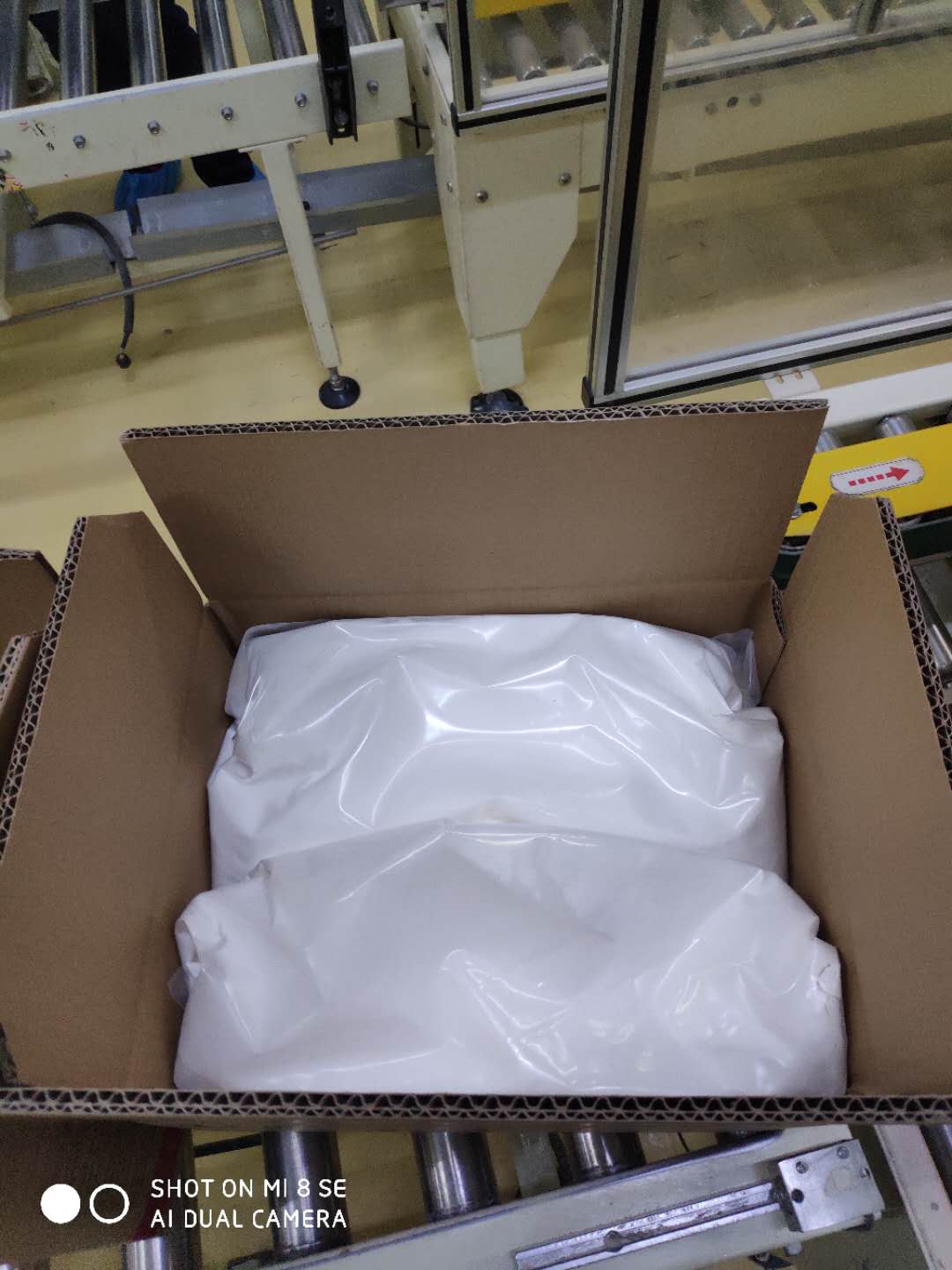
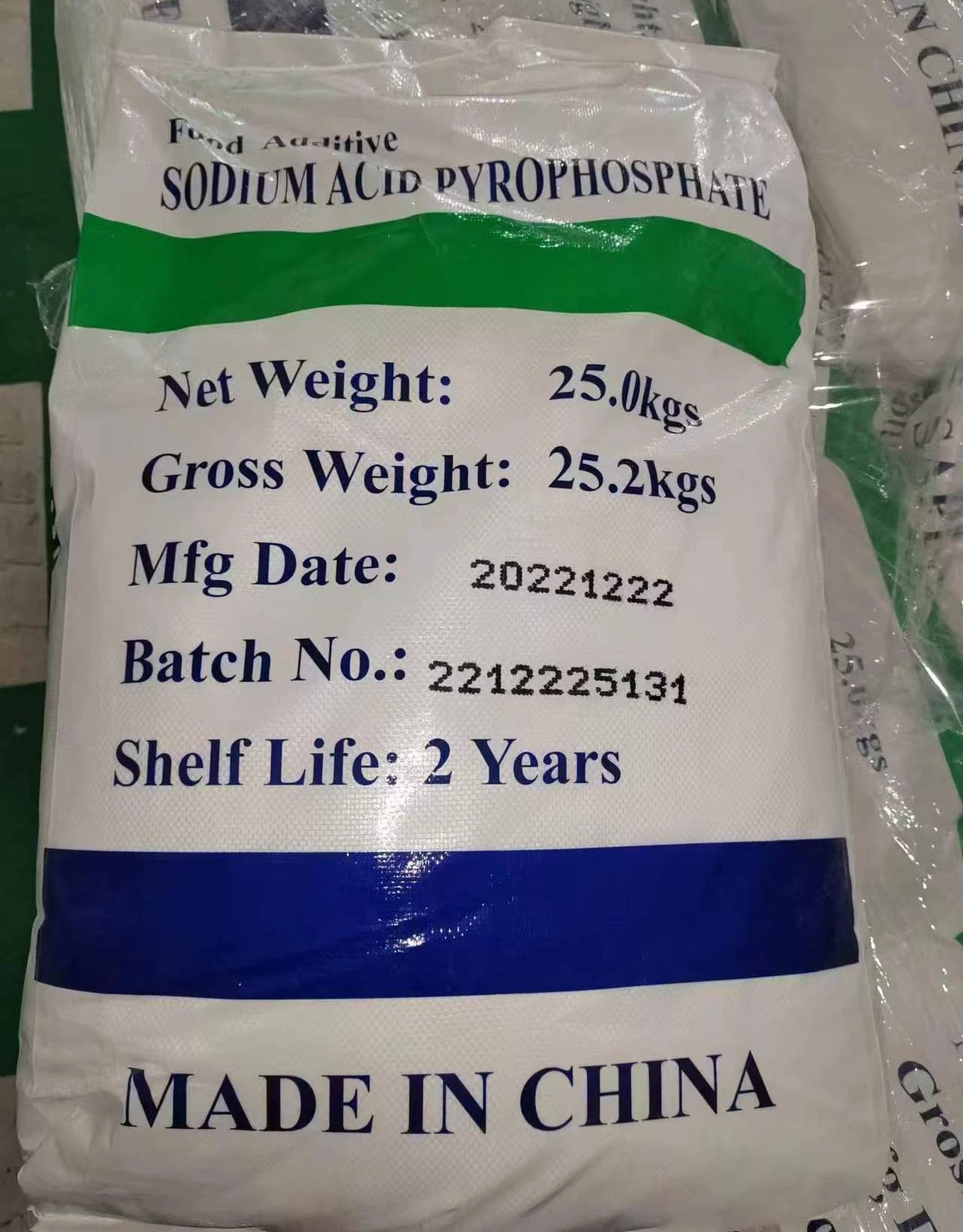
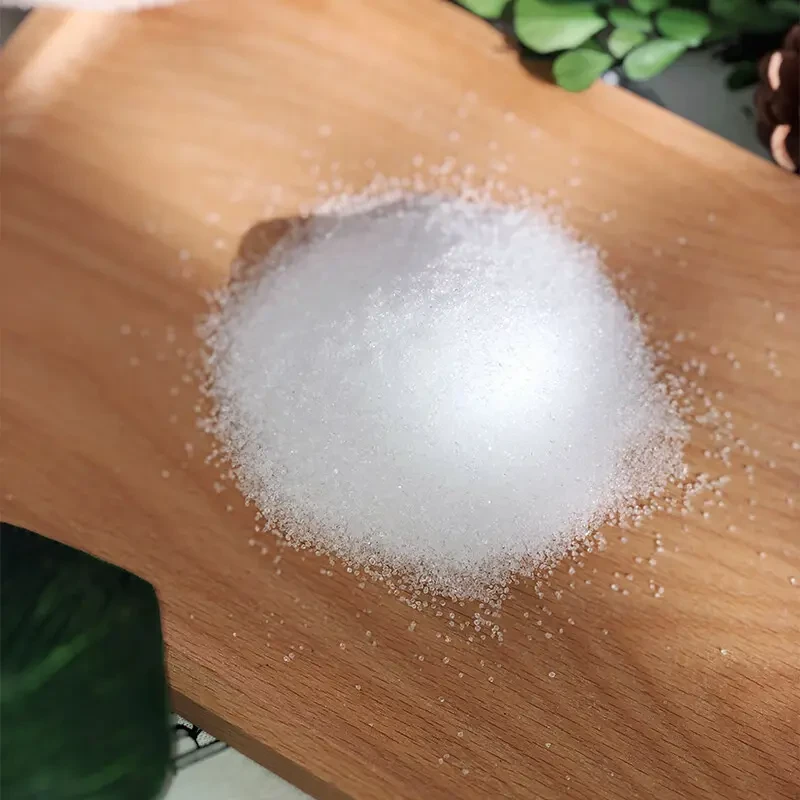
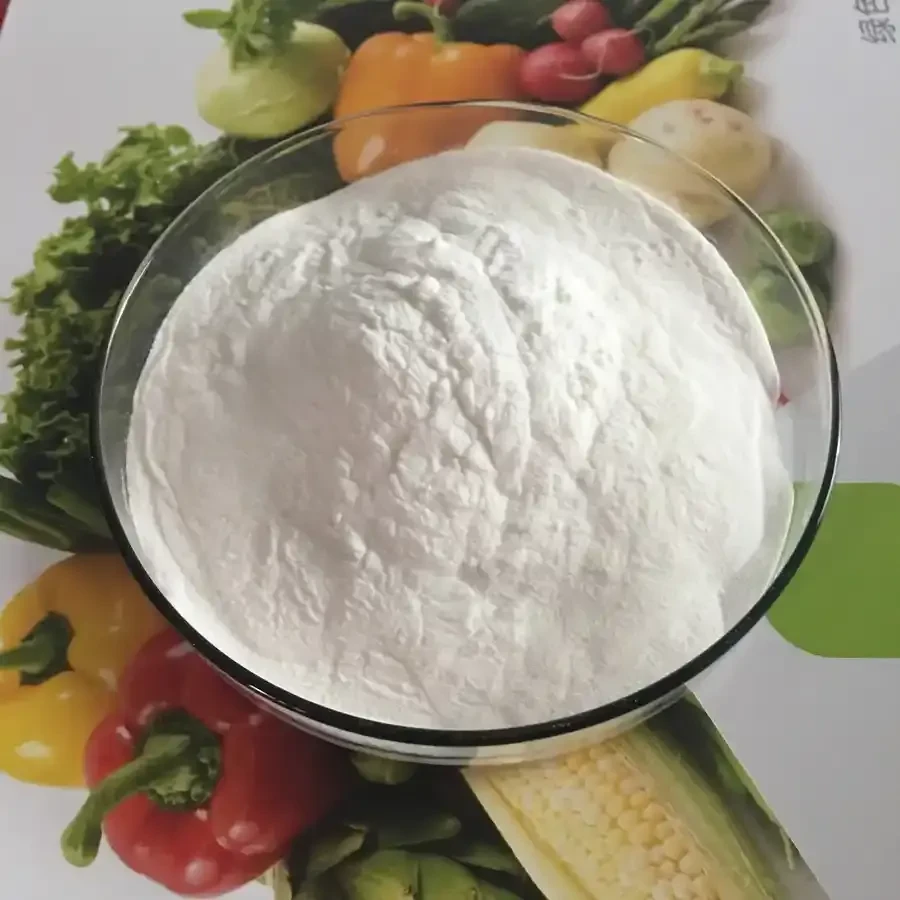
Physical form, packaging and storage, which must be confirmed with the supplier
Feed addition rate: the description gives a general range of 0.05%–0.2%, to be set by a nutritionist
Choosing Dl-methionine 99% 59-51-8 Pharmaceutical Grade Feed Grade Food Grade: Grade, Form and Application Requirements
The product listing for Dl-methionine 99% 59-51-8 Pharmaceutical Grade Feed Grade Food Grade from Shijiazhuang Standard IMP&EXP CO.,LTD. covers pharmaceutical, feed and food uses in a single entry. For a procurement team, that means the product name alone will not tell you whether a lot fits your application. This guide sets out what the published product information supports, how to compare it with your requirements, and where you need more documents before you buy.
1. Start with the application, not the grade label
The product description names several areas where DL-methionine is used. Each one puts different demands on the buyer:
- Feed. The description calls the product a feed nutrient enhancer and a feed additive used to balance amino acids. It says feed is the largest field of use for methionine and gives a general feed addition rate of 0.05%–0.2%. Treat this as a general reference only. Your nutritionist should set the actual dose for your species and formula.
- Pharmaceutical. Applications include amino acid infusions, compound amino acid preparations, the synthesis of medicinal vitamins and liver-protective preparations. Pharmaceutical buyers usually need pharmacopoeia conformity and supplier qualification documents.
- Food. The description mentions nutritional supplementation, amino acid fortification of foods and health food processing, and use as a seasoning or flavoring ingredient. It also notes that methionine's distinctive odor limits its use in food, and that it is only used in fish cake products. Food buyers should check that this matches their product type and local food additive rules.
The description also names cosmetics as a field of use. The materials give no cosmetic-specific specification.
2. Compare the published specification with your requirements
The product page publishes one specification table:
| Parameter | Published limit |
|---|---|
| Content | 99.0%–101% Min |
| Sulfate | 200 ppm Max |
| Loss on drying | 0.5% Max |
| Residue on ignition | 0.1% Max |
| Chloride | 200 ppm Max |
| Heavy metals | 10 ppm Max |
| pH | 5.4–6.1 |
Points to check:
- Content. The table gives 99.0%–101%. Elsewhere, the description says commercial methionine content is generally ≥ 98.5%. Ask for a lot-specific certificate of analysis so you can confirm the actual value for your shipment.
- Impurity limits. Compare the sulfate, chloride, heavy metal, loss on drying and residue on ignition limits with your internal specification or the standard your market requires.
- One table for three grade names. The published specification is not split into pharmaceutical, feed and food versions. If your application needs grade-specific limits, such as a pharmacopoeia monograph or microbiological limits, request those documents separately. Do not assume they are covered.
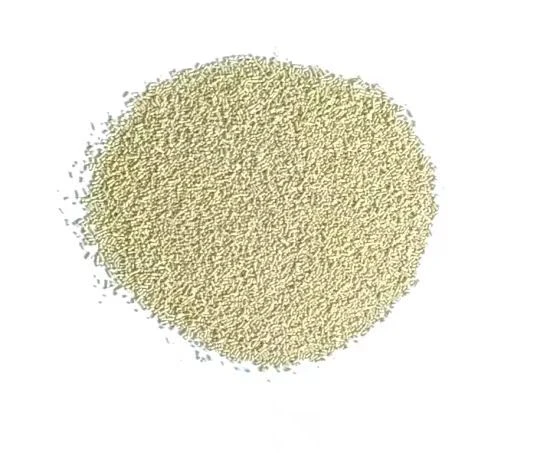
3. Confirm the physical form and packaging
- Physical form and any particle size requirement for your mixing or dosing process
- Packaging type and unit weight
- Storage and shelf-life information
4. Documentation, certification and commercial terms
Buyers in the United States, the Middle East, Europe and Southeast Asia should check registration and labeling requirements for their market and intended use. Ask Shijiazhuang Standard IMP&EXP CO.,LTD. for any certificates, test reports and commercial terms you need in writing.
5. When this product may not be the right fit
- You need documented compliance with a specific pharmacopoeia, and the supplier cannot provide grade-specific documentation.
- Your food application cannot tolerate methionine's distinctive odor.
- You need a defined physical form or particle size that has not been confirmed for the lot.
Summary checklist
- Define the application: feed, pharmaceutical or food.
- Compare the published specification table with your required limits.
- Request a lot-specific certificate of analysis and any grade-specific documents.
- Confirm physical form, packaging and storage.
- Check regulatory status in your target market, and get certification and commercial terms in writing.
THE PEOPLE

About the author
THE COMPANY
Shijiazhuang Standard IMP&EXP CO.,LTD.
We are a comprehensive group of chemicals content food additive,feed additive a specialist manufacturer of Food Additive, Feed Additive more than 20 years. our product have exported to USA, Brazil, Chile,Newzealand, Australia, Croatia,Senegal,Vietnam etc, We have two fermentation department, use high quality corn starch as raw materials,through fermenting, decolorizing,crystallzing,done as our fine monosodium glutamate,in the Chicken Seasoning department,we use nature chicken powder,mix with salt,palm oil,flavor…
About Us ↗Visit company website ↗YOUR NEXT STEP
Bring your brief. Start a useful conversation.
Use case, specification, quantity and delivery window: make the next conversation specific.
Post time: Oct - 22 - 2026