High Purity Sodium Benzoate and Sodium Carboxymethyl Cellulose Supplier
Selecting a high-purity preservative is critical for maintaining the safety and shelf-life of food products, particularly in acidic environments where microbial growth is a constant challenge. Sodium Benzoate serves as a fundamental antimicrobial agent, valued for its efficacy in inhibiting yeast and mold. For procurement managers and food engineers, the focus shifts beyond simple purity to the stability and solubility of the additive in complex formulations such as sauces and fruit juices.
This technical guide examines the chemical properties of Sodium Benzoate, its specific performance under varying pH levels, and the logistical requirements for industrial-scale procurement. By understanding the interaction between acidity and preservative effectiveness, manufacturers can optimize their formulations to ensure maximum product stability while meeting strict food safety standards across global markets.

Chemical Properties and the Mechanism of Antimicrobial Action
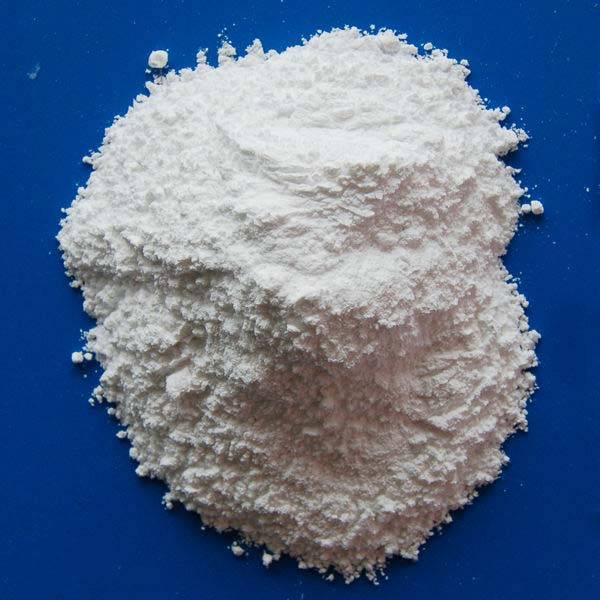
Sodium Benzoate is a white crystalline powder or granule, characterized by being odorless or slightly hypoallergenic with a subtle sweet and astringent taste. From a technical standpoint, its effectiveness as a broad-spectrum antimicrobial agent is heavily dependent on the pH of the medium. The compound is highly soluble in water and ethanol, maintaining a stable state in the air.
The core mechanism of action relies on the transition of the salt into benzoic acid in acidic environments. While the salt itself is less active, the undissociated benzoic acid can penetrate microbial cell membranes, disrupting the internal pH and inhibiting metabolic processes. The optimal anti-corrosion pH range is identified between 2.5 and 4.0. In alkaline mediums, these bactericidal effects are significantly lost, making it an ideal choice for acidic food categories rather than neutral or basic products.
- Physical State: High-purity white powder or granules.
- Solubility: Excellent water and ethanol solubility.
- pH Sensitivity: Maximum efficacy at pH 2.5 to 4.0.
- Stability: High stability under normal atmospheric conditions.

Industrial Applications Across Food and Pharmaceutical Sectors
The versatility of Sodium Benzoate allows its integration into a wide array of industrial applications. In the food industry, it is primarily utilized as an excellent preservative for products prone to mold and yeast contamination. This includes condiments like sauces and pickles, sweet preserves such as jams, and beverage categories including fruit juices and soda pops. Its ability to maintain product integrity in canned goods also makes it a staple for the canning industry.
Beyond food, the compound finds significant use in the medical and daily-use chemical sectors. In pharmaceuticals, it acts as a drug anticorrosion agent to extend the viability of liquid medications. In the personal care industry, it is incorporated into toothpaste, adhesive pastes, and inkpads to prevent microbial degradation. Furthermore, it serves as a critical intermediate in the organic chemical industry, contributing to the synthesis of various aromatic compounds.
Procurement Considerations for High-Purity Food Additives
When sourcing preservatives at scale, quality assurance is the primary driver of decision-making. Buyers must evaluate the material based on the GB1902-05 quality standard or equivalent international benchmarks. Key metrics include purity levels (typically $\ge$ 99.0%), moisture content ($\le$ 1.5%), and strict limits on heavy metals and arsenic to ensure compliance with food safety regulations.
Logistically, the choice of packaging—typically 25kg bags or 1mt bulk bags—impacts storage efficiency and handling costs. Since the productivity of a reliable facility can reach 500 MT per month, supply chain stability is generally high. However, buyers should verify the certification, such as SGS, to guarantee that the batch consistency meets the specific requirements of their production line, especially for high-volume exports to regions like the USA, Brazil, and Australia.
Technical Specifications and Quality Standards
| Analysis Item | Standard Index | Testing Method | Requirement Level |
|---|---|---|---|
| Main Content | $\ge$ 99.0% | Chemical Assay | Critical |
| Water Content | $\le$ 1.5% | Karl Fischer | Standard |
| Heavy Metals | $\le$ 0.001% | ICP-MS | Strict |
| Arsenic (As) | $\le$ 0.0002% | Spectroscopy | Strict |
| Sulphate | $\le$ 0.10% | Titration | Standard |
Evaluating Supplier Capabilities and Manufacturing Reliability
A dependable supplier is defined by their ability to marry scientific research with local raw material advantages. For additives, this means utilizing high-quality inputs and precise processing steps—such as fermentation, decolorizing, and crystallizing—to achieve the required purity levels. The capacity to maintain a steady output of 500 MT per month indicates a mature manufacturing infrastructure capable of supporting large-scale global contracts.
Furthermore, the ability to handle diverse transportation modes—including ocean and land freight through major ports like Qingdao—demonstrates a robust logistics framework. When auditing a potential partner, procurement teams should look for a history of exports to varied regulatory environments, which ensures the manufacturer understands the compliance nuances of different international markets.
Future Trends in Food Preservation and Additive Sourcing
The industry is currently moving toward a hybrid approach to preservation, combining traditional chemical additives with biological inhibitors to reduce total additive concentrations while maintaining efficacy. There is an increasing demand for "clean label" transitions, which puts pressure on manufacturers to provide the highest purity grades of Sodium Benzoate to minimize the quantity needed for the same antimicrobial result.
Additionally, the integration of smarter supply chain tracking and more sustainable packaging is becoming a priority. Future sourcing strategies will likely focus on suppliers who can provide detailed traceability from the raw material stage to the final delivered bag, ensuring that the chemical footprint is minimized and quality is guaranteed through every transit point.
Frequently Asked Questions about Sodium Benzoate
What is the most effective pH range for Sodium Benzoate?
The optimal anti-corrosion pH value is between 2.5 and 4.0. In this acidic range, the compound is most effective at inhibiting the growth of yeast and molds.
Can Sodium Benzoate be used in alkaline food products?
No, the bactericidal and antibacterial effects are largely lost in an alkaline medium. It is specifically designed for acidic applications.
What are the typical packaging options for industrial orders?
Standard industrial packaging includes 25kg bags for smaller batches and 1mt bulk bags for large-scale manufacturing needs.
Which certifications should I look for when sourcing from China?
Look for SGS certification and adherence to quality standards such as GB1902-05 to ensure the product meets international safety and purity requirements.
What is the difference between Sodium Benzoate and Benzoic Acid?
Sodium Benzoate is the salt form, which is more soluble in water and easier to handle in food processing, whereas Benzoic Acid is the active form that inhibits microbes in acidic conditions.
How does it affect the taste of the final food product?
It is generally odorless and has a slightly sweet, astringent taste, which is usually imperceptible when used at recommended concentrations in flavored foods.
Technical References and Industry Resources
- Food and Agriculture Organization of the United Nations (FAO)
- World Health Organization (WHO) Food Additives Guidelines
- Codex Alimentarius International Food Standards
- PubMed - Research on Benzoate Antimicrobial Efficacy
For enterprises seeking a reliable sodium carboxymethyl cellulose supplier or specialized preservatives like Sodium Benzoate, selecting a partner with verified export experience and high-capacity production is key to maintaining a stable supply chain.
Related Industry News