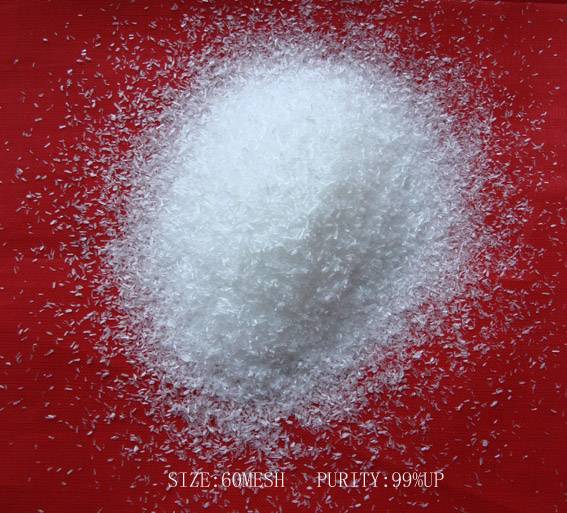
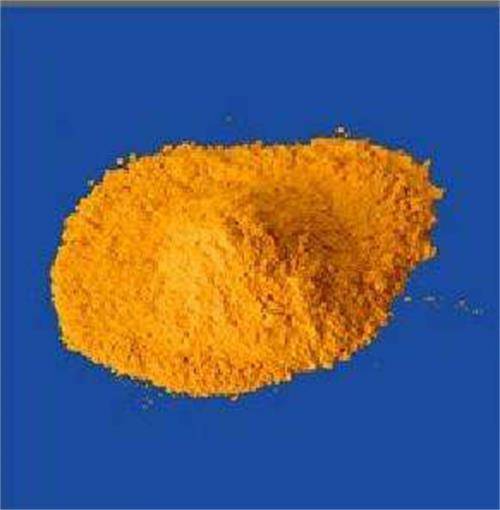
High Purity 120 Mesh MSG and Broasted Chicken Powder Price
Achieving the perfect balance of umami and savory depth in commercial poultry production requires more than just heat; it demands high-precision flavor enhancers. For manufacturers developing specialty coatings, the 120 Mesh Monosodium Glutamate (MSG) provides a critical technical advantage through its ultra-fine particle size and rapid dissolution rate. This specific grade is engineered for seamless integration into spice blends, ensuring that every piece of chicken receives a consistent coating without the clumping associated with coarser crystals.
When evaluating the broasted chicken powder price and overall formulation cost, procurement managers must look beyond the per-kilogram rate and consider the functional efficiency of the additive. A high-purity, fermentation-based MSG reduces the volume of seasoning needed to achieve the desired flavor profile, thereby optimizing the cost-to-performance ratio. By utilizing corn starch as a renewable raw material, this additive ensures a clean label approach while meeting the rigorous taste expectations of global markets from North America to Southeast Asia.

The Role of 120 Mesh Granularity in Professional Seasoning Systems
In the context of high-volume food manufacturing, particle size is not merely a physical attribute but a performance driver. 120 Mesh Monosodium Glutamate is recognized as a premium grade because its ultra-fine structure allows for near-instantaneous dissolution in both liquid marinades and dry rub applications. Unlike standard coarse MSG, which can leave visible crystals or create "hot spots" of intense flavor, the 120 mesh variant disperses evenly across the protein surface, providing a smooth, harmonious umami lift.
This precision is particularly vital for automated production lines. Fine powders reduce dust formation and improve flowability within industrial hoppers and mixing equipment, which minimizes waste and reduces wear on mechanical components. For producers of instant noodles, frozen snacks, and bouillon cubes, this uniformity ensures that the sensory experience remains identical from the first batch to the ten-thousandth, eliminating the risk of batch-to-batch variability that often plagues lower-grade seasonings.
- Enhanced Solubility: Rapid integration into sauces and brines.
- Uniform Distribution: Prevents flavor spotting in dry coatings.
- Industrial Compatibility: Optimized for high-speed automated blending.
- Sensory Precision: Delivers a natural umami response without overshadowing other spices.

Advanced Fermentation Technology and Purity Standards
The quality of a flavor enhancer is determined by the purity of its source. Our production process utilizes a sophisticated microbial fermentation system where high-quality corn starch serves as the primary substrate. Through a rigorous cycle of fermentation, decolorization, and crystallization, we extract pure monosodium glutamic acid. This biological approach ensures that the resulting MSG is free from unwanted impurities, maintaining a bright, uniform crystalline appearance and a neutral scent that does not interfere with the primary flavors of the food.
Operating under HACCP and ISO9001:2000 certified facilities, the production environment is strictly controlled to prevent cross-contamination. The crystallization process is specifically tuned to achieve the 120 mesh specification, followed by precision drying to maintain low moisture content. This stability is crucial for export, as it prevents caking during long-distance ocean freight to markets like Brazil, Chile, and New Zealand, ensuring the product arrives in a free-flowing state ready for immediate industrial use.
Application Strategies for Global Food Manufacturers
Integrating 120 Mesh MSG into a commercial recipe requires a strategic approach to concentration. Typically used in concentrations of 0.2% to 0.9% in normally salted foods, it acts as a catalyst that amplifies the natural savoriness of meat and vegetables. In the production of broasted chicken coatings, the additive is blended with salt, pepper, and other aromatic spices; its fine texture ensures that these components bond effectively to the skin of the chicken, creating a durable, flavor-packed crust during the pressure-frying process.
Beyond poultry, this grade is indispensable for the "fusion" food sector. Its ability to complement diverse flavor profiles—from the acidity of Italian tomato sauces to the richness of Asian soy-based broths—makes it a versatile tool for R&D chefs. In ready-to-eat (RTE) meals and frozen foods, the stability of the 120 mesh grade ensures that the flavor does not degrade during the freezing and thawing cycles, providing a consistent "fresh-cooked" taste to the end consumer.
Technical Specifications and Performance Metrics
| Parameter | Specification Value | Test Method | Industrial Impact |
|---|---|---|---|
| Purity (Content) | 99% Min | Chemical Analysis | Maximum flavor potency |
| Mesh Size | 120 Mesh | Sieve Analysis | Instant dissolution |
| Transmittance | 98% | Optical Test | High crystal purity |
| pH Value | 6.7 - 7.5 | Potentiometric | Neutral flavor profile |
| Heavy Metals | ≤ 10ppm | ICP-MS | International safety compliance |
Procurement Considerations for Food Grade Additives
When sourcing Monosodium Glutamate at scale, procurement officers should prioritize supplier stability and certification over short-term price fluctuations. A reliable supplier must provide consistent particle size distribution; a slight deviation in mesh size can lead to uneven mixing and compromised product quality. It is essential to verify that the manufacturer employs a closed-loop fermentation system and adheres to international food safety standards to avoid contaminants that could trigger recalls in strict markets like the USA or Europe.
Logistical efficiency also plays a role in the total cost of ownership. Our packaging options, ranging from 50g retail bags to 25kg industrial bags, are designed to protect the product from humidity. Given the high solubility of 120 Mesh MSG, moisture-proof lining is non-negotiable to prevent clumping. By sourcing from a manufacturer with established export experience in multiple continents, buyers can ensure that the supply chain is optimized for both cost and reliability.
Future Trends in Umami Enhancement and Clean Labeling
The global food industry is moving toward "smarter" seasoning. There is a growing demand for additives that allow for a reduction in overall sodium content without sacrificing taste. Because Monosodium Glutamate provides an intense umami response at very low concentrations, it enables manufacturers to reduce the amount of table salt in their formulations. This transition helps brands meet health regulations and consumer preferences for lower-sodium products while maintaining the savory depth that defines premium broasted chicken.
Furthermore, the integration of biotechnology in fermentation is allowing for even higher purity levels and more sustainable production. The use of renewable corn starch and energy-efficient crystallization processes reflects a broader industry shift toward sustainability. As food manufacturers continue to explore fusion flavors and plant-based meat alternatives, the role of high-precision enhancers like 120 Mesh MSG will expand, serving as the foundational "taste bridge" that makes processed foods taste more natural and satisfying.
Frequently Asked Questions on Industrial MSG
What is the primary advantage of 120 Mesh MSG over coarser grades?
The 120 Mesh grade is ultra-fine, allowing it to dissolve almost instantly in liquids and disperse evenly in dry powder blends. This prevents "flavor spotting" and ensures a consistent taste across the entire product batch, which is critical for industrial-scale food manufacturing.
How does the fermentation process ensure product purity?
We use high-quality corn starch as a raw material, which undergoes microbial fermentation to produce glutamic acid. This is followed by professional decolorization and crystallization, removing impurities and resulting in a 99% pure crystalline product that meets international food safety standards.
Can this product be used to reduce sodium levels in food?
Yes. Because MSG provides a powerful umami flavor at much lower concentrations than sodium chloride (table salt), manufacturers can often reduce the total salt content of their recipes while maintaining or even enhancing the perceived savoriness of the food.
What are the typical storage requirements for 120 Mesh MSG?
Due to its fine particle size and high solubility, it should be stored in a cool, dry environment in moisture-proof packaging. This prevents caking and maintains the free-flowing nature of the powder, which is essential for automatic dosing systems.
Is the product compliant with international export standards?
Our facility is ISO9001:2000 certified, and our products are exported globally to the USA, Brazil, New Zealand, and other regions. We adhere to strict heavy metal and purity limits to ensure compliance with various international food additive regulations.
In what concentrations should this be used in salted foods?
For most normally salted food applications, the recommended concentration is between 0.2% and 0.9%. Using it within this range enhances the natural flavors of the ingredients without creating an artificial taste profile.
Technical References and Industry Standards
- Food and Agriculture Organization of the United Nations
- World Health Organization - Food Safety Guidelines
- ISO International Standards for Quality Management
- U.S. Food and Drug Administration - Food Additives
Selecting the right flavor enhancer is a balance of technical specification and commercial viability. By prioritizing high-purity, fine-mesh additives, manufacturers can ensure their products meet global quality standards while optimizing production efficiency.
Explore Related Food Additive Solutions