

Sodium Acid Pyrophosphate: A Comprehensive Guide
Sodium acid pyrophosphate (SAPP) is a versatile chemical compound widely used across various industries, including food processing, detergents, and water treatment. Its unique properties as a buffering agent, sequestrant, and cleaning agent make it an indispensable ingredient in many applications. This article provides a detailed overview of SAPP, its applications, benefits, and considerations for safe handling. Understanding the characteristics of SAPP from China Seasoning can unlock optimal performance in your specific application.
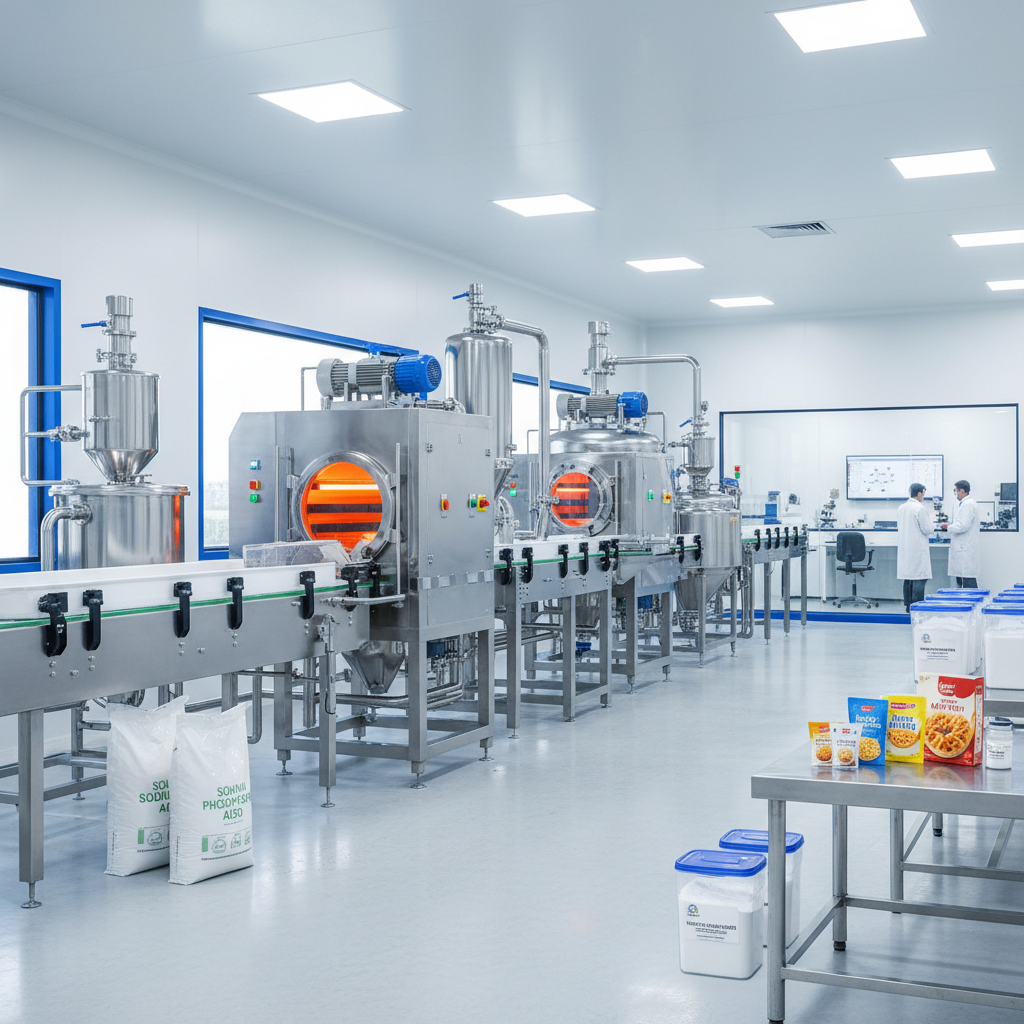
What is Sodium Acid Pyrophosphate (SAPP)?
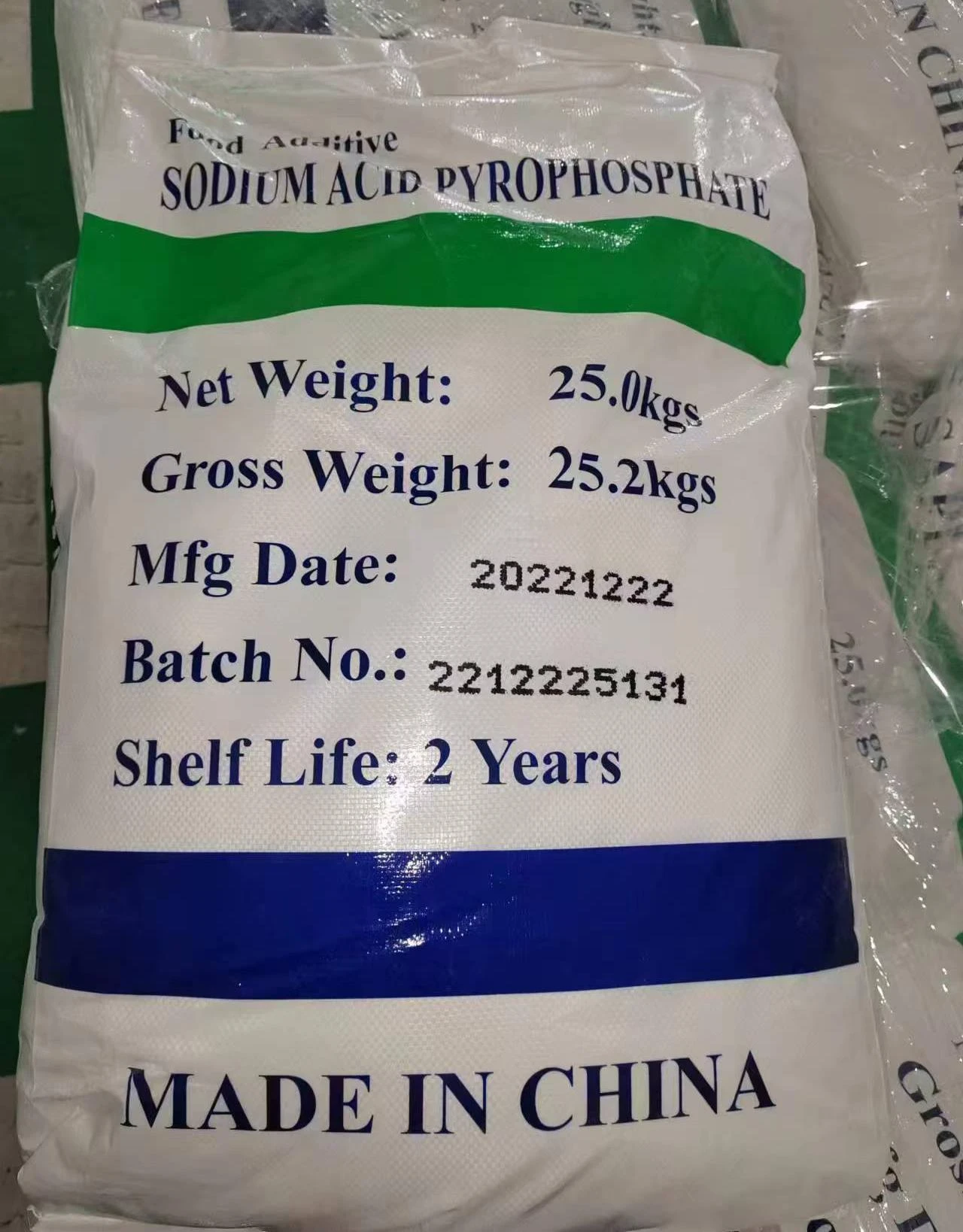
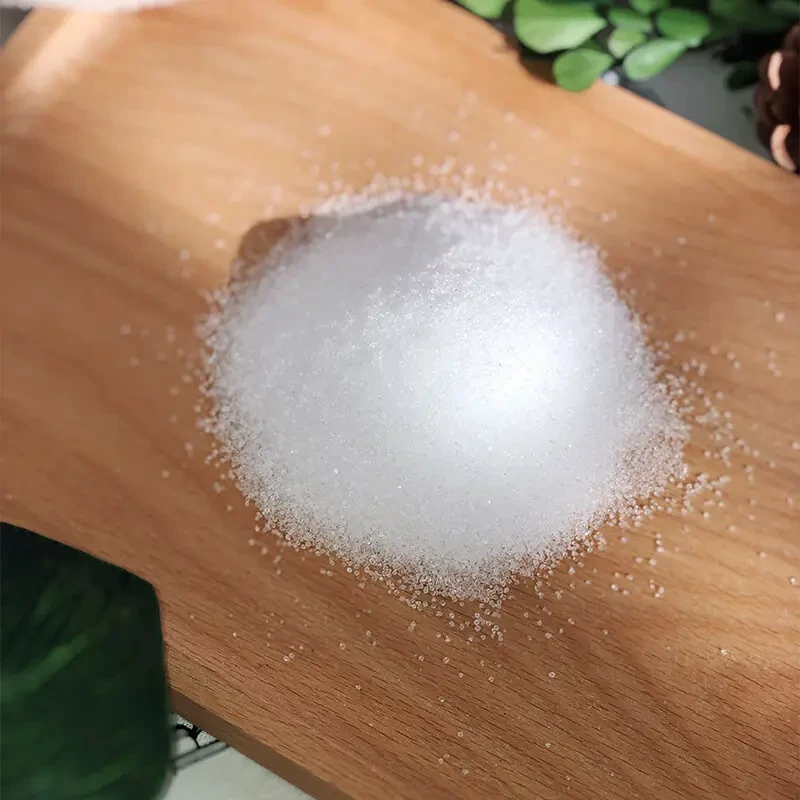
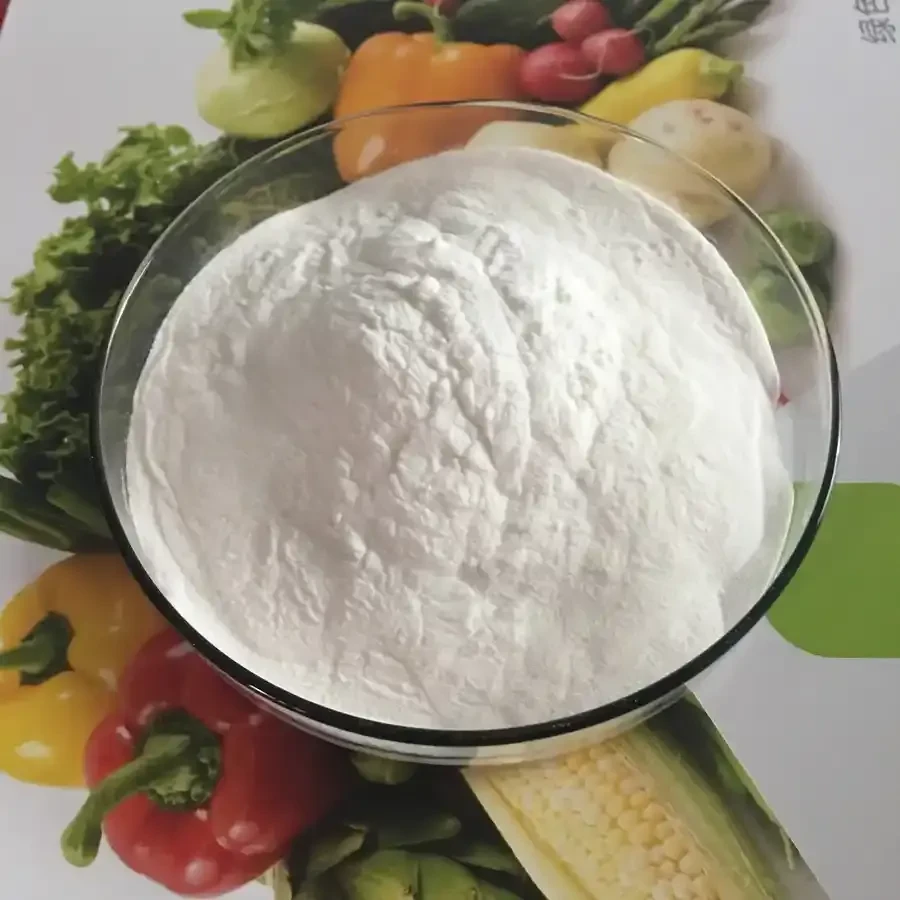
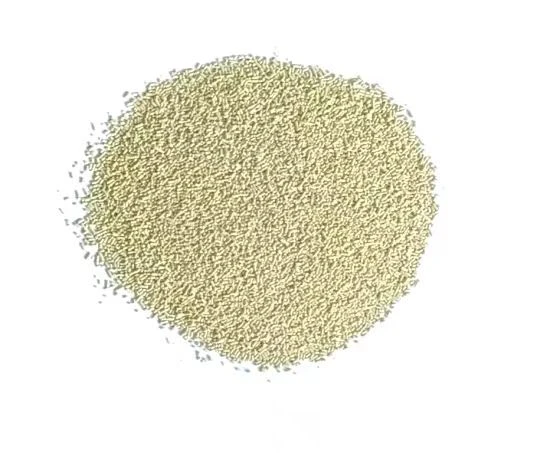
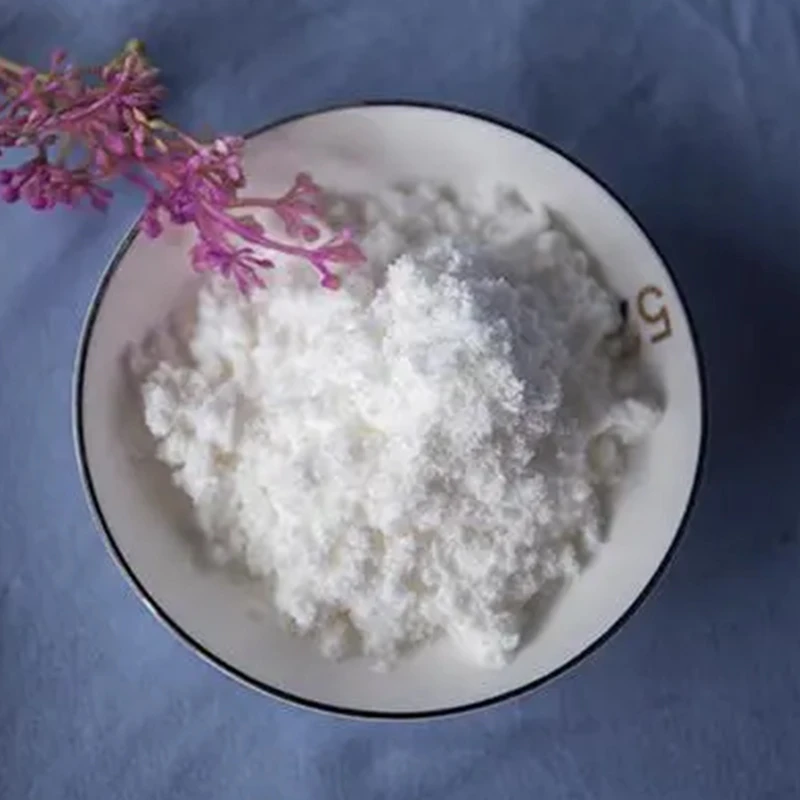
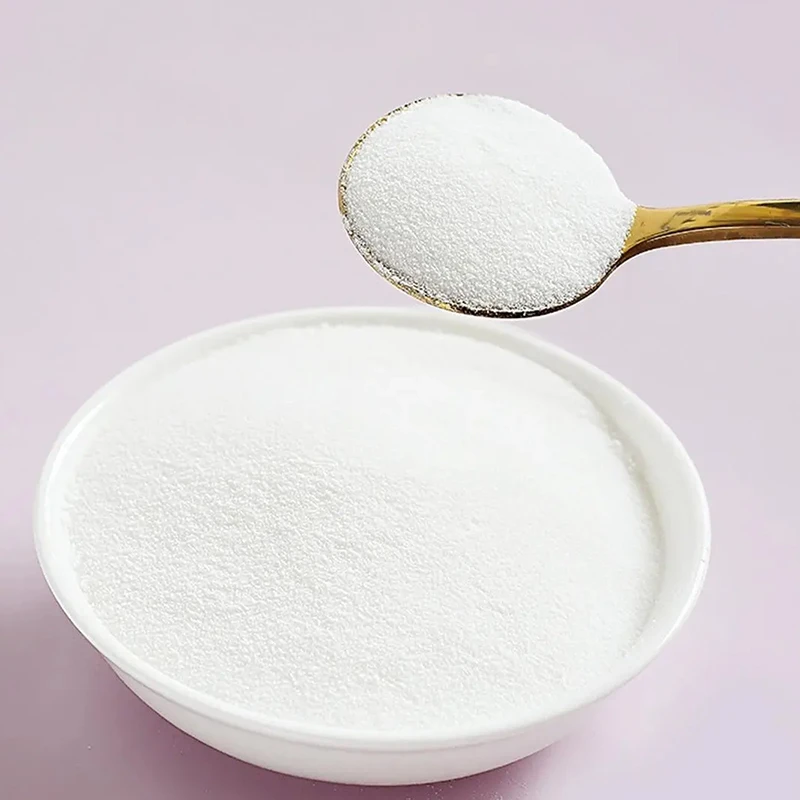
Sodium acid pyrophosphate (Na₂H₂P₂O₇) is an inorganic salt formed by the partial neutralization of pyrophosphoric acid with sodium hydroxide. It exists in various hydrated forms, with the anhydrous form being a white, odorless powder. SAPP is highly soluble in water, creating an acidic solution. Its key properties include buffering capacity, sequestering ability (binding metal ions), and dispersion capabilities. These properties underpin its wide-ranging industrial uses.
Key Highlights: SAPP is a versatile inorganic salt used for buffering, sequestering, and cleaning. It’s highly soluble in water and comes in several hydrated forms.
Applications of Sodium Acid Pyrophosphate
SAPP finds extensive application in several industries. In the food industry, it's used as a leavening agent in baking powders, a dough conditioner, and an emulsifier in processed cheeses. In detergents, SAPP acts as a builder, enhancing cleaning performance by softening water and preventing soil redeposition. It's also utilized in water treatment to prevent scale formation and corrosion. Furthermore, SAPP serves as a metal surface treatment agent, a flame retardant, and a component in various industrial cleaning formulations. Sourcing high-quality SAPP is vital for consistent product quality.
SAPP Application Areas:
• Food Industry (baking, cheese processing)
• Detergent Industry (builders, water softening)
• Water Treatment (scale prevention)
• Industrial Cleaning (metal surface treatment)
SAPP Grades and Specifications
SAPP is available in different grades, primarily categorized by its degree of hydration and purity. Common grades include anhydrous SAPP, monohydrate SAPP, and diphosphate SAPP. Each grade exhibits slightly different properties and is suited for specific applications. The specifications of SAPP typically include parameters like purity (%), pH value (in solution), phosphate content, heavy metal limits, and particle size distribution. Choosing the right grade based on the application requirements is crucial for optimal performance.
Benefits of Using Sodium Acid Pyrophosphate
Employing SAPP offers numerous advantages. Its buffering action stabilizes pH levels in various formulations, preventing unwanted chemical reactions. Its sequestering properties prevent the precipitation of metal ions, enhancing product clarity and stability. As a cleaning agent, SAPP effectively removes dirt and grime without harsh chemicals. Furthermore, its non-toxic nature and biodegradability make it an environmentally responsible choice. Reliable sourcing from providers like China Seasoning ensures these benefits are consistently realized.
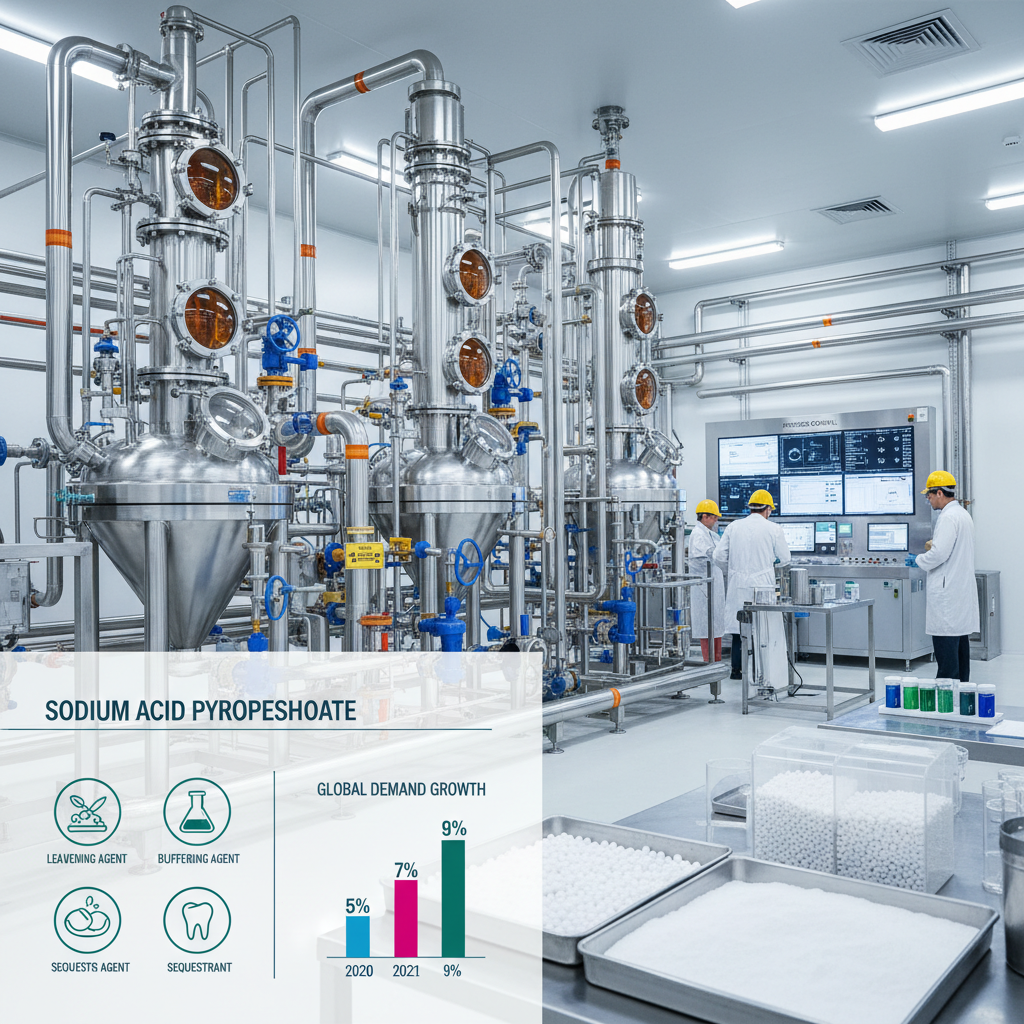
Safety and Handling of Sodium Acid Pyrophosphate
While SAPP is generally considered safe, proper handling precautions are essential. Avoid contact with skin and eyes, as it can cause irritation. Wear appropriate personal protective equipment (PPE), such as gloves, safety glasses, and a dust mask, when handling the powder. In case of contact, rinse thoroughly with water. Store SAPP in a cool, dry place away from incompatible materials. Refer to the Safety Data Sheet (SDS) for detailed safety information.
Conclusion: A Powerful and Versatile Chemical Compound
Sodium acid pyrophosphate is a highly versatile chemical compound with a wide range of applications across numerous industries. Its unique buffering, sequestering, and cleaning properties make it an indispensable ingredient in many formulations. By understanding its characteristics, grades, and safety considerations, you can harness the full potential of SAPP for optimal results.
Frequently Asked Questions (FAQs)
What is the primary function of SAPP in baking powders?
In baking powders, SAPP acts as an acidulant. When combined with a base like sodium bicarbonate, it produces carbon dioxide gas, which causes the dough or batter to rise. The reaction occurs upon wetting and heating, providing a consistent and reliable leavening effect. The amount of SAPP used dictates the speed of the leavening process – more SAPP leads to faster reaction.
Is SAPP a harmful chemical?
SAPP is generally considered safe for its intended uses when handled properly. It's approved for use in food applications by regulatory agencies worldwide. However, it can cause irritation to skin and eyes, so appropriate PPE should always be worn during handling. Ingestion of large quantities may cause digestive discomfort. Always refer to the SDS for comprehensive safety information.
How does SAPP prevent scale formation in water treatment?
SAPP prevents scale formation by sequestering calcium and magnesium ions, the primary components of scale. By binding these ions, SAPP prevents them from precipitating and forming hard deposits on surfaces. This maintains the efficiency of water systems and reduces maintenance costs.
What is the shelf life of SAPP?
When stored properly in a cool, dry environment, SAPP has a long shelf life – typically several years. However, it’s important to protect it from moisture, as absorption of water can lead to caking and reduced effectiveness. Regularly inspect the packaging for any signs of damage or degradation.
Post time: Mar - 19 - 2026