

Understanding Sapp Food Additive: Applications and Benefits
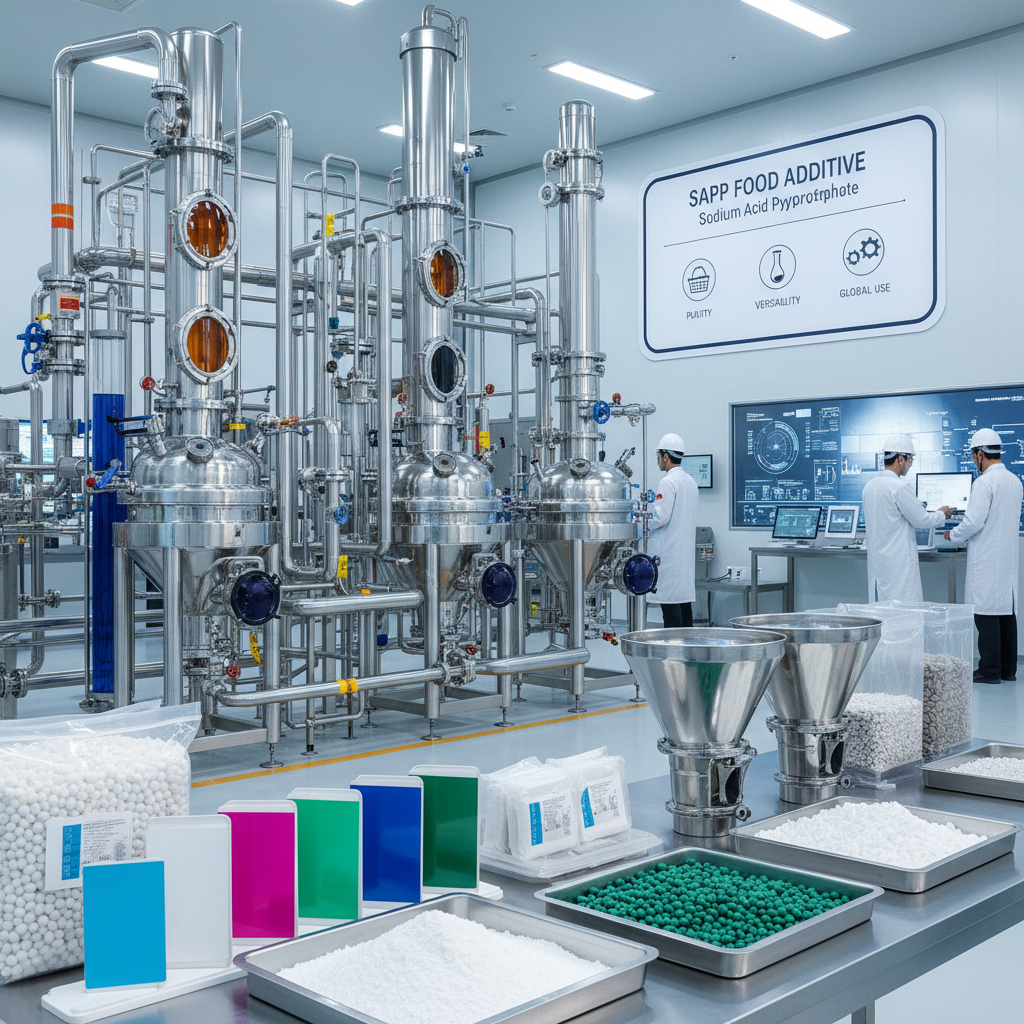
Sapp food additive, also known as Sodium Acid Pyrophosphate (SAPP), is a versatile ingredient widely used in the food industry. It plays a crucial role in various applications, from baking to meat processing, enhancing texture, preservation, and overall product quality. This article will delve into the properties, applications, benefits, and safety considerations of SAPP food additive, providing a comprehensive overview for food manufacturers, professionals, and consumers. Its ability to control pH levels and improve processing efficiency makes it an indispensable component in modern food production.

What is Sapp Food Additive? – A Chemical Overview
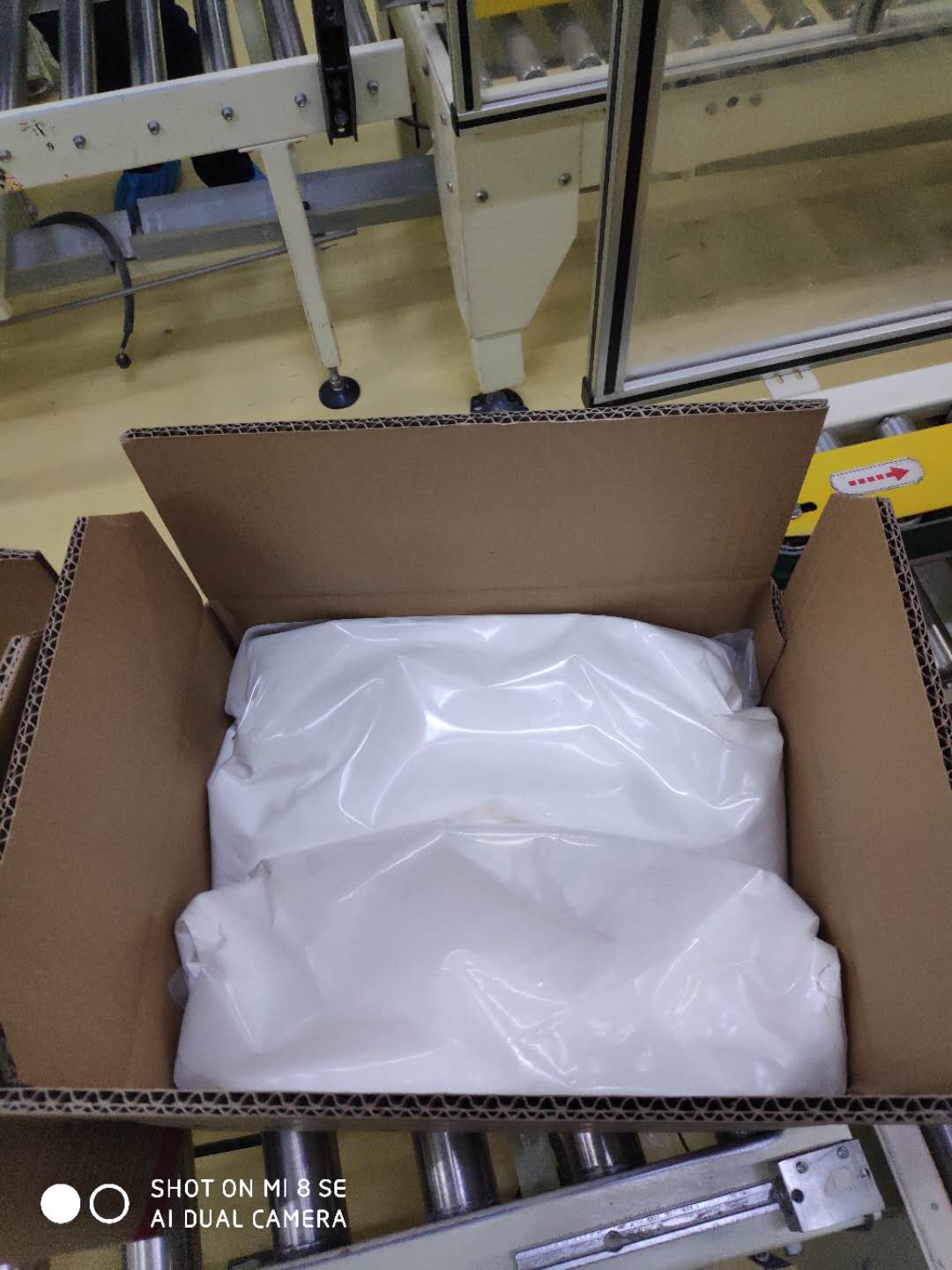
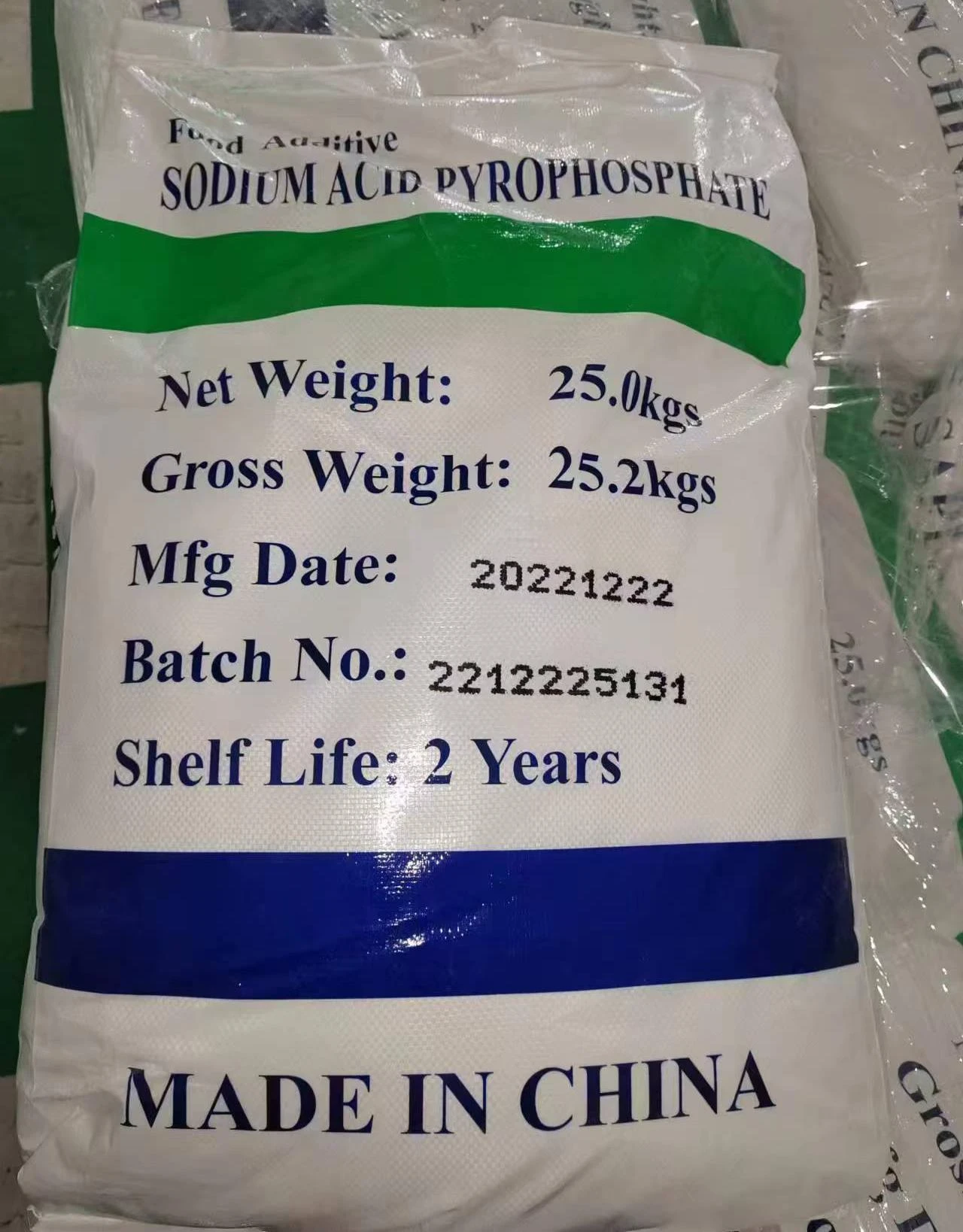
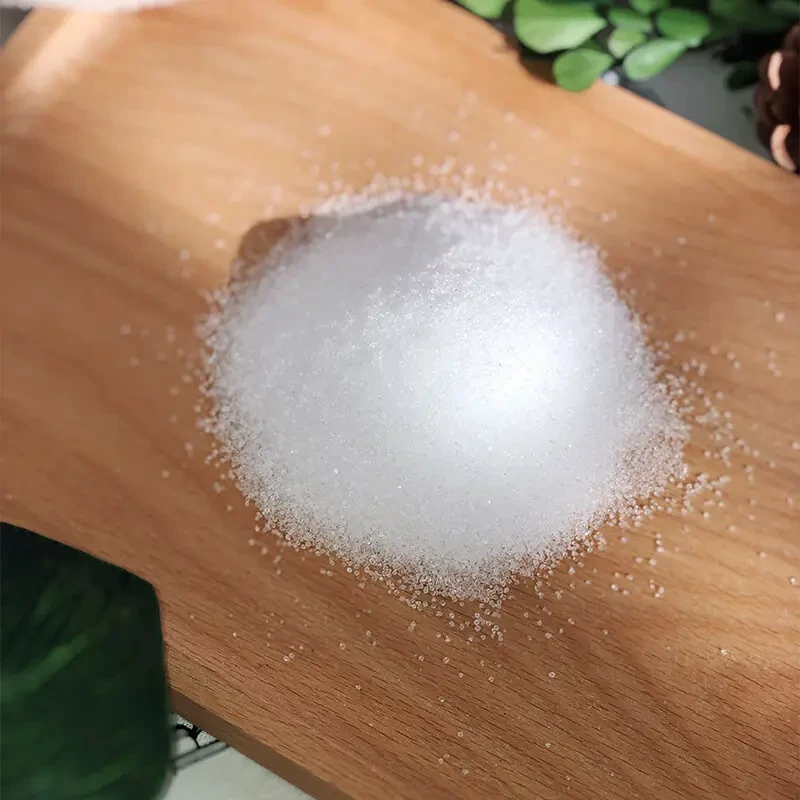
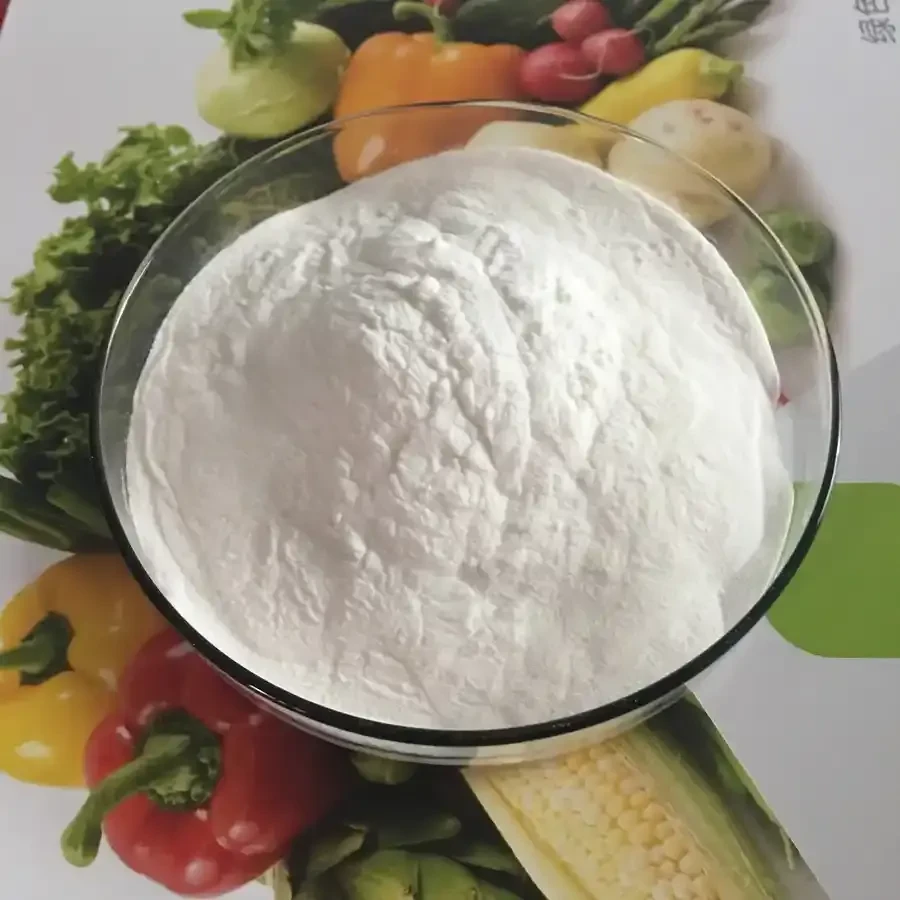
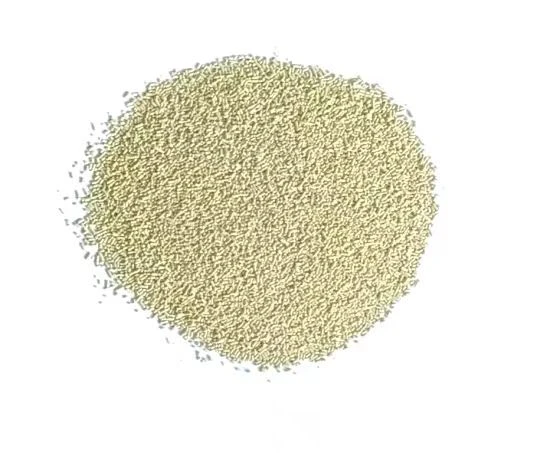
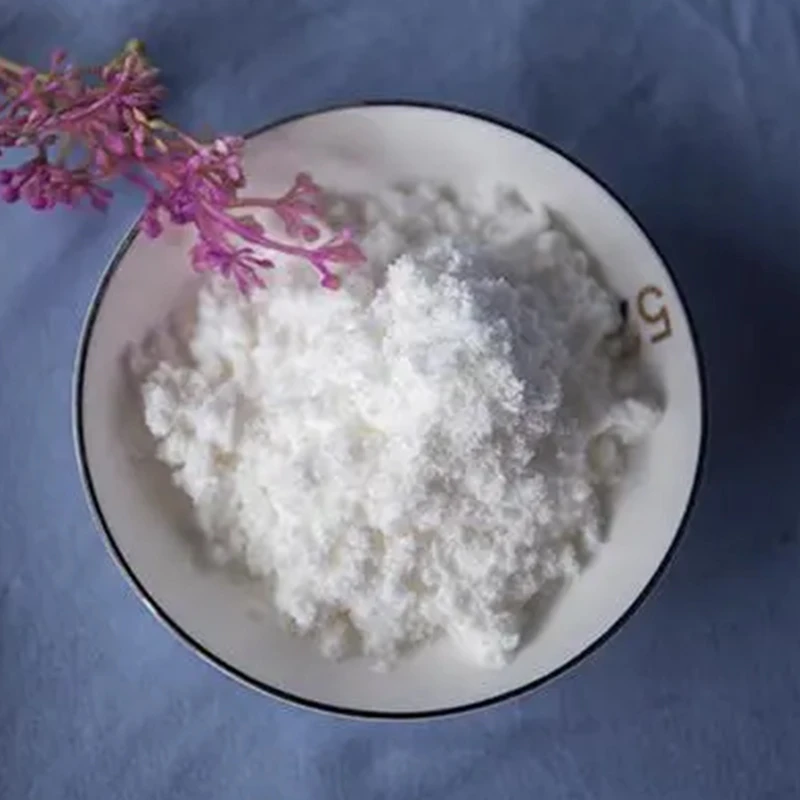
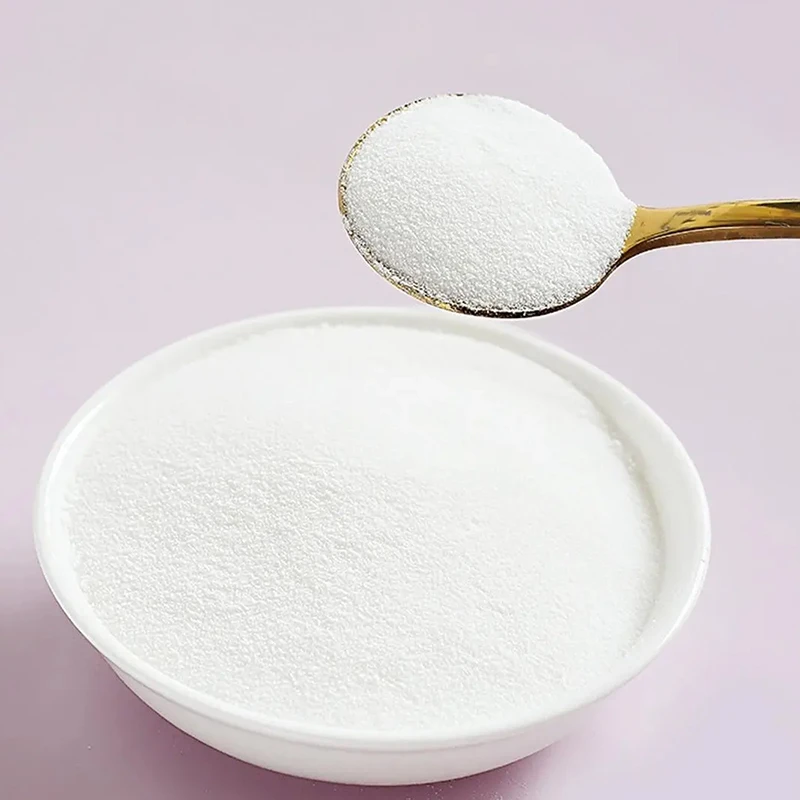
Sapp, with the chemical formula Na₂H₂P₂O₇, is an inorganic salt composed of sodium, hydrogen, phosphorus, and oxygen. It’s a white, odorless, crystalline powder that's readily soluble in water. Its key property lies in its ability to react with water to release pyrophosphate ions, which act as buffering agents and influence pH levels. This makes it invaluable for controlling acidity and alkalinity in food products. The manufacturing process typically involves neutralizing phosphoric acid with sodium carbonate or sodium hydroxide. Chinaseasoning.com provides high-quality SAPP for a diverse range of food applications.
Key Highlights: Sapp's key property is its ability to react with water to release pyrophosphate ions, acting as buffering agents and influencing pH levels, crucial for food preservation and texture enhancement.
Applications of Sapp Food Additive Across the Food Industry
The versatility of SAPP makes it a staple ingredient in numerous food applications. In the baking industry, it’s used as a leavening agent, particularly in self-rising flour and baked goods requiring a light and fluffy texture. It’s also widely utilized in meat processing to improve water retention, enhance tenderness, and prevent discoloration. Furthermore, SAPP is employed in potato processing to prevent darkening, and in cheese production to control melting characteristics and texture. It's even found in certain seafood products to inhibit bacterial growth and maintain freshness.
Key Applications:
• Baking: Leavening agent, texture improvement
• Meat Processing: Water retention, tenderness, color preservation
• Potato Processing: Prevention of darkening
• Cheese Production: Melting and texture control
Sapp Food Additive: Benefits and Functional Properties
The benefits of using SAPP extend beyond its specific applications. Its buffering capacity helps maintain the desired pH levels, which is vital for optimal enzyme activity and microbial control. This contributes to extended shelf life and improved product safety. SAPP also functions as a sequestrant, binding to metal ions that can catalyze oxidation and spoilage reactions. This protects flavor, color, and nutritional value. Its ability to improve texture, whether in baked goods or processed meats, enhances consumer appeal. The precise control it offers over processing parameters makes it an invaluable tool for food manufacturers.
Sapp Food Additive Grades and Specifications
SAPP is available in various grades, distinguished by their purity levels and particle size. Food-grade SAPP must meet stringent quality standards established by regulatory bodies. Here's a comparative look at common SAPP grades:
Safety Considerations and Regulatory Status of Sapp
SAPP is generally recognized as safe (GRAS) by the FDA when used in accordance with good manufacturing practices and within specified limits. However, like all food additives, it’s essential to adhere to recommended dosage levels. Excessive intake could potentially lead to phosphate imbalances in the body. Regulatory bodies worldwide, including the European Food Safety Authority (EFSA), have established acceptable daily intake (ADI) levels for SAPP. Chinaseasoning.com ensures its SAPP products meet all relevant safety and regulatory standards.
Conclusion: Sapp – A Vital Component for Modern Food Production
Sapp food additive plays a critical role in ensuring the quality, safety, and consistency of a wide range of food products. Its versatile properties, including buffering capacity, sequestrant action, and texture enhancement, make it an indispensable ingredient for food manufacturers. Choosing a reputable supplier like Chinaseasoning.com ensures access to high-quality, compliant SAPP.
Frequently Asked Questions (FAQs)
What is the recommended dosage of SAPP in baking applications?
The recommended dosage of SAPP in baking applications typically ranges from 0.5% to 1.5% by weight of the flour, depending on the desired leavening effect and the specific recipe. It's crucial to follow recipe guidelines carefully, as excessive SAPP can impart a metallic taste. Proper mixing and distribution of SAPP throughout the dough are also essential for optimal results.
Is SAPP a substitute for baking powder?
While SAPP contributes to leavening, it's not a direct substitute for baking powder. Baking powder contains both an acid and a base, whereas SAPP acts primarily as an acidifying agent. To achieve a similar leavening effect with SAPP, it must be combined with a base, such as baking soda. This requires careful calculation to ensure the correct ratio and proper reaction.
How should SAPP be stored to maintain its quality?
SAPP should be stored in a cool, dry, and well-ventilated area, away from direct sunlight and moisture. It's best to keep it in a tightly sealed container to prevent absorption of moisture from the air, which can lead to clumping and reduced effectiveness. Proper storage ensures the SAPP retains its chemical properties and performs optimally when used in food applications.
Are there any potential allergens associated with SAPP?
SAPP itself is not considered a common allergen. However, individuals with sensitivities to phosphates should exercise caution and consult with a healthcare professional. Additionally, depending on the manufacturing process and facility, there's a potential for cross-contamination with other allergens. It's always advisable to review the product specifications and contact the manufacturer, such as Chinaseasoning.com, for allergen information.
Post time: Mar - 17 - 2026