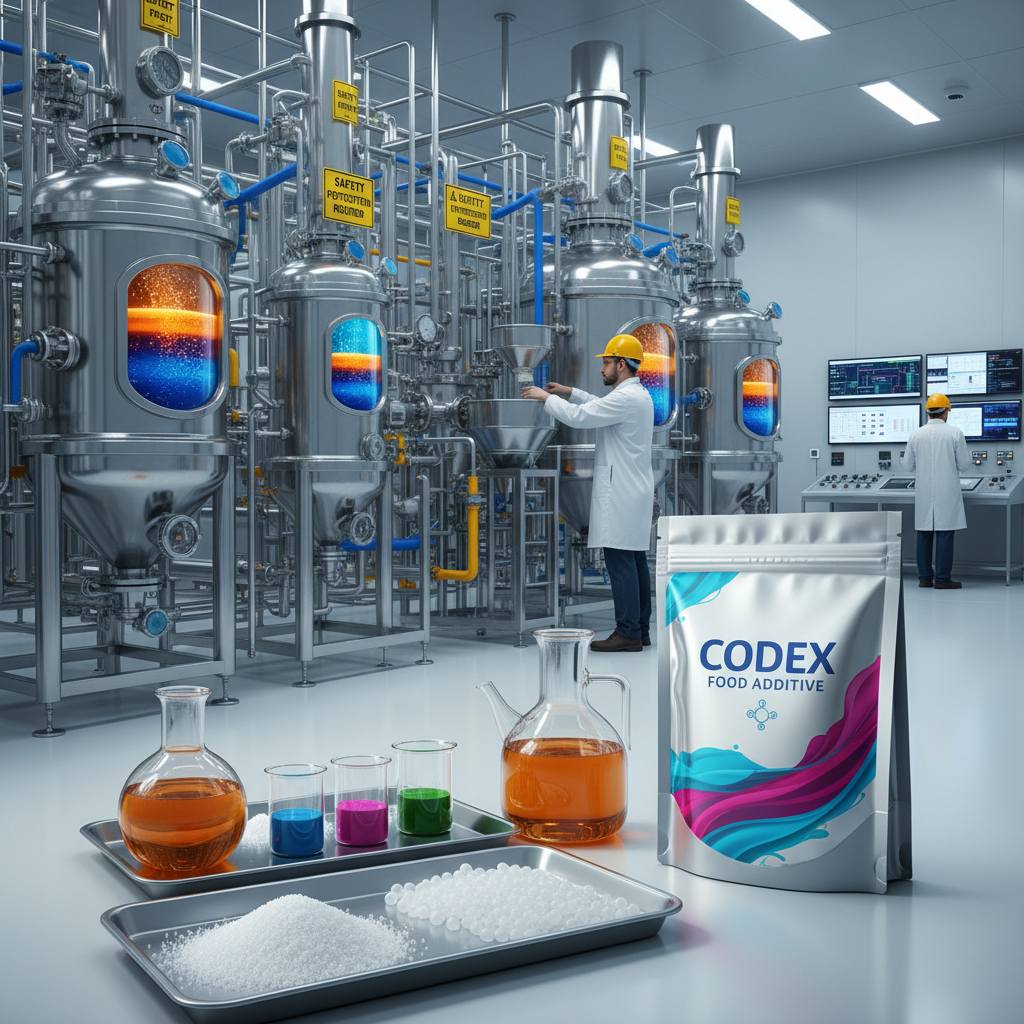
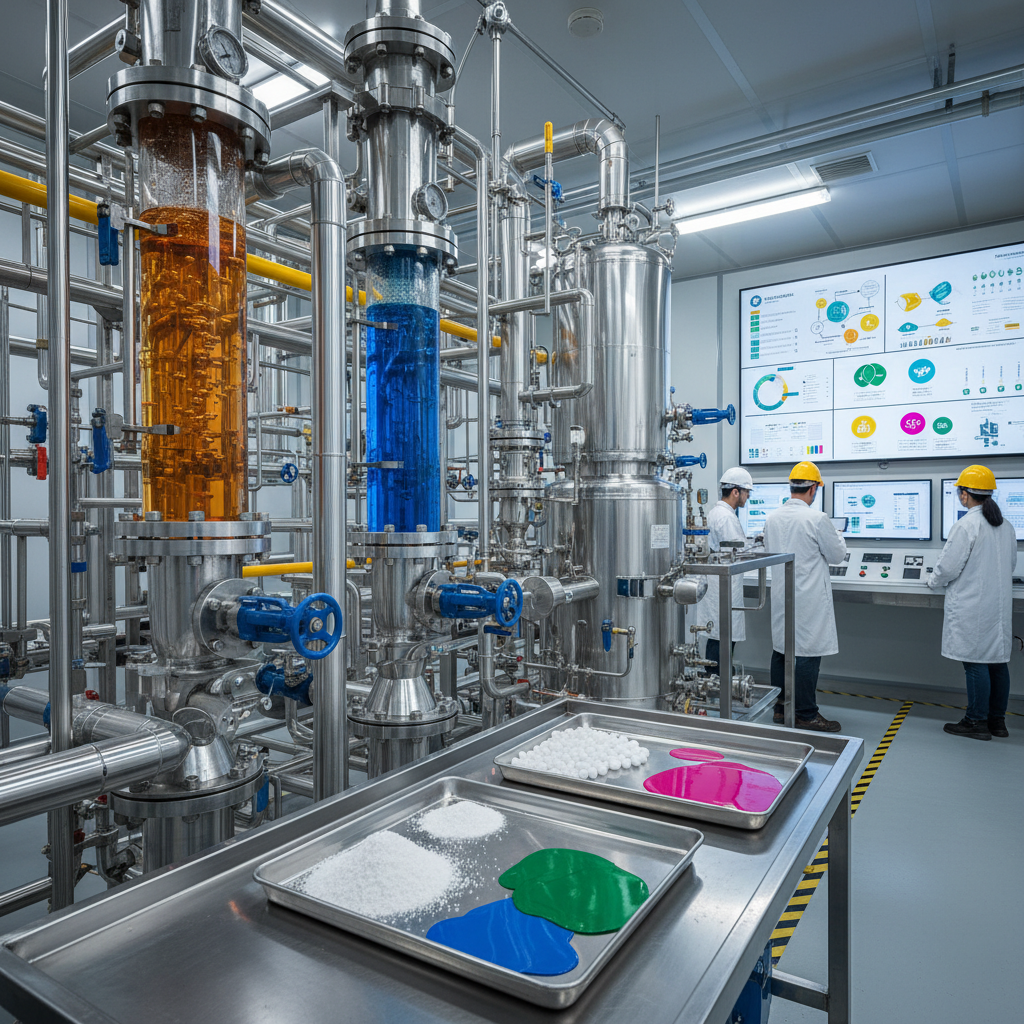
Codex food additive regulations are a cornerstone of global food safety, impacting everything from production to consumption. These standards, developed by the Codex Alimentarius Commission, provide a scientifically sound framework for ensuring food quality and protecting consumer health worldwide. Understanding these additives – substances intentionally added to food to affect its characteristics – is crucial for manufacturers, regulators, and consumers alike, navigating a complex landscape of benefits and potential risks. The increasing globalization of the food supply makes harmonized standards, like those promoted by Codex, even more vital.
The relevance of codex food additive extends beyond simple safety concerns. They play a significant role in facilitating international trade, reducing technical barriers, and ensuring fair practices. The UN’s Sustainable Development Goal 2, aiming for zero hunger, is directly linked to efficient and safe food systems, where responsible use of food additives can extend shelf life, reduce waste, and improve nutritional value. Statistics from the World Bank indicate that food safety incidents cost developing countries billions annually; adherence to Codex standards can mitigate these losses.
Ultimately, a thorough understanding of codex food additive empowers stakeholders to make informed decisions, safeguarding public health and supporting a sustainable and equitable global food system. The need for continuous monitoring, research, and adaptation of these standards remains paramount in a rapidly evolving food technology landscape.
Introduction to codex food additive
Codex food additive are not monolithic; they encompass a vast range of substances each serving specific purposes – preservation, coloring, flavoring, texturizing, and nutrient supplementation. These additives are subject to rigorous scientific evaluation by the Joint FAO/WHO Expert Committee on Food Additives (JECFA) before being approved for use, ensuring they pose no harm to human health at specified levels. The goal isn’t merely safety but also to enhance the quality and availability of food.
The efficient and ethical application of codex food additive is inextricably linked to the challenges of feeding a growing global population. In a world facing increasing food insecurity and logistical complexities, these additives can play a vital role in preventing spoilage, extending shelf life, and improving the accessibility of nutritious food, particularly in remote or underserved communities.
The Global Significance of Codex Food Additives
The Codex Alimentarius Commission, established in 1963 by the Food and Agriculture Organization of the United Nations (FAO) and the World Health Organization (WHO), acts as the central body for developing international food standards. The adoption of these standards by individual countries is voluntary, but they serve as a benchmark for quality and safety and are often used as the basis for national regulations. This harmonization is crucial for international trade, reducing disputes and facilitating the flow of goods.
The economic impact of adhering to codex food additive standards is substantial. Countries that align with Codex regulations gain greater access to international markets, increasing export opportunities and stimulating economic growth. Conversely, failure to meet these standards can result in trade barriers, costly recalls, and damage to a nation's reputation. Data from the WTO shows a direct correlation between adherence to international standards and increased trade volume.
Furthermore, the focus on scientific risk assessment in Codex standards contributes to building consumer trust. Transparency in the use of additives and clear labeling requirements empower consumers to make informed choices, fostering confidence in the food supply and supporting a more sustainable food system. This trust is essential for maintaining public health and preventing food-related crises.
Defining codex food additive
At its core, a codex food additive is any substance intentionally added to food to achieve a desired technical effect. This includes a broad range of substances, from natural extracts to synthetic compounds. The definition isn’t simply about what is added, but why. Additives are used to preserve freshness, enhance flavor, improve texture, or provide nutritional benefits, all with the goal of creating a more appealing and safe food product.
The connection to modern industry lies in the scale and complexity of food production and distribution. In today’s globalized food system, it’s often impossible to rely solely on traditional methods of preservation or enhancement. Food additives enable manufacturers to maintain quality, consistency, and safety across vast distances and extended shelf lives, catering to consumer demands for convenience and accessibility.
Critically, the term “additive” is distinct from naturally occurring substances present in food. For example, salt and sugar, while technically affecting food properties, are generally not considered additives when used as traditional ingredients. However, when added for a specific technical effect beyond basic seasoning, they can fall under additive regulations.
Key Characteristics of Effective Codex Food Additives
The efficacy of a codex food additive hinges on several key factors. Firstly, stability is paramount; an additive must remain effective throughout the food’s shelf life, resisting degradation from environmental factors like heat, light, and oxygen. Secondly, compatibility with other food components is crucial – an additive shouldn't negatively interact with existing ingredients, altering flavor or texture undesirably.
Bioavailability is another critical aspect, especially for nutrient additives. The body must be able to absorb and utilize the additive effectively to realize its intended benefits. Furthermore, cost-effectiveness is a practical consideration for manufacturers, influencing the feasibility of incorporating an additive into a product.
Finally, and most importantly, safety is non-negotiable. Rigorous toxicological testing and adherence to established acceptable daily intake (ADI) levels, determined by JECFA, are essential to ensure consumer health is protected. These characteristics collectively define an effective and responsible codex food additive.
Comparative Effectiveness of Different codex food additive Methods
Global Applications and Real-World Use Cases
In post-disaster relief operations, codex food additive play a crucial role in ensuring the safety and longevity of emergency food supplies. Preservatives can prevent spoilage in challenging conditions, while nutrient additives can help address deficiencies in vulnerable populations. Similarly, in remote industrial zones or military deployments, where fresh food access is limited, additives extend the shelf life of provisions, maintaining nutritional value for personnel.
The beverage industry heavily relies on codex food additive for coloring, flavoring, and carbonation. The processed food sector utilizes a wide range of additives – emulsifiers, stabilizers, antioxidants – to enhance texture, appearance, and shelf life of products like sauces, baked goods, and ready meals. Developing countries often benefit from additives that reduce food waste, particularly in regions with limited refrigeration infrastructure.
Advantages and Long-Term Value Proposition
The tangible benefits of responsible codex food additive use are significant: reduced food waste translates to economic savings and environmental benefits; improved shelf life enhances food security, particularly in areas with logistical challenges; enhanced nutritional value addresses public health concerns. Furthermore, the standardization promoted by Codex fosters consumer trust and simplifies international trade.
Beyond these practical advantages, there's a long-term value proposition rooted in sustainability and innovation. By enabling more efficient food production and distribution, additives contribute to a more resilient food system. Investment in research and development of novel, safer, and more sustainable additives fosters continuous improvement and strengthens the foundation of food safety worldwide.
Future Trends and Innovations in Codex Food Additives
The future of codex food additive is likely to be shaped by several converging trends. A growing emphasis on natural and clean-label ingredients will drive demand for additives derived from plant or microbial sources, replacing synthetic alternatives. Advances in biotechnology and precision fermentation will enable the production of additives with enhanced functionality and sustainability.
Digital technologies, such as blockchain, will enhance traceability and transparency in the food supply chain, allowing consumers to verify the origin and safety of additives. Furthermore, the application of artificial intelligence (AI) and machine learning (ML) will accelerate the risk assessment process, identifying potential hazards more efficiently and enabling proactive regulation.
The integration of these technologies, coupled with a commitment to sustainable practices, will pave the way for a more innovative and resilient food system, ensuring the continued safety and accessibility of food for future generations.
Summary of Codex Food Additive Risk Assessment Factors
| Additive Category |
Toxicological Data Availability |
Exposure Assessment |
Risk Characterization Score (1-10) |
| Preservatives |
Extensive |
High |
3 |
| Colorings |
Moderate |
Moderate |
5 |
| Flavor Enhancers |
Limited |
Low |
7 |
| Antioxidants |
Extensive |
High |
2 |
| Emulsifiers |
Moderate |
Moderate |
4 |
| Nutrient Additives |
Extensive |
High |
1 |
FAQS
The primary concerns center around potential allergic reactions, chronic exposure to certain additives, and the possibility of unforeseen interactions with medications or individual genetic predispositions. However, it’s crucial to remember that all approved codex food additive undergo rigorous testing by JECFA to establish Acceptable Daily Intake (ADI) levels, designed to protect consumer health even with lifetime exposure. Ongoing research continuously monitors for any emerging health risks.
The Codex Alimentarius Commission operates through a robust scientific assessment process. JECFA, a joint committee of FAO and WHO, evaluates the safety of food additives based on toxicological data and establishes ADI levels. Codex standards are based on these scientific evaluations and are regularly updated to reflect new findings. While adherence is voluntary, many countries adopt these standards as the basis for their national regulations.
Not necessarily. “Natural” doesn't automatically equate to “safe.” Both natural and synthetic codex food additive undergo the same rigorous safety evaluation process. Some natural additives can even pose greater risks than synthetic ones due to potential allergens or contaminants. Safety is determined by the substance itself and its level of exposure, not simply its origin.
In most countries, food labeling regulations require manufacturers to list all ingredients, including food additives, on the product packaging. Additives are typically listed by their common name or E number (a standardized coding system used in Europe). Consumers can also consult online databases and resources, like the Codex website, to learn more about specific additives and their functions.
The Acceptable Daily Intake (ADI) is a measure of the amount of a food additive that can be consumed daily over a lifetime without appreciable health risk. JECFA establishes ADIs based on extensive toxicological data, applying a safety factor to account for uncertainties. ADI levels are used by regulators to set limits on the amount of an additive allowed in food products.
The Codex Alimentarius Commission continuously monitors scientific advancements and updates its standards accordingly. JECFA regularly re-evaluates the safety of existing additives based on new data. Emerging areas of focus include the potential impacts of food additives on the gut microbiome, the long-term effects of low-level exposure, and the development of more sustainable and bio-based alternatives.
Conclusion
Codex food additive are an indispensable component of the modern food system, enabling safe, affordable, and accessible food for a growing global population. They aren’t without challenges, requiring continuous monitoring, research, and adaptation to address emerging scientific findings and consumer concerns. The key to responsible use lies in robust scientific assessment, transparent labeling, and a commitment to prioritizing consumer health.
Looking ahead, innovation in additive technology, coupled with a focus on sustainability and traceability, will be crucial. Embracing digital tools and fostering collaboration between industry, regulators, and researchers will strengthen the foundation of food safety and build trust in the food supply. To learn more about specific codex food additive and how they impact your food choices, visit our website: www.chinaseasoning.com.