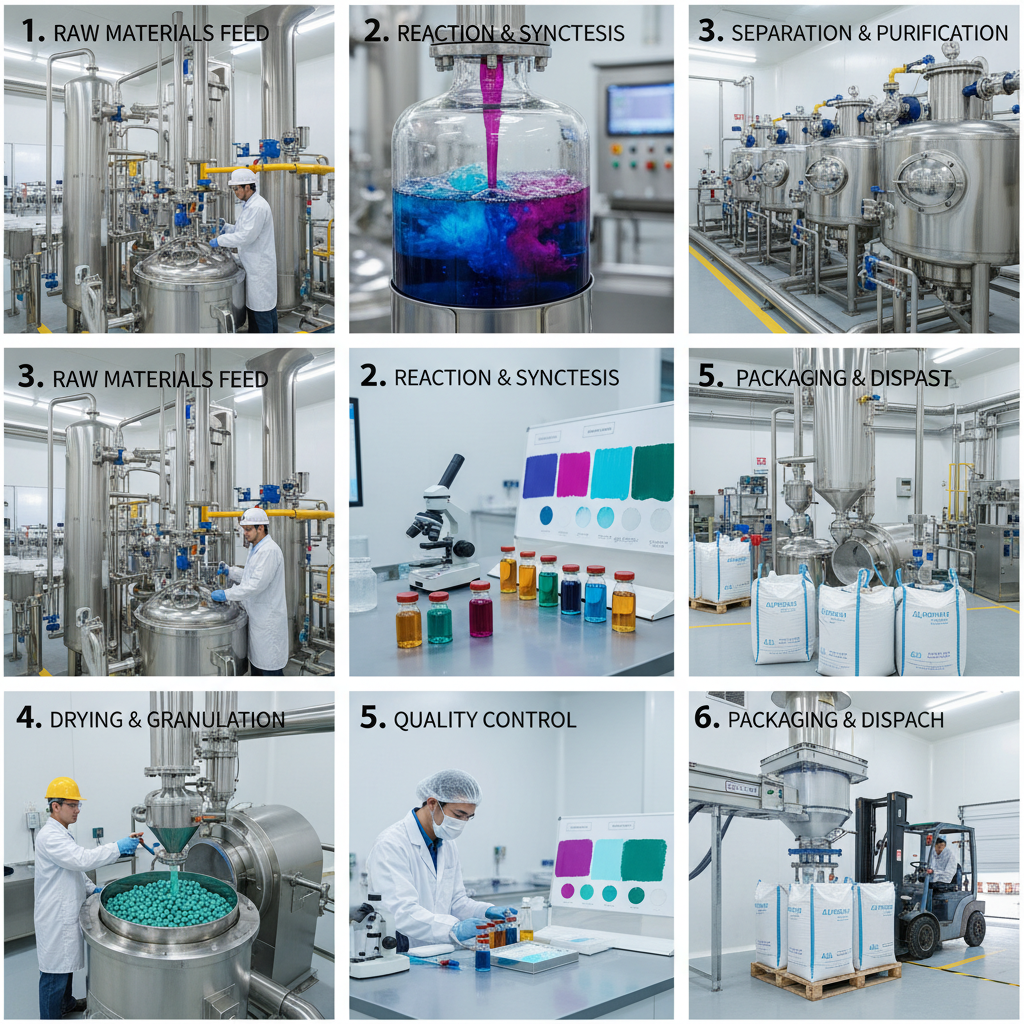
Food flavourings are integral to the global food industry, impacting taste, aroma, and overall consumer experience. From natural extracts to synthetic compounds, these additives play a crucial role in ensuring food consistency, enhancing palatability, and extending shelf life. Understanding the complexities of food flavourings is paramount for food manufacturers, regulatory bodies, and consumers alike, as they directly influence food safety, quality, and acceptance.
The increasing demand for diverse and convenient food options worldwide drives the continual innovation in food flavourings. Globalisation has led to the fusion of culinary traditions, necessitating a wider range of flavour profiles. This growth is particularly evident in emerging markets, where changing dietary habits and rising disposable incomes fuel the demand for processed and packaged foods enriched with appealing flavours. food flavourings contribute significantly to this dynamic landscape.
The field of food flavourings is underpinned by sophisticated scientific advancements in chemistry, biotechnology, and sensory science. As consumer preferences evolve towards healthier and more sustainable options, the industry is shifting towards natural and clean-label flavour solutions. This transition presents both challenges and opportunities, requiring ongoing research and development to meet evolving market needs while ensuring regulatory compliance.
Introduction: The Role of Food Flavourings
Food flavourings are essential components in modern food production, extending beyond simply making food taste good. They provide consistency in flavour profiles, compensating for natural variations in ingredients and ensuring a predictable product for consumers. This is particularly important in large-scale manufacturing, where maintaining a uniform sensory experience is critical for brand loyalty.
The selection and application of food flavourings require a deep understanding of sensory science and consumer preferences. Companies are increasingly investing in research to identify flavour combinations that appeal to diverse cultural tastes and dietary needs. The growing demand for authentic and unique flavour experiences drives constant innovation in the field, utilising both traditional and cutting-edge technologies.
Global Relevance and Market Dynamics
The global food flavourings market is a multi-billion-dollar industry, with significant growth projected in the coming years. According to recent reports, the market is expected to reach $XX billion by 20XX, driven by factors such as increasing consumer spending on processed foods, expanding populations in emerging economies, and a rising demand for convenience foods. This growth isn't evenly distributed; regions like Asia-Pacific and Latin America exhibit particularly strong demand.
Regulatory landscapes play a crucial role in shaping the food flavourings market. Organisations like the Food and Drug Administration (FDA) in the United States and the European Food Safety Authority (EFSA) set stringent standards for safety and labelling, influencing the types of flavourings permitted and the methods used for their production. Compliance with these regulations is a key challenge and opportunity for manufacturers.
The market is also facing challenges related to consumer concerns about artificial ingredients and sustainability. There’s a pronounced shift toward natural and organic flavourings, compelling companies to invest in research and development to provide alternatives that meet both consumer demands and regulatory requirements. This push towards “clean label” products is a defining trend of the current era.
Defining Food Flavourings: Science and Application
Food flavourings are substances added to food to impart, enhance, or modify its taste and aroma. These substances can be derived from natural sources – such as fruits, vegetables, spices, herbs, and animal products – or created synthetically in a laboratory. The distinction between “natural” and “artificial” flavourings is often complex, governed by specific regulatory definitions that vary by region.
The application of food flavourings is a precise science. Flavour chemists and food technologists carefully select and blend different flavour compounds to achieve the desired sensory profile. Understanding flavour interactions – how different flavours complement or clash – is essential for creating harmonious and appealing food products. This often involves techniques such as headspace analysis and sensory evaluation.
Modern food science goes beyond simple taste and aroma. Flavourings are increasingly employed to address functional needs, such as masking off-notes from ingredients or enhancing the perceived sweetness or saltiness of a product, allowing for reduced sugar or sodium content without compromising palatability. This is particularly significant in addressing public health concerns related to diet and nutrition.
Key Factors in Food Flavourings Development
Durability: The stability of a food flavouring during processing, storage, and cooking is crucial. Flavour compounds can degrade due to exposure to heat, light, oxygen, or pH changes. Therefore, developing flavourings that maintain their integrity throughout the product’s lifecycle is essential.
Cost-Effectiveness: The cost of flavourings significantly impacts the overall cost of a food product. Manufacturers seek flavourings that deliver desired sensory qualities at a reasonable price point, balancing quality with affordability.
Comparative Stability of Various Food Flavourings
Global Applications and Industry Use Cases
Food flavourings find applications across a vast range of food and beverage industries, including bakery, confectionery, dairy, snack foods, beverages, and processed meats. In the beverage industry, flavourings are used to create a wide array of soft drinks, juices, and alcoholic beverages with distinctive tastes.
The use of food flavourings is particularly prominent in the development of plant-based alternatives to meat and dairy products. Flavourings play a critical role in replicating the sensory characteristics of traditional animal-based foods, making these alternatives more appealing to consumers. This application is experiencing rapid growth due to increasing consumer interest in sustainable and ethical food choices.
Advantages and Long-Term Value Proposition
The strategic use of food flavourings offers numerous advantages to food manufacturers, including improved product consistency, enhanced consumer appeal, and cost optimization. By masking undesirable off-notes or enhancing desirable flavours, companies can create products that consistently meet consumer expectations.
Beyond economic benefits, the responsible use of food flavourings contributes to a more sustainable food system. Optimizing flavour profiles can reduce food waste by improving palatability and increasing consumption. Furthermore, innovations in natural and clean-label flavourings align with growing consumer demands for healthier and more environmentally friendly products.
Future Trends and Innovations in Food Flavourings
The future of food flavourings will be shaped by several key trends, including the development of more sophisticated flavour delivery systems, the use of biotechnology to produce novel flavour compounds, and the growing adoption of artificial intelligence (AI) to predict flavour preferences. Encapsulation technologies, for example, allow for the controlled release of flavours, enhancing product shelf life and improving sensory experience.
Sustainability will continue to drive innovation, with increased focus on sourcing flavour ingredients from renewable resources and minimizing the environmental impact of flavour production. The integration of digital technologies, such as flavour profiling databases and AI-powered flavour design tools, will enable companies to accelerate product development and create more personalized flavour experiences.
FAQS
Natural flavourings are derived directly from plant or animal sources, while artificial flavourings are synthesized in a lab. Regulatory definitions vary, but generally, natural flavourings must originate from a natural source and undergo minimal processing. Artificial flavourings chemically replicate natural compounds. Both must meet safety standards set by regulatory bodies like the FDA or EFSA.
Yes, food flavourings are generally considered safe for consumption when used within permitted levels. Regulatory agencies rigorously evaluate flavourings for potential health risks before approving their use. However, some individuals may experience sensitivities or allergies to certain flavour compounds, as with any food ingredient.
Food flavourings themselves typically don't contribute significant nutritional value. Their primary role is to enhance taste and aroma. However, they can indirectly influence nutrition by making healthier foods more palatable, leading to increased consumption. They can also allow for the reduction of less healthy ingredients like sugar and salt.
Encapsulation involves surrounding flavour compounds within a protective matrix, such as a carbohydrate or protein. This protects the flavour from degradation during processing and storage, and allows for controlled release of the flavour when consumed. This enhances flavour intensity and prolongs shelf life.
AI algorithms can analyze vast datasets of flavour profiles and consumer preferences to predict optimal flavour combinations and identify new flavour trends. This accelerates the product development process and reduces the need for costly trial-and-error experimentation. AI also aids in understanding complex flavour interactions.
Clean-label flavourings are those derived from recognizable, natural sources and processed using minimal methods. They avoid artificial ingredients and often prioritize organic or non-GMO ingredients. This trend responds to consumer demand for transparency and simpler ingredient lists in food products.
Conclusion
In conclusion, food flavourings are an indispensable part of the modern food industry, playing a vital role in enhancing consumer appeal, ensuring product consistency, and driving innovation. From their scientific foundations to their global applications, understanding food flavourings is essential for manufacturers, regulators, and consumers alike. The ongoing shift toward natural, sustainable, and technologically advanced flavour solutions presents both challenges and opportunities for the future.
Looking ahead, the food flavourings industry will continue to evolve, driven by changing consumer preferences, technological advancements, and a growing emphasis on sustainability. Investing in research and development, embracing digital technologies, and prioritizing transparency will be crucial for companies seeking to thrive in this dynamic landscape. Visit our website at food flavourings to learn more about our innovative solutions.