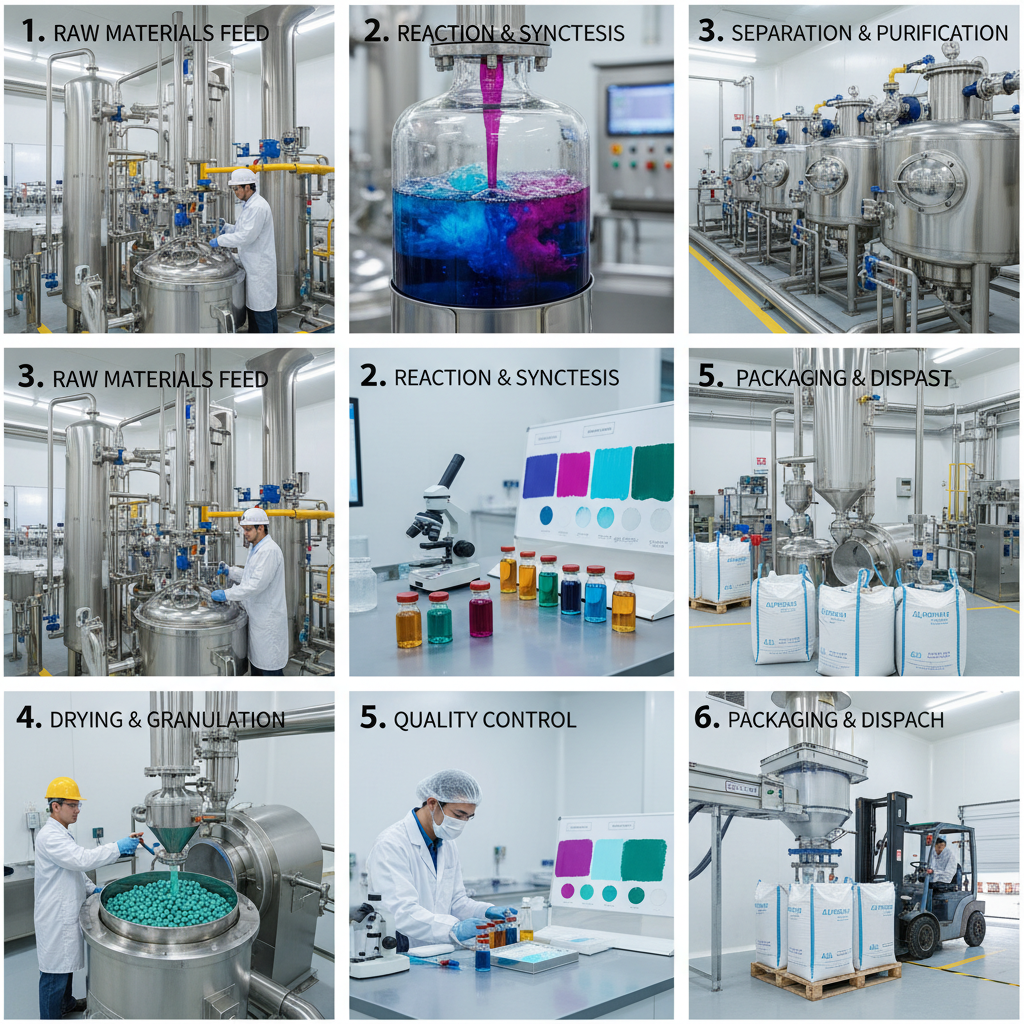
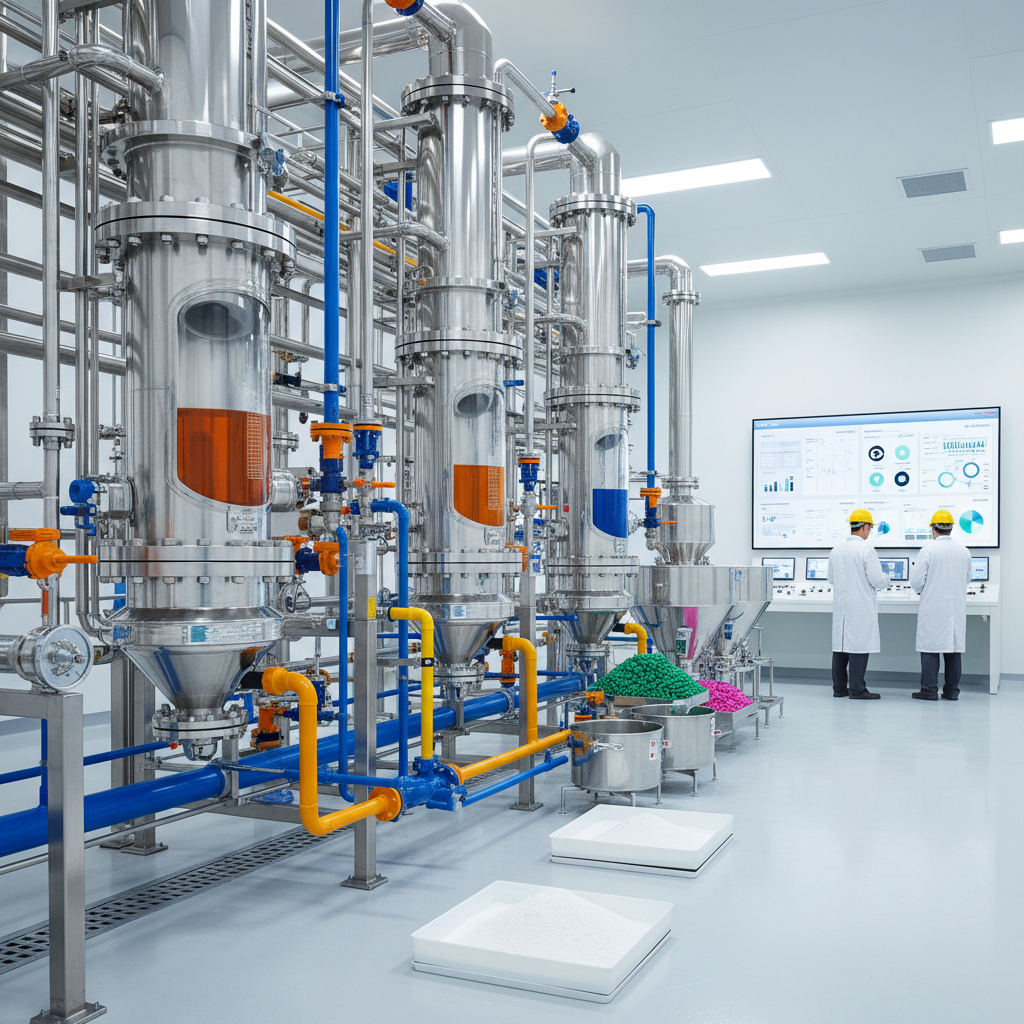
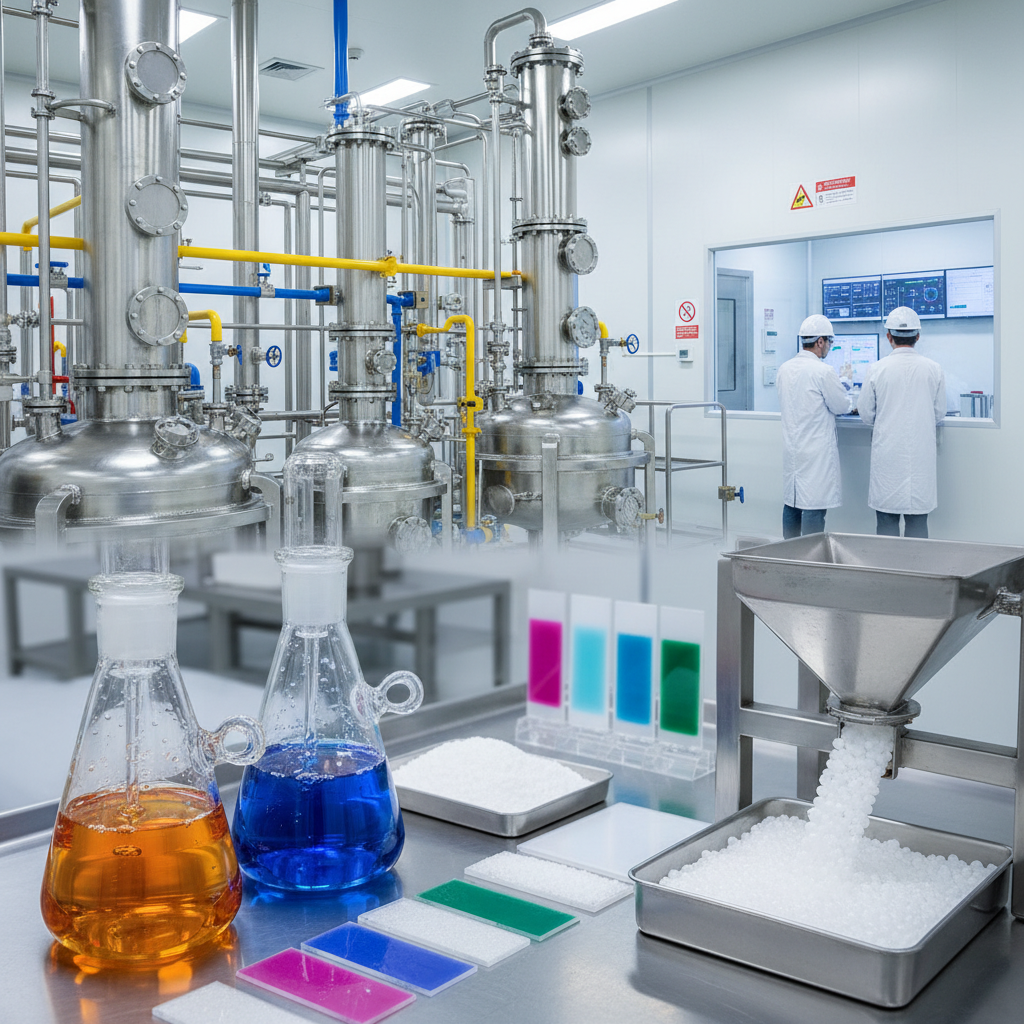
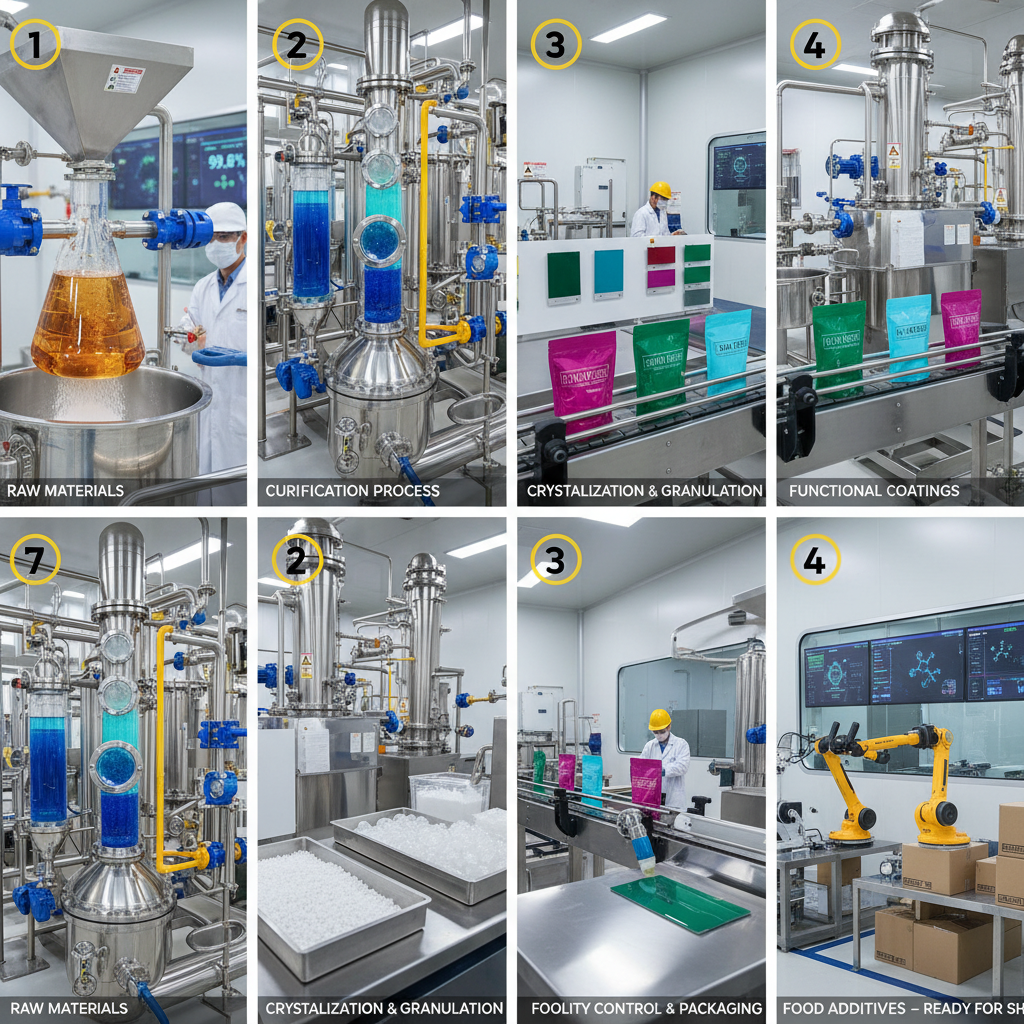
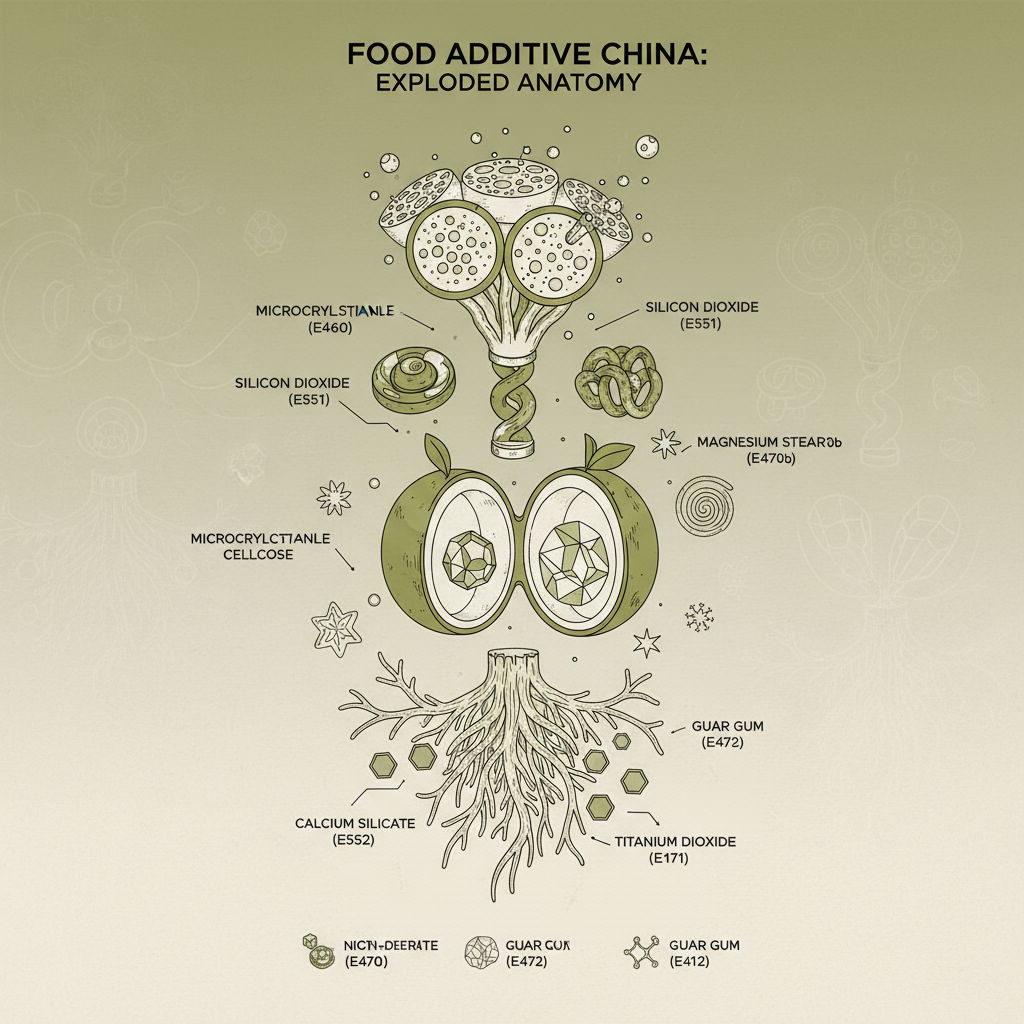
The global food and pharmaceutical landscapes are undergoing a massive transformation, driven by the need for increased shelf-life, nutritional fortification, and consistent product quality. At the heart of this evolution are additive ingredients, which serve as the invisible architects of modern consumption. From the emulsifiers that keep our sauces smooth to the stabilizers that ensure pharmaceutical efficacy, these components are essential for meeting the demands of a growing global population.
Understanding the intricate role of these additives is no longer just for chemists; it is a commercial imperative for manufacturers aiming to optimize cost-efficiency while maintaining high safety standards. As consumer preferences shift toward "clean label" products, the industry is pivoting toward bio-based and natural alternatives. This shift highlights the delicate balance between industrial functionality and the growing demand for transparency in what we ingest.
By leveraging high-quality additive ingredients, companies can reduce food waste, enhance bioavailability in medicine, and ensure that livestock receive precise nutrition. This guide explores the technical dimensions, global applications, and future trajectories of these vital components, providing a comprehensive overview for professionals in the food, feed, and pharmaceutical sectors.
Global Relevance of Additive Ingredients
On a global scale, the demand for additive ingredients is intrinsically linked to food security and health equity. With the UN estimating a global population of nearly 10 billion by 2050, the ability to preserve nutrients and extend the transportability of food is critical. Additives reduce the incidence of spoilage, which currently accounts for a staggering percentage of global caloric loss, thereby stabilizing food prices and availability in developing regions.
Beyond food, these ingredients are pivotal in the pharmaceutical sector as intermediates and excipients, ensuring that life-saving medications remain stable under diverse climatic conditions. The standardization of these materials, governed by ISO and various pharmacopeias, ensures that a drug produced in one continent maintains its potency when administered in another, bridging the gap in healthcare accessibility.
Defining the Scope of Additive Ingredients
In simple terms, additive ingredients are substances added to a product to improve its quality, safety, texture, or longevity. While often viewed with skepticism by the general public, they are scientifically calibrated tools that solve fundamental chemical problems. For instance, in food manufacturing, they prevent the oxidation of fats (antioxidants) or maintain a uniform mixture of oil and water (emulsifiers).
In the context of modern industry, these additives represent the intersection of chemistry and humanitarian need. By fortifying basic grains with essential vitamins and minerals—a process relying heavily on precise additive delivery—global health organizations have successfully combatted widespread malnutrition and deficiency diseases in remote industrial zones.
Furthermore, the scope extends into animal nutrition, where feed additives optimize growth rates and immune responses in livestock. This systemic approach to nutrition reduces the reliance on antibiotics, promoting a more sustainable and ethical agricultural cycle that benefits both the producer and the end consumer.
Core Components of High-Performance Additives
The efficacy of additive ingredients is determined by several key factors, the most prominent being Chemical Stability. This ensures that the additive does not degrade during high-temperature processing or long-term storage, maintaining the integrity of the final product regardless of the environmental stress it encounters.
Bioavailability and Solubility are equally critical, especially in pharmaceutical intermediates. The ability of an additive to facilitate the absorption of an active ingredient in the human body can mean the difference between a failed treatment and a successful recovery. This requires a deep understanding of molecular polarity and particle size distribution.
Finally, Cost-Efficiency and Scalability drive the commercial viability of these components. A high-performing additive is only useful if it can be produced in metric tons with consistent purity levels. This scalability allows manufacturers to implement large-scale fortification and preservation strategies without exponentially increasing the retail price of the product.
Practical Applications Across Global Industries
The deployment of additive ingredients is evident across diverse sectors. In the food industry, hydrocolloids are used to create the desired "mouthfeel" in plant-based meats, allowing the industry to pivot toward sustainable proteins. In pharmaceutical production, pharmaceutical intermediates act as the building blocks for complex synthesis, ensuring that the final drug is pure and potent.
In remote agricultural zones, the use of specialized feed additives has revolutionized livestock health. By incorporating organic acids and enzymes, farmers can improve feed conversion ratios, meaning animals grow faster with less waste, directly impacting the economic stability of rural farming communities.
Efficiency Analysis of Various Additive Ingredients
Long-Term Value and Economic Advantages
Integrating premium additive ingredients offers a profound return on investment. By extending the shelf-life of perishable goods, companies significantly reduce the financial loss associated with expired inventory. This reliability builds trust with retailers and consumers, fostering long-term brand loyalty and a reputation for quality and safety.
From a sustainability perspective, additives play a critical role in the "Green Transition." By allowing for the use of more natural, less processed raw materials that would otherwise spoil quickly, additives enable the industry to move away from artificial preservatives while maintaining the same level of safety and convenience.
Future Trends and Technological Innovations
The future of additive ingredients is being shaped by the digital transformation of chemistry. AI-driven molecular modeling is now allowing scientists to design "smart additives" that activate only under specific conditions, such as a change in pH or temperature, maximizing efficiency and minimizing the amount of substance required in a formula.
Sustainability is the other primary driver. We are seeing a surge in fermentation-based production, where microbes are engineered to produce high-purity additives, reducing the reliance on petrochemical precursors. This shift toward "White Biotechnology" ensures that the additive industry aligns with global carbon neutrality goals.
Furthermore, the integration of nanotechnology is enabling the creation of encapsulated additives. These microscopic shells protect sensitive ingredients from oxidation and ensure a timed release in the body or the product, drastically increasing the bioavailability of pharmaceutical intermediates and the potency of feed supplements.
Overcoming Challenges in Additive Integration
Despite their benefits, the use of additive ingredients faces challenges, primarily regarding consumer perception. The "chemophobia" trend has led to a demand for labels that are easy to understand. The solution lies in educational transparency and the development of natural-equivalent additives that perform the same function but carry a cleaner label.
Regulatory hurdles also pose a challenge, as different regions (FDA, EFSA, etc.) have varying standards for additive approval. This fragmentation can slow down the global launch of innovative products. Expert navigation of these regulatory landscapes, coupled with rigorous third-party testing, is essential for manufacturers to ensure compliance and safety.
Finally, the challenge of consistency in raw material sourcing can lead to batch-to-batch variability. To overcome this, leading manufacturers are implementing blockchain-based traceability systems, ensuring that every gram of additive can be traced back to its source, guaranteeing purity and ethical production.
Analysis of Additive Ingredients Integration Challenges and Solutions
| Challenge Category |
Core Limitation |
Innovative Solution |
Impact Score (1-10) |
| Consumer Perception |
Fear of synthetic labels |
Bio-fermented alternatives |
9 |
| Regulatory Compliance |
Regional standard gaps |
Unified quality certification |
8 |
| Supply Chain |
Raw material impurity |
Blockchain traceability |
7 |
| Technical Stability |
Degradation under heat |
Nano-encapsulation |
10 |
| Cost Management |
High purity premiums |
Continuous flow synthesis |
6 |
| Environmental Impact |
Petrochemical waste |
Green solvent extraction |
9 |
FAQS
High-quality additives are distinguished by their purity levels, particle size consistency, and stability profiles. While generic options may meet basic requirements, premium ingredients ensure that there are no unwanted side reactions during processing, which prevents off-flavors in food or instability in pharmaceutical intermediates. This precision leads to a more predictable end product and lower wastage.
Yes, provided they are approved by recognized regulatory bodies like the FDA or EFSA. These agencies establish Acceptable Daily Intake (ADI) levels based on rigorous toxicological studies. Modern additive ingredients are designed to be metabolized safely by the body or passed through without absorption, serving only their functional purpose in the product's structure or preservation.
Additives such as antioxidants and preservatives inhibit the growth of mold and bacteria and prevent oxidative rancidity. This extends the shelf-life of products, allowing them to be transported over longer distances without spoiling. By reducing the amount of food discarded at the retail and consumer levels, these ingredients play a vital role in global sustainability.
In many cases, yes. Advances in biotechnology, such as the use of rosemary extract as a natural antioxidant or citrus fibers for stabilization, have proven that natural alternatives can match synthetic performance. However, the dosage may differ, and some synthetic options still offer superior heat stability that natural versions are still striving to achieve.
Ensuring purity requires a combination of high-resolution analytical techniques (like HPLC and GC-MS) and strict adherence to Good Manufacturing Practices (GMP). By controlling every variable from the precursor quality to the final filtration process, manufacturers can ensure that pharmaceutical intermediates meet the stringent purity standards required for medical use.
The Clean Label trend is forcing a shift toward ingredients with recognizable names and natural origins. This is driving innovation in the industry to find "functional naturals"—ingredients that provide the same technical benefit as a synthetic chemical but are derived from plants or fermentation, thus satisfying the consumer's desire for simplicity and transparency.
Conclusion
In summary, additive ingredients are the cornerstone of the modern industrial food and pharmaceutical chain. From enhancing the bioavailability of medicines to securing the global food supply through extended preservation, these components provide the technical stability and efficiency required for large-scale production. By focusing on chemical stability, bioavailability, and sustainable sourcing, manufacturers can create products that are not only commercially successful but also socially responsible.
Looking ahead, the industry will continue to move toward a synergistic blend of biotechnology and digital precision. The adoption of "smart" and bio-based additives will redefine the relationship between industrial functionality and consumer health. For businesses looking to stay competitive, the key lies in embracing these innovations and prioritizing transparency. Visit our website for more professional solutions: www.chinaseasoning.com