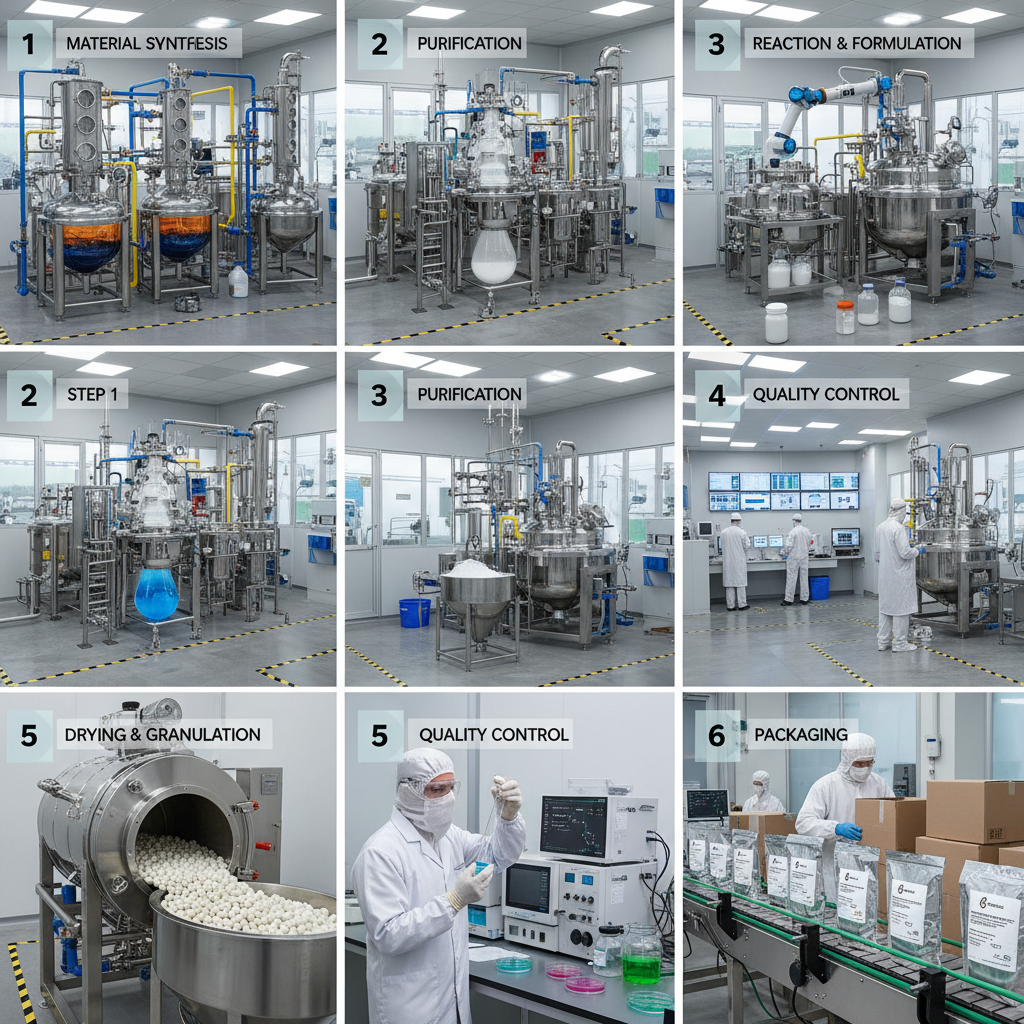
The modern food landscape is a complex tapestry of science and nutrition, leading many consumers to ask: are food additives good or bad for you? As the global population grows and supply chains stretch across continents, the role of additives in preserving freshness and enhancing nutritional profiles has become indispensable for food security. Understanding the nuance between synthetic preservatives and natural enhancers is key to making informed dietary choices in an era of processed convenience.
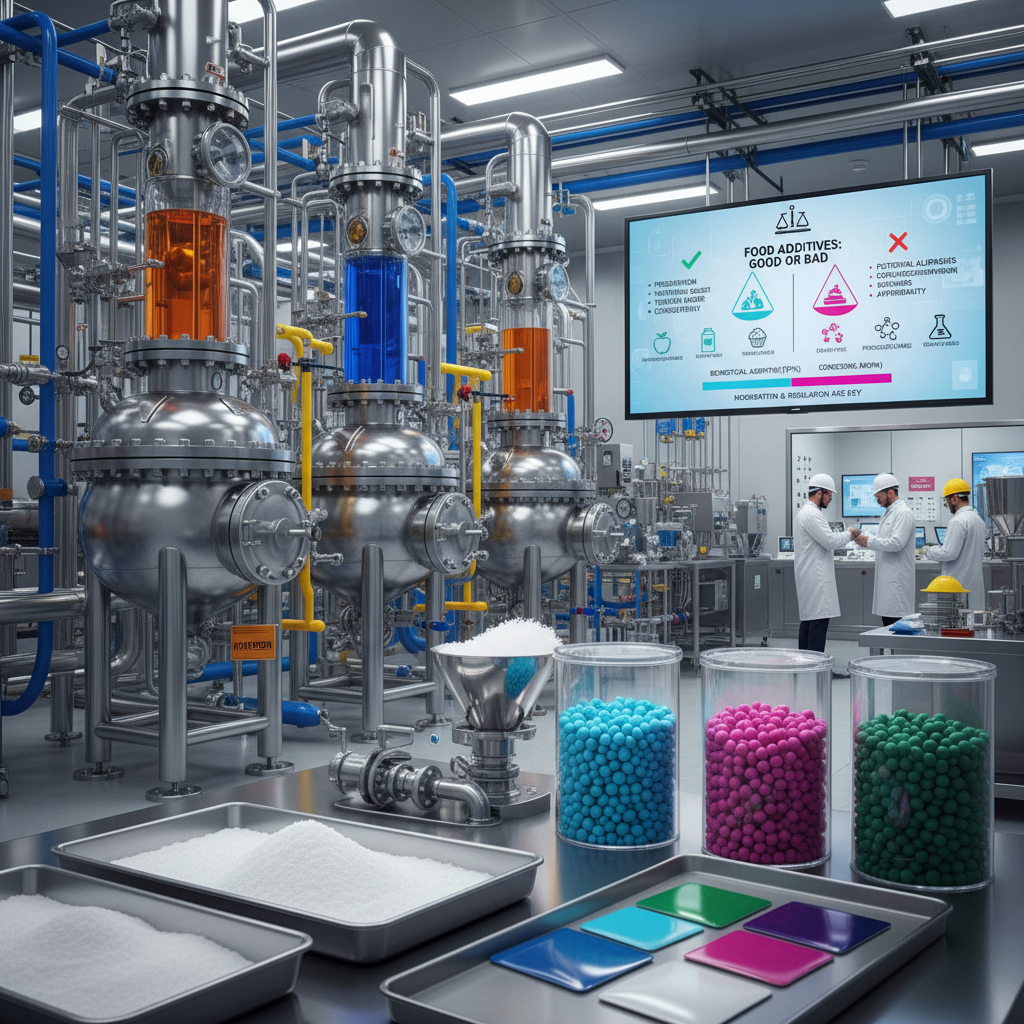
From a technical perspective, the debate over whether food additives are beneficial or harmful often stems from a lack of clarity regarding dosage and regulation. In the food manufacturing industry, additives are not monolithic; they range from essential vitamins and minerals used for fortification to emulsifiers that maintain texture. The goal of modern food science is to balance the logistical necessity of shelf-stability with the biological requirement for clean, health-promoting ingredients.
Ultimately, the answer to whether these substances are "good" or "bad" depends on the specific compound and the individual's health needs. By examining the rigorous safety standards set by global health organizations and the innovative shift toward "clean label" ingredients, we can move past the fear-based narratives and appreciate the functional value that carefully selected additives bring to our global food system.
Global Context of Food Additive Safety
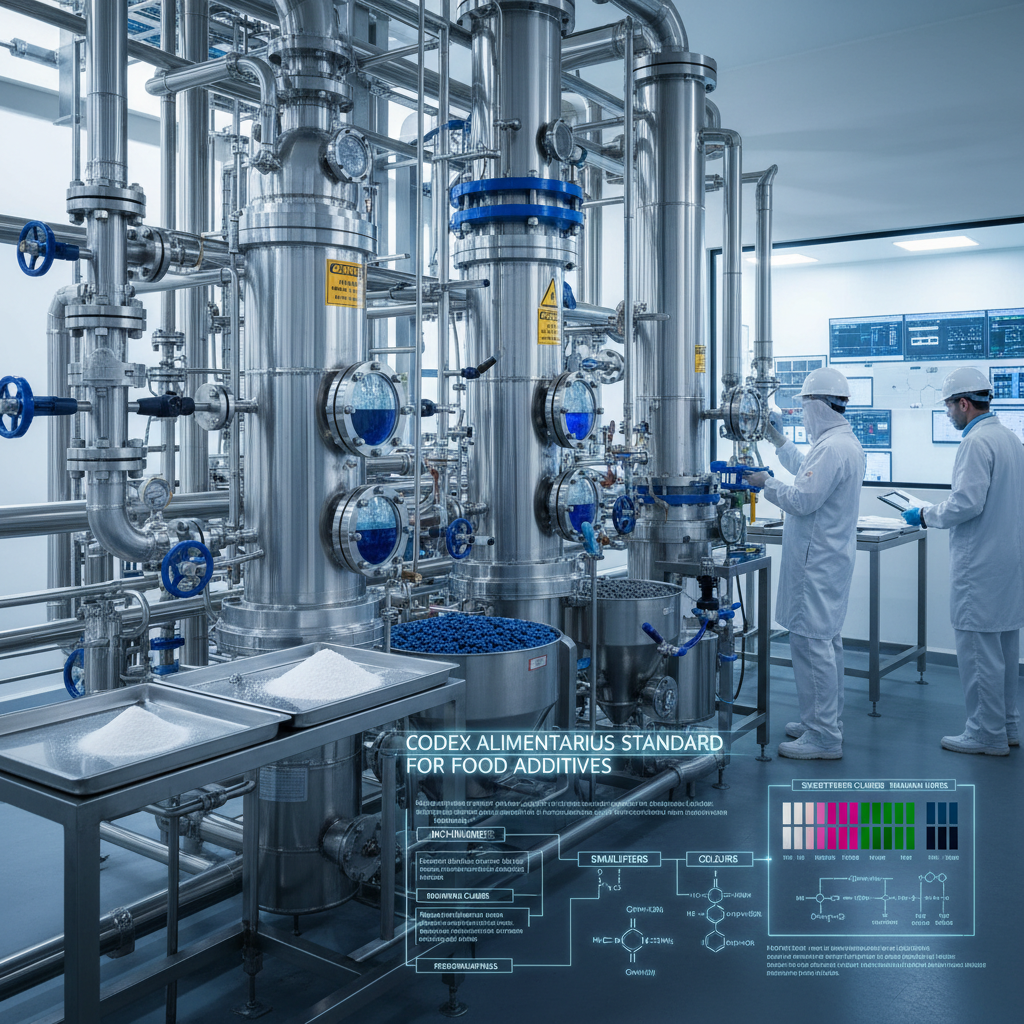
In the global industrial landscape, the question of are food additives good or bad for you is no longer just a consumer curiosity but a regulatory priority. According to guidelines from the WHO and FAO's Joint Expert Committee on Food Additives (JECFA), thousands of substances are rigorously screened to ensure they do not pose a risk to human health at specified levels of intake. This global synchronization ensures that whether a product is manufactured in Asia or Europe, the safety margins remain consistent.
However, the challenge arises in the disparity between industrial capacity and public perception. While ISO standards for food safety prioritize the prevention of contamination and spoilage—tasks that additives perform expertly—many consumers remain skeptical of "chemical" sounding ingredients. This tension drives the industry toward greater transparency and the development of bio-based alternatives that satisfy both safety regulations and consumer desires for natural products.
Defining the Role of Modern Additives
To accurately address whether food additives are good or bad for you, we must first define what they actually are. In the simplest terms, food additives are substances added to food to maintain or improve its safety, freshness, taste, texture, or appearance. They are not a single category of chemicals but a diverse group including naturally occurring substances (like citric acid from citrus fruits) and synthetic compounds designed for specific functional stability.
The connection to modern humanitarian needs is profound. In developing regions where cold-chain logistics are unreliable, additives that prevent lipid oxidation or fungal growth are literally life-saving. By extending the shelf life of staple grains and proteins, these additives reduce food waste and prevent the outbreak of foodborne illnesses, addressing a critical gap in global food distribution.
Furthermore, additives play a crucial role in pharmaceutical intermediates and fortified foods. For instance, adding folic acid to flour or iodine to salt are additive-based strategies that have virtually eliminated specific nutritional deficiency diseases across entire populations. When viewed through this lens, the industrial application of additives is a cornerstone of public health infrastructure.
Core Factors Influencing Health Impact
When analyzing are food additives good or bad for you, the first core factor is Dosage and the ADI (Acceptable Daily Intake). Most additives are perfectly safe when consumed within the ADI, a limit established by toxicologists to ensure that a person can consume the substance daily over a lifetime without any health risk.
The second critical factor is Chemical Purity and Sourcing. The quality of the additive—whether it is a high-purity pharmaceutical-grade compound or a low-grade industrial version—determines its safety profile. This is where professional manufacturing in the additive sector becomes vital, ensuring that no harmful by-products or heavy metals contaminate the final food product.
Finally, Individual Sensitivity must be considered. While a specific preservative may be safe for 99% of the population, a small percentage of people may experience allergic reactions or sensitivities. This is why clear labeling is the most effective solution to the "good or bad" debate, allowing individuals to curate their diets based on their unique biological responses.
Practical Applications and Industry Metrics
In real-world manufacturing, the application of additives is measured by their efficiency in solving specific stability problems. For example, in the production of beverages, acidity regulators ensure a consistent pH level, which not only tastes better but inhibits the growth of pathogens. In the pharmaceutical intermediates sector, precise additive control is required to ensure the bioavailability of active ingredients.
To understand the effectiveness of these substances, the industry often uses a "Functional Value Score" to weigh the benefit of the additive against the perceived risk. This helps manufacturers decide when to use a synthetic option for maximum stability or a natural option for consumer appeal.
Functional Efficiency of Common Food Additive Types
Global Use Cases in Food Security
The practical application of additives is most evident in disaster relief and remote industrial zones. In post-disaster relief operations, where fresh food is unavailable, the use of high-stability additives in "Ready-to-Use Therapeutic Foods" (RUTF) ensures that malnourished children receive calorie-dense, nutrient-fortified meals that do not spoil in tropical heat. In these contexts, the question of whether additives are "bad" is eclipsed by the immediate necessity of survival and nutrition.
Similarly, in the aviation and maritime industries, additives allow for the long-term storage of food supplies during transcontinental journeys. By using antioxidants to prevent rancidity in fats and oils, these industries maintain food safety standards in environments where refrigeration is limited. These use cases demonstrate that additives are not merely about "artificiality" but are critical tools for logistical resilience.
Long-Term Value of Controlled Additives
The long-term value of using controlled additives lies in the intersection of sustainability and affordability. By reducing food spoilage, additives significantly lower the carbon footprint associated with food waste. When we consider that nearly one-third of all food produced globally is lost or wasted, the role of preservatives in extending the "usable window" of a product is a massive victory for environmental sustainability.
From a social perspective, additives democratize access to nutrition. They allow for the production of affordable, fortified foods that provide essential vitamins to low-income populations who cannot afford a diet consisting solely of fresh, organic produce. This creates a baseline of health and dignity, ensuring that basic nutritional needs are met regardless of socioeconomic status.
Ultimately, the trust between the manufacturer and the consumer is built on transparency. When additives are used responsibly, they provide the reliability and safety required for a modern, urbanized society to function. The innovation in this field is moving toward "cleaner" additives that provide the same technical benefits without the synthetic stigma.
Future Trends in Additive Innovation
The future of the industry is shifting toward "Green Chemistry," where the goal is to find natural alternatives that match the performance of synthetic additives. We are seeing a surge in the use of plant-derived extracts, such as rosemary extract for oxidation control or celery powder for curing. This transition addresses the consumer query of are food additives good or bad for you by moving toward ingredients that are biologically familiar and easily metabolized.
Digital transformation is also playing a role. Through the use of AI and molecular modeling, scientists can now predict how an additive will interact with specific food matrices before it ever hits the production line. This precision reduces the need for trial-and-error testing and allows for the creation of "tailored additives" that are more effective at lower concentrations, further increasing the safety margin for the consumer.
Furthermore, automation in the manufacturing of pharmaceutical intermediates and food additives ensures a level of purity that was previously impossible. This eliminates the risk of contaminants, transforming the perception of additives from "industrial chemicals" to "precision nutritional tools."
Comparative Analysis of Natural vs. Synthetic Additive Performance
|
Additive Type
|
Stability Score (1-10)
|
Consumer Perception
|
Primary Application
|
|
Synthetic Antioxidants
|
10
|
Low/Skeptical
|
Processed Oils
|
|
Plant-Based Extracts
|
7
|
High/Positive
|
Organic Snacks
|
|
Mineral Fortificants
|
9
|
Neutral/Essential
|
Cereals & Flour
|
|
Natural Emulsifiers
|
6
|
High/Positive
|
Dairy Alternatives
|
|
Synthetic Preservatives
|
10
|
Low/Skeptical
|
Canned Goods
|
|
Bio-fermented Acidulants
|
8
|
High/Positive
|
Beverages
|
FAQS
Yes, the vast majority of food additives approved by bodies like the FDA and EFSA are safe for long-term consumption when used within the Acceptable Daily Intake (ADI). These limits are set with a significant safety buffer to ensure that even high-consumers of processed foods remain within safe biological thresholds. However, a balanced diet focusing on whole foods is always recommended to minimize excessive intake of any single additive.
Natural additives are derived from nature (plants, animals, or minerals), such as ascorbic acid (Vitamin C) or lecithin from soy. Artificial additives are synthesized in a lab to mimic a natural function or create a new one, such as aspartame. While "natural" sounds better, the safety of an additive depends on its chemical structure and purity, not just its origin. Some synthetic additives are actually more stable and safer than their natural counterparts.
Some individuals may have specific sensitivities to certain additives, such as sulfites or certain artificial food dyes. While widespread links to hyperactivity are debated, some regulatory bodies suggest caution with specific synthetic colors in children's foods. This is why transparent labeling is crucial; it allows parents and individuals with known sensitivities to avoid specific triggers while still benefiting from the safety and nutrition other additives provide.
Refrigeration slows down spoilage but does not stop it. Additives provide a secondary layer of defense against pathogens like Clostridium botulinum (which can grow even in cold environments) and prevent chemical degradation like oxidation. Additionally, additives manage texture and flavor consistency, which refrigeration cannot do. They ensure that food remains safe and palatable throughout the entire supply chain, from the factory to the home fridge.
First, check for "E-numbers" or specific chemical names. Most are safe, but if you have a known allergy (e.g., to sulfites), look for those specific terms. A good rule of thumb is to look for "clean labels"—lists that are shorter and use recognizable ingredients. However, remember that a long list doesn't always mean "bad," as it may include essential vitamins and minerals used for fortification.
In most cases, additives do not reduce nutritional value; in fact, many increase it. Fortificants like iodine, iron, and Vitamin D are additives specifically designed to improve public health. While some preservatives might slightly alter the profile of a food, the trade-off is usually a massive increase in safety and a reduction in waste, which indirectly supports better global nutritional access.
Conclusion
When we examine the evidence, the question of are food additives good or bad for you reveals a nuanced truth: they are essential tools of modern civilization. From ensuring the safety of global food shipments to fortifying staples for malnourished populations, controlled additives provide a level of security and accessibility that was impossible in the pre-industrial era. While individual sensitivities and the desire for "natural" diets are valid, the scientific consensus supports the safety and utility of regulated additives.
Looking forward, the industry is evolving toward a more transparent, bio-based future. By integrating green chemistry and precision manufacturing, we can maintain the high safety standards of synthetic additives while meeting the consumer demand for cleaner labels. For manufacturers and consumers alike, the goal should be "informed balance"—leveraging the technical benefits of additives while prioritizing whole-food nutrition. To learn more about high-quality, safe additive solutions, visit our website: www.chinaseasoning.com