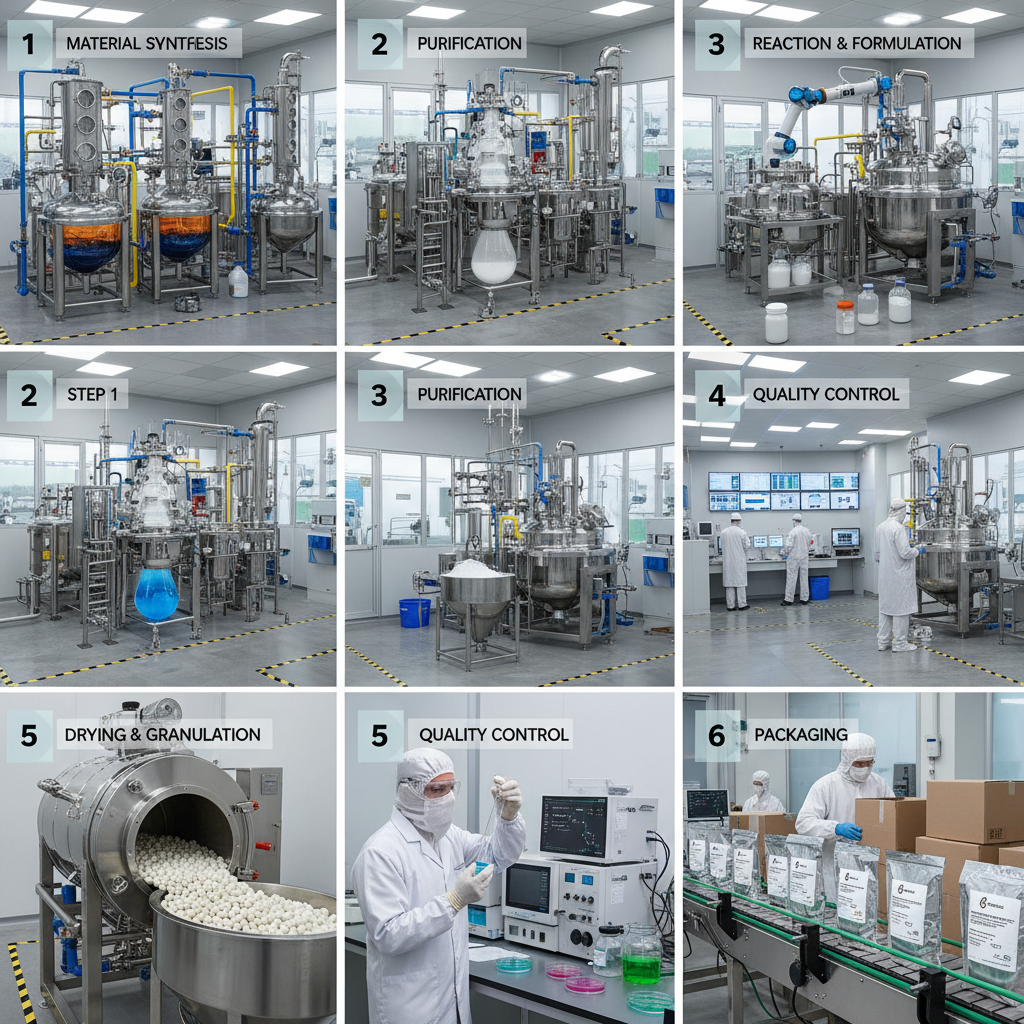
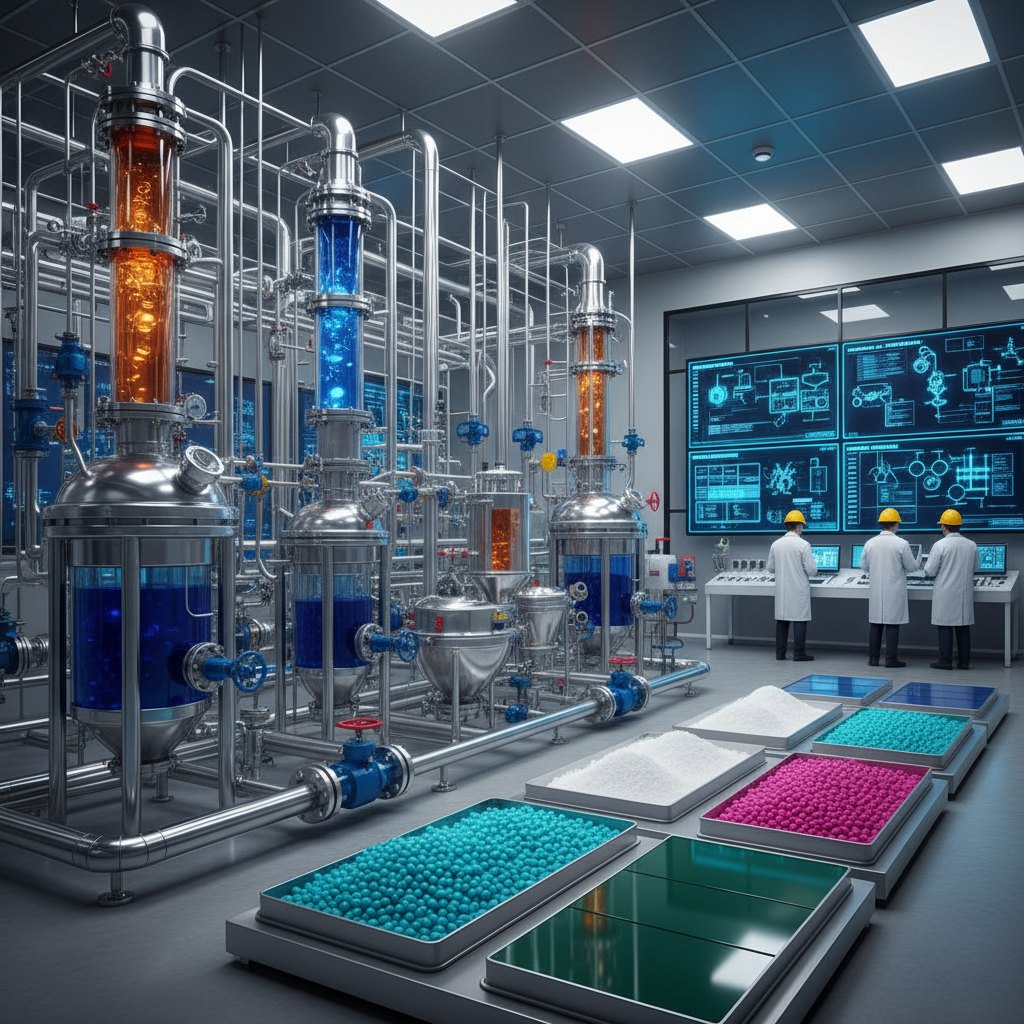
Artificial flavouring agents play a crucial role in the modern food industry, impacting everything from the taste of everyday snacks to the palatability of processed foods. These compounds, created synthetically, mimic natural flavors, offering a cost-effective and consistent way to enhance food products. Understanding their use, regulation, and potential impact is vital for consumers, food manufacturers, and regulatory bodies alike. The increasing global demand for diverse and affordable food options fuels the continued innovation and reliance on artificial flavouring agents.
The global market for flavouring agents, including both natural and artificial varieties, is substantial and growing. According to recent reports, the flavour and fragrance market was valued at over $30 billion in 2023 and is projected to reach $40 billion by 2028. This growth is driven by factors such as changing consumer preferences, increasing demand for convenience foods, and expansion of the processed food industry in emerging economies. These agents address the challenge of providing consistent flavour profiles regardless of seasonal variations or geographical sourcing limitations.
The complexities surrounding artificial flavouring agents, including public perception and evolving regulations, necessitate a comprehensive understanding of their science, applications, and safety assessments. Addressing misinformation and promoting transparency are key to fostering trust and enabling informed consumer choices, which directly relates to food security and public health on a worldwide scale.
Introduction to Artificial Flavouring Agents
Artificial flavouring agents represent a significant innovation in food science, enabling the creation of consistent and desirable taste experiences. These compounds are designed to replicate or enhance naturally occurring flavours, offering a versatile solution for food manufacturers seeking to meet consumer demands for a wide range of tastes and aromas. The precise control offered by artificial flavouring agents is a major benefit.
The impact extends beyond simply mimicking natural flavors; it allows for the creation of entirely new flavour profiles, expanding the possibilities of culinary innovation. This is particularly important in a globalized food system where consumers are exposed to a diverse array of tastes and expect consistent quality regardless of origin.
Defining Artificial Flavouring Agents
Artificial flavouring agents are chemical compounds synthesized in a laboratory to mimic the taste or aroma of natural substances. Unlike natural flavourings derived directly from plant or animal sources, artificial flavourings are created through chemical processes. These agents do not necessarily have a direct counterpart found in nature, allowing for unique and novel flavour creation. Their purpose is to provide a consistent flavour profile, independent of sourcing and seasonal variations.
This distinction is crucial from a regulatory perspective, as artificial flavourings are subject to rigorous safety assessments before being approved for use in food products. Organizations like the FDA and EFSA play a vital role in evaluating the safety of these compounds, ensuring they meet strict standards for human consumption.
The creation of artificial flavouring agents is intrinsically linked to modern industry, offering solutions to logistical and economic challenges in food production, and addressing the humanitarian need for palatable and nutritious food options even in challenging circumstances.
Key Characteristics of Artificial Flavouring Agents
One key characteristic is Consistency. Artificial flavours deliver a uniform taste profile, unaffected by growing conditions, harvest times, or processing variations that impact natural flavours. This reliability is highly valued by food manufacturers who need consistent product quality.
Cost-Effectiveness is another significant factor. Producing artificial flavourings is generally less expensive than extracting and purifying natural flavour compounds, making them accessible for a wider range of food products and consumer budgets. This price advantage is a major driver of their widespread use.
Stability refers to their ability to withstand processing and storage conditions. Artificial flavourings are often more stable than their natural counterparts when exposed to heat, light, or acidity, ensuring the flavour remains intact throughout the product's shelf life. This stability directly impacts the final product’s quality and appeal.
Practical Applications Across Industries
Artificial flavouring agents find widespread application in the food and beverage industry, including snacks, baked goods, confectionery, soft drinks, and processed foods. They enable manufacturers to create appealing flavour combinations and maintain consistent taste profiles across large-scale production. These agents are vital to providing desired flavors in products where natural sourcing is impractical or prohibitively expensive.
Beyond food, artificial flavouring agents are utilized in the pharmaceutical industry to mask unpleasant tastes in medications, improving patient compliance. They’re also found in personal care products like toothpaste and mouthwash, contributing to a more palatable experience.
Application Areas of Artificial Flavouring Agents
Advantages and Long-Term Value
The primary advantage of artificial flavouring agents lies in their ability to provide cost-effective and consistent flavour solutions. This is particularly crucial in large-scale food production, where maintaining a uniform taste profile across batches is paramount. Furthermore, the development of artificial flavours allows for the creation of novel tastes that are not naturally occurring, expanding the culinary landscape.
The long-term value extends to increased food accessibility and affordability. By reducing production costs, these agents contribute to lower retail prices, making a wider range of food products available to consumers. This also fosters innovation in the food industry, encouraging the development of new and exciting flavour combinations.
Future Trends and Innovations
Ongoing research focuses on developing “natural-identical” artificial flavours—compounds chemically identical to those found in nature but produced through synthesis. This approach aims to address consumer concerns about the artificial nature of these agents while retaining their advantages in terms of cost and consistency.
Biotechnology and fermentation are emerging technologies that offer potential for creating flavour compounds more sustainably. These methods utilize microorganisms to produce flavours, reducing reliance on traditional chemical synthesis. The use of artificial intelligence and machine learning is also accelerating the discovery and optimization of new flavour compounds.
Regulatory scrutiny is also a key trend, with increasing emphasis on transparency and labeling requirements to empower consumers to make informed choices.
Challenges and Potential Solutions
One significant challenge is public perception, with some consumers expressing concerns about the safety and health effects of artificial flavouring agents. Addressing these concerns requires transparent communication, robust scientific research, and clear labeling regulations. The industry needs to proactively engage in dialogue with consumers to build trust.
Another challenge lies in the complexity of flavour perception, which is influenced by a multitude of factors beyond just the chemical compounds themselves. Developing flavours that consistently deliver the desired experience across different cultural contexts and individual preferences requires sophisticated sensory science and flavour profiling techniques.
Finally, the increasing demand for sustainable and environmentally friendly production methods necessitates exploring alternative sources and processes for creating artificial flavouring agents, such as utilizing bio-based feedstocks and minimizing waste generation.
Summary of Key Challenges and Potential Solutions Related to Artificial Flavouring Agents
| Challenge |
Impact on Industry |
Potential Solution |
Implementation Timeline |
| Negative Public Perception |
Erosion of Consumer Trust, Reduced Demand |
Transparent Communication & Independent Safety Reviews |
Short-Term (1-2 years) |
| Flavor Profile Consistency |
Variations in Taste Experience Across Regions |
Advanced Sensory Analysis & Regional Customization |
Medium-Term (3-5 years) |
| Sustainability of Production |
Environmental Concerns & Resource Depletion |
Bio-Based Feedstocks & Circular Economy Models |
Long-Term (5-10 years) |
| Regulatory Compliance |
Increased Costs & Potential Trade Barriers |
Harmonization of Global Standards & Proactive Compliance |
Ongoing |
| Supply Chain Vulnerabilities |
Disruptions in Raw Material Availability |
Diversification of Sourcing & Local Production |
Medium-Term (3-5 years) |
| Cost Pressure |
Competition and the need for low price |
Process Optimization & Innovation |
Ongoing |
FAQs
Yes, artificial flavouring agents undergo rigorous testing and evaluation by regulatory bodies like the FDA and EFSA before being approved for use in food. These agencies establish acceptable daily intake levels based on scientific research to ensure consumer safety. It’s important to note that “artificial” doesn’t necessarily equate to “unsafe”; it refers to how the flavour is created, not its inherent toxicity. The safety profiles of approved artificial flavouring agents are continuously monitored.
Natural flavours are derived directly from plant or animal sources, while artificial flavours are synthesized chemically. However, the chemical structures of some artificial flavours are identical to those found in nature. The key difference lies in the origin and production method. Natural flavours can be more expensive and subject to supply fluctuations, while artificial flavours offer consistency and cost-effectiveness.
While rare, allergies to artificial flavouring agents are possible, though significantly less common than allergies to natural food substances. If someone suspects an allergy, they should consult with a healthcare professional. Labeling regulations require manufacturers to disclose the presence of common allergens. It is crucial to carefully review ingredient lists if you have known sensitivities.
Artificial flavours are regulated by government agencies such as the Food and Drug Administration (FDA) in the United States and the European Food Safety Authority (EFSA) in Europe. These agencies evaluate the safety of artificial flavouring agents through extensive testing and establish acceptable daily intake (ADI) levels. Manufacturers must adhere to these regulations and provide detailed information about the ingredients used in their products.
Generally, yes. Regulations require that any flavouring agent not derived from a natural source be labeled as "artificial flavour" or "artificial flavoring." However, complex flavour mixtures may sometimes be listed under a broader category, like “flavourings.” Consumers seeking detailed information should consult the manufacturer directly.
Artificial flavours themselves do not inherently add nutritional value. However, they can make healthier but less palatable foods more appealing, encouraging greater consumption of nutrient-rich options. For example, adding a flavour to a low-sugar yogurt can make it more enjoyable, prompting consumers to choose a healthier alternative. The function is to enhance taste rather than provide vitamins or minerals.
Conclusion
In summary, artificial flavouring agents play a vital role in the modern food system, providing cost-effective, consistent, and versatile flavour solutions. Despite ongoing discussions regarding consumer perception and regulatory oversight, these compounds continue to be essential for ensuring food accessibility, affordability, and innovation. Understanding their science, applications, and safety assessments is paramount for all stakeholders in the food industry.
Looking ahead, continued research and development focused on sustainable production methods, enhanced transparency, and consumer education will be critical for fostering trust and ensuring the long-term viability of artificial flavouring agents. By embracing innovation and prioritizing safety, we can harness the benefits of these compounds while addressing any potential concerns. Visit our website: www.chinaseasoning.com for more information.