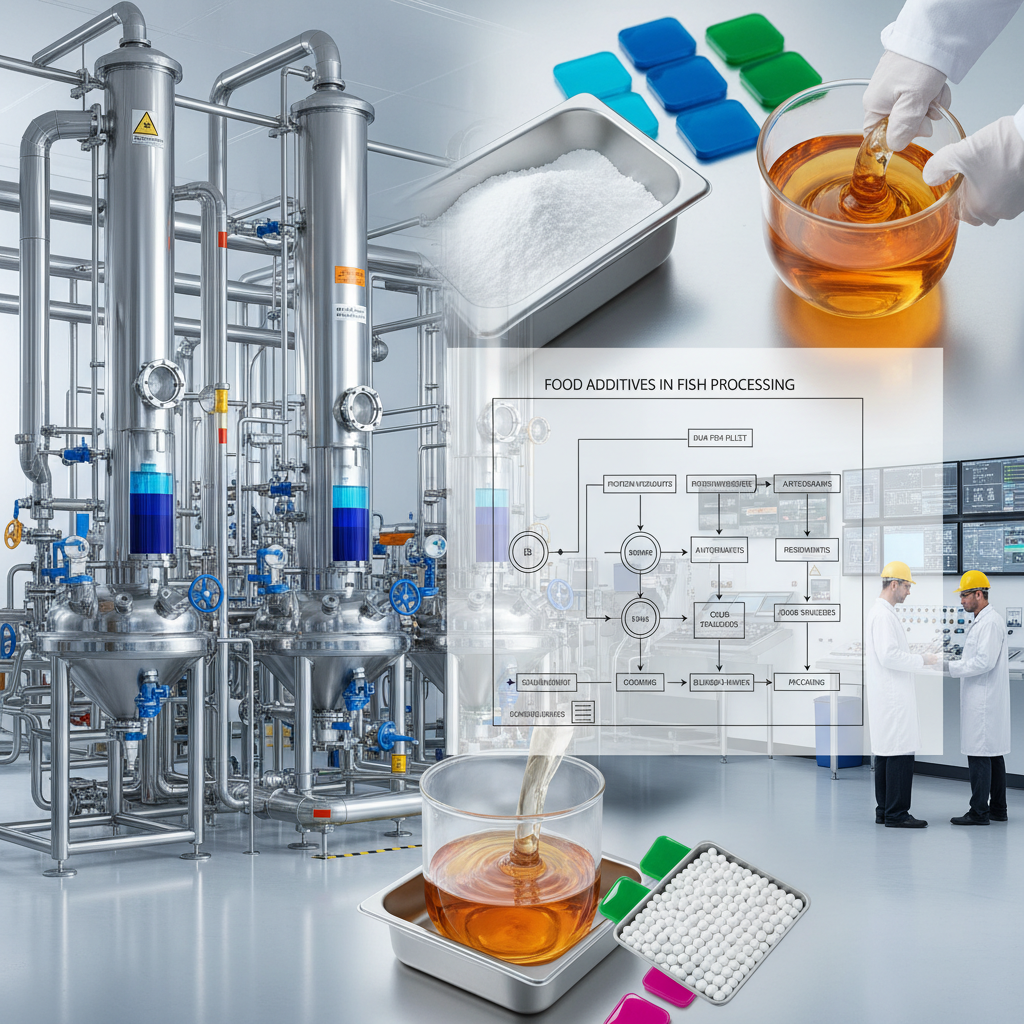
The global seafood industry faces a constant battle against rapid spoilage, making the strategic use of food additives in fish processing an essential component of modern food security. By integrating precise chemical and natural stabilizers, processors can significantly extend shelf life while maintaining the nutritional integrity of the catch. Understanding these additives is not merely a matter of chemistry, but a critical step in reducing global food waste and ensuring consumer safety across diverse markets.
From a commercial perspective, the application of these substances allows for the stabilization of textures and flavors that are otherwise lost during freezing or canning. As the demand for convenience foods and ready-to-eat seafood rises, the industry relies on sophisticated formulations to prevent oxidation and microbial growth. This balance between preservation and freshness is what defines the success of high-value seafood exports in today's competitive landscape.
Ultimately, the goal of utilizing food additives in fish processing is to bridge the gap between the point of harvest and the consumer's plate. By leveraging the latest advancements in food science, manufacturers can provide a consistent, safe, and high-quality product that meets rigorous international health standards. This guide explores the technical nuances and strategic applications of these vital components in the seafood supply chain.
Global Relevance of Food Additives in Fish Processing
On a global scale, the seafood industry is under immense pressure to optimize yield and minimize post-harvest losses. According to data aligned with FAO guidelines, a significant percentage of fish products are wasted due to inadequate preservation methods. The implementation of food additives in fish processing addresses this challenge by inhibiting the rapid enzymatic breakdown and lipid oxidation that typically occurs in fatty fish species.
The economic implications are profound; by stabilizing the product, exporters in Southeast Asia and Scandinavia can reach markets in North America and East Asia without compromising quality. This globalization of the seafood trade is only possible through the rigorous application of preservatives and antioxidants that ensure the product remains safe for consumption throughout long-haul logistics.
Defining the Role of Additives in Seafood Stabilization
In simple terms, food additives in fish processing are substances added to fish products to maintain or improve their safety, freshness, taste, texture, or appearance. These range from simple salts and phosphates to complex antioxidants and antimicrobial agents. Unlike general food preservatives, those used in fish must account for the high water content and delicate protein structure of marine proteins.
Modern industry views these additives not as "artificial fillers," but as critical tools for humanitarian needs. By preventing the growth of pathogens like Listeria or Clostridium botulinum, these additives directly protect public health. They enable the production of affordable, protein-rich seafood for populations in landlocked regions where fresh catch is otherwise unavailable.
Furthermore, the connection to sustainability is clear: by extending the usable life of a catch, we reduce the need for overfishing to compensate for spoilage losses. This creates a more circular and efficient food system where every kilogram of harvested fish can be utilized to its maximum potential.
Core Components for Quality Maintenance
One of the primary factors in the efficacy of food additives in fish processing is Water Holding Capacity (WHC). By using polyphosphates, processors can prevent the "drip loss" that occurs during thawing, ensuring the fish remains juicy and retains its weight, which is crucial for both quality and commercial pricing.
Oxidative Stability is another critical component. Because fish are rich in omega-3 polyunsaturated fatty acids, they are highly susceptible to rancidity. The use of antioxidants, such as tocopherols or ascorbic acid, prevents the development of "fishy" off-flavors, thereby extending the sensory shelf life and maintaining the nutritional value of the lipids.
Lastly, Microbial Inhibition focuses on the use of organic acids and curing agents. These additives lower the pH or create an osmotic environment that is hostile to spoilage bacteria. This allows for a safer "window" for distribution and provides an essential layer of protection in the cold chain, where temperature fluctuations can otherwise lead to rapid bacterial proliferation.
Practical Efficiency and Performance Metrics
When evaluating the success of food additives in fish processing, industry experts look at specific performance metrics. The most critical are the rate of lipid oxidation (measured by TBARS values) and the retention of myofibrillar proteins. A high-performing additive system should maximize texture retention while minimizing the chemical residue left in the final product.
Cost-efficiency is also a driving factor. Processors must balance the cost of premium additives against the reduction in spoilage rates. A slight increase in additive cost is often offset by a dramatic reduction in product returns and waste, leading to a higher net profit margin per ton of processed seafood.
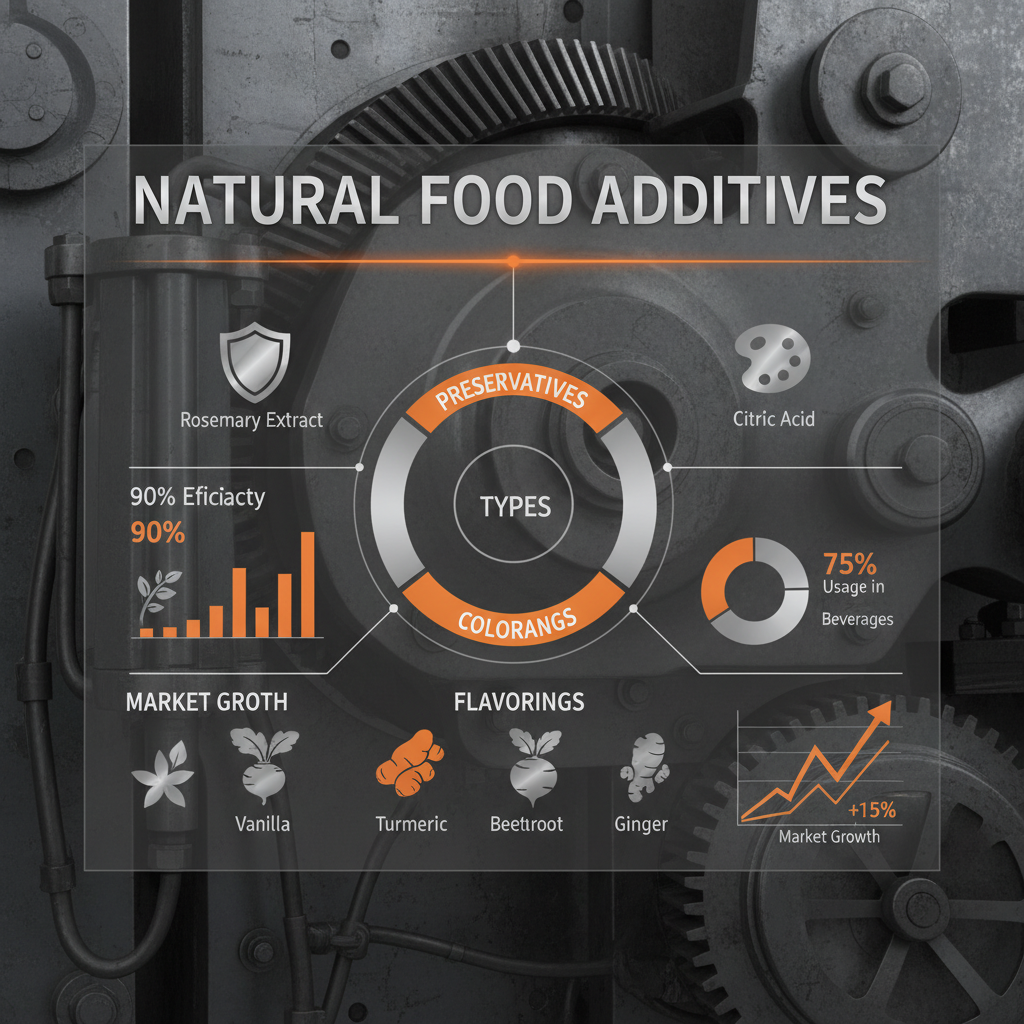
Efficacy Rating of Food Additives in Fish Processing Methods
Global Applications and Industrial Use Cases
In real-world contexts, the application of food additives in fish processing varies by region and product type. For instance, in the Norwegian salmon industry, specific antioxidants are used to maintain the vivid orange color of the flesh and prevent the "greyish" hue caused by oxidation during long-term frozen storage. This ensures the product meets the aesthetic standards of high-end retail markets.
In the surimi industry of Japan and Korea, cryoprotectants like sucrose and sorbitol are added to fish mince to prevent protein denaturation during freezing. This allows the fish to be reshaped into imitation crab or fish balls with a springy texture that consumers expect. These industrial zones have perfected the blend of additives to maximize scalability and consistency across millions of units.
Long-Term Value and Economic Advantages
The long-term value of investing in high-quality additives extends beyond simple preservation. It builds brand trust and consumer confidence. When a customer buys a frozen fillet that tastes as fresh as the day it was caught, they are experiencing the logical outcome of a well-executed additive strategy. This reliability translates into long-term customer loyalty and the ability to command premium pricing.
From a sustainability angle, the use of these additives is a social imperative. By reducing the volume of spoiled seafood that ends up in landfills—where it would otherwise release methane—the industry contributes to a lower carbon footprint. This alignment with "Green" goals makes the processing plant more attractive to ESG-focused investors and regulatory bodies.
Moreover, the innovation in additive blends allows for the utilization of "by-catch" or lower-grade fish, which can be processed into high-value protein concentrates. This maximizes the utility of every marine resource, ensuring that the industry operates with a philosophy of dignity toward the environment and efficiency toward the economy.
Future Innovations in Seafood Preservation
The future of food additives in fish processing is moving toward "Clean Label" solutions. There is a growing demand for natural alternatives to synthetic phosphates and nitrites. We are seeing a shift toward plant-derived extracts, such as rosemary oil and green tea polyphenols, which offer potent antioxidant properties without the need for chemical additives on the ingredient list.
Digital transformation is also playing a role. Smart-packaging integrated with additive-release systems can now deploy preservatives only when a specific temperature threshold is crossed, preventing premature degradation. This "precision preservation" reduces the total amount of additives needed while increasing the overall efficacy of the system.
Automation in the dosing of these additives ensures that every batch of fish receives the exact micro-gram dosage required, eliminating human error and ensuring strict compliance with FDA and EFSA regulations. The synergy between biotechnology and automation is set to redefine how we stabilize the world's seafood supply.
Comparative Analysis of Additive Types in Fish Processing
| Additive Category |
Primary Function |
Impact on Texture |
Efficiency Score (1-10) |
| Polyphosphates |
Water Retention |
Prevents shrinkage |
9 |
| Tocopherols |
Lipid Stabilization |
Minimal effect |
8 |
| Sodium Erythorbate |
Color Preservation |
Maintains firmness |
7 |
| Citric Acid |
pH Control |
Slight softening |
6 |
| Sorbitol |
Cryoprotection |
Prevents ice crystals |
10 |
| Potassium Sorbate |
Mold Inhibition |
No change |
7 |
FAQS
Yes, provided they are used within the limits set by regulatory bodies such as the FDA or EFSA. Most additives used in fish processing, like phosphates or organic acids, are GRAS (Generally Recognized as Safe). Their primary role is to prevent the growth of dangerous bacteria and the formation of toxic oxidation products, which actually increases the overall safety of the food supply.
Polyphosphates are the industry standard for improving water-holding capacity. They work by modifying the protein structure of the fish muscle, allowing it to hold more water during the freezing and thawing cycle. This prevents the fish from becoming dry and rubbery, ensuring a premium texture for the end consumer.
Absolutely. There is a strong trend toward using rosemary extract, green tea extract, and tocopherols to replace synthetic antioxidants like BHA or BHT. While natural extracts may require slightly higher dosages to achieve the same stability, they are highly preferred by "clean label" consumers and offer excellent results in fatty fish like salmon and mackerel.
Cryoprotectants, such as sugar or sorbitol, work by lowering the freezing point of the water within the fish protein matrix. This prevents the formation of large ice crystals that would otherwise puncture the protein cell walls. The result is a smooth, cohesive paste that can be shaped and cooked without losing its structural integrity.
In most cases, they protect the nutritional value. For example, antioxidants prevent the oxidation of omega-3 fatty acids, ensuring that the heart-healthy fats remain intact. While some additives focus on texture, they do not displace the core vitamins and minerals present in the fish fillet.
The key is rigorous documentation and the use of certified food-grade additives. We recommend implementing a HACCP (Hazard Analysis and Critical Control Points) plan and regularly auditing your additive dosages against the Codex Alimentarius standards to ensure seamless international export capabilities.
Conclusion
The strategic implementation of food additives in fish processing is the cornerstone of a sustainable and safe seafood supply chain. By addressing the critical challenges of lipid oxidation, moisture loss, and microbial spoilage, these additives transform a highly perishable raw material into a stable, high-value commercial product. From the use of polyphosphates for texture to natural antioxidants for flavor, the synergy of these components ensures that global consumers have access to high-quality protein regardless of their geographic location.
Looking forward, the industry must continue to embrace the transition toward clean-label and bio-based preservatives to meet evolving consumer demands. By integrating these innovations with automated dosing and smart logistics, seafood processors can further reduce waste and enhance the environmental viability of their operations. For those seeking to optimize their processing efficiency and product quality, exploring advanced additive formulations is the most effective path toward long-term market leadership. Visit our website: www.chinaseasoning.com