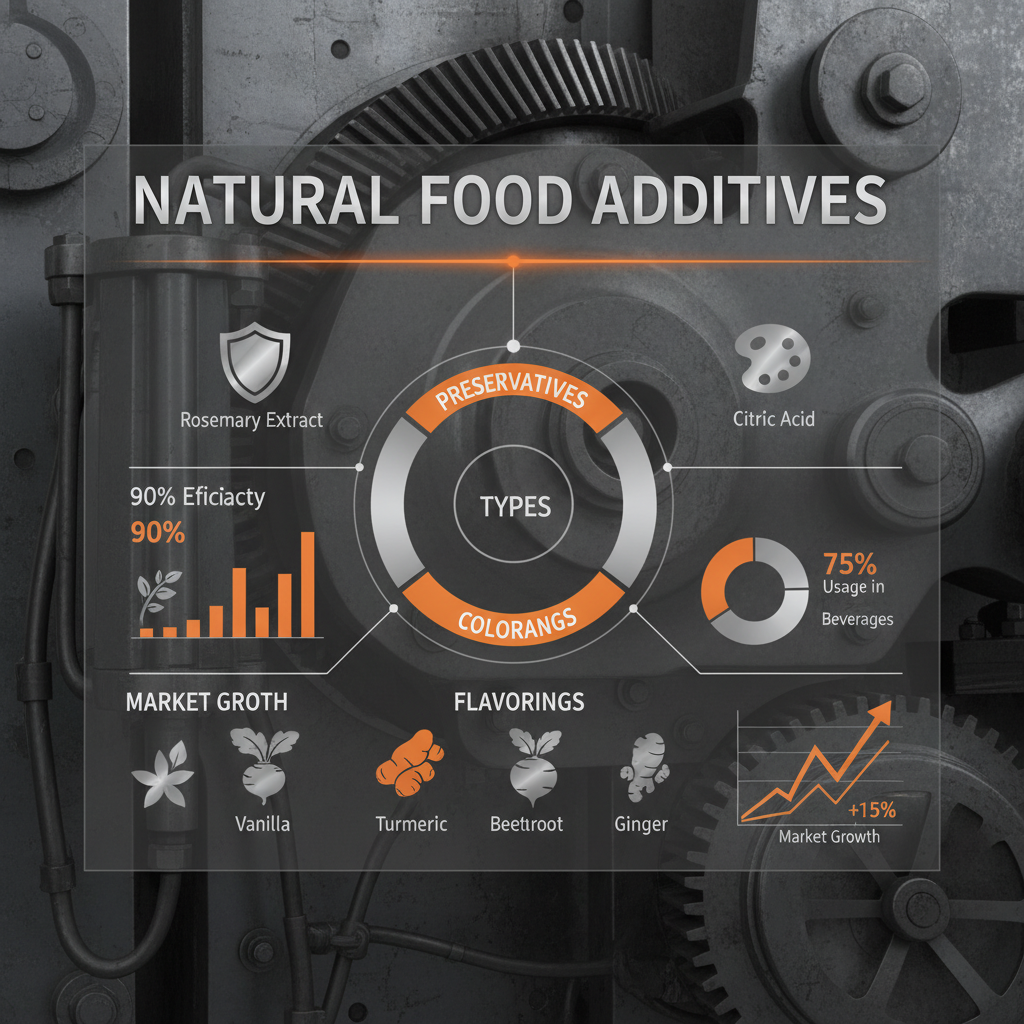
Natural food additives are substances added to food to preserve flavor or enhance its taste, appearance, or other qualities. These additives, unlike their synthetic counterparts, are derived from natural sources – plants, animals, and minerals. Understanding the various types of natural food additives is crucial in today’s food industry, as consumers increasingly demand cleaner labels and healthier options. The global shift towards natural ingredients impacts everything from product development to supply chain management.
The relevance of natural food additives extends globally, driven by growing health consciousness and regulatory changes. According to the UN, consumer demand for natural and organic products is a key trend impacting the global food market. The ISO standards increasingly emphasize traceability and safety in food production, necessitating a detailed understanding of additive origins and properties. Addressing concerns about artificial additives and their potential health effects is a primary driver for innovation in this sector.
Ultimately, a deep understanding of these additives empowers food manufacturers to meet consumer needs, navigate regulations, and develop sustainable and healthy food products. This knowledge is not merely a technical requirement, but a crucial element of building trust and maintaining a positive brand image in a competitive marketplace. The benefits span from enhanced food safety to improved product appeal and consumer confidence.
Introduction to Types of Natural Food Additives
The range of types of natural food additives is incredibly diverse, encompassing everything from plant extracts used as coloring agents to mineral salts acting as preservatives. These additives serve vital functions in maintaining food quality, extending shelf life, and enhancing sensory attributes. Understanding their specific properties and applications is paramount for food scientists and manufacturers.
The increasing demand for "clean label" products has significantly shifted the focus towards natural alternatives. Consumers are actively seeking foods free from artificial ingredients, driving innovation and research into effective and safe natural additives. This trend directly impacts the development and marketing strategies within the food industry, demanding transparency and detailed ingredient lists.
Defining Natural Food Additives
Natural food additives are substances derived directly from natural sources – plants, animals, or minerals – and used to modify the characteristics of food. This definition is distinct from synthetic additives, which are created through chemical processes. Examples include beta-carotene (from carrots) used as a coloring agent, citric acid (from citrus fruits) used as a preservative and flavoring agent, and lecithin (from soybeans) used as an emulsifier.
The connection to modern industry lies in the ability to provide functionality comparable to synthetic alternatives while aligning with consumer preferences for natural and wholesome ingredients. This requires rigorous testing and standardization to ensure efficacy and safety. The growing market for organic and natural foods directly fuels the demand for these additives.
In terms of humanitarian needs, the ability to naturally preserve food can be vital in regions with limited refrigeration or during emergency relief efforts. Natural preservatives can extend the shelf life of essential food supplies, reducing waste and ensuring nutritional access for vulnerable populations. The scalability and cost-effectiveness of producing these additives are continuously improving.
Core Characteristics of Natural Food Additives
A key characteristic is biodegradability – natural additives generally break down more readily in the environment compared to synthetic alternatives, reducing their long-term ecological impact. This aligns with the growing emphasis on sustainable food systems.
Another core element is source traceability. Because these additives are derived from natural sources, there’s a greater emphasis on knowing the origin of the raw materials and ensuring sustainable harvesting practices. This is critical for maintaining product integrity and building consumer trust.
Finally, many natural additives possess inherent nutritional benefits beyond their functional role in food. For instance, antioxidants like ascorbic acid (vitamin C) not only act as preservatives but also contribute to the overall nutritional value of the product. This adds a synergistic benefit to their use.
Global Applications of Natural Food Additives
Natural food additives are widely employed in the beverage industry, using fruit extracts for coloring and flavoring, and ascorbic acid as a preservative. The bakery industry utilizes natural emulsifiers like lecithin and natural dough conditioners derived from plant sources. The meat processing industry relies on natural nitrates and nitrites for curing and preserving, as well as plant extracts for antioxidant properties.
In Europe, stringent regulations prioritize natural ingredients, driving strong demand for alternatives to synthetic additives. North America exhibits a growing preference for organic and non-GMO foods, boosting the market for natural preservatives and coloring agents. Asian markets, particularly China and Japan, see a rising awareness of food safety and a preference for traditional, naturally preserved foods.
For example, in post-disaster relief operations, natural preservatives like salt and sugar are crucial for preserving food supplies in the absence of refrigeration. Similarly, in remote industrial zones with limited access to modern food processing technologies, utilizing locally sourced natural additives like herbs and spices can contribute to food safety and nutritional security.
Effectiveness Comparison of Different Natural Food Additive Methods
Advantages and Long-Term Value
The cost-effectiveness of some natural additives is increasing as production methods become more efficient and demand drives economies of scale. Sustainability is a major benefit, as natural sources are often renewable and biodegradable. From a social impact perspective, supporting sustainable harvesting practices can empower local communities.
Reliability is enhanced through rigorous quality control and standardization of natural additive production. Building consumer trust through transparency in ingredient labeling and sourcing is paramount. The innovation spurred by the demand for natural alternatives leads to the development of more effective and versatile food preservation techniques.
Future Trends in Natural Food Additives
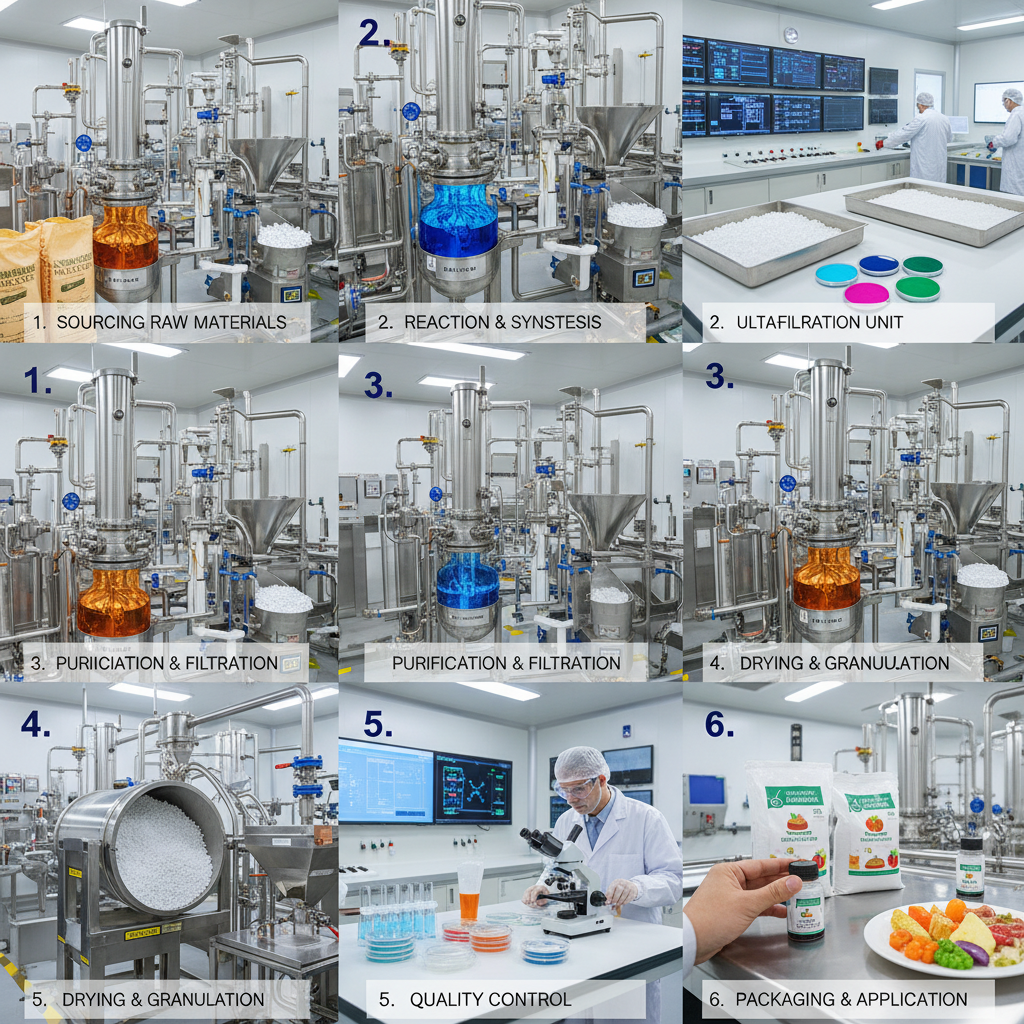
Microbial fermentation is emerging as a promising method for producing natural additives, offering scalability and sustainability. The development of plant-based alternatives to traditional additives is gaining momentum. Advancements in biotechnology are leading to the identification and extraction of novel natural compounds with preservative or functional properties.
Digital transformation plays a crucial role in traceability and supply chain management, ensuring the authenticity and quality of natural additives. Automation in extraction and processing enhances efficiency and reduces costs. Furthermore, policy changes promoting sustainable agriculture and food production are creating a more favorable environment for the growth of the natural additives market.
Challenges and Solutions
A common challenge is maintaining consistency in quality and efficacy due to the inherent variability of natural sources. Solutions include implementing robust quality control measures, utilizing standardized extraction processes, and employing advanced analytical techniques.
Another limitation is the potential for higher costs compared to synthetic additives. Addressing this requires investment in research and development to optimize production processes and scale up manufacturing. Collaboration between researchers, manufacturers, and policymakers is essential to overcome these challenges.
Finally, ensuring the long-term sustainability of sourcing natural ingredients is crucial. This involves promoting responsible harvesting practices, supporting biodiversity, and investing in the development of alternative sources.
Summary of Challenges and Potential Solutions for Types of Natural Food Additives
| Challenge |
Impact on types of natural food additives |
Potential Solution |
Implementation Timeline |
| Variable Quality |
Inconsistent performance and safety. |
Standardized Extraction & QC |
Short-Term (6-12 Months) |
| Higher Costs |
Limited adoption, particularly in price-sensitive markets. |
Process Optimization & Scale-Up |
Medium-Term (1-3 Years) |
| Sustainability Concerns |
Depletion of natural resources, environmental damage. |
Sustainable Sourcing & Alternative Sources |
Long-Term (3-5 Years) |
| Regulatory Complexity |
Varied regulations across different regions. |
Harmonization of Standards |
Long-Term (5+ Years) |
| Limited Shelf Life |
Requires quicker turnover and careful storage. |
Improved Packaging & Preservation Techniques |
Short-Term (6-12 Months) |
| Consumer Perception |
Potential skepticism regarding efficacy. |
Transparency & Education |
Ongoing (Continuous Effort) |
FAQS
Natural food additives offer several advantages, including increased consumer acceptance due to perceived health benefits and environmental friendliness. They often align with the growing demand for "clean label" products and may possess additional nutritional properties. While costs can sometimes be higher, the long-term benefits related to brand image and consumer loyalty often outweigh these initial expenses. Moreover, many consumers perceive them as safer and less likely to cause adverse reactions.
Regulations surrounding natural food additives vary significantly across countries. The European Union typically has stricter regulations and a more extensive list of approved natural additives compared to the United States. In some regions, specific extraction methods or sourcing requirements must be met to qualify as "natural." Manufacturers must carefully navigate these differences to ensure compliance when exporting products to different markets. Understanding local labeling requirements is also crucial.
Historically, natural food additives have often been more expensive due to limited availability and complex extraction processes. However, technological advancements and increasing demand are driving down costs. As production scales up and extraction methods become more efficient, the price gap is narrowing. Furthermore, the potential for premium pricing on "clean label" products can offset the higher cost of natural additives. Strategic sourcing and long-term contracts can also help manage expenses.
Ensuring sustainability requires careful consideration of the sourcing of raw materials. Look for suppliers with certifications demonstrating responsible harvesting practices and commitment to biodiversity. Prioritize additives derived from renewable resources and minimize waste throughout the extraction and processing stages. Supporting local farmers and producers can also contribute to a more sustainable supply chain. Transparency and traceability are key.
Several emerging natural food additives are gaining attention. These include novel plant-based extracts with antioxidant and antimicrobial properties, microbial metabolites produced through fermentation, and natural pigments derived from algae and fruits. Research into enzymatic processes for enhancing flavor and preserving food is also promising. These innovations offer potential solutions to challenges related to cost, efficacy, and sustainability.
The extraction method significantly influences the purity, potency, and overall quality of a natural food additive. Methods like supercritical fluid extraction (SFE) and enzymatic extraction are often preferred as they minimize the use of harsh chemicals and preserve the integrity of the bioactive compounds. Traditional solvent extraction can also be effective but requires careful optimization to remove residual solvents. The chosen method should be tailored to the specific additive and its intended application.
Conclusion
In conclusion, the understanding and utilization of types of natural food additives is paramount in today’s evolving food landscape. From addressing consumer demand for cleaner labels to navigating complex regulatory environments and promoting sustainability, these additives play a vital role in shaping the future of food production. The diversity of options, coupled with ongoing innovation, provides food manufacturers with powerful tools to create healthy, appealing, and responsibly sourced products.
Looking ahead, continued investment in research, technological advancements, and sustainable sourcing practices will be crucial to unlocking the full potential of natural food additives. Collaboration between industry, academia, and policymakers will be essential to overcome existing challenges and foster a more transparent and sustainable food system. Embracing these advancements will not only benefit consumers but also contribute to a healthier planet. Visit our website: www.chinaseasoning.com