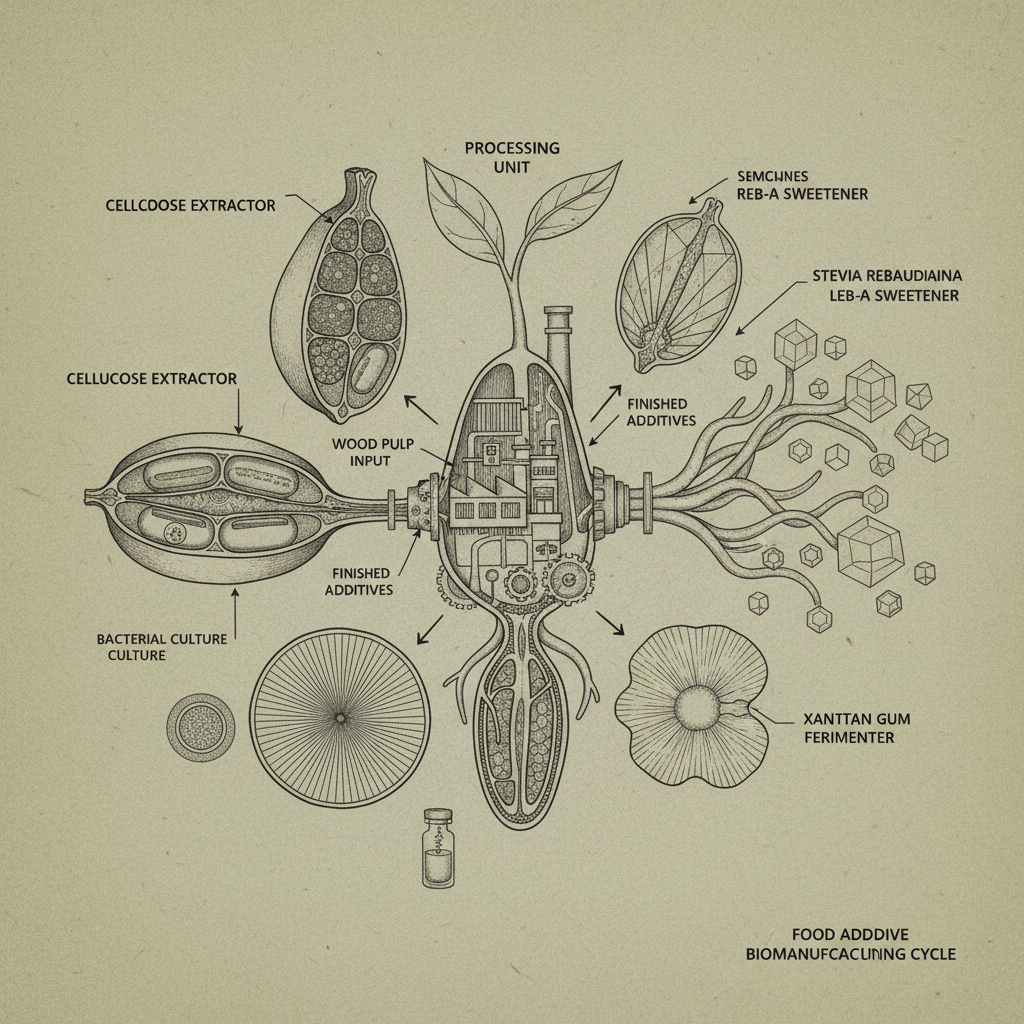
Different types of food additives play a crucial role in modern food production, ensuring safety, extending shelf life, and enhancing nutritional value. From ancient practices like salting meat to today’s sophisticated formulations, additives have been integral to feeding a growing global population. Understanding these additives is essential for consumers, food manufacturers, and regulators alike, allowing for informed choices and effective food safety management. The world’s food supply chain relies heavily on the responsible application of these substances to maintain quality and accessibility.
The global food additive market is a multi-billion dollar industry, projected to continue its growth due to increasing demand for processed foods and a rising awareness of food safety concerns. According to the ISO 22000 food safety management standards, additives must be used within legally prescribed limits and must be clearly labeled. The United Nations and the World Bank emphasize the importance of safe and nutritious food, and additives contribute significantly to achieving these goals, particularly in regions facing food security challenges.
Addressing challenges like food waste, maintaining consistent product quality across vast distances, and catering to diverse dietary needs all require the careful use of different types of food additives. This understanding is not merely a scientific pursuit, but a critical component of global food security and public health.
Introduction to Different Types of Food Additives
Different types of food additives are substances added to food to preserve flavor or enhance its taste, appearance, or other qualities. These additions are carefully regulated to ensure they are safe for consumption. They range from natural sources like ascorbic acid (vitamin C) to synthetically produced compounds. A primary goal of using these substances is to maintain food quality and safety throughout the supply chain.
Historically, methods like smoking, pickling, and salting were used to preserve food. Modern food additives build upon these traditions, offering more controlled and efficient ways to achieve the same objectives, along with new capabilities like fortifying foods with essential nutrients. The industry continually evolves, seeking innovative and sustainable additive solutions.
Defining Different Types of Food Additives
Food additives are intentionally added to food to perform specific technological functions. These functions can include preserving food, enhancing its flavor, improving its texture, or providing nutritional benefits. The term encompasses a broad range of substances, including coloring agents, flavoring agents, preservatives, antioxidants, and emulsifiers. These additives are meticulously tested and regulated by organizations like the FDA and EFSA.
The distinction between ‘food additive’ and a naturally occurring substance in food can be subtle. For example, citric acid can be added as an additive or occur naturally in citrus fruits. Regulations typically focus on additives that are intentionally added for a specific technological effect. Understanding this distinction is crucial for accurate labeling and consumer transparency.
The use of different types of food additives is deeply connected to modern industrial food production, enabling the mass production, distribution, and long-term storage of food products. They are essential for ensuring a consistent and reliable food supply, particularly in densely populated areas and regions with limited agricultural resources.
Key Classifications of Food Additives
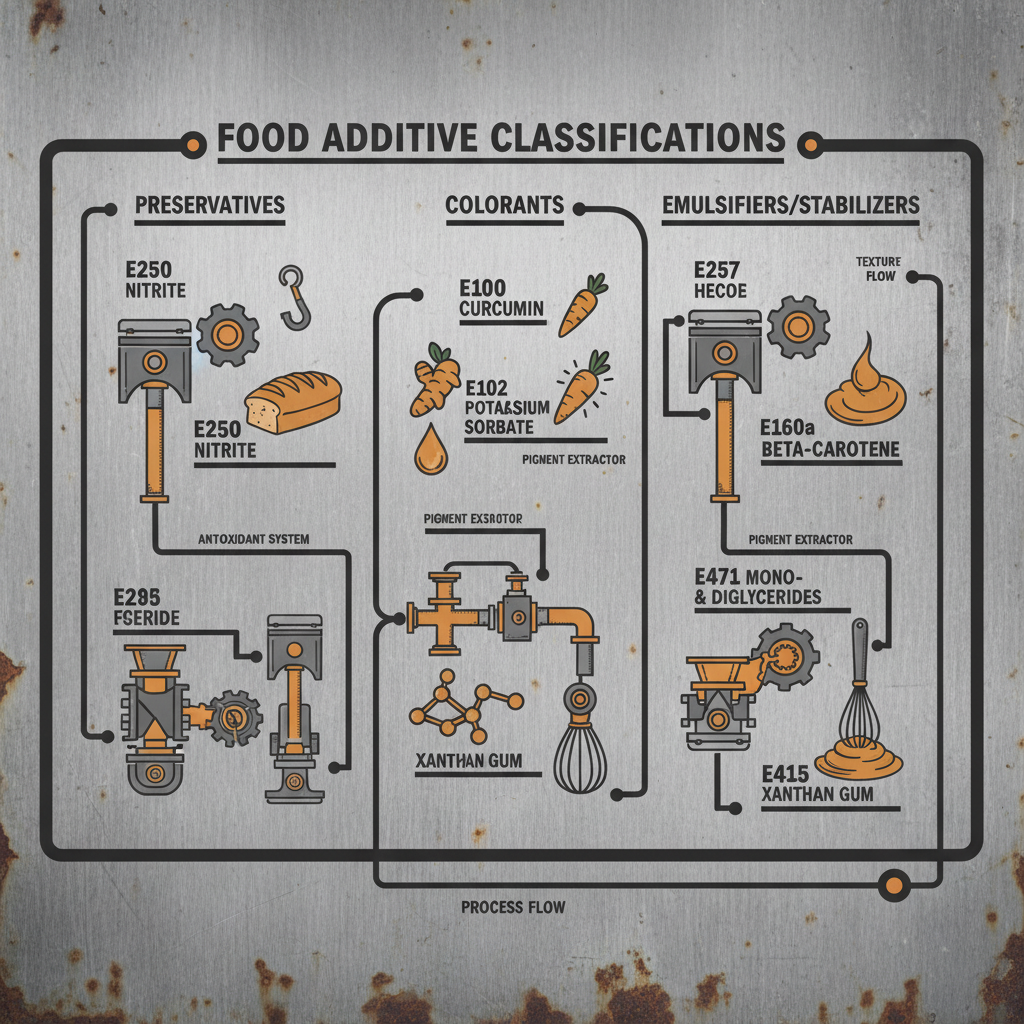
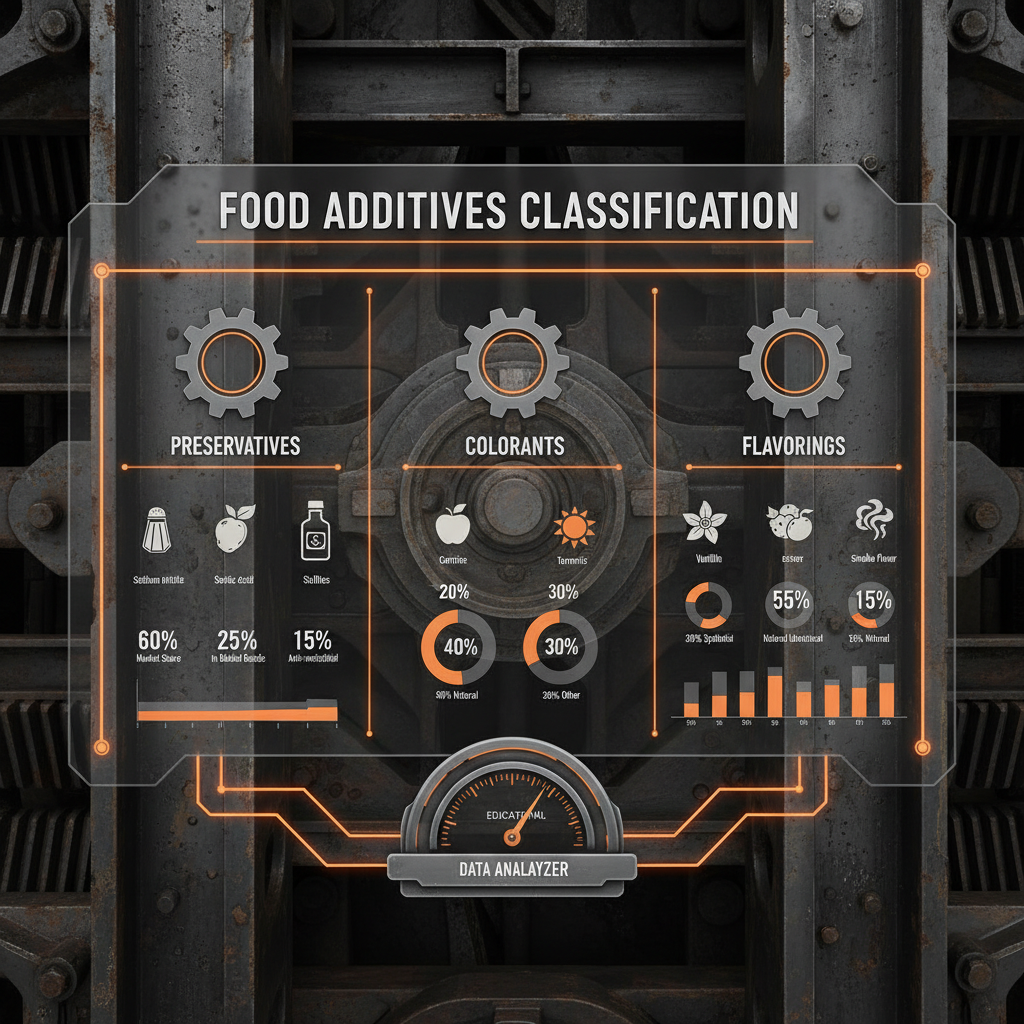
Different types of food additives are categorized based on their function. Preservatives, such as sodium benzoate and potassium sorbate, inhibit the growth of microorganisms, extending shelf life. Antioxidants, like BHA and BHT, prevent oxidation and rancidity. Coloring agents enhance visual appeal, while flavoring agents improve taste.
Emulsifiers, like lecithin, help mix oil and water, improving texture and stability. Stabilizers and thickeners, such as guar gum and xanthan gum, modify the consistency of foods. Acidulants, like citric acid, control acidity and enhance flavor. Nutrient additives, including vitamins and minerals, are added to fortify foods and address nutritional deficiencies.
These classifications aren’t always exclusive; some additives perform multiple functions. The categorization provides a framework for regulating their use and ensuring their safety and effectiveness in different food applications. For detailed information on various compounds, consider exploring resources that delve into different types of food additives.
Global Applications and Usage of Food Additives
Different types of food additives are utilized globally across a diverse range of food products. In North America and Europe, they are commonly found in processed foods, beverages, and baked goods. In Asia, particularly in countries with large populations and complex food supply chains, additives play a vital role in ensuring food safety and affordability.
In post-disaster relief operations, food additives are crucial for preserving and distributing emergency food supplies. In remote industrial zones, where fresh food access is limited, additives help maintain the quality and nutritional value of stored provisions. The food processing industry, worldwide, relies heavily on additives to meet consumer demands for convenient, shelf-stable, and visually appealing products.
The regulations governing food additives vary significantly between countries. While the US FDA and the European Food Safety Authority (EFSA) have rigorous standards, some regions may have less stringent controls. This leads to variations in the types of additives permitted and the levels allowed in food products.
Comparative Usage of Different Types of Food Additives
Advantages and Value of Using Food Additives
The primary advantage of using different types of food additives lies in their ability to enhance food safety and extend shelf life. This reduces food waste and ensures a more reliable food supply, particularly in regions with limited storage or transportation infrastructure. Additives also improve the quality and consistency of food products, meeting consumer expectations for taste, appearance, and texture.
From a logistical perspective, additives enable the efficient distribution of food over long distances. They also contribute to cost savings by reducing spoilage and the need for frequent replenishment of perishable items. Furthermore, many additives play a vital role in nutritional fortification, addressing deficiencies and improving public health.
Future Trends in Food Additives
Future trends in different types of food additives are focused on natural and sustainable alternatives. There's increasing research into plant-based colorings, antioxidants, and preservatives. Consumers are demanding cleaner labels and a reduction in artificial ingredients, driving innovation in this area.
Microencapsulation technology is gaining prominence, allowing for targeted delivery of additives and improved functionality. Digital technologies, such as AI and machine learning, are being used to optimize additive formulations and predict their effects on food quality. Nanotechnology also holds potential, but its application requires careful safety assessments.
The move toward personalized nutrition may also impact additive use, with tailored formulations designed to meet individual dietary needs. Sustainable sourcing and environmentally friendly production processes are becoming increasingly important considerations in the food additive industry.
Challenges and Solutions in Food Additive Application
A significant challenge associated with different types of food additives is public perception and concerns about potential health risks. Misinformation and negative publicity can create distrust among consumers, leading to demand for ‘additive-free’ products. Addressing this requires transparent communication about the safety and benefits of additives.
Another challenge is the complexity of regulatory frameworks, which vary significantly between countries. Harmonizing regulations and establishing international standards would facilitate trade and ensure consistent food safety across borders. The development of more sustainable and environmentally friendly additives is also crucial, reducing the industry’s environmental footprint.
Innovative solutions include the use of predictive modeling to assess additive safety, the development of biodegradable additives, and the implementation of blockchain technology to track the origin and quality of ingredients. Continuous research and development are essential for overcoming these challenges and ensuring a safe and sustainable food supply.
Summary of Challenges and Potential Solutions in Food Additive Application
| Challenge |
Impact |
Proposed Solution |
Implementation Timeline |
| Negative Public Perception |
Reduced consumer trust, demand for 'clean label' products |
Transparent communication, educational campaigns |
Ongoing |
| Regulatory Discrepancies |
Trade barriers, inconsistent food safety standards |
International harmonization of regulations |
5-10 years |
| Sustainability Concerns |
Environmental impact of additive production |
Development of biodegradable additives |
3-7 years |
| Safety Assessment Complexity |
Difficulty in predicting long-term health effects |
Predictive modeling, advanced toxicological studies |
Ongoing |
| Supply Chain Transparency |
Difficulty tracing additive origin and quality |
Blockchain technology implementation |
2-5 years |
| Cost of Innovation |
High R&D expenses for new, sustainable additives |
Government funding, industry collaboration |
Ongoing |
FAQS
Yes, food additives approved for use by regulatory bodies like the FDA and EFSA undergo rigorous testing to ensure they are safe for consumption at specified levels. These evaluations consider potential toxicity, allergenicity, and long-term health effects. While some individuals may experience sensitivities, the vast majority of additives are considered safe when used correctly.
Natural food additives are derived from sources found in nature, such as plants, animals, or minerals. Artificial additives, on the other hand, are synthetically produced. The safety assessment process is similar for both types, focusing on potential risks rather than origin. However, consumer preference is often leaning towards natural alternatives.
Food additives are listed on product labels under their common or chemical name, often accompanied by a number (e.g., E numbers in Europe). The ingredient list is required to disclose all additives used in the product. Resources like the FDA website and EFSA provide detailed information about different additives and their functions.
Certain food additives, such as sulfites, tartrazine (a yellow food dye), and monosodium glutamate (MSG), have been linked to allergic reactions in some individuals. Symptoms can range from mild skin rashes to more severe reactions. If you suspect an allergy, consult a healthcare professional.
Regulatory bodies like the FDA (US) and EFSA (Europe) are responsible for evaluating the safety of food additives before they are approved for use. They establish permissible levels, monitor compliance, and conduct ongoing research to assess potential risks. They also update regulations as new scientific evidence emerges.
Different types of food additives, particularly preservatives and antioxidants, play a crucial role in extending the shelf life of food products. This reduces spoilage and waste throughout the supply chain, from production to consumption. By preventing microbial growth and oxidation, additives help maintain food quality and nutritional value for longer periods.
Conclusion
In conclusion, different types of food additives are indispensable components of the modern food system, playing a vital role in ensuring food safety, extending shelf life, enhancing nutritional value, and meeting the demands of a growing global population. Understanding their functions, regulations, and potential impacts is essential for consumers, manufacturers, and policymakers alike. Responsible innovation and transparent communication are key to addressing concerns and fostering trust in the food supply.
Looking ahead, the future of food additives lies in sustainable solutions, natural alternatives, and advanced technologies. Continuous research, robust regulatory oversight, and informed consumer choices will be crucial for maximizing the benefits of these substances while minimizing any potential risks. For more information on specific additives and their applications, visit our website: www.chinaseasoning.com.