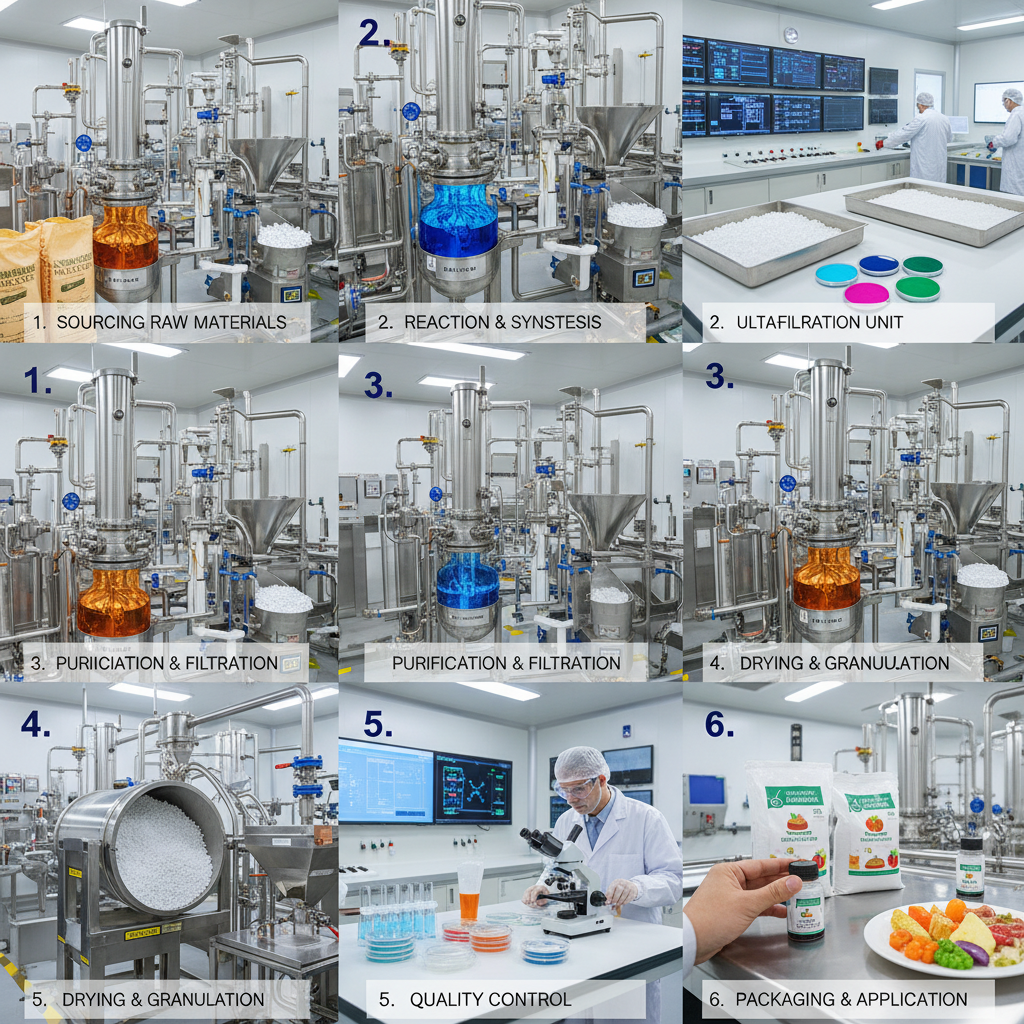
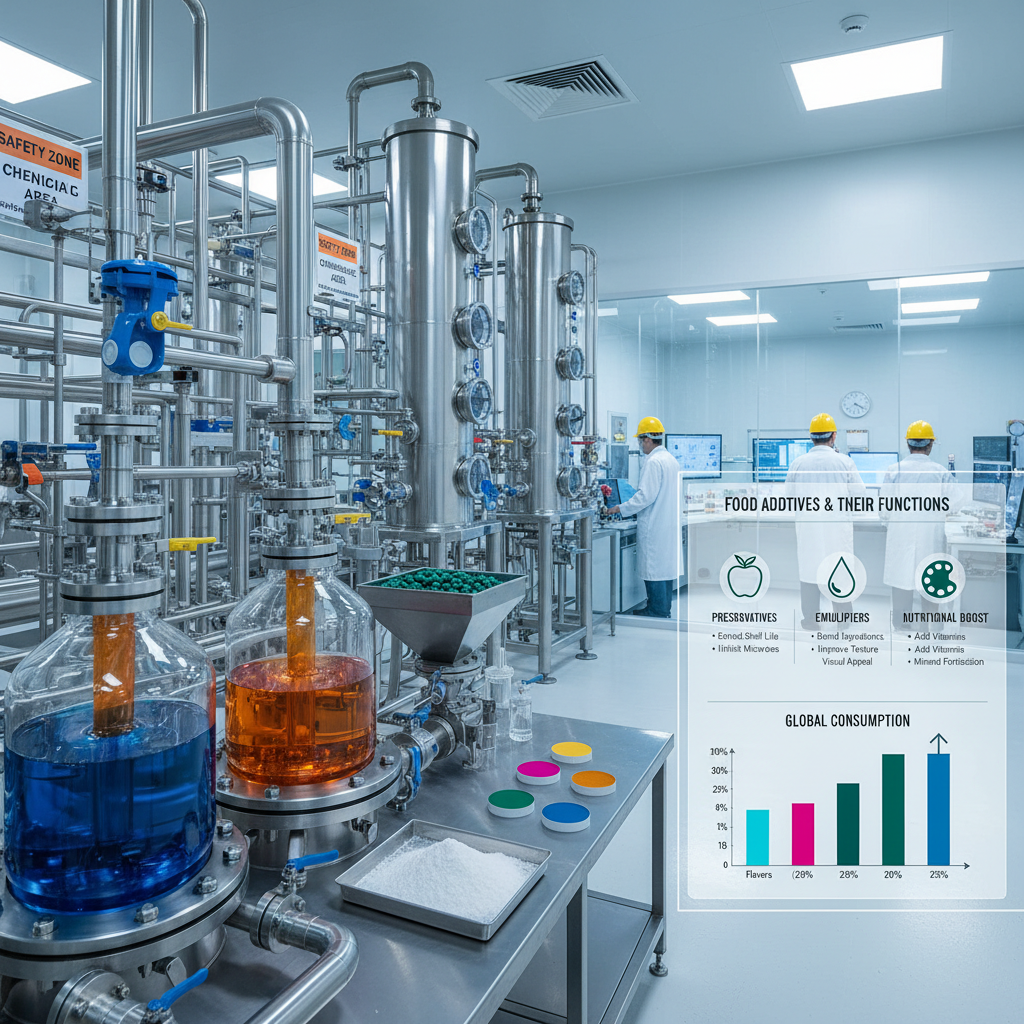
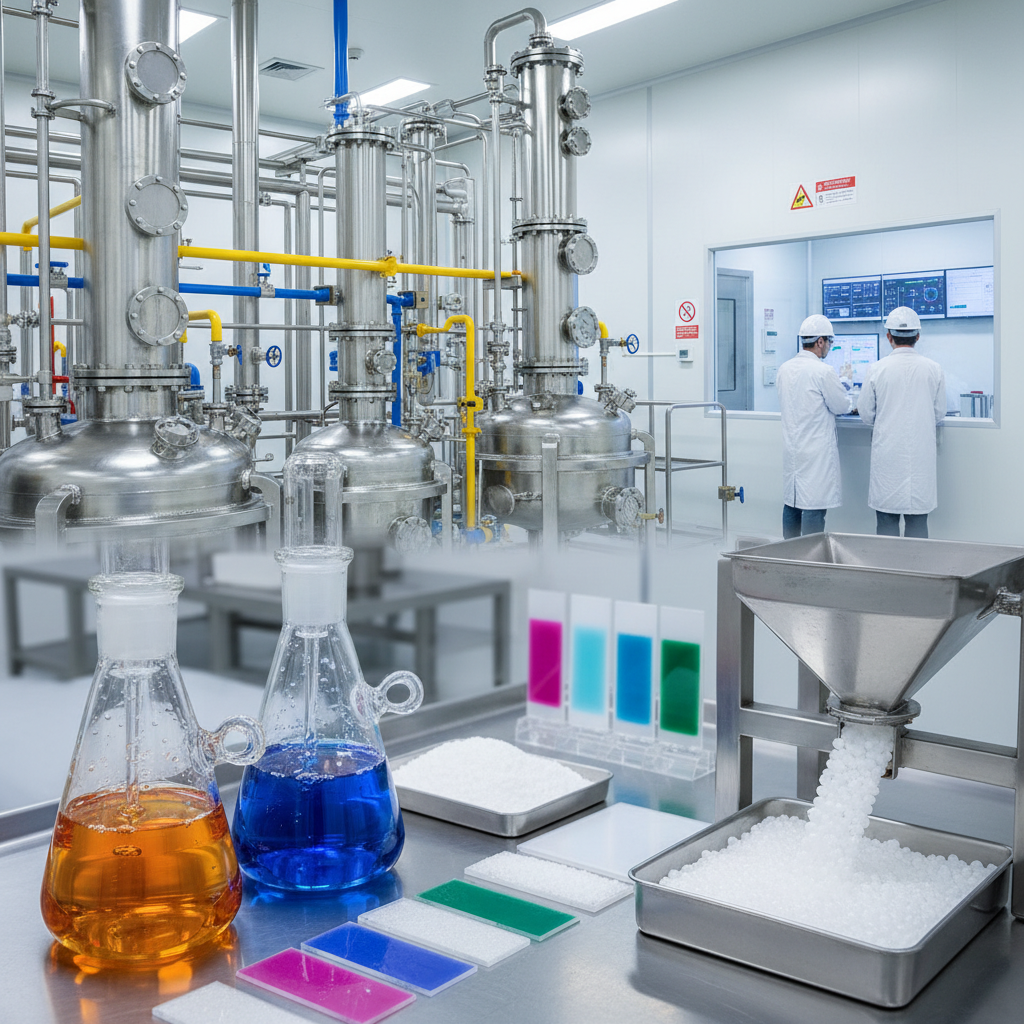
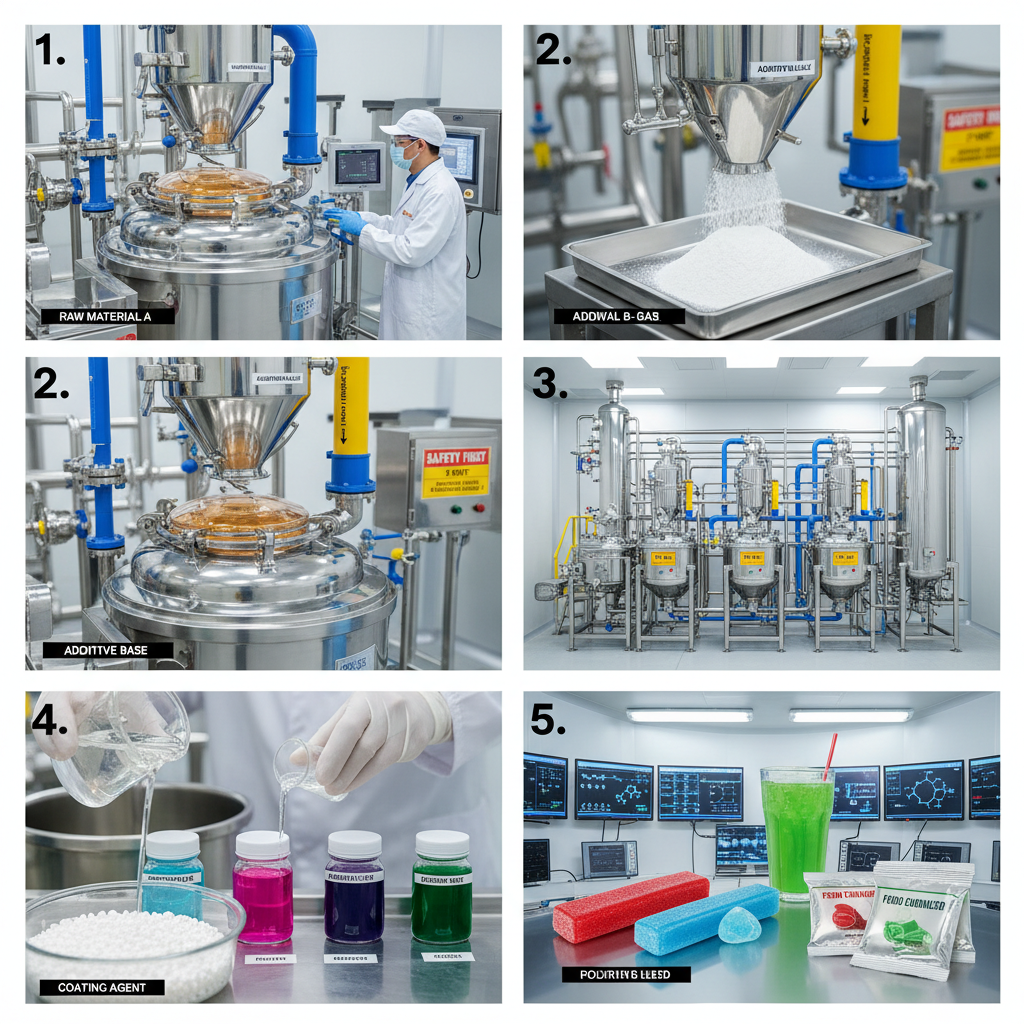
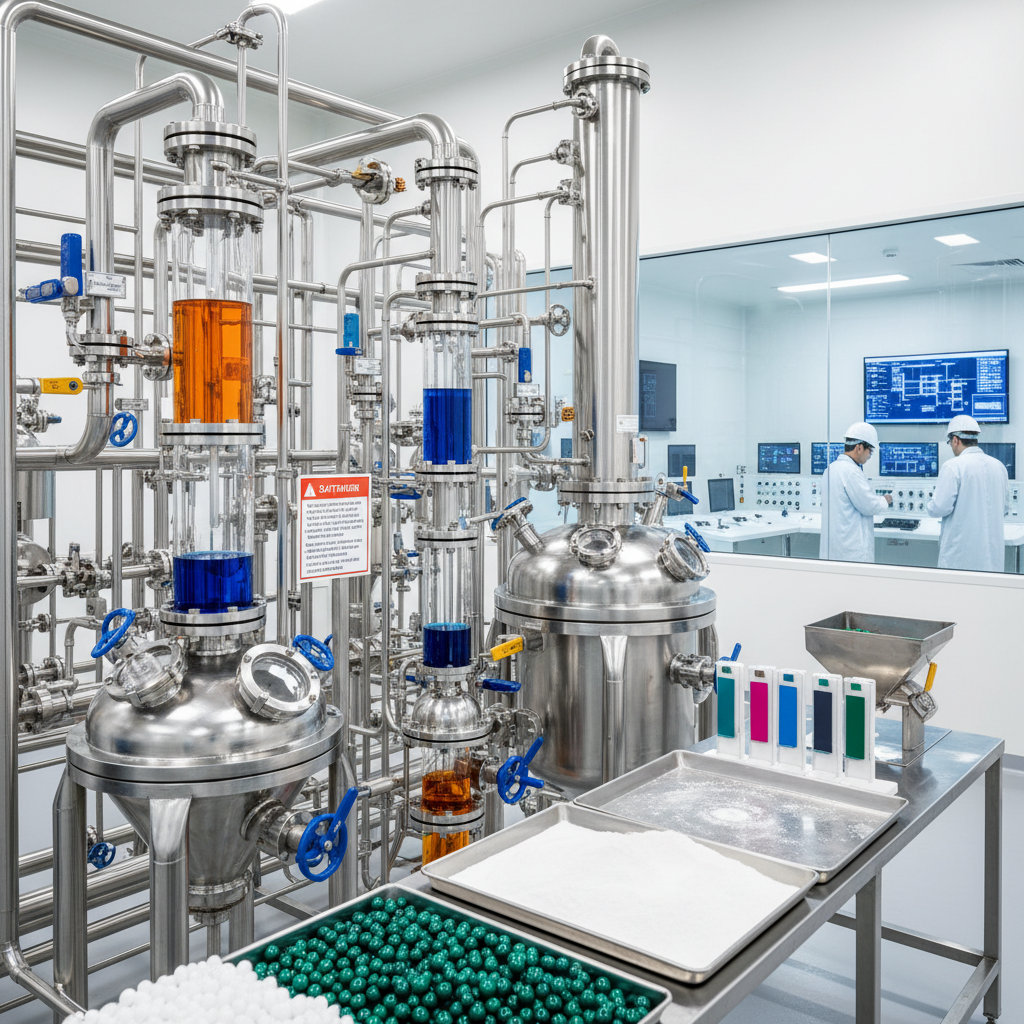
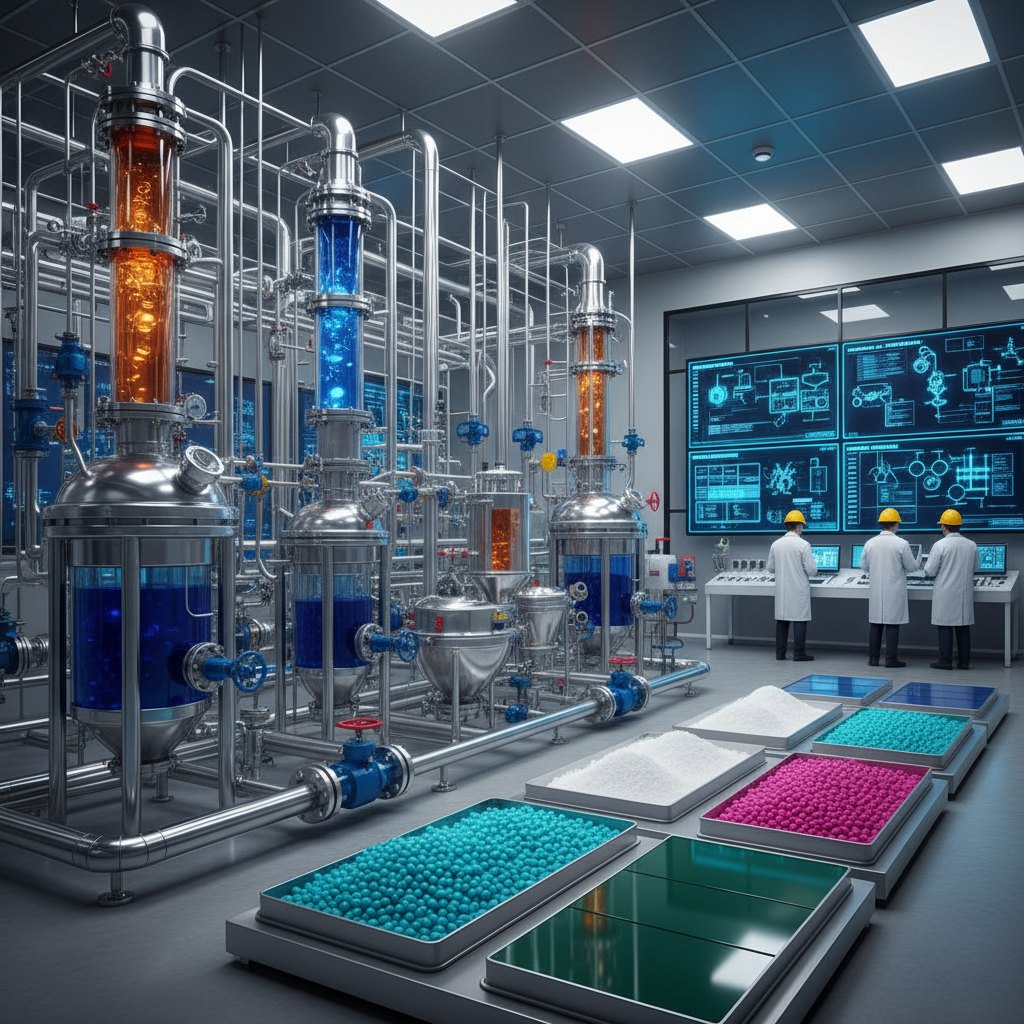
In the complex landscape of modern food production, understanding food additives and their functions is essential for ensuring food safety, enhancing nutritional value, and maintaining the sensory qualities that consumers expect. From the preservatives that prevent spoilage in global supply chains to the emulsifiers that create smooth textures in processed foods, these substances are the invisible architects of the modern diet, allowing for a level of consistency and accessibility previously unimaginable.
The global food industry operates under immense pressure to feed a growing population while reducing waste and maintaining strict health standards. By leveraging the strategic application of food additives, manufacturers can extend shelf life, reduce the risk of foodborne illnesses, and fortify products with essential vitamins and minerals, directly addressing issues of food insecurity and malnutrition in developing regions.
However, the use of these substances requires a delicate balance between technical efficiency and consumer transparency. As public demand for "clean label" products grows, the industry is shifting toward naturally derived additives and more precise formulations, making a deep dive into the specific mechanisms and roles of these ingredients more critical than ever for producers and regulators alike.
Global Relevance of Food Additives and Their Functions
On a global scale, the integration of food additives and their functions is a cornerstone of food security. According to data aligned with ISO standards and UN food safety guidelines, the ability to stabilize perishable goods is what allows nutrient-dense foods to travel thousands of miles from harvest sites to urban centers without losing their nutritional integrity or becoming hazardous to human health.
The challenge lies in the diverse regulatory environments across different continents. While the FDA in the US and EFSA in Europe maintain rigorous lists of approved substances, the global market must harmonize these standards to ensure that food additives perform their intended functions—such as antimicrobial action or oxidation prevention—consistently across different climates and transportation modes.
Defining Food Additives and Their Functions in Industry
At its simplest, food additives are substances added to food to maintain or improve its safety, freshness, taste, texture, or appearance. However, in the context of industrial food manufacturing, food additives and their functions represent a sophisticated chemical synergy designed to optimize the lifecycle of a product. They are not merely "extras" but are often critical components that prevent the growth of pathogens like Clostridium botulinum or stop the rancidification of fats in high-lipid products.
This connection to modern industry is deeply rooted in the need for scalability. When a product moves from a kitchen-scale batch to a multi-ton industrial run, the natural stability of ingredients often fails. Here, additives act as the stabilizing force, ensuring that every unit of a product—whether it's a pharmaceutical-grade intermediate or a consumer food additive—meets exact specifications for pH, viscosity, and shelf-life.
Furthermore, these functions extend to humanitarian needs. In disaster relief or remote industrial zones, the use of specialized preservatives and fortificants ensures that emergency rations remain edible and nutritionally complete for years, providing a critical lifeline where fresh food infrastructure is non-existent.
Core Components and Technical Dimensions
To truly grasp the utility of food additives and their functions, one must look at the dimension of Stability. This involves the use of antioxidants and sequestrants that prevent the chemical breakdown of nutrients when exposed to light or oxygen, ensuring that the food remains safe and appealing throughout its intended commercial life.
Another critical dimension is Textural Synergy. Emulsifiers, stabilizers, and thickeners work together to manage the interaction between water and oil. In products like mayonnaise or processed creams, these functions are what prevent phase separation, creating a homogenous product that maintains its mouthfeel and aesthetic appeal even under temperature fluctuations.
Finally, Bio-availability and Fortification represent the health-centric side of these ingredients. By adding synthetic or natural vitamins and minerals, manufacturers can transform a basic caloric source into a functional food, addressing specific regional deficiencies such as iodine or folic acid, thereby blending industrial efficiency with public health goals.
Practical Applications and Use Cases
The application of food additives and their functions is visible across diverse sectors. In the beverage industry, acidity regulators are used not only for flavor but to inhibit the growth of bacteria, while in the bakery sector, dough conditioners ensure that bread maintains its volume and softness during long-distance shipping to remote retail outlets.
In specialized contexts, such as the production of pharmaceutical intermediates and feed additives, the functions shift toward purity and precise delivery. For instance, in animal nutrition, specific additives are used to improve the absorption of nutrients in livestock, reducing waste and increasing the sustainability of protein production globally.
Comparative Efficiency of Food Additives and Their Functions
Strategic Advantages and Long-Term Value
The primary advantage of optimizing food additives and their functions is the drastic reduction in food waste. By extending the shelf life of produce and processed goods, we reduce the environmental burden of landfills and lower the cost of food for the end consumer. This logical efficiency is coupled with the emotional value of reliability—consumers trust that a product will taste and perform the same way regardless of when or where it was purchased.
Moreover, the innovation in this field fosters trust through safety. The precise use of additives like nitrates in cured meats or sorbates in baked goods isn't about "artificiality," but about the dignity of providing safe, pathogen-free food to millions. This reliability forms the backbone of global trade, allowing nations to export their agricultural strengths with confidence.
Future Trends and Green Innovations
The future of food additives and their functions is pivoting toward "Green Chemistry." We are seeing a surge in the use of plant-based emulsifiers and fermentation-derived preservatives. The goal is to replicate the high-performance functions of synthetic additives using sustainable, biodegradable materials that align with the "clean label" trend.
Digital transformation is also playing a role. AI-driven formulation software can now predict how specific additives will interact with different raw material batches, allowing for "precision dosing." This reduces the over-use of chemicals and ensures that the function is achieved with the minimum necessary amount of additive, enhancing both health and cost-efficiency.
Furthermore, the rise of cellular agriculture and lab-grown proteins will require entirely new classes of food additives to mimic the complex mouthfeel and flavor profiles of traditional animal products. This frontier will blend food science with pharmaceutical-grade precision to create the next generation of sustainable nutrition.
Overcoming Industry Challenges and Limitations
One of the most significant challenges is the "perception gap." Many consumers equate any additive with "unhealthy," regardless of its function or safety profile. To overcome this, the industry must shift toward educational transparency, clearly communicating the role of food additives and their functions in preventing waste and ensuring safety.
Technically, the challenge lies in "function overlap"—where one additive may interfere with another. For example, certain antioxidants can react with specific preservatives, reducing the overall efficacy of the product. Expert formulation and rigorous pilot testing are the only ways to navigate these complex chemical interactions.
To solve these issues, manufacturers are adopting a "holistic stabilization" approach, combining mild additives with advanced packaging technology (like modified atmosphere packaging). This synergy reduces the reliance on high-concentration additives while maintaining the same level of product protection.
Analysis of Functional Additives across Different Product Categories
| Product Category |
Primary Additive Type |
Core Function |
Efficiency Score (1-10) |
| Bakery Products |
Enzymes/Emulsifiers |
Volume & Softness |
9 |
| Dairy & Alternatives |
Hydrocolloids |
Viscosity Control |
8 |
| Processed Meats |
Nitrites/Phosphates |
Pathogen Inhibition |
10 |
| Beverages |
Acidulants |
pH Stabilization |
7 |
| Animal Feed |
Amino Acids/Vitamins |
Growth Optimization |
9 |
| Confectionery |
Lecithins |
Fat Dispersion |
8 |
FAQS
No. Food additives are strictly regulated by global bodies like the FDA and EFSA. When used within the Acceptable Daily Intake (ADI) levels, they are safe. Many additives, such as citric acid or lecithin, occur naturally in foods. The goal of understanding food additives and their functions is to ensure they are used in optimal, safe quantities to prevent spoilage and improve nutrition.
Preservatives function by creating an environment hostile to microorganisms. Some inhibit the growth of molds and yeasts by altering pH levels, while others interfere with the cell membranes of bacteria. By suppressing these biological processes, they prevent the food from decomposing, thus maintaining safety and quality over longer periods.
A nutrient (like protein or healthy fats) is consumed for its caloric or physiological value to support life. A food additive is added primarily to change a physical or chemical property of the food, such as its stability or texture. However, "fortificants" bridge this gap by adding nutrients as additives to prevent deficiency diseases in a population.
In many cases, yes, but not always without a trade-off in efficiency or cost. While rosemary extract can replace some synthetic antioxidants, synthetic versions are often more potent and stable under extreme processing temperatures. The industry is moving toward "hybrid" systems that maximize natural ingredients while using minimal synthetic ones for critical safety.
A clean label strategy involves replacing chemically-named additives with recognizable, natural ingredients. This is achieved by utilizing advanced processing techniques (like high-pressure processing) and selecting additives with a more natural origin, such as using beet juice for color instead of synthetic dyes, all while ensuring the original function is maintained.
In feed additives, the focus is on bioavailability and growth. Additives like enzymes help animals break down complex plant fibers, while vitamins and minerals ensure optimal health. This not only improves the quality of the end meat or dairy product but also reduces the environmental footprint of farming by making nutrient use more efficient.
Conclusion
In summary, the sophisticated application of food additives and their functions is what enables the modern global food system to operate with safety and efficiency. From the critical role of preservatives in waste reduction to the technical precision of emulsifiers in texture control, these substances provide the stability necessary for industrial scalability and humanitarian food security. By balancing scientific efficacy with consumer transparency and sustainable sourcing, the industry ensures that high-quality nutrition is accessible to all.
Looking ahead, the shift toward green chemistry and AI-optimized formulations will further refine the role of additives, making them more natural and precise. For manufacturers and distributors, the key to long-term success lies in adopting a transparent, science-backed approach to additive use. We encourage you to explore the latest in high-purity additives to optimize your product line. Visit our website: www.chinaseasoning.com