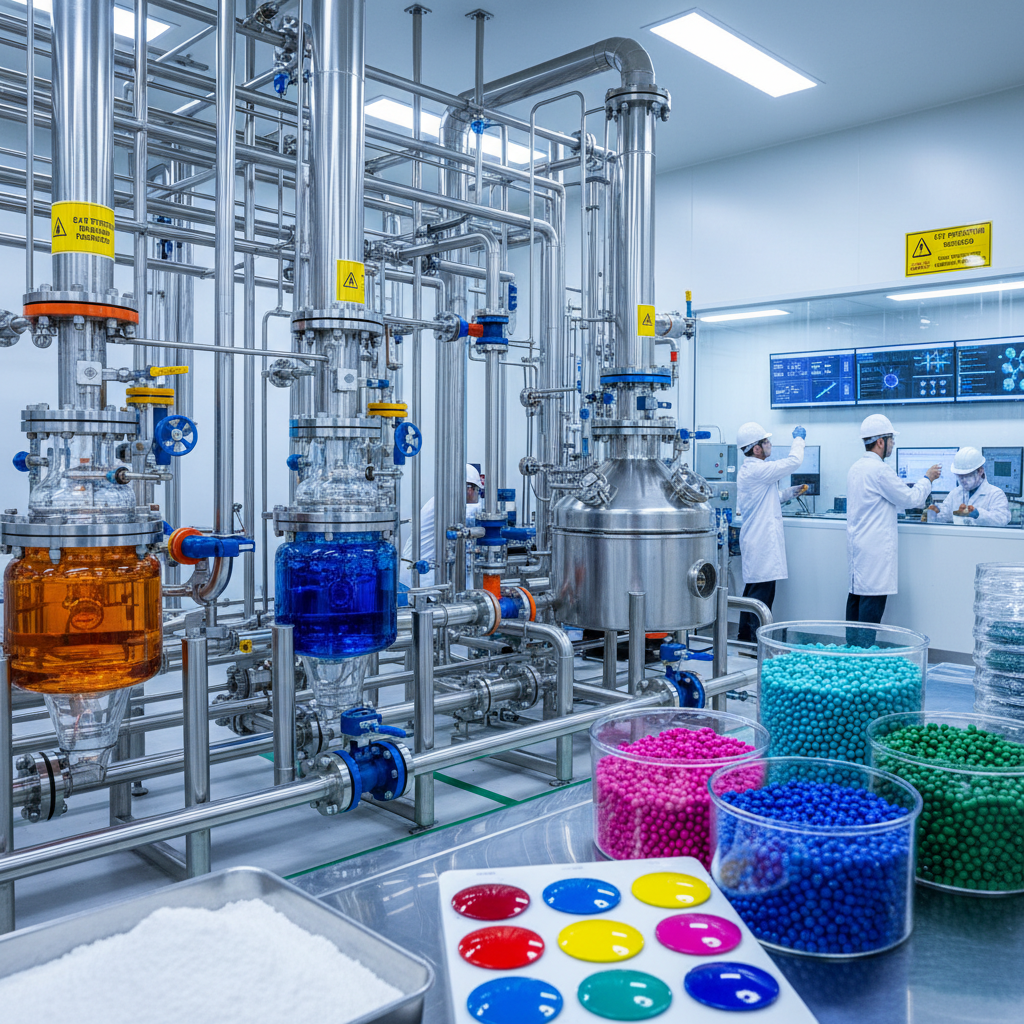
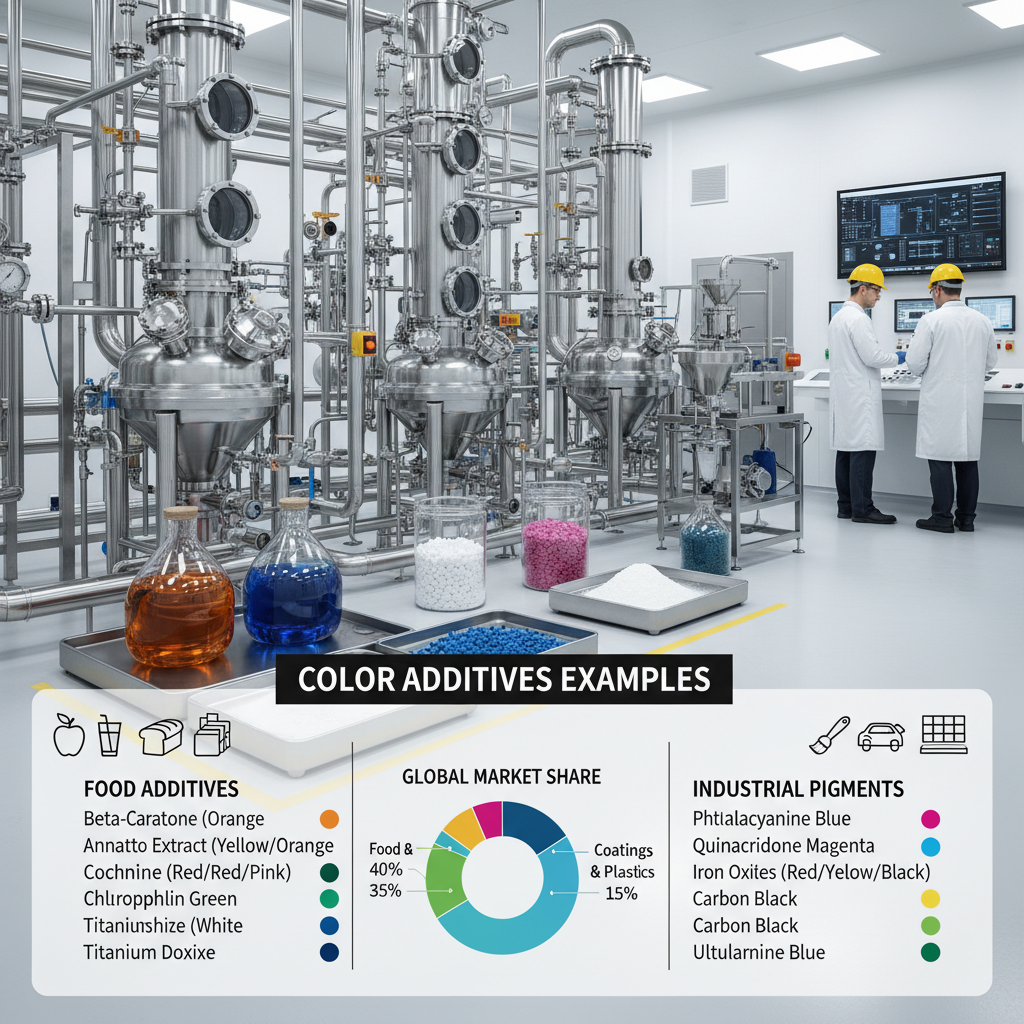
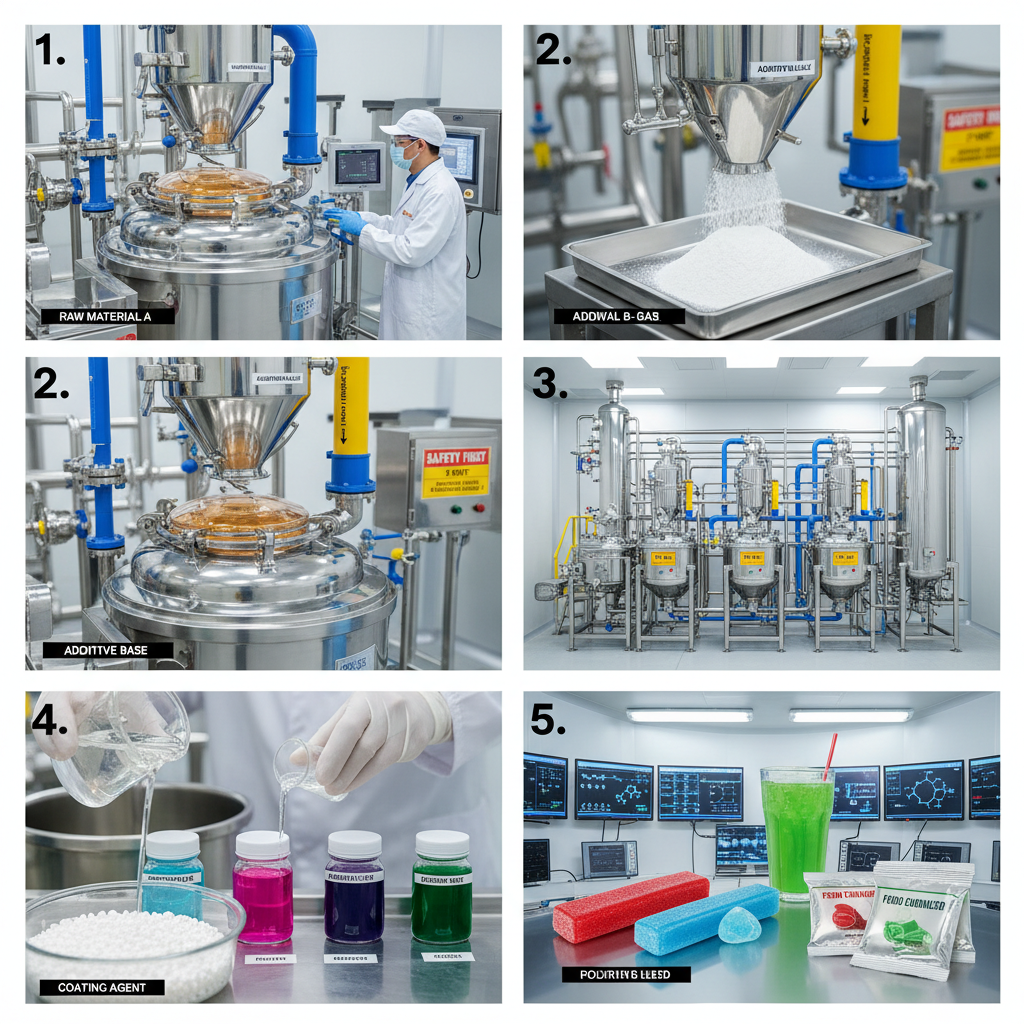
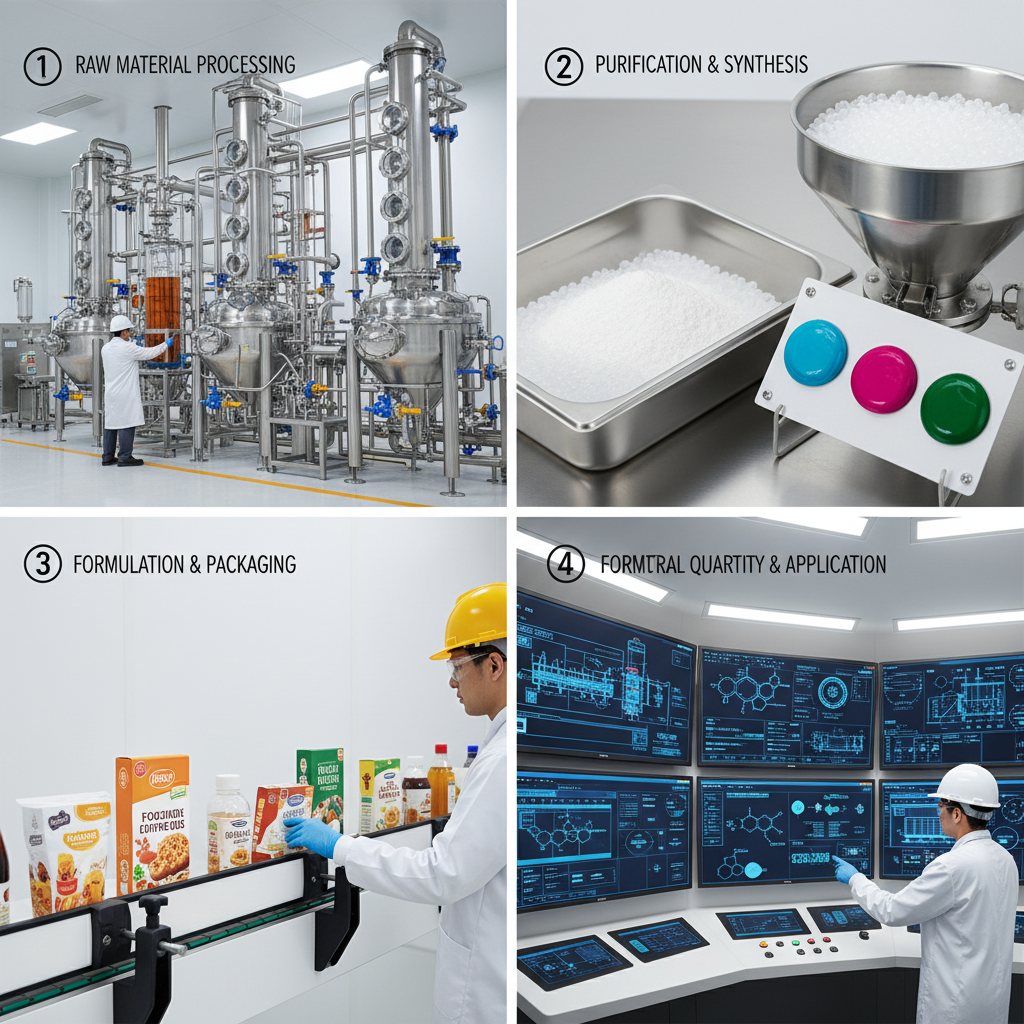
In the competitive landscape of the global food and beverage industry, visual appeal is often the first point of contact between a product and a consumer. The strategic use of color additives examples allows manufacturers to not only enhance the aesthetic quality of their products but also to maintain consistency in branding and signal flavor profiles to the consumer. From the deep red of a confectionery treat to the vibrant yellow of a processed cheese, these additives play a pivotal role in the sensory experience of eating.
Understanding the diverse range of color additives examples is essential for ensuring both regulatory compliance and consumer satisfaction. As global standards from bodies like the Codex Alimentarius and the FDA become more stringent, the industry is shifting toward a more transparent approach to coloration. This involves a careful balance between synthetic efficiency and the growing demand for "clean label" natural alternatives, ensuring that food remains safe, appealing, and honest in its representation.
Whether applied in feed additives for livestock, pharmaceutical intermediates for medicine, or direct food consumption, the science of coloration is complex. By analyzing specific color additives examples, producers can optimize the stability of their products against heat, light, and pH changes. This guide provides a comprehensive look at the types, applications, and future trends of coloring agents, offering a technical yet accessible roadmap for industry professionals seeking to elevate their product formulation.
Global Context of Color Additives Examples
The global market for food colorants has witnessed exponential growth, driven by the industrialization of food processing and the expansion of the ready-to-eat meal sector. According to recent market analysis, the demand for high-stability color additives examples has surged as companies expand into emerging markets where vibrant food aesthetics are culturally preferred. This growth is not merely about vanity; it is about standardization in a global supply chain where a product must look identical whether it is sold in New York, Tokyo, or London.
However, this industrial scale brings significant challenges. The disparity between regional regulatory frameworks—such as the EU's strict precautionary principle versus the US's GRAS (Generally Recognized as Safe) system—creates a complex environment for manufacturers. The industry currently struggles to find a "universal" coloring agent that satisfies all global health authorities while maintaining the high-intensity hue that consumers expect from modern processed goods.
Definition and Industrial Meaning of Colorants
At its most basic level, color additives examples refer to any dye, pigment, or coloring material added to food, drugs, cosmetics, or other articles for human consumption to impart color. Industrially, these are categorized into synthetic dyes—which offer high intensity and stability—and natural colors derived from plants, minerals, or animals. The goal is to correct color loss due to processing or to add a visually appealing color that aligns with the expected taste of the product.
Beyond simple aesthetics, these additives serve as vital markers in the pharmaceutical and feed industries. In pharmaceutical intermediates, a specific color can denote dosage strength or drug type, preventing critical medication errors. In the animal feed sector, specific color additives examples are used to enhance the pigment of egg yolks or poultry skin, meeting the market demand for "healthy-looking" animal products.
The modern industrial meaning of coloration has evolved into a science of "perception management." By utilizing specific wavelengths of light reflected by these additives, manufacturers can trigger psychological responses in consumers, such as associating red with sweetness or green with freshness. This intersection of chemistry and psychology makes the selection of the right additive a critical business decision.
Core Components of Effective Coloration
The effectiveness of various color additives examples is measured by several core technical parameters. Stability is perhaps the most critical; a colorant must withstand the thermal stress of pasteurization or the acidic environment of a carbonated beverage without fading or shifting hue. This "light-fastness" and "heat-stability" ensure that the product remains attractive throughout its entire shelf life.
Scalability and cost-efficiency also dictate the choice of additive. While some natural extracts provide beautiful hues, they may be prohibitively expensive or difficult to source in the quantities required for global production. Therefore, many manufacturers utilize a "hybrid approach," blending synthetic bases with natural accents to achieve the desired visual impact while maintaining a viable price point for the end consumer.
Lastly, solubility and purity are non-negotiable factors. Whether the additive is water-soluble (hydrophilic) or oil-soluble (lipophilic), it must disperse evenly without leaving streaks or precipitating over time. High-purity standards ensure that no heavy metals or unwanted by-products contaminate the food matrix, aligning with E-E-A-T principles of safety and trustworthiness in food manufacturing.
Global Applications and Use Case Analysis
In real-world applications, color additives examples vary wildly across different sectors. In the confectionery industry, synthetic lakes are often used to create the neon colors seen in candies, providing a boldness that natural juices cannot match. Conversely, in the organic food sector in Western Europe, there is a heavy reliance on anthocyanins (from grapes or berries) and beta-carotene to satisfy "clean label" requirements.
In specialized industrial zones, such as those producing aquaculture feed, color additives are used to synthesize the natural orange-red hue of salmon fillets. By adding astaxanthin to the feed, producers can ensure the fish meet the color standards expected by global retailers. This demonstrates how coloration extends beyond human psychology into the biological engineering of food sources.
Comparative Performance of Color Additives Examples
Long-Term Value and Consumer Trust
The long-term value of correctly implementing color additives examples lies in the creation of brand loyalty. When a consumer buys a specific brand of orange soda, they expect a precise shade of orange every single time. This consistency builds a subconscious trust in the product's quality and safety. If the color fluctuates, the consumer may perceive the product as spoiled or counterfeit, regardless of its actual chemical composition.
Furthermore, the shift toward natural colors represents a logical evolution toward health-conscious innovation. By investing in high-quality natural colorants, companies not only avoid the "artificial" stigma but also align themselves with the global movement toward sustainability and wellness. This transition transforms a simple ingredient into a marketing asset that communicates transparency and care for the consumer's health.
Future Trends in Sustainable Coloration
The future of the industry is leaning heavily toward biotechnology and "precision fermentation." Scientists are now engineering yeast and bacteria to produce specific color additives examples that are biologically identical to natural dyes but produced in a lab. This eliminates the land-use and water-use issues associated with farming massive quantities of plants for pigment, merging digital transformation with green chemistry.
Another emerging trend is the development of "smart colors"—additives that change hue based on the state of the product. Imagine a food package where the color additive shifts from blue to red when the product has passed its expiration date or has been exposed to unsafe temperatures. This would revolutionize food safety, moving colorants from purely aesthetic roles to functional, diagnostic tools.
Additionally, the integration of AI in color matching is streamlining the R&D process. AI algorithms can now predict how a specific color additive will react with various food matrices, reducing the need for hundreds of physical prototypes. This acceleration of the development cycle allows companies to respond faster to consumer trends while maintaining strict adherence to global safety standards.
Challenges and Technical Solutions
Despite the advancements, several challenges persist. One of the most common issues is the "fade-out" effect, where natural color additives examples degrade rapidly when exposed to UV light. To solve this, manufacturers are employing microencapsulation techniques—wrapping the color molecule in a protective microscopic shell of protein or carbohydrate to shield it from the environment.
Another hurdle is the interaction between colorants and other food additives, such as preservatives or emulsifiers, which can cause unwanted precipitates or "off-colors." Expert formulation now involves using synergistic agents that stabilize the pigment without altering the taste profile, requiring a deep understanding of molecular interactions within the food matrix.
Finally, the challenge of regulatory divergence is being met with the adoption of "Global Formulation Standards." Companies are increasingly designing products based on the strictest common denominator of global regulations, ensuring that a single recipe can be legally sold in multiple jurisdictions without modification.
Technical Analysis of Color Additives Examples Performance
| Additive Type |
Heat Stability (1-10) |
Cost per Unit |
Regulatory Ease |
| Synthetic FD&C Red 40 |
9 |
Low |
Moderate |
| Beetroot Red (Natural) |
4 |
Medium |
High |
| Curcumin (Turmeric) |
7 |
Medium |
High |
| Chlorophyllin |
5 |
High |
High |
| Titanium Dioxide (White) |
10 |
Low |
Low (EU restricted) |
| Anthocyanin Blend |
3 |
High |
High |
FAQS
The primary difference lies in the source and stability. Synthetic additives are chemically synthesized to provide intense, uniform colors with high heat and light stability. Natural additives are derived from organic sources (plants, minerals) and are generally preferred by health-conscious consumers, though they often fade faster and vary in intensity depending on the raw material harvest.
Yes, provided they are approved by regulatory bodies like the FDA or EFSA. Every approved additive undergoes rigorous toxicity testing to determine the Acceptable Daily Intake (ADI). While some synthetic dyes have been debated in relation to hyperactivity in children, they remain safe for the general population within established legal limits.
To prevent photodegradation, you can use microencapsulation, which creates a barrier around the pigment. Additionally, adding antioxidants like Vitamin C or using opaque packaging that blocks UV rays can significantly extend the vibrancy of natural colorants.
Synthetic lakes and certain mineral-based pigments are the best choices for baking because they possess high thermal stability. Most natural fruit-based colors will brown or disappear at high temperatures, unless they are specifically heat-stabilized through chemical modification or encapsulation.
Absolutely. Colorants in pharmaceuticals are used for identification, ensuring that patients and pharmacists can distinguish between different medication strengths or types. These must meet pharmaceutical-grade purity standards (USP/BP) to ensure they do not interfere with the drug's efficacy.
Start by auditing your current color additives examples and identifying synthetic dyes that have viable natural equivalents. Conduct stability tests to see how the natural alternative affects shelf life, and consider a hybrid phase where you gradually reduce synthetic levels while optimizing the natural blend.
Conclusion
The strategic application of color additives examples is far more than an exercise in aesthetics; it is a sophisticated blend of chemistry, regulatory compliance, and consumer psychology. From enhancing the nutritional appearance of animal feed to ensuring the precise identification of pharmaceutical intermediates, these additives are indispensable tools in modern manufacturing. By balancing the efficiency of synthetic dyes with the sustainability of natural alternatives, producers can achieve a visual identity that is both attractive and trustworthy.
Looking forward, the industry will likely be defined by the rise of biotech-driven coloration and smart pigments that offer functional benefits beyond appearance. For manufacturers, the key to success lies in remaining agile—embracing new technologies while maintaining an unwavering commitment to safety and transparency. As consumer demand for "clean" and "honest" products grows, those who master the science of sustainable coloration will lead the market in the years to come. Visit our website: www.chinaseasoning.com