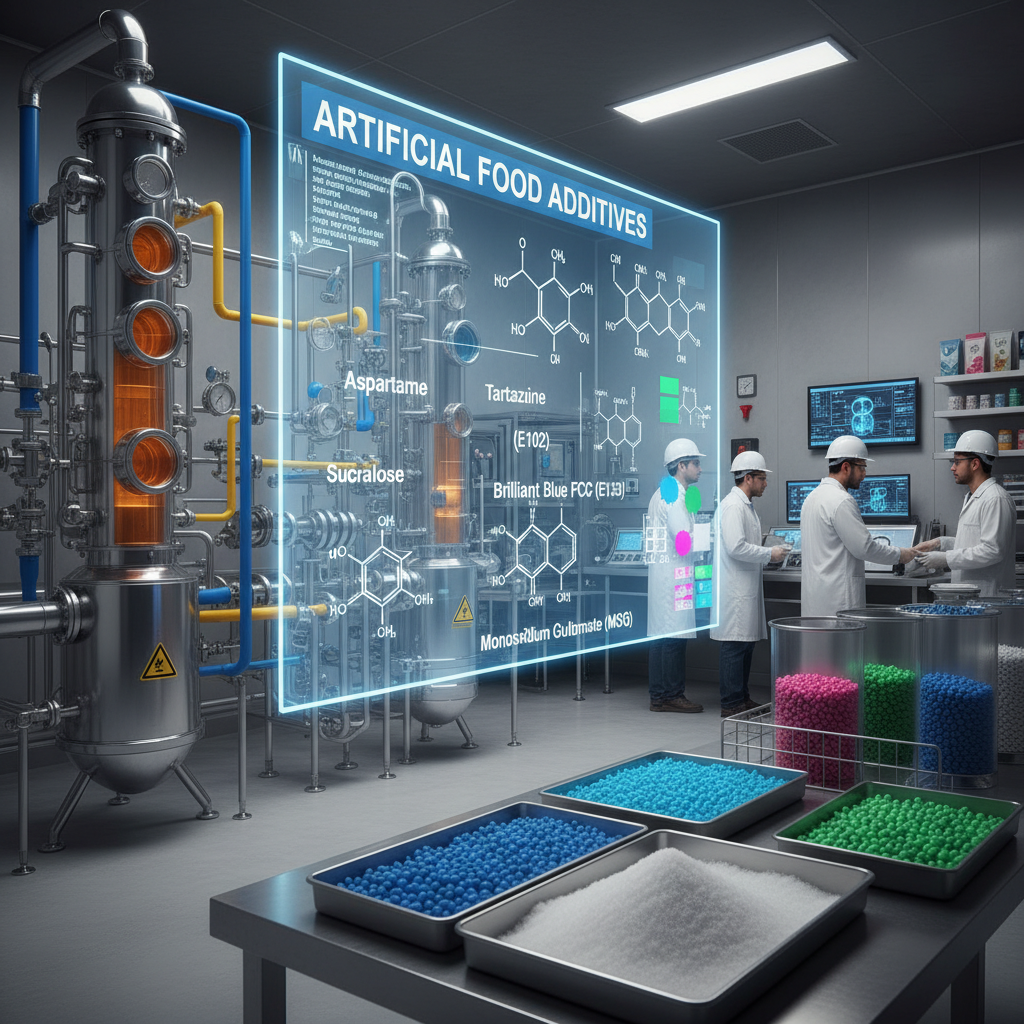
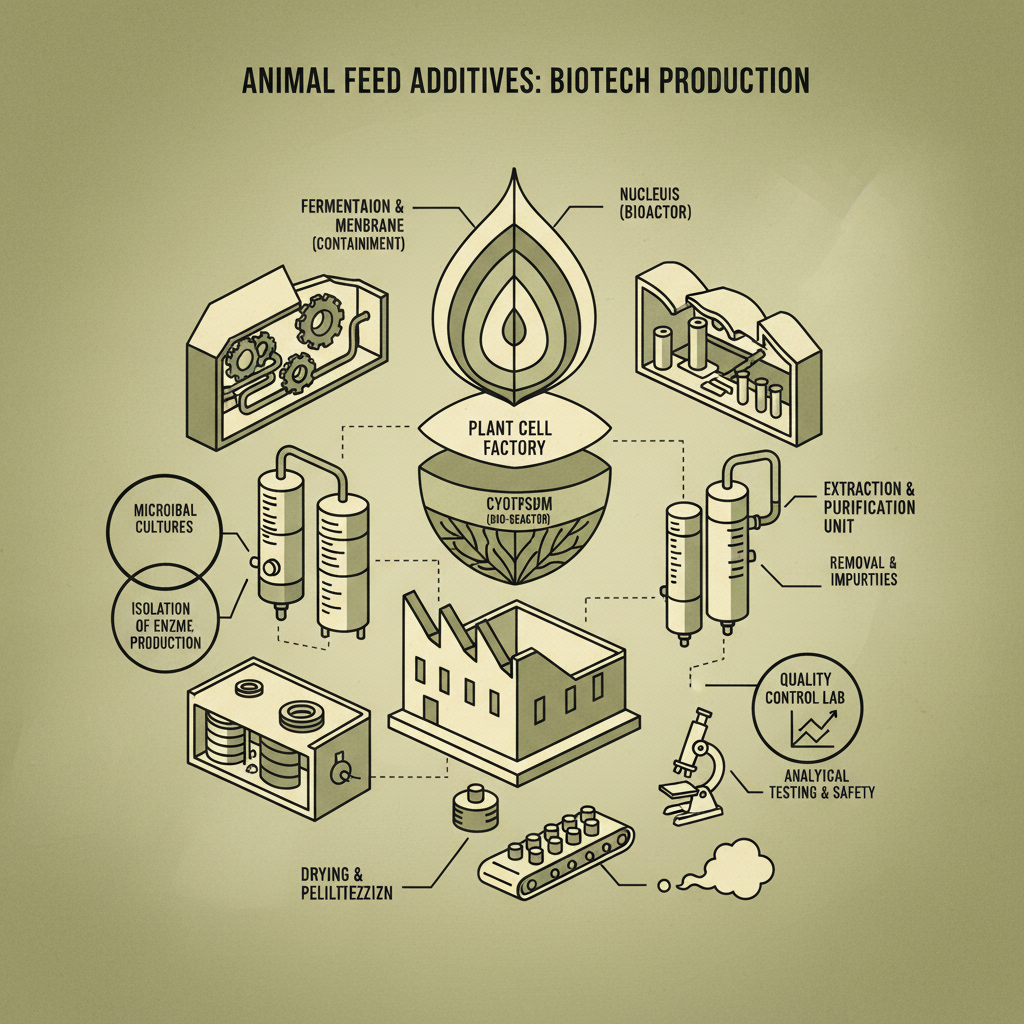
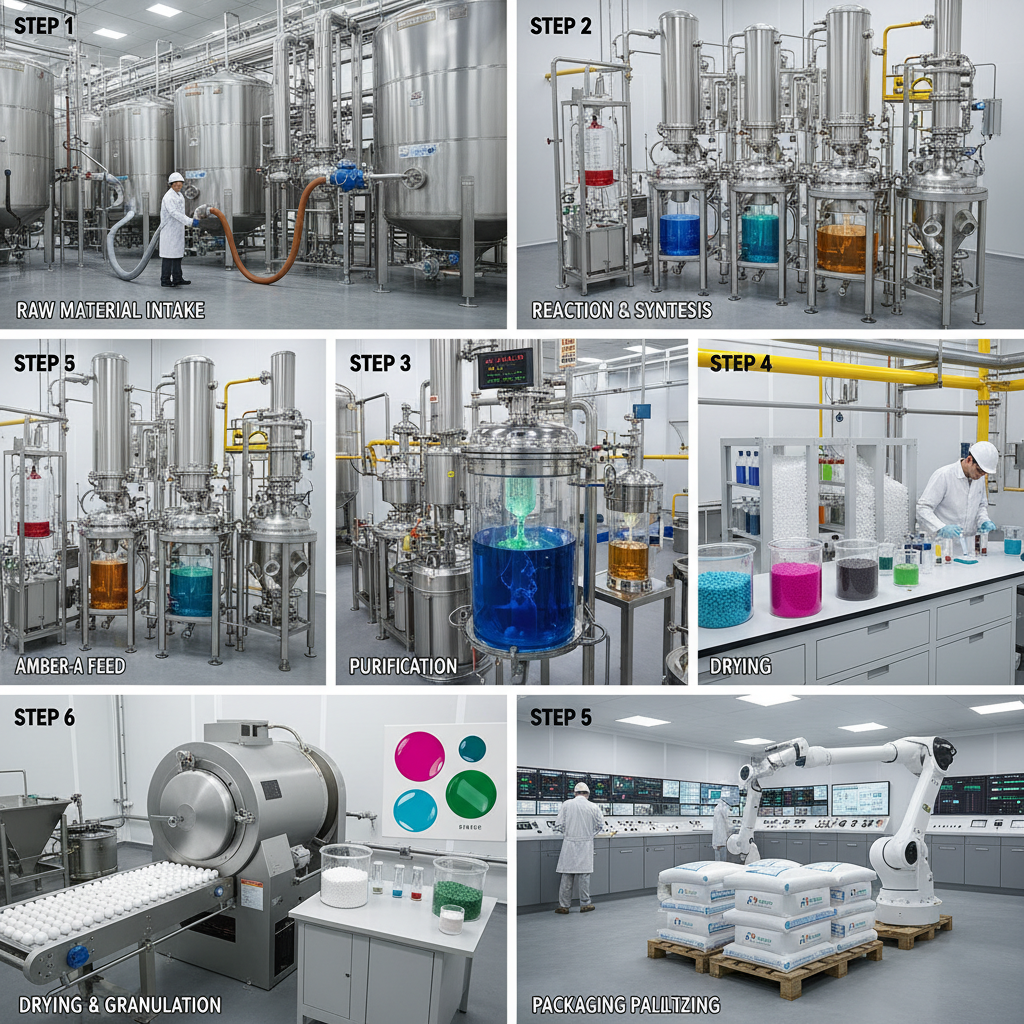
The codex standard for food additives serves as the international benchmark for food safety and quality, ensuring that substances added to food are used safely and consistently across global borders. By providing a scientifically backed framework, it allows manufacturers to navigate the complex landscape of food chemistry while protecting consumer health. Understanding these standards is not merely a regulatory requirement but a strategic advantage for any business operating in the food, feed, or pharmaceutical sectors.
In an era of hyper-globalized supply chains, the relevance of the codex standard for food additives has never been more critical. With food products traveling thousands of miles from production sites to consumers, a unified set of guidelines prevents trade disputes and ensures that a preservative used in one continent meets the safety requirements of another. This harmonization reduces market entry barriers and fosters innovation in food preservation and fortification.
For professionals in the additive manufacturing industry, adhering to the codex standard for food additives means aligning production processes with the highest global expectations of purity and efficacy. Whether dealing with stabilizers, emulsifiers, or antioxidants, the Codex Alimentarius provides the essential "language" that allows regulators and producers to communicate effectively, ensuring that every ingredient serves its intended purpose without compromising safety.
Global Relevance of Codex Standard for Food Additives
The global food trade relies heavily on the consistency provided by the codex standard for food additives. According to data aligned with UN and WHO initiatives, the harmonization of food standards significantly reduces the risk of foodborne illnesses and prevents unnecessary trade barriers. Without these guidelines, the pharmaceutical and food additive industries would face a chaotic patchwork of national laws, making it nearly impossible to export high-quality intermediaries or finished additives.
Moreover, the challenge of food security in developing regions is addressed through these standards. By establishing safe levels for preservatives and antioxidants, the codex standard for food additives helps extend the shelf life of essential nutrients, reducing waste and ensuring that remote industrial zones have access to stable, safe food supplies. This creates a bridge between industrial capability and humanitarian need.
Defining the Scope of Food Additive Standards
In simple terms, the codex standard for food additives is a comprehensive set of guidelines created by the Codex Alimentarius Commission. It defines what constitutes a "food additive"—any substance not normally consumed as a food in itself, which is added for a technological purpose—and sets the maximum permitted levels (MPLs) for these substances across various food categories.
This definition is crucial because it separates nutritional additives (like vitamins) from purely technological additives (like emulsifiers). By clearly categorizing these substances, the codex standard for food additives ensures that manufacturers do not use additives to disguise poor quality ingredients, but rather to enhance safety and stability.
From a humanitarian and industrial perspective, this clarity allows for the rapid development of pharmaceutical intermediates and food-grade chemicals that can be trusted by health authorities worldwide. It transforms dry chemical parameters into a global safety language that protects the end consumer while allowing the manufacturer to scale.
Core Components of Codex Compliance
The first pillar of the codex standard for food additives is Toxicological Safety. Every additive must undergo rigorous evaluation by the Joint FAO/WHO Expert Committee on Food Additives (JECFA) to establish an Acceptable Daily Intake (ADI). This ensures that the substance does not pose a risk to human health over a lifetime of consumption.
Secondly, Technological Necessity is paramount. The codex standard for food additives stipulates that an additive should only be used if there is a reasonable technological need and if its use does not mislead the consumer. This prevents the over-use of chemicals and encourages the industry to seek the most efficient, minimal dosage for the desired effect.
Finally, Purity and Specification define the physical and chemical identity of the additive. The codex standard for food additives provides detailed purity criteria to ensure that contaminants, such as heavy metals or residual solvents from pharmaceutical intermediates, are kept well below hazardous thresholds.
Practical Application and Efficacy Metrics
Implementing the codex standard for food additives in a manufacturing setting requires a precise balance between chemical efficacy and regulatory limits. Manufacturers must implement strict batch-testing protocols to ensure that every shipment of food additives or pharmaceutical intermediates meets the exact specifications laid out by the Codex.
This practical application is often measured through performance indices, where additives are rated based on their ability to maintain food stability without exceeding the MPLs. The following data represents a typical comparative analysis of different additive application methods under Codex guidelines.
Additive Performance based on Codex Standard for Food Additives
International Use Cases and Regional Adoption
The application of the codex standard for food additives is most evident in the export of processed foods from Southeast Asia to the European Union. By adhering to Codex, manufacturers avoid the "regulatory shock" of having shipments rejected at customs due to unauthorized additives or excessive concentrations of preservatives.
In post-disaster relief operations, the use of Codex-compliant additives is life-saving. NGOs often rely on fortified foods and ready-to-use therapeutic foods (RUTFs) that utilize stabilizers and vitamins. Because these products follow the codex standard for food additives, they can be safely distributed across different countries regardless of local infrastructure, ensuring that malnutrition is fought with safe, standardized nutrients.
Long-Term Value of Standardized Additives
The long-term value of adhering to the codex standard for food additives extends far beyond mere legality; it is about building institutional trust. When a brand can prove its additives are Codex-compliant, it signals a commitment to consumer safety and transparency, which translates into brand loyalty and a higher market valuation.
From an operational standpoint, standardization leads to significant cost efficiencies. By using the codex standard for food additives, companies can streamline their R&D processes. Instead of formulating different versions of a product for ten different countries, they can create a single, "global-ready" formulation that meets the strictest common denominator of international safety.
Ultimately, this approach fosters innovation. When the safety boundaries are clearly defined by the Codex, chemists can focus their energy on creating "clean label" additives—natural alternatives that still meet the functional requirements of the codex standard for food additives—driving the industry toward a more sustainable and health-conscious future.
Future Trends in Global Additive Regulation
Looking ahead, the codex standard for food additives is evolving to integrate digital transformation and biotechnology. We are seeing a shift toward "precision additives," where AI is used to calculate the exact minimum dosage required for stability, reducing the chemical load in food while remaining strictly within Codex limits.
Sustainability is another driving force. Future updates to the codex standard for food additives are expected to emphasize additives derived from green chemistry and circular economy sources, such as additives extracted from food waste. This aligns the food industry with global climate goals without sacrificing safety.
Furthermore, the integration of blockchain for traceability will allow for real-time verification of Codex compliance. From the production of pharmaceutical intermediates to the final food product, every step of the additive's journey will be recorded, ensuring that the codex standard for food additives is maintained throughout the entire supply chain.
Comparative Analysis of Codex Standard Implementation across Additive Categories
| Additive Category |
Codex Purity Level |
Global Acceptance Score |
Regulatory Complexity |
| Preservatives |
High (99%+) |
9/10 |
Moderate |
| Emulsifiers |
Medium-High |
8/10 |
Low |
| Antioxidants |
Very High |
10/10 |
Moderate |
| Sweeteners |
High |
7/10 |
High |
| Thickeners |
Medium |
9/10 |
Low |
| Colorants |
High |
6/10 |
Very High |
FAQS
The primary goal is to protect consumer health and ensure fair practices in the food trade. By establishing internationally recognized safety standards and maximum permitted levels, it prevents the misuse of chemicals in food and harmonizes regulations between exporting and importing countries, reducing trade disputes.
The Codex is a set of voluntary guidelines (though often used as a basis for national law). While national laws (like FDA in the US or EFSA in the EU) may be stricter or vary slightly, the codex standard for food additives provides the baseline scientific consensus that most countries use to justify their own regulations.
While pharmaceutical intermediates are produced under different primary standards, any intermediate used as a precursor for a food-grade additive must ultimately result in a product that meets the purity and specification requirements of the codex standard for food additives to be legally used in food.
If a substance is not listed in the codex standard for food additives, it may be considered an unauthorized additive in many jurisdictions. Manufacturers must either apply for a new safety evaluation via JECFA or rely on specific national authorizations, which can significantly limit the product's global marketability.
The standards are updated continuously as new scientific evidence becomes available. JECFA regularly reviews the toxicological data of existing additives and evaluates new submissions, ensuring that the codex standard for food additives reflects the most current understanding of food safety and chemistry.
Codex compliance is a critical foundation, but the EU often has its own specific "E-number" system and may have more restrictive limits on certain additives. However, products following the codex standard for food additives generally find the process of achieving EU compliance much faster and easier.
Conclusion
In summary, the codex standard for food additives is the cornerstone of the global food additive industry. By integrating toxicological safety, technological necessity, and strict purity specifications, it ensures that the world's food supply remains safe and consistent. For manufacturers of food additives and pharmaceutical intermediates, adherence to these standards is the only viable pathway to achieving global scale, operational efficiency, and consumer trust.
As we move toward a future of green chemistry and digital traceability, the significance of these standards will only grow. We recommend that all industry stakeholders proactively align their quality control systems with the latest Codex updates to remain competitive and compliant. For high-quality, Codex-compliant additive solutions, visit our website: www.chinaseasoning.com