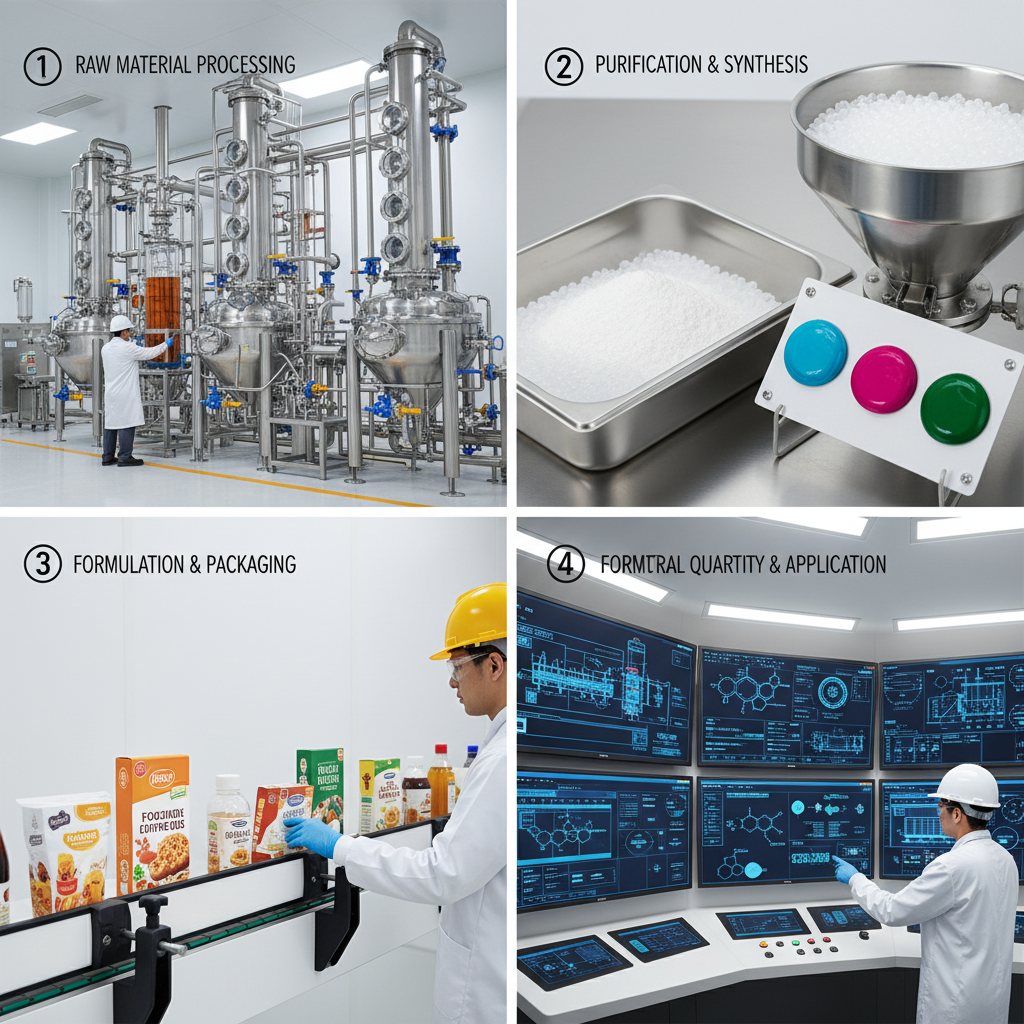
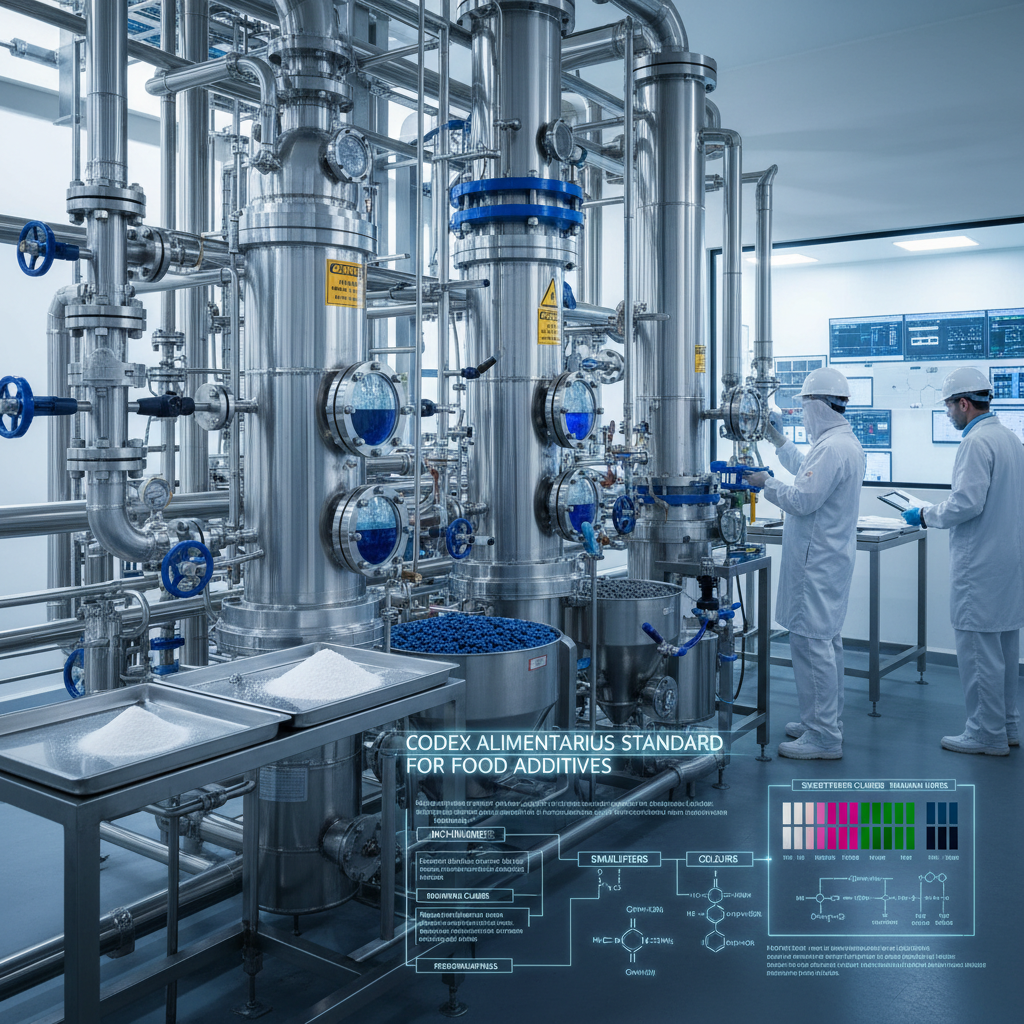
In the complex landscape of modern food production, understanding food additives and their uses is essential for ensuring both the safety and the quality of the global food supply. As urban populations grow and supply chains extend across continents, the ability to preserve nutrients and prevent spoilage becomes a matter of global food security rather than just industrial convenience.
From a technical perspective, these substances are not merely "fillers" but precision tools used to maintain consistency, enhance flavor profiles, and extend the shelf life of perishable goods. The science behind these components allows manufacturers to deliver affordable, high-quality nutrition to millions, reducing waste and optimizing the efficiency of food distribution systems.
Whether it is a stabilizer in a dairy product or a preservative in a baked good, the strategic application of these ingredients balances the delicate line between chemistry and culinary art. By delving into the specific roles of these substances, industry professionals can better navigate regulatory requirements and meet the evolving demands of health-conscious consumers.
Global Impact and Industry Context of Food Additives
On a global scale, the reliance on food additives and their uses has surged as the world moves toward more processed and convenient food options. According to data aligned with ISO standards and FAO guidelines, the reduction of food waste—a primary goal of the UN Sustainable Development Goals—is heavily dependent on the efficacy of preservatives and antioxidants that prevent premature decay during transit.
However, the industry faces a significant challenge: the "clean label" movement. Consumers are increasingly skeptical of synthetic ingredients, demanding transparency and natural alternatives. This tension has forced manufacturers to innovate, seeking bioactive compounds that offer the same functional benefits as traditional additives but with a more natural profile, ensuring that food remains safe without sacrificing consumer trust.
Defining Food Additives and Their Functional Purpose
In simple terms, additives are substances added to food to maintain or improve its safety, freshness, taste, texture, or appearance. When we discuss food additives and their uses, we are referring to a broad spectrum of ingredients—ranging from natural salts and citric acid to complex emulsifiers—that solve specific chemical problems in food matrices.
Their connection to modern humanitarian needs is profound. In regions plagued by food instability, fortified additives (such as vitamins and minerals) are used to combat malnutrition. By integrating essential micronutrients into staple foods, the industry can address widespread deficiencies on a systemic level, proving that these components are vital for public health.
Furthermore, the technical role of these additives extends to the stabilization of emulsions, such as preventing oil and water from separating in sauces, and the inhibition of microbial growth. This scientific precision ensures that food produced in one part of the world can be safely consumed in another, maintaining a consistent standard of quality.
Core Components of High-Quality Additives
One of the most critical aspects of food additives and their uses is Chemical Stability. An additive must remain active and effective throughout the product's shelf life, resisting degradation caused by heat, light, or oxidation, which is essential for maintaining the structural integrity of the food.
Bio-compatibility is equally important. Modern industry focuses on how these ingredients interact with the human body and other food components. The goal is to achieve the desired functional outcome—such as thickening or coloring—without altering the nutritional value or introducing adverse reactions, ensuring a seamless integration into the diet.
Lastly, Purity and Standardization form the bedrock of trust. High-grade additives must meet strict pharmaceutical-grade or food-grade specifications to ensure no contaminants are introduced. This rigorous approach to purity is what allows global brands to scale their production while adhering to the strict safety mandates of the FDA or EFSA.
Key Factors for Industrial Implementation
Implementing food additives and their uses requires a careful balance of cost-efficiency and performance. Manufacturers must evaluate the "dosage-to-effect" ratio, ensuring that the minimum amount of additive achieves the maximum desired result. This not only reduces costs but also aligns with the consumer preference for fewer ingredients on the label.
Scalability is another vital factor. An additive that works in a test kitchen must perform identically in a 10,000-liter industrial vat. This requires a deep understanding of shear forces, temperature fluctuations, and mixing dynamics to ensure that the additive is distributed uniformly across the entire batch.
Performance Metrics of Different Food Additive Categories
Global Applications Across Food Sectors
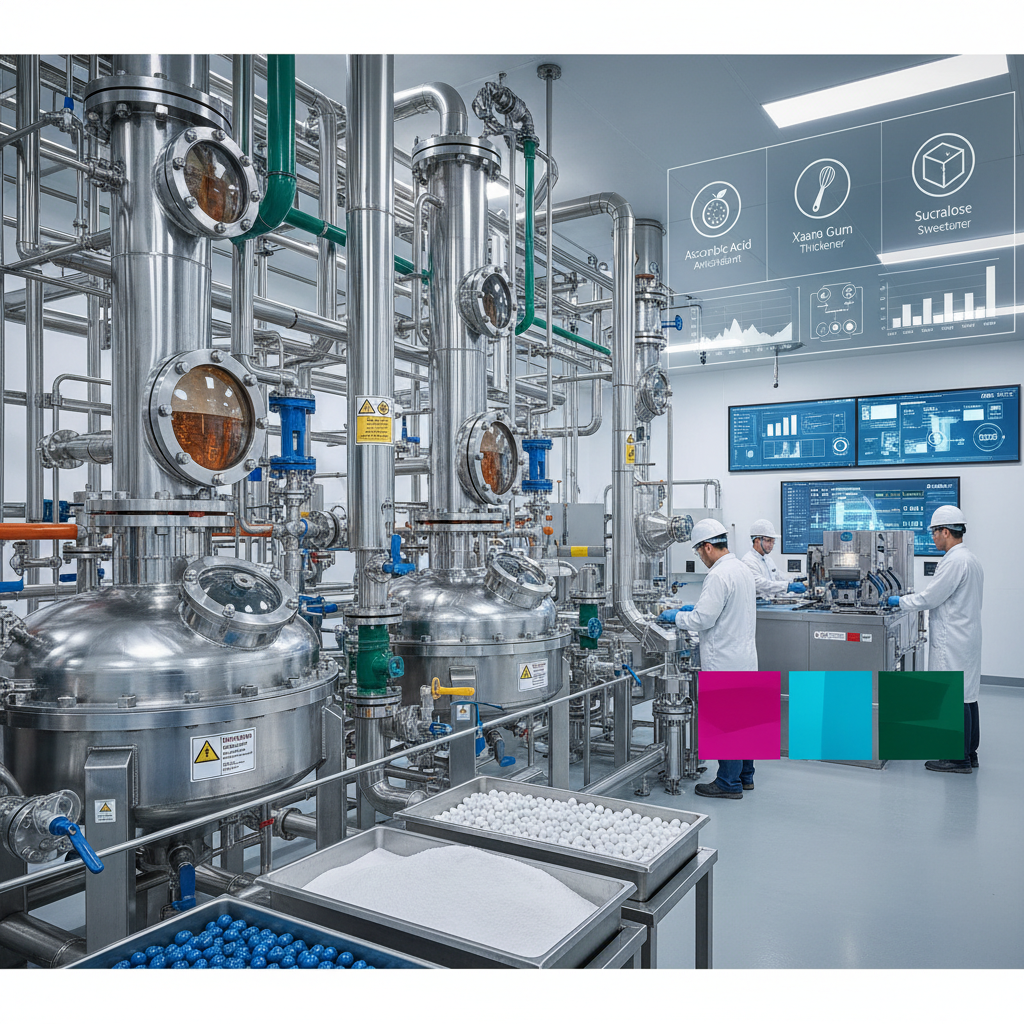
The practical application of food additives and their uses spans every imaginable food category. In the beverage industry, acidulants like citric acid are used not only for tartness but to regulate pH levels, which inhibits bacterial growth. In the bakery sector, enzymes and emulsifiers ensure that bread maintains its softness and volume over several days of storage.
Beyond commercial retail, these solutions are critical in emergency relief operations. For instance, in post-disaster zones, high-calorie, nutrient-dense pastes (RUTF) rely on specific stabilizers and preservatives to remain viable in extreme temperatures without refrigeration, providing life-saving nutrition to displaced populations in remote industrial or disaster-prone zones.
Long-Term Value and Sustainability Benefits
The long-term value of optimizing food additives and their uses lies in the drastic reduction of global food waste. By extending the shelf life of produce and processed goods, additives reduce the frequency of disposal, lowering the carbon footprint associated with food production and transport. This creates a logical link between food chemistry and environmental sustainability.
From a social perspective, these additives ensure food dignity. They allow for the production of consistent, safe, and affordable food options for lower-income populations, removing the volatility of seasonal availability. When a consumer can trust that a product is safe and nutritious regardless of where it was manufactured, it fosters a global environment of trade and trust.
Innovation in this field also drives economic growth. The development of new, plant-based additives creates entire sub-industries in biotechnology, pushing the boundaries of what is possible in food science. This shift from purely synthetic to "bio-identical" ingredients represents the next evolution of industrial food manufacturing.
Future Innovations in Additive Technology
The future of food additives and their uses is leaning heavily toward "Green Chemistry." We are seeing a shift toward fermentation-derived additives and the use of CRISPR technology to create proteins that act as natural emulsifiers. These innovations aim to eliminate the need for synthetic chemicals entirely, moving toward a fully circular bio-economy.
Digital transformation is also playing a role. AI-driven formulation software can now predict how different additives will interact within a specific food matrix, allowing chemists to simulate thousands of combinations in seconds. This acceleration of R&D means that the transition to cleaner, safer, and more efficient additives is happening faster than ever before.
Furthermore, the integration of "smart" additives—those that can signal when food is starting to spoil through a color change—is on the horizon. This will transform the way we perceive "best before" dates, moving from arbitrary calendar days to real-time chemical indicators of freshness.
Comparative Analysis of Additive Innovation Trends
| Innovation Path |
Primary Goal |
Technical Feasibility |
Market Impact |
| Plant-based Emulsifiers |
Clean Labeling |
High (8/10) |
Widespread Adoption |
| Fermentation-derived Acids |
Sustainability |
Medium (7/10) |
Rapid Growth |
| AI-Optimized Blends |
Cost Reduction |
High (9/10) |
Operational Efficiency |
| Smart-Indicator Additives |
Freshness Monitoring |
Low (4/10) |
Disruptive Potential |
| Nano-encapsulated Nutrients |
Bioavailability |
Medium (6/10) |
Pharmaceutical Grade |
| Natural Antioxidant Extracts |
Health Enhancement |
High (9/10) |
Consumer Preference |
FAQS
No, many food additives are naturally occurring substances. For example, citric acid is found in citrus fruits, and lecithin is derived from soy or eggs. When we discuss food additives and their uses, it's important to distinguish between synthetic chemicals and natural extracts, both of which are strictly regulated by health authorities to ensure they are safe for consumption at specified levels.
They work through several mechanisms: preservatives inhibit the growth of bacteria, molds, and yeasts; antioxidants prevent the oxidation of fats (which causes rancidity); and chelating agents bind to metal ions that would otherwise catalyze spoilage. Together, these actions maintain the food's chemical stability and prevent biological degradation.
A nutrient provides energy or essential biological building blocks (like protein or vitamins) for the body. A food additive is primarily used to achieve a technical goal—such as texture, color, or preservation. However, some additives, like fortified vitamins, serve both purposes by improving the nutritional profile of the food while maintaining its stability.
The transition involves replacing synthetic agents with natural alternatives, such as using rosemary extract instead of BHA for oxidation control, or using starch and gums derived from plants for thickening. This requires rigorous testing to ensure the natural substitute provides the same level of protection and consistency as the synthetic version.
Yes, the Codex Alimentarius, established by the FAO and WHO, provides a global set of standards and guidelines. These are supplemented by regional authorities like the FDA in the US and EFSA in Europe, ensuring that food additives and their uses are consistent with global safety benchmarks.
Ideally, most additives are designed to be tasteless and odorless. However, some are specifically used as flavor enhancers to amplify existing tastes. The goal of a professional formulation is to ensure that functional additives (like stabilizers) do not interfere with the intended sensory profile of the product.
Conclusion
In summary, the strategic application of food additives and their uses is a cornerstone of modern civilization's ability to maintain a stable, safe, and nutritious food supply. By balancing chemical stability, bio-compatibility, and regulatory compliance, the food industry can significantly reduce waste and improve the accessibility of high-quality nutrition across the globe.
Looking forward, the industry must continue to embrace the transition toward green chemistry and AI-driven formulation to meet the rising demand for transparency and sustainability. By investing in natural alternatives and smart technology, manufacturers can ensure that food production remains efficient while aligning with the health and environmental values of the next generation. Visit our website for more professional insights: www.chinaseasoning.com