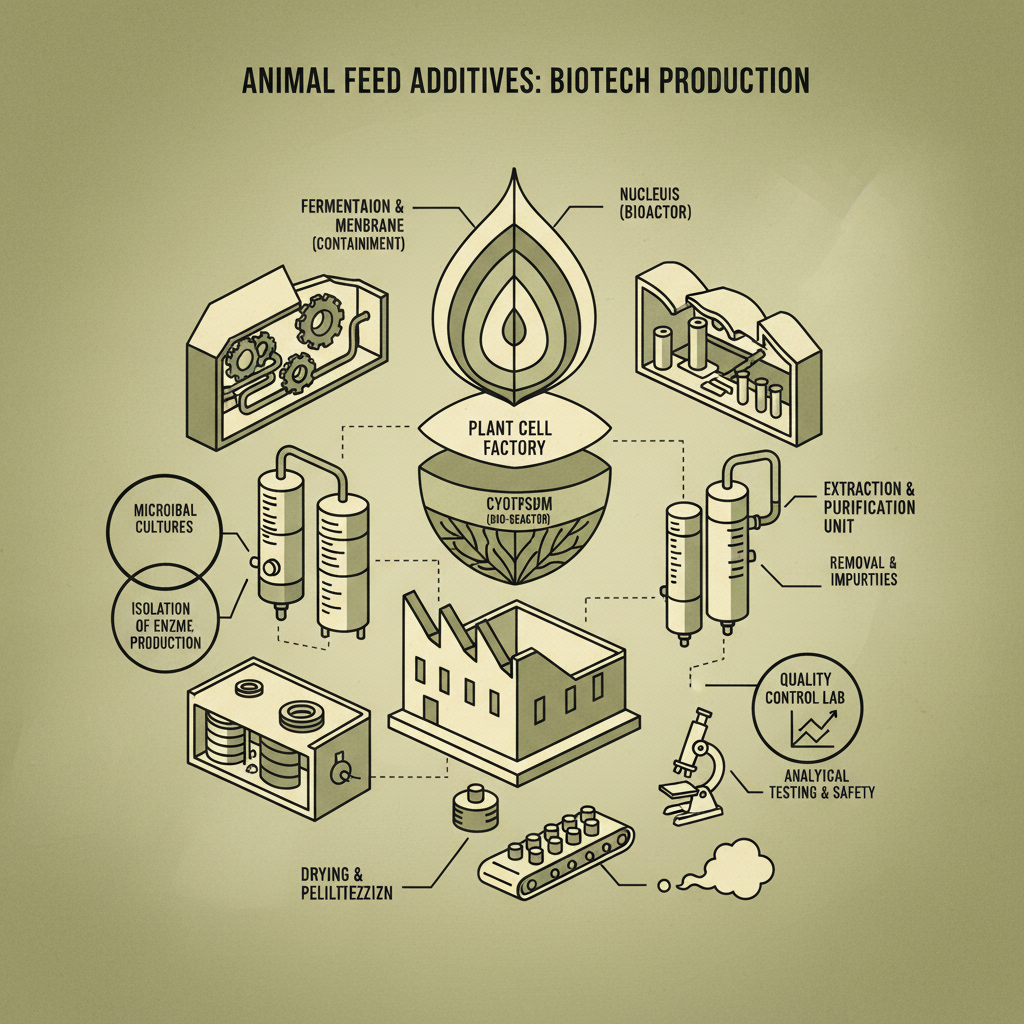
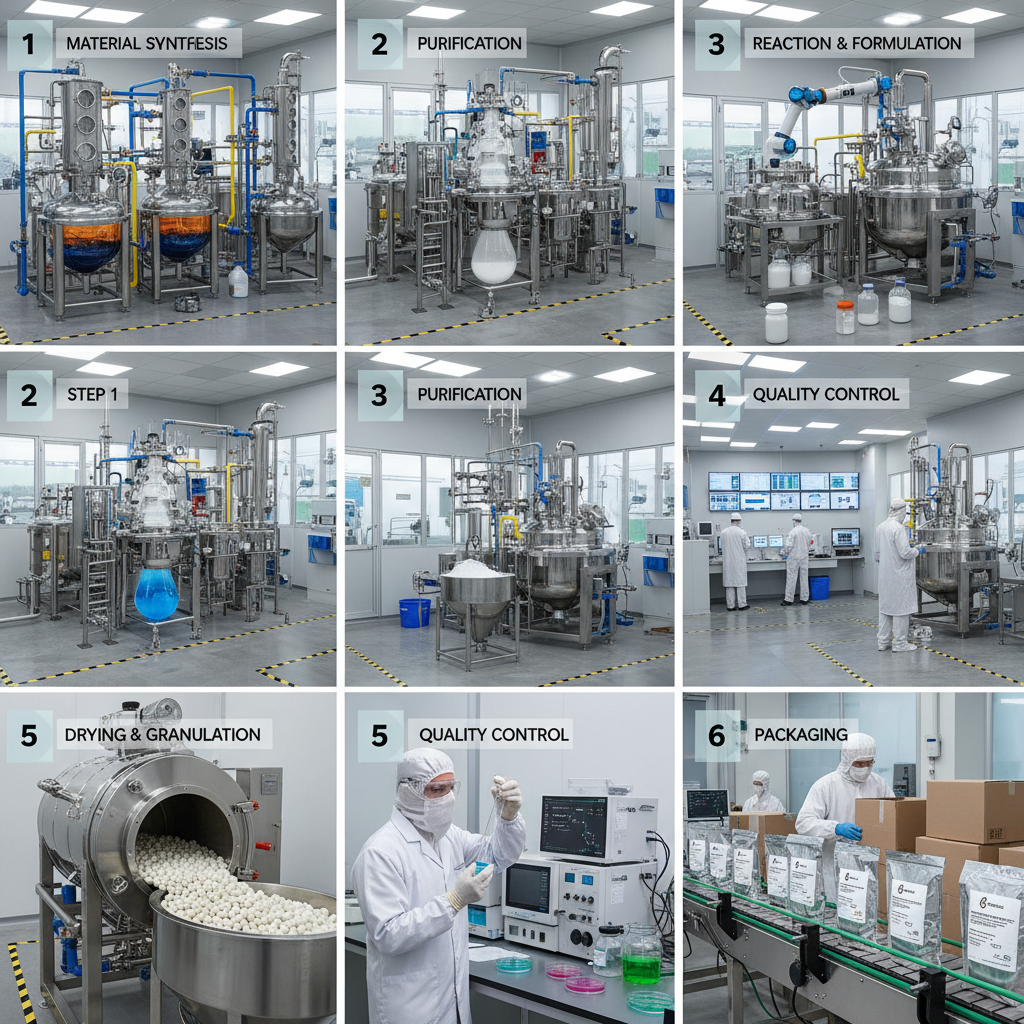
In the modern food processing landscape, the strategic application of food additives and their technological function serves as the backbone of global food security and quality consistency. These substances are not merely supplements but are precise chemical tools designed to maintain the structural integrity, safety, and sensory appeal of food products during production, transport, and storage. Understanding these functions allows manufacturers to reduce waste and provide consistent nutrition to a growing population.
Across the globe, the demand for convenience and long-shelf-life products has surged, making the study of food additives and their technological function more critical than ever. From the emulsifiers that keep our dressings blended to the preservatives that prevent spoilage in remote areas, these ingredients solve the fundamental challenge of biological degradation. Without these technological interventions, the global supply chain would struggle to deliver safe, affordable food to urban centers and rural outskirts alike.
However, the industry currently faces a delicate balancing act between high-performance chemical utility and the increasing consumer demand for "clean label" ingredients. This shift is driving a revolution in how we perceive food additives and their technological function, moving away from synthetic alternatives toward bio-based and naturally derived functional agents. By blending rigorous science with sustainable sourcing, the food additive industry is redefining the boundary between industrial efficiency and nutritional purity.
The Fundamental Role of Food Additives and Their Technological Function
At its most basic level, the integration of food additives and their technological function is about controlling the physical and chemical environment of a food matrix. Whether it is adjusting the pH level to inhibit bacterial growth or using hydrocolloids to create a specific mouthfeel, these additives perform "work" that naturally occurring ingredients often cannot sustain over time. This allows for the standardization of taste and texture regardless of the raw material's seasonal variance.
Furthermore, the technological function extends to the protection of nutrients. Many additives act as antioxidants, preventing the oxidation of essential fats and vitamins, thereby ensuring that the end consumer receives the intended nutritional value. This intersection of chemistry and nutrition is what allows modern food systems to be both scalable and healthy, bridging the gap between farm-gate production and consumer plates.
Global Standards and Regulatory Frameworks for Food Additives
The application of food additives and their technological function is governed by a strict set of global guidelines to ensure consumer safety. Organizations such as the Codex Alimentarius Commission, established by the FAO and WHO, provide the international benchmark for food standards. These regulations dictate the Acceptable Daily Intake (ADI) and the specific conditions under which an additive can be used, ensuring that the technological benefit does not compromise human health.
In different regions, these standards are adapted to local needs. For instance, the European Food Safety Authority (EFSA) often employs a precautionary principle, while the US FDA focuses on the "Generally Recognized as Safe" (GRAS) status. Despite these differences, the core objective remains the same: validating that the technological function of an additive—such as preservation or stabilization—is achieved through the minimum effective dose.
As global trade expands, the harmonization of these standards is crucial. Manufacturers producing for multiple markets must navigate a complex web of permitted additives. This challenge has led to a rise in "universal" additive formulations that meet the strictest global requirements, effectively raising the quality floor for the entire food industry worldwide.
Core Categories of Technological Functions in Food Processing
The diversity of food additives and their technological function can be broadly categorized into several key pillars. First are the preservatives, which act as antimicrobial agents to extend shelf life by inhibiting mold and bacteria. These are vital for the logistics of global food distribution, allowing products to travel thousands of miles without spoiling.
Secondly, we encounter stabilizers and emulsifiers. These additives address the inherent instability of oil-and-water mixtures. By reducing interfacial tension, they ensure that products like mayonnaise or plant-based creams maintain a homogenous texture, preventing phase separation and ensuring a consistent consumer experience across every batch.
Lastly, textural modifiers and flavor enhancers optimize the sensory profile of food. From the crispness of a snack to the richness of a savory sauce, these additives manipulate the physical properties of the food matrix. This precise control over "mouthfeel" and "aroma release" is what makes modern processed foods palatable and appealing to a global audience.
Performance Metrics of Different Additive Applications
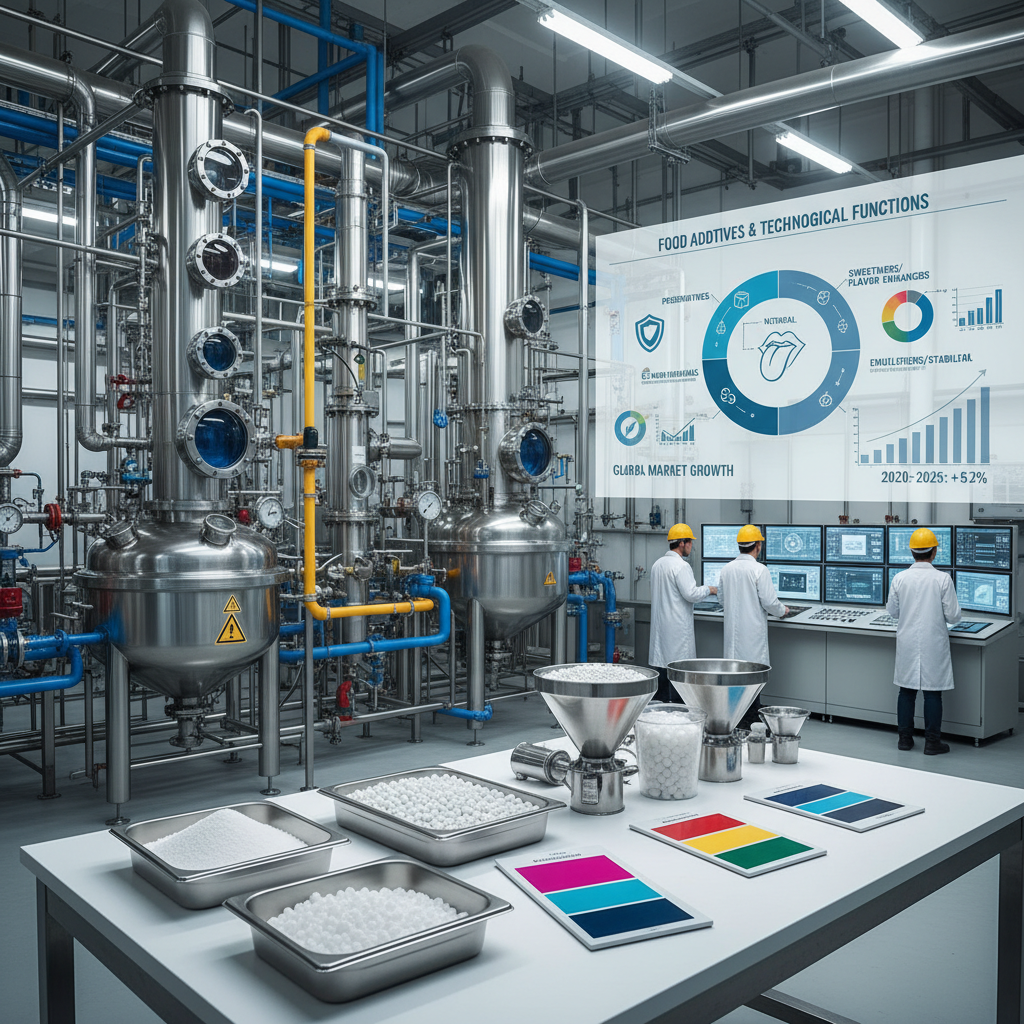
Measuring the efficacy of food additives and their technological function requires a combination of analytical chemistry and sensory evaluation. For example, the stability of an emulsion is measured by its viscosity over time and its resistance to temperature fluctuations. High-performance additives provide a "stability window" that allows food to withstand the rigors of shipping in varying climates.
Another critical metric is the "cleanliness" of the flavor profile. An additive that achieves its technological goal but leaves a chemical aftertaste is considered a failure in the premium food sector. Therefore, the industry focuses on synergy—combining multiple additives in small quantities to achieve a superior result compared to using a single high-dose ingredient.
Technological Efficiency Ratings of Food Additive Categories
Industrial Use Cases Across Diverse Food Sectors
In the dairy industry, the application of food additives and their technological function is visible in the production of ultra-filtered milks and vegan alternatives. For example, in oat milk, enzymes and stabilizers are used to prevent the sedimentation of particles, ensuring the liquid remains creamy and consistent from the first sip to the last.
Similarly, in the bakery sector, dough conditioners and emulsifiers optimize the fermentation process and crumb structure. This not only improves the volume and softness of the bread but also extends its freshness, reducing the frequency of store-level waste and providing consumers with a reliable product.
Long-Term Value: Sustainability and Food Waste Reduction
One of the most overlooked advantages of food additives and their technological function is their contribution to environmental sustainability. By significantly extending the shelf life of perishable goods, these ingredients directly combat the global crisis of food waste. When a product lasts two weeks longer due to an effective antioxidant or preservative, it reduces the carbon footprint associated with premature disposal and overproduction.
Moreover, additives allow for the "upcycling" of food by-products. For instance, certain stabilizers enable the incorporation of fruit pulps or vegetable fibers—which would otherwise be discarded—back into food products without compromising the texture or taste. This circular approach to manufacturing turns waste into value.
From a logical and emotional standpoint, this creates a system of trust and reliability. Consumers in food-insecure regions gain access to stable nutrition, and manufacturers can scale their operations knowing that their products will reach the end-user in peak condition. The long-term value is thus not just economic, but humanitarian.
Future Innovations in Functional Food Chemistry
The future of food additives and their technological function is moving toward "smart" and "bio-active" ingredients. We are seeing the rise of encapsulated additives that release their functional properties only under specific conditions—such as a change in pH during digestion or a specific temperature during cooking. This precision allows for even lower dosages and higher efficiency.
Digital transformation is also playing a role, with AI being used to predict how different additive combinations will interact with specific food matrices. This reduces the need for trial-and-error in the lab, accelerating the development of clean-label alternatives that mimic the performance of synthetic additives.
Sustainability is the ultimate driver, leading to the development of additives derived from algae, fungi, and agricultural side-streams. These green alternatives aim to provide the same technological functions—stabilizing, preserving, and enhancing—while aligning with the global push toward a carbon-neutral food system.
Analysis of Emerging Functional Additive Trends and Their Efficacy
| Additive Source |
Primary Tech Function |
Efficiency Score (1-10) |
Sustainability Level |
| Algae-derived Hydrocolloids |
Thickening & Gelation |
9 |
Very High |
| Fermented Plant Proteins |
Emulsification |
7 |
High |
| Natural Polyphenols |
Antioxidant/Preservation |
8 |
High |
| Enzymatic Modifiers |
Texture Optimization |
10 |
Medium |
| Mycelium-based Fibers |
Bulk & Structure |
6 |
Very High |
| Citrus-derived Pectins |
Stabilization |
8 |
High |
FAQS
The technological function refers to the specific physical or chemical effect an additive has on a food product. This includes preventing spoilage (preservation), keeping ingredients from separating (emulsification), maintaining a consistent thickness (stabilization), or enhancing the visual appeal (coloration). Essentially, it is the "job" the additive does to ensure the food is safe, stable, and appetizing.
Yes, provided they are used within the limits set by regulatory bodies like the FDA or EFSA. Every approved additive undergoes rigorous toxicological testing to determine its Acceptable Daily Intake (ADI). When used correctly, the technological function is achieved without posing a risk to human health, as the concentrations used in commercial foods are typically far below safety thresholds.
In many cases, yes, although sometimes a higher concentration or a combination of natural ingredients is required to match the efficiency of a synthetic version. For example, rosemary extract can act as a natural antioxidant similar to BHA/BHT. The industry is currently investing heavily in "natural equivalents" to satisfy clean-label demands while maintaining the same high-performance standards.
Additives extend the shelf life of food by inhibiting the growth of microorganisms and preventing chemical oxidation. This means food can be transported further and stored longer without losing its safety or quality. By reducing the amount of food that spoils before it reaches the consumer, additives play a critical role in sustainable food systems.
A food additive is added to perform a technological function (like preservation or texture), whereas a nutritional supplement is added to provide a health benefit (like adding Vitamin D to milk). While some ingredients can do both, the "additive" designation specifically refers to the functional utility within the food matrix rather than the nutritional value provided to the body.
The transition involves replacing synthetic additives with bio-based alternatives and utilizing synergistic blends. For instance, replacing a synthetic emulsifier with a combination of lecithin and plant-based fibers can often achieve a similar stability. This usually requires a reformulation process and the use of advanced stability testing to ensure the technological function remains intact.
Conclusion
The sophisticated interplay of food additives and their technological function is what enables the modern food industry to operate at scale while maintaining safety and quality. From the precision of emulsifiers to the critical nature of preservatives, these ingredients solve complex chemical challenges, reducing waste and ensuring that diverse populations have access to consistent nutrition. By balancing regulatory compliance with industrial efficiency, additives bridge the gap between raw agricultural output and a stable, global food supply.
Looking forward, the evolution toward bio-based and smart additives promises a future where technological performance and "clean label" transparency coexist. For manufacturers and developers, the key to success lies in embracing these sustainable innovations to meet changing consumer preferences without compromising the structural integrity of their products. To explore high-quality solutions for your food processing needs, we invite you to visit our website: www.chinaseasoning.com.