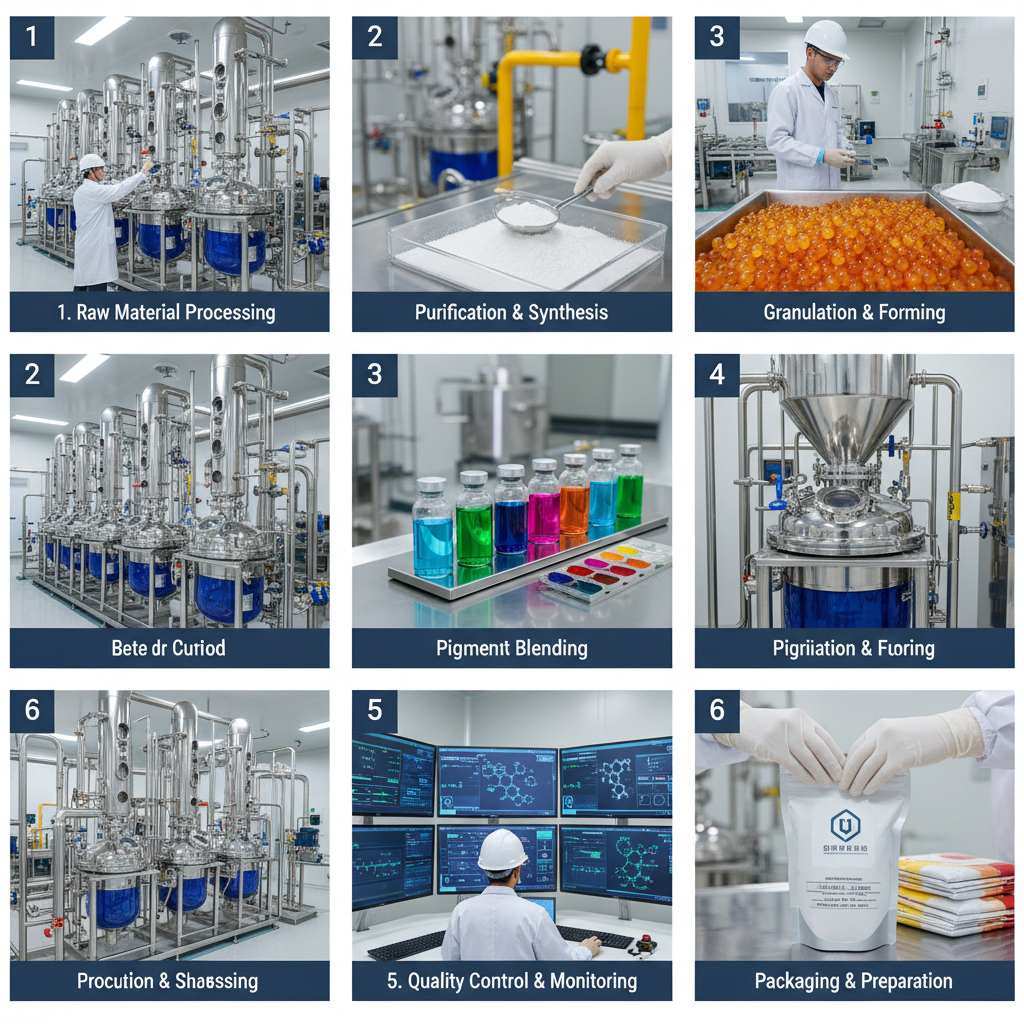
In the complex ecosystem of modern food production, the food additives technological function serves as the invisible backbone that ensures consistency, safety, and quality. From maintaining the structural integrity of baked goods to preventing spoilage in processed meats, these functional components allow manufacturers to scale production while meeting rigorous global safety standards. Understanding these mechanisms is not merely a technical requirement but a strategic advantage for brands aiming to optimize their product lifecycle and consumer appeal.
Globally, the demand for sophisticated food additive solutions has surged as supply chains stretch across continents. The ability to manipulate the technological function of an additive—such as its emulsifying power or antimicrobial efficacy—directly impacts the shelf-life and nutritional stability of food products. As urban populations grow and the need for convenient, ready-to-eat meals increases, the precision of these additives becomes paramount in reducing food waste and ensuring food security.
However, the industry currently faces a delicate balancing act: maximizing the food additives technological function while adhering to the "clean label" trend. Consumers are increasingly wary of synthetic ingredients, pushing scientists to develop natural alternatives that perform with the same efficiency as their chemical predecessors. This evolution is driving a new era of innovation in food chemistry, where bio-based stabilizers and natural preservatives are redefining how we preserve and enhance the foods we consume daily.
Global Significance of Food Additives Technological Function
The global food industry relies heavily on the food additives technological function to bridge the gap between raw agricultural produce and consumer-ready products. According to data trends aligned with ISO standards for food safety, the integration of functional additives has reduced global food spoilage rates significantly, allowing for the distribution of nutrients to remote regions that lack cold-chain infrastructure.
In a world where population growth puts immense pressure on food systems, the ability to enhance the stability and shelf-life of staples is a humanitarian necessity. By optimizing the technological function of preservatives and antioxidants, manufacturers can prevent the oxidation of fats and the growth of pathogens, ensuring that calorie-dense foods remain safe for consumption over extended periods.
Defining the Core Mechanisms of Food Additives
At its most basic level, the food additives technological function refers to the specific physical or chemical action an ingredient performs within a food matrix. This is not about adding "fillers," but about employing precise molecular tools to achieve a desired result—be it the stabilization of an emulsion, the regulation of acidity, or the inhibition of microbial growth. For instance, an emulsifier functions by reducing the interfacial tension between oil and water, preventing separation in products like mayonnaise.
These functions are categorized based on their primary objective: preservation, textural modification, or sensory enhancement. The technological function of a stabilizer, for example, involves the creation of a network that prevents the coalescence of droplets or the sedimentation of particles. This ensures that the consumer experiences a uniform texture and flavor profile every time they open a package, regardless of where the product was manufactured.
Connecting these definitions to modern industrial needs, we see that the "function" is often a response to a specific challenge. In pharmaceutical intermediates used in food-grade supplements, the technological function might involve enhancing the bioavailability of a nutrient or protecting a sensitive vitamin from degradation during the heating process of extrusion. This synergy between food science and pharmaceutical precision is what defines the current state of the art.
Essential Factors for Functional Optimization
To achieve a peak food additives technological function, manufacturers must prioritize chemical stability. If an additive breaks down under the high temperatures of pasteurization or the acidity of a citrus-based product, its functional value is lost. Stability ensures that the additive performs consistently throughout the entire shelf-life of the product.
Synergistic Compatibility is equally critical. Often, a single additive is not enough; instead, a combination of ingredients is used to enhance the food additives technological function. For example, combining certain phosphates with hydrocolloids can create a superior moisture-retention effect in processed meats that neither ingredient could achieve alone.
Finally, Concentration Precision dictates the success of the application. Using too little of a functional additive leads to product failure (e.g., oil separation), while using too much can negatively impact the taste or violate regulatory limits. The goal is to find the "minimum effective dose" that satisfies the technological requirement without compromising the purity of the food.
Practical Industrial Applications and Use Cases
In real-world contexts, the application of the food additives technological function varies by region and product type. In Southeast Asia, where humidity is high, the use of advanced anti-caking agents in powdered seasonings is vital to maintain flowability and prevent clumping. Meanwhile, in European markets, there is a heavy emphasis on using enzymatic additives to improve the texture of gluten-free breads, providing a "mouthfeel" that mimics traditional wheat.
Beyond commercial retail, these functions are critical in emergency relief operations. In post-disaster zones, the use of fortified, shelf-stable pastes (like RUTF - Ready-to-Use Therapeutic Food) relies on a complex food additives technological function. Emulsifiers and stabilizers ensure that high-calorie fats and proteins remain blended and palatable without refrigeration, providing life-saving nutrition to malnourished populations in remote industrial or conflict zones.
Efficiency Analysis of Food Additives Technological Function Methods
Tangible Advantages and Long-Term Value
The primary advantage of optimizing the food additives technological function is a dramatic reduction in operational costs. By extending shelf-life through precise preservative functions, companies reduce the frequency of stock write-offs and decrease the carbon footprint associated with frequent transport. This logical efficiency creates a sustainable business model that benefits both the producer and the end-consumer through more stable pricing.
From an emotional and social perspective, these technological functions build a bridge of trust. When a consumer buys a product and finds it tastes exactly the same as it did a year ago, it creates a sense of reliability and safety. The innovation in "invisible" food science—where the technological function is maximized while the chemical footprint is minimized—reflects a commitment to consumer dignity, providing high-quality nutrition regardless of socio-economic status.
Future Trends in Additive Innovation
The future of the food additives technological function is leaning heavily toward "Green Chemistry." We are seeing a shift toward bio-fermentation and the use of algae-based polymers to replace synthetic hydrocolloids. These new materials are designed to be biodegradable and sustainably sourced, aligning the industry with global ESG (Environmental, Social, and Governance) goals.
Digital transformation is also playing a role. AI-driven molecular modeling allows scientists to predict the technological function of a new additive before it is even synthesized in a lab. This acceleration of the R&D cycle means that "tailor-made" additives can be developed for specific food matrices, maximizing efficiency while using the lowest possible concentrations of ingredients.
Automation in the mixing and application phase is further refining how these additives are integrated. Precision dosing systems ensure that the technological function is perfectly calibrated across massive batches, eliminating human error and reducing waste. This move toward "Smart Food Manufacturing" ensures that every gram of additive contributes meaningfully to the final product's quality.
Overcoming Technical Challenges in Implementation
Despite the benefits, implementing a high-performance food additives technological function is often hindered by regulatory disparities. An additive that is functionally superior in one market may be banned or strictly limited in another. This forces global manufacturers to create multiple formulations for the same product, increasing complexity and cost.
Another challenge is the "clean label" paradox: consumers want the benefits of the technological function (like a long shelf life) but do not want the chemicals that provide it. The solution lies in the development of "processing aids"—substances that perform their technological function during production but are not present in the final product, thus allowing for a simpler ingredient list.
Expert insights suggest that the path forward is through education and transparency. By explaining the necessity of these functions in maintaining food safety and reducing waste, brands can shift the consumer narrative. When the technological function is framed as a tool for sustainability rather than a "chemical additive," acceptance grows, paving the way for continued innovation.
Comparative Analysis of Functional Additive Performance by Category
| Additive Category |
Primary Technological Function |
Efficiency Score (1-10) |
Sustainability Level |
| Emulsifiers |
Interfacial Tension Reduction |
9.5 |
Medium |
| Preservatives |
Microbial Growth Inhibition |
8.8 |
Low-Medium |
| Stabilizers |
Viscosity & Texture Control |
7.2 |
High |
| Antioxidants |
Oxidation Prevention |
8.0 |
Medium |
| Acidulants |
pH Regulation/Flavor Balance |
9.0 |
High |
| Humectants |
Moisture Retention |
6.5 |
Medium |
FAQS
It is the specific purpose an additive serves to improve the product. For example, in bread, the technological function of an emulsifier is to improve dough stability and volume, while in canned soup, the function of a thickener is to maintain a consistent creamy texture without the ingredients separating during storage.
Yes, although it often requires higher concentrations or a combination of different natural sources. For example, rosemary extract can perform the antioxidant technological function similarly to synthetic BHA/BHT, although the formulation may need adjustment to avoid altering the product's taste profile.
High-efficiency additives reduce costs by decreasing waste, extending shelf-life, and allowing for more efficient processing. While a high-performance additive might have a higher unit price, its ability to replace multiple cheaper ingredients or prevent batch failure often leads to a lower overall cost per unit.
When used correctly according to GRAS (Generally Recognized as Safe) guidelines, no. In fact, many additives enhance nutrition by protecting vitamins from heat or light degradation, ensuring that the food retains its intended nutritional value until it reaches the consumer.
Regulation is typically handled by bodies like the FDA (USA), EFSA (EU), and the Codex Alimentarius. They evaluate the technological function to ensure the additive is necessary and that its use is safe for human consumption at the specified levels.
A food additive remains in the final product to perform its technological function throughout the shelf-life. A processing aid performs its function during the manufacturing process (e.g., as a filter or catalyst) but is removed or neutralized before the final product is packaged.
Conclusion
In summary, the food additives technological function is far more than a chemical necessity; it is a critical tool for global food security, industrial efficiency, and consumer satisfaction. By mastering the balance between chemical stability, synergistic compatibility, and regulatory compliance, manufacturers can create products that are not only delicious and appealing but also safe and sustainable for a growing global population.
Looking forward, the industry must continue to pivot toward bio-based solutions and AI-driven optimization to meet the demands of the conscious consumer. The evolution from synthetic to natural functionality will define the next decade of food science. For businesses seeking to elevate their product quality through precision additives, embracing these innovations is the only way to remain competitive in a transparent, health-oriented market. Visit our website: www.chinaseasoning.com