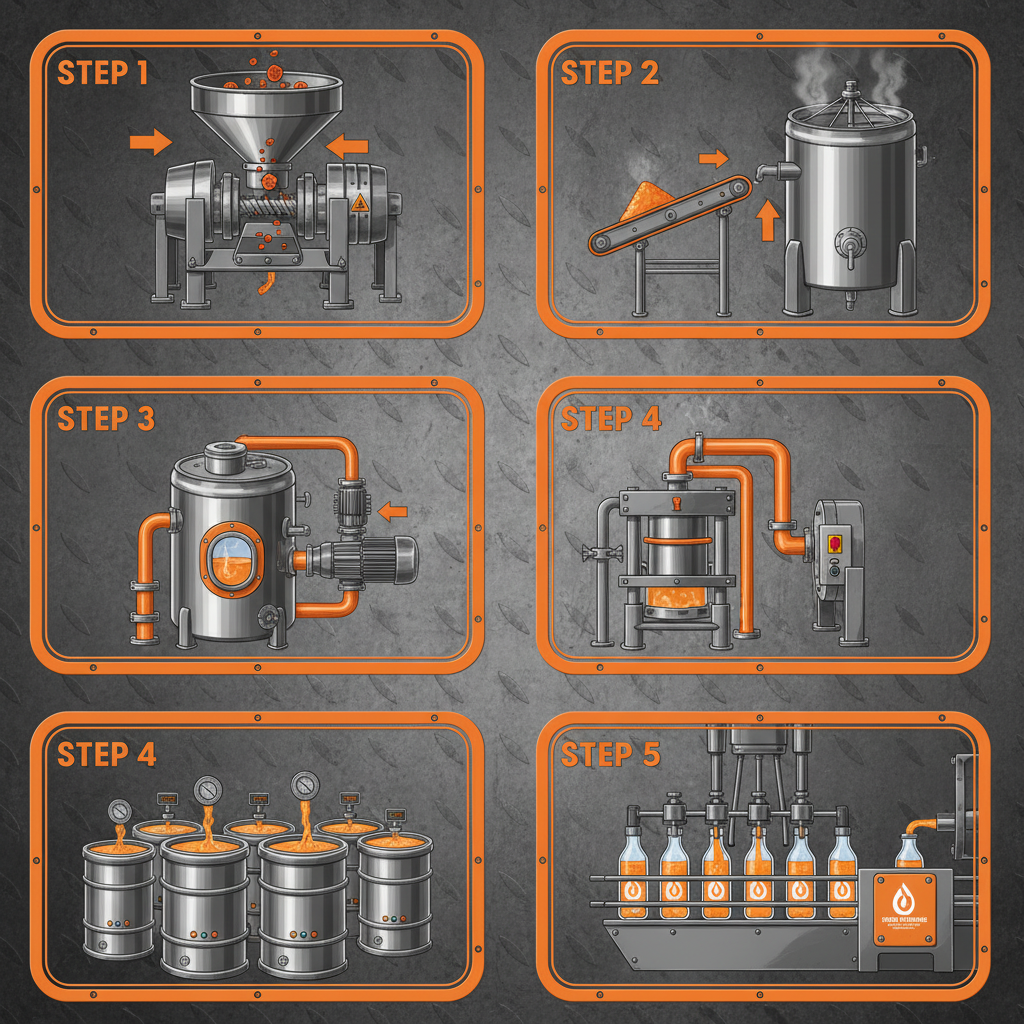
Understanding the functions of additives in food is essential for anyone involved in the modern food supply chain, from manufacturers to nutritionists. These substances are not merely "extras" but are critical components that ensure the safety, stability, and quality of the food we consume daily. By optimizing the interaction between raw ingredients and specialized additives, the industry can reduce waste and improve nutritional delivery on a global scale.
In a world facing fluctuating food security and increasing urbanization, the role of food chemistry has become a cornerstone of public health. The strategic use of additives allows for the transport of perishable goods across continents without compromising their integrity. This systemic efficiency is what enables a diverse, year-round food availability that was impossible just a century ago.
Beyond simple preservation, the diverse functions of additives in food encompass a wide array of technical goals, including texture modification, flavor enhancement, and fortification. By exploring these functions, we can better appreciate how science bridges the gap between raw agricultural output and the high-standard commercial products found on supermarket shelves.
Global Industry Context of Food Additives
The global food additive market is a multi-billion dollar industry that underpins the entire processed food sector. According to data aligned with ISO standards and global food safety guidelines, the demand for stabilizers, emulsifiers, and preservatives has surged as emerging economies adopt Western-style diets and logistics networks expand. The primary driver is the need to maintain a consistent quality of food regardless of the geographic origin of the raw materials.
However, the industry faces a significant challenge: the tension between the necessity of these chemical functions and the growing consumer demand for "clean label" products. Balancing the functions of additives in food with natural alternatives requires sophisticated R&D and a deep understanding of molecular gastronomy and food science.
Defining the Technical Meaning of Food Additives
In simple terms, food additives are substances added to food to maintain or improve its safety, freshness, taste, texture, or appearance. They are not ingredients used for their nutritional value primarily, but for their technical properties. Whether it is a preservative that prevents the growth of mold or an emulsifier that stops oil and water from separating, these substances are precision tools used by food scientists.
The connection to modern humanitarian needs is profound. For instance, in regions plagued by food insecurity, the functions of additives in food enable the creation of nutrient-dense, shelf-stable therapeutic foods (like RUTF) used by organizations such as the World Food Programme. Without these additives, life-saving nutrition could not be transported to remote areas without spoiling.
From an industrial perspective, these additives are the "invisible engineers" of the food world. They allow for the scaling of production from a local kitchen to a global factory, ensuring that a product tastes and feels the same whether it is sold in New York, Tokyo, or London.
Core Components of Additive Functionality
One of the primary aspects of additive functionality is Preservation and Shelf-Life Extension. By inhibiting microbial growth and oxidation, these additives prevent spoilage and foodborne illnesses, which is one of the most critical functions of additives in food. This ensures that food remains safe for consumption over longer periods.
Another core component is Texture and Consistency Control. Emulsifiers and thickeners ensure that sauces remain smooth and baked goods stay moist. This structural stability is a key part of the functions of additives in food, preventing syneresis (water separation) and improving the "mouthfeel" that consumers associate with high-quality products.
Finally, Nutritional Fortification serves as a vital function. Adding vitamins and minerals to staple foods—such as folic acid in flour or iodine in salt—addresses widespread micronutrient deficiencies. This transforms basic food into a vehicle for public health improvement, highlighting the social value of these technical interventions.
Global Applications and Real-World Use Cases
In practice, the functions of additives in food are applied across diverse sectors. In the pharmaceutical intermediates and food additive crossover, we see the use of high-purity stabilizers in medical-grade nutrition. For example, in post-disaster relief operations, MREs (Meals Ready-to-Eat) rely heavily on antioxidants and acidity regulators to remain edible for years in extreme temperatures.
In remote industrial zones, such as mining camps in the Arctic or deserts, the logistics of fresh food are impossible. Here, additives enable the production of frozen and dehydrated meals that retain their nutritional profile and sensory appeal, ensuring the mental and physical well-being of workers in isolated environments.
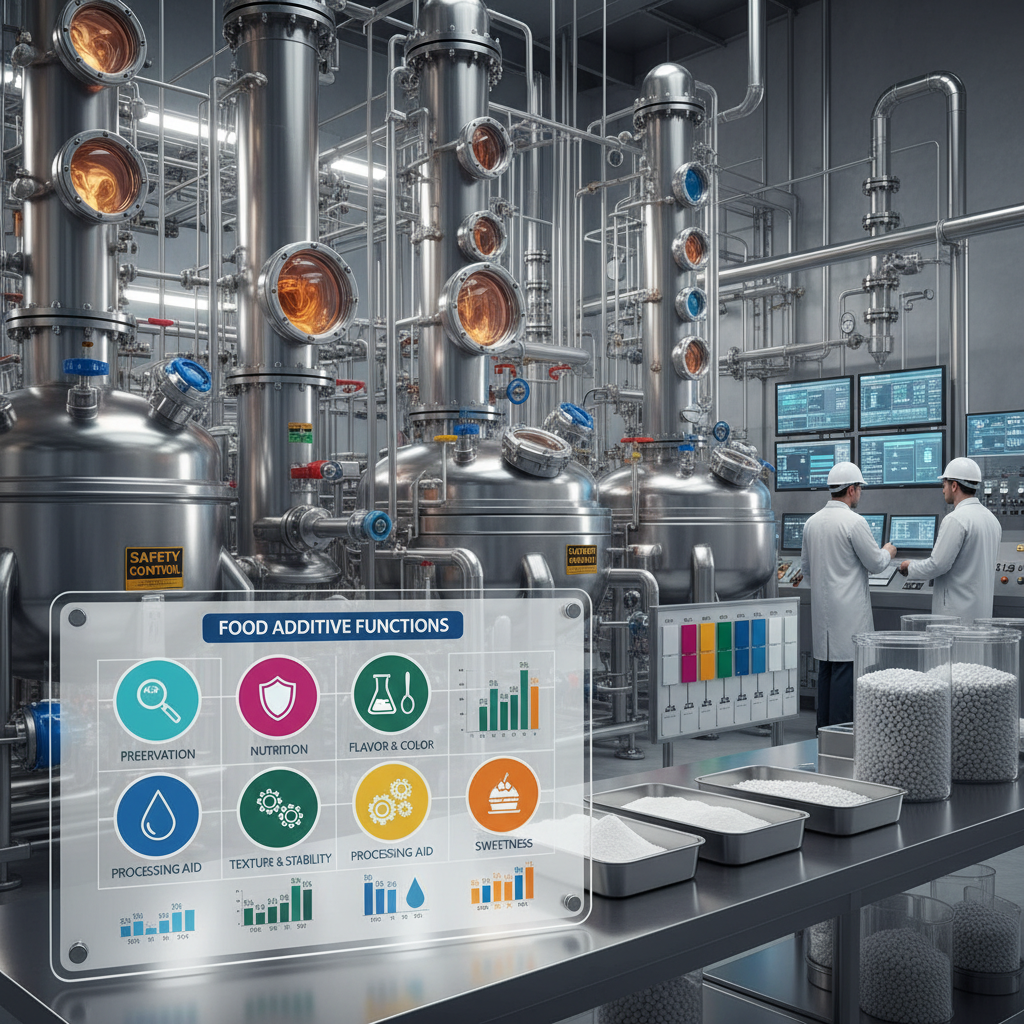
Comparative Efficiency of Various Additive Functions in Food
Long-Term Advantages and Value Creation
The long-term value of utilizing the functions of additives in food lies in economic sustainability. By significantly reducing food waste—which the UN estimates at nearly one-third of all food produced—additives directly contribute to a more sustainable planet. Reducing spoilage means fewer resources are wasted in the farming and transport phases.
From a consumer perspective, these functions provide reliability and trust. When a consumer buys a product, they expect a consistent experience. The technical precision of food additives ensures that safety is non-negotiable, providing peace of mind and dignity in food access across different socioeconomic strata.
Future Trends and Green Innovations
The future of food additives is moving toward "biotech-driven" solutions. We are seeing a shift toward enzymatic additives and fermented proteins that perform the same functions of additives in food but are perceived as more natural. This digital transformation in food chemistry allows for the "molecular tailoring" of additives to be more efficient at lower concentrations.
Sustainability is also driving the adoption of plant-based emulsifiers and natural antioxidants derived from rosemary or green tea. These "green" additives aim to maintain the high performance of synthetic counterparts while aligning with the global push toward organic and eco-friendly production.
Furthermore, the integration of AI in food formulation is allowing manufacturers to predict how different additives will interact over time. This reduces the trial-and-error phase of product development, leading to faster innovation cycles and more precise control over the final product's shelf-life and nutritional profile.
Challenges and Expert Solutions in Food Chemistry
One of the primary challenges is the "perception gap"—the widespread fear of anything labeled as a "chemical additive." This often leads to the removal of functional additives without adequate replacements, which can ironically increase food waste or compromise safety. The solution lies in transparent labeling and consumer education regarding the actual functions of additives in food.
Another technical hurdle is the interaction between different additive classes, where one may neutralize the effect of another. Expert food chemists solve this by using synergistic blends—combining two or more additives that work together to achieve a result greater than the sum of their parts, thereby reducing the overall amount of additive needed.
Regulatory divergence across different countries (e.g., EU vs. FDA) also poses a challenge for global exporters. The industry is moving toward a more harmonized approach, with a greater reliance on Codex Alimentarius standards to ensure that food additive functions are recognized and safe across all borders.
Summary Analysis of Functional Additive Categories and Impact
| Additive Category |
Primary Technical Function |
Industry Impact Score |
Sustainability Rating |
| Preservatives |
Microbial Inhibition |
10/10 |
High (Waste Reduction) |
| Emulsifiers |
Phase Stabilization |
8/10 |
Medium |
| Antioxidants |
Oxidation Prevention |
9/10 |
High (Natural Options) |
| Thickeners |
Viscosity Control |
7/10 |
Medium |
| Acidulants |
pH Regulation |
8/10 |
High |
| Fortificants |
Nutritional Enhancement |
9/10 |
Very High (Social) |
FAQS
The most common functions include preservation (extending shelf life), stabilization (maintaining texture and preventing separation), nutritional fortification (adding vitamins), and sensory enhancement (improving color, taste, and aroma). Each function addresses a specific technical challenge in food processing.
No, many additives are naturally derived. For example, citric acid can be produced through fermentation, and tocopherols (Vitamin E) are used as natural antioxidants. The industry is increasingly moving toward these natural alternatives to meet "clean label" consumer demands.
By inhibiting the growth of bacteria, yeast, and molds, preservatives drastically extend the time food remains safe to eat. This reduces the amount of produce and processed goods discarded at the retail and consumer levels, making the food supply chain more sustainable.
Yes, through a process called fortification. Additives like iodine, iron, and various B vitamins are added to staple foods to prevent widespread malnutrition and deficiency diseases in populations where dietary diversity is limited.
Ingredients are primarily used for their bulk, flavor, or nutritional properties (like flour or sugar). Additives are used in smaller quantities specifically for their technical function—such as maintaining a specific pH or preventing oil separation—rather than for their flavor or caloric value.
Safety is determined through rigorous toxicological testing and the establishment of an Acceptable Daily Intake (ADI). Organizations like JECFA (Joint FAO/WHO Expert Committee on Food Additives) evaluate data to ensure that the functions of additives in food do not compromise human health.
Conclusion
In summary, the functions of additives in food are indispensable to the modern global economy. From preventing mass food spoilage and ensuring the safety of processed goods to addressing micronutrient deficiencies through fortification, these chemical and biological tools provide a foundation of reliability and health. By balancing technical efficiency with the transition toward natural and sustainable alternatives, the industry continues to evolve to meet both safety standards and consumer preferences.
Looking forward, the integration of green chemistry and AI-driven formulation will likely redefine how we perceive food additives. Rather than viewing them as "unnatural," we should recognize them as essential components of a sustainable food future. For those seeking high-quality solutions in feed and food additives, we invite you to explore our professional grade products. Visit our website: www.chinaseasoning.com