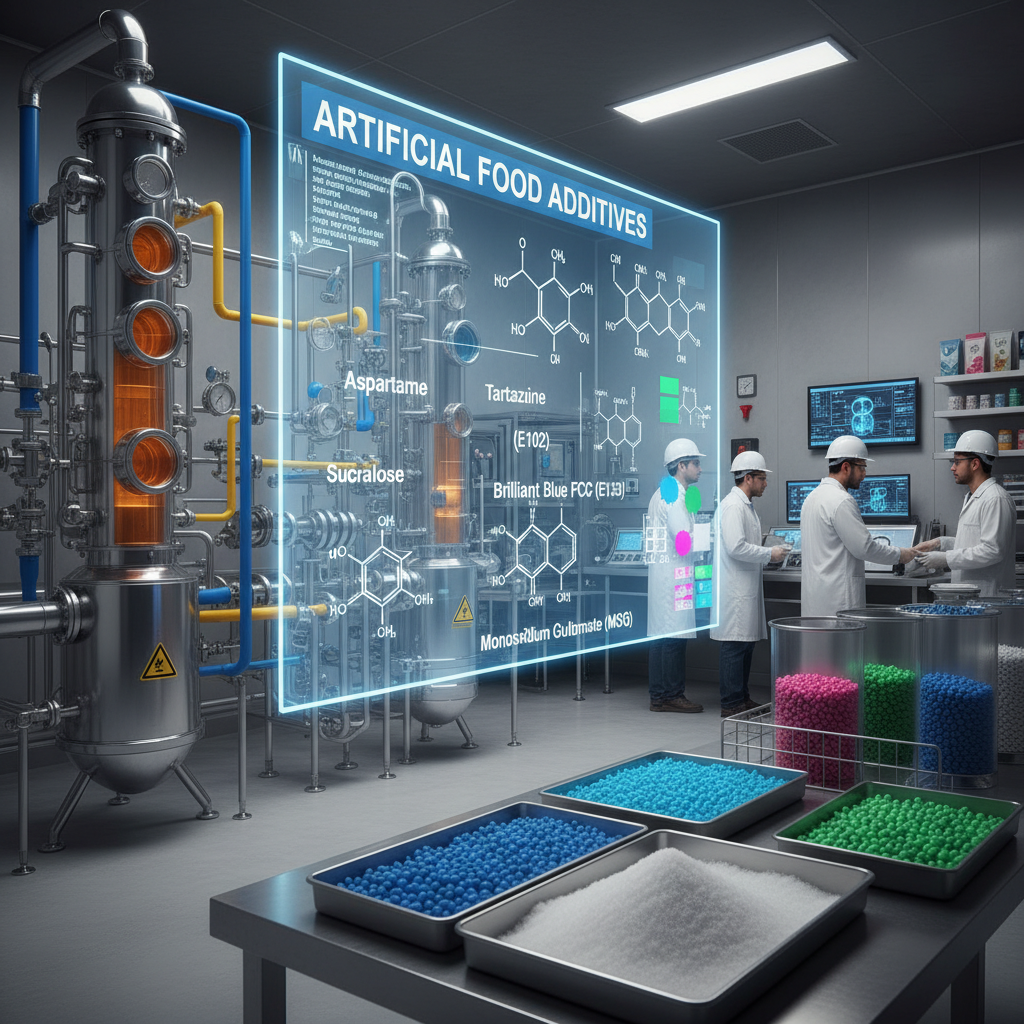
Understanding the diverse range of additives examples in food is essential for anyone navigating the complexities of modern food science and industrial manufacturing. These substances are not merely "chemicals" but are critical tools used to enhance shelf life, maintain nutritional value, and ensure the safety of the global food supply chain. By exploring specific examples, producers can optimize their formulations to meet stringent international quality standards while satisfying consumer demands for taste and texture.
From a global perspective, the application of food additives has evolved from simple preservation methods, like salting, to sophisticated biotechnological interventions. In an era of rapid urbanization and long-distance logistics, the ability to prevent spoilage and maintain consistency across different batches is paramount. This ensures that high-quality nutrition reaches remote areas, reducing food waste and stabilizing market prices across various socioeconomic regions.
For manufacturers specializing in feed additives, food additives, and pharmaceutical intermediates, mastering the nuance of these ingredients allows for a competitive edge in innovation. Whether it is the use of emulsifiers to achieve a perfect creamy texture or antioxidants to prevent lipid oxidation, the strategic selection of additives examples in food directly impacts the commercial viability and consumer trust of a finished product.
Global Relevance and Industry Context of Food Additives
The global food industry operates within a high-pressure environment where food security and waste reduction are top priorities. According to data from the FAO, nearly one-third of all food produced for human consumption is lost or wasted globally. This is where additives examples in food play a pivotal role; by extending the stability of perishable goods, additives reduce the frequency of spoilage and lower the carbon footprint associated with food waste.
Furthermore, the rise of processed foods in emerging economies has created a surge in demand for additives that can maintain nutritional integrity during high-heat processing. The challenge lies in balancing the technical necessity of these substances with the increasing consumer demand for "clean label" products. Industry leaders are now tasked with innovating additives that are both highly effective and naturally derived to meet these evolving regulatory and social expectations.
Defining the Scope of Additives Examples in Food
In simple terms, additives examples in food refer to any substance added to food to maintain or improve its safety, freshness, taste, texture, or appearance. These range from common salts and sugars used for preservation to complex synthetic esters used as emulsifiers. They are not monolithic; they are categorized by their functional purpose, such as preservatives, colorants, flavor enhancers, and stabilizers.
The connection to modern industry is profound. For companies producing pharmaceutical intermediates or specialized feed additives, the chemistry used in food additives often overlaps. The precision required to create a stable food additive—ensuring it doesn't react negatively with other ingredients—is the same precision required in the synthesis of medical-grade compounds. This cross-industry synergy allows for faster innovation in food safety.
Ultimately, food additives address a fundamental humanitarian need: the democratization of nutrition. By making nutrient-dense foods more stable and affordable, additives allow populations in food-insecure regions to access essential vitamins and minerals that would otherwise degrade quickly in tropical or underdeveloped environments.
Core Components for Selecting Effective Additives
When analyzing additives examples in food, the first core component to consider is Chemical Stability. An additive must remain active and effective throughout the product's intended shelf life, resisting degradation from UV light, oxygen, or temperature fluctuations. This ensures that a preservative added today still protects the food six months from now.
Another critical factor is Bio-compatibility and Safety. Every instance of additives examples in food must adhere to the E-E-A-T principles of the industry: Expertise, Authoritativeness, Trustworthiness, and safety. This means selecting ingredients that are GRAS (Generally Recognized as Safe) and compliant with EFSA or FDA regulations to prevent adverse health effects in consumers.
Finally, Cost Efficiency and Scalability determine whether a technical success becomes a commercial success. In mass production, even a slight increase in the cost of a stabilizer can erase profit margins. Therefore, the most successful additives examples in food are those that provide maximum functional benefit at the lowest possible dosage.
Global Applications and Industrial Use Cases
In real-world contexts, additives examples in food are applied across diverse sectors. For instance, in the dairy industry of Northern Europe, stabilizers are used to prevent the separation of fats in low-fat yogurts, maintaining a premium mouthfeel. Meanwhile, in the beverage industry of Southeast Asia, acidulants like citric acid are crucial for balancing flavor profiles and inhibiting microbial growth in high-humidity environments.
Beyond commercial retail, these additives are vital in disaster relief operations. NGOs often deploy fortified biscuits and ready-to-use therapeutic foods (RUTF) in conflict zones. These products rely heavily on antioxidants and emulsifiers to ensure they remain calorie-dense and safe to eat without refrigeration for several years, proving that food additives can be a lifeline in extreme humanitarian crises.
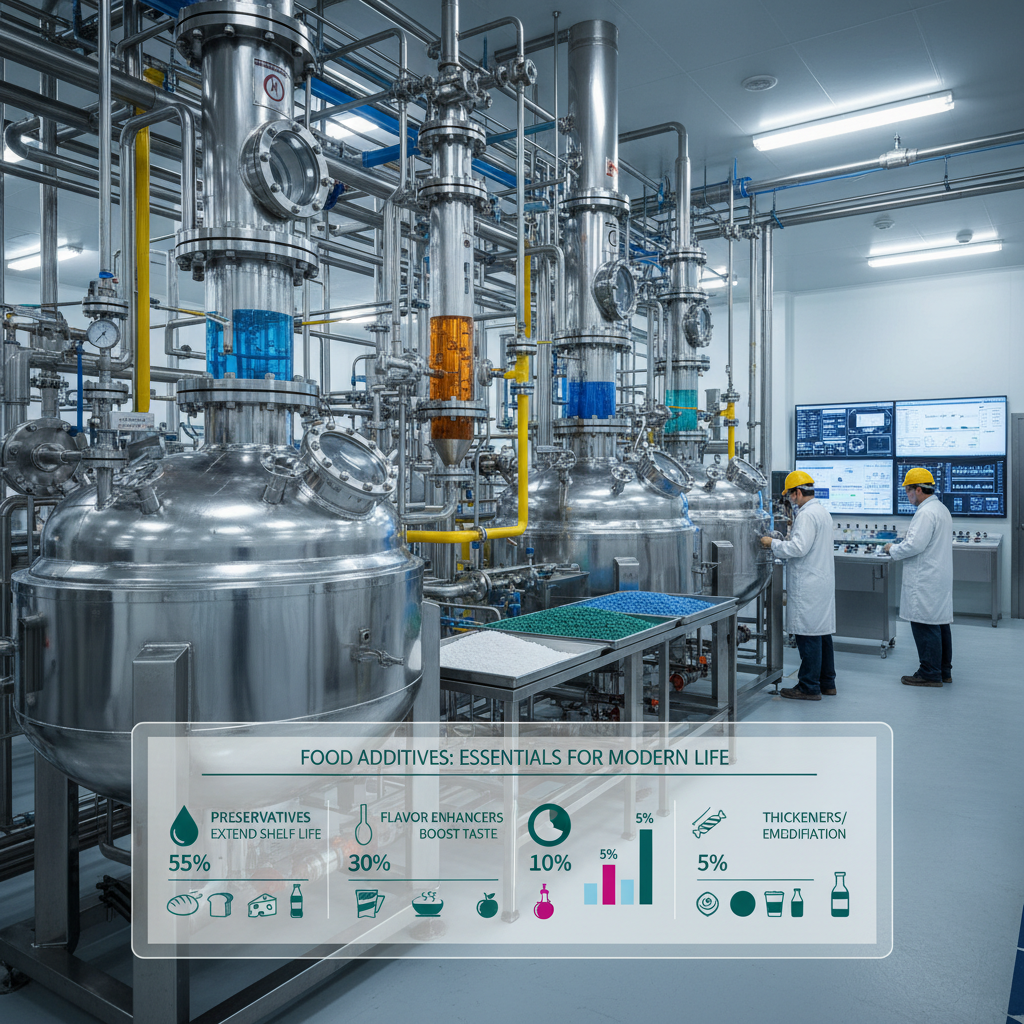
Performance Metrics of Common Additives Examples in Food
Tangible Advantages and Long-Term Commercial Value
The use of additives examples in food offers more than just technical stability; it provides significant economic value. By reducing spoilage, companies lower their overhead costs and minimize the financial risk associated with expired inventory. Furthermore, the ability to standardize taste and texture ensures brand loyalty, as consumers receive the same high-quality experience regardless of where the product is purchased globally.
From an emotional and psychological perspective, additives foster trust through safety. When a manufacturer uses a high-quality preservative, they are essentially guaranteeing the consumer that the product is free from dangerous pathogens like botulism. This intersection of logic (cost reduction) and emotion (safety and trust) creates a sustainable business model that promotes long-term growth and innovation in the food manufacturing sector.
Future Trends in Sustainable Additive Innovation
The future of additives examples in food is moving rapidly toward "Green Chemistry." We are seeing a shift from synthetic petroleum-based additives to bio-based alternatives derived from fermentation and plant extracts. For example, rosemary extract is increasingly replacing synthetic BHA/BHT as a natural antioxidant, aligning with the consumer desire for "natural" labels without sacrificing shelf life.
Digital transformation is also reshaping how additives are formulated. AI-driven molecular modeling now allows scientists to predict how a specific additive will interact with a complex food matrix before a single physical sample is produced. This reduces waste in the R&D phase and accelerates the time-to-market for innovative products that are both healthier and more sustainable.
Furthermore, the integration of "Smart Packaging" with active additives is on the horizon. Imagine a packaging film embedded with controlled-release additives that activate only when a certain temperature or pH level is reached. This precision approach will further minimize the quantity of additives needed while maximizing their effectiveness, marking a new era of efficiency in food science.
Challenges and Expert Solutions in Food Additive Integration
Despite the benefits, the industry faces a significant challenge in the form of "Label Anxiety." Many consumers perceive any additive as harmful, regardless of scientific evidence. To overcome this, experts suggest a transition toward transparent communication. Instead of hiding additives in complex chemical names, companies are adopting "clean label" strategies—using recognizable terms and providing educational content about the function and safety of the additives used.
Another technical limitation is the "Interaction Conflict," where two beneficial additives may neutralize each other or create an undesirable off-flavor. The solution lies in the application of synergistic blends. By creating pre-mixed additive systems tailored to specific food categories, manufacturers can ensure that the components work in harmony, enhancing the overall stability of the food without adding unnecessary volume.
Lastly, regulatory divergence between countries (e.g., EU vs. USA) creates hurdles for international trade. The expert approach is to formulate products based on the most stringent global standard. By adhering to the strictest regulations, a company ensures its products are export-ready for any market, thereby simplifying the supply chain and reducing the need for region-specific formulations.
Comparative Analysis of Food Additive Functional Categories
| Additive Category |
Primary Function |
Industry Impact Score (1-10) |
Common Source |
| Preservatives |
Microbial Inhibition |
10 |
Organic Acids |
| Emulsifiers |
Texture Stabilization |
8 |
Lecithins/Esters |
| Antioxidants |
Preventing Oxidation |
9 |
Tocopherols |
| Stabilizers |
Consistency Maintenance |
7 |
Hydrocolloids |
| Acidulants |
pH Control/Flavor |
8 |
Citric/Malic Acid |
| Colorants |
Visual Appeal |
6 |
Carotenoids/Anthocyanins |
FAQS
No, food additives can be either naturally occurring or synthetic. Many are derived from plants, minerals, or fermentation processes (like citric acid from citrus fruits). Regulatory bodies like the FDA and EFSA strictly evaluate every additive for safety before approval, ensuring they are safe for consumption at specified levels.
While the chemistry is similar, the regulatory standards and dosages differ. Feed additives focus more on growth promotion, digestive efficiency, and livestock health, whereas food additives prioritize human palate, aesthetic appeal, and strict human safety thresholds. However, many antioxidants are used interchangeably in both sectors.
In many cases, yes, though they may require higher concentrations or "synergistic blends" to match the potency of synthetics. For example, natural rosemary extract can effectively prevent rancidity in oils, although it may subtly influence the flavor profile more than a synthetic alternative would.
Compatibility with the food matrix is the most critical factor. An additive that works in a high-fat product may fail in a water-based beverage. Professionals must consider pH, temperature, and the presence of other ingredients to ensure the additive performs its intended function without altering the taste.
Look for suppliers who provide full COA (Certificate of Analysis) documentation, hold ISO and HACCP certifications, and have a proven track record of regulatory compliance. A reputable supplier will offer technical support to help you integrate the additive into your specific formulation.
It will not eliminate them, but it will transform them. The industry is moving toward "invisible" or "natural" additives. The need for safety and stability remains constant; only the source and the naming conventions of the additives are changing to align with consumer preferences.
Conclusion
In summary, additives examples in food represent the critical intersection of chemistry, safety, and commercial efficiency. From extending the viability of essential nutrients in disaster zones to ensuring the consistency of a global brand's flagship product, these substances are indispensable to the modern food supply chain. By balancing chemical stability, regulatory compliance, and cost-efficiency, manufacturers can create products that are not only profitable but fundamentally safer for the global population.
Looking forward, the industry is poised for a revolution driven by bio-based innovation and AI-powered formulation. The shift toward sustainable, naturally derived additives will likely resolve the tension between technical necessity and consumer desire for "clean labels." For businesses in food and feed additive manufacturing, the key to future success lies in agility—the ability to adapt to stricter environmental policies while maintaining the uncompromising quality and stability that the global market demands. Visit our website: www.chinaseasoning.com