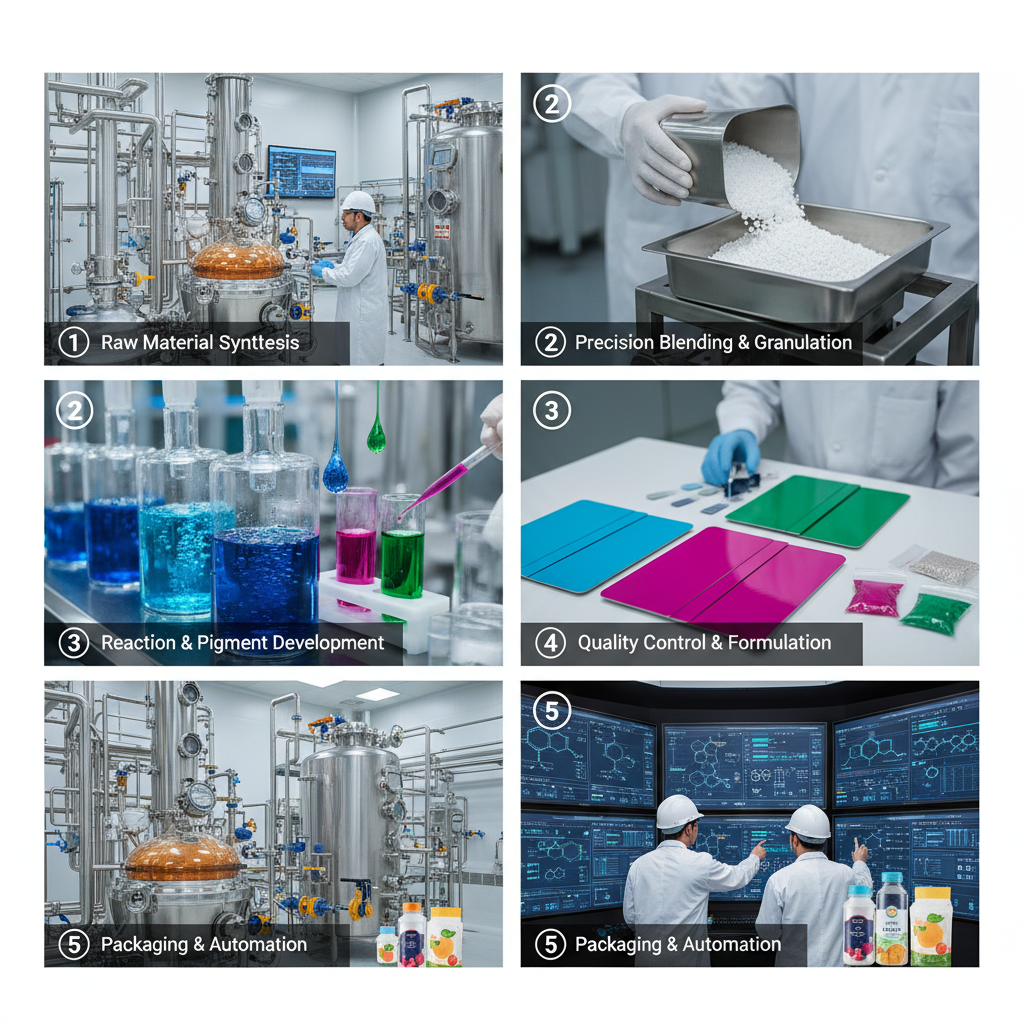
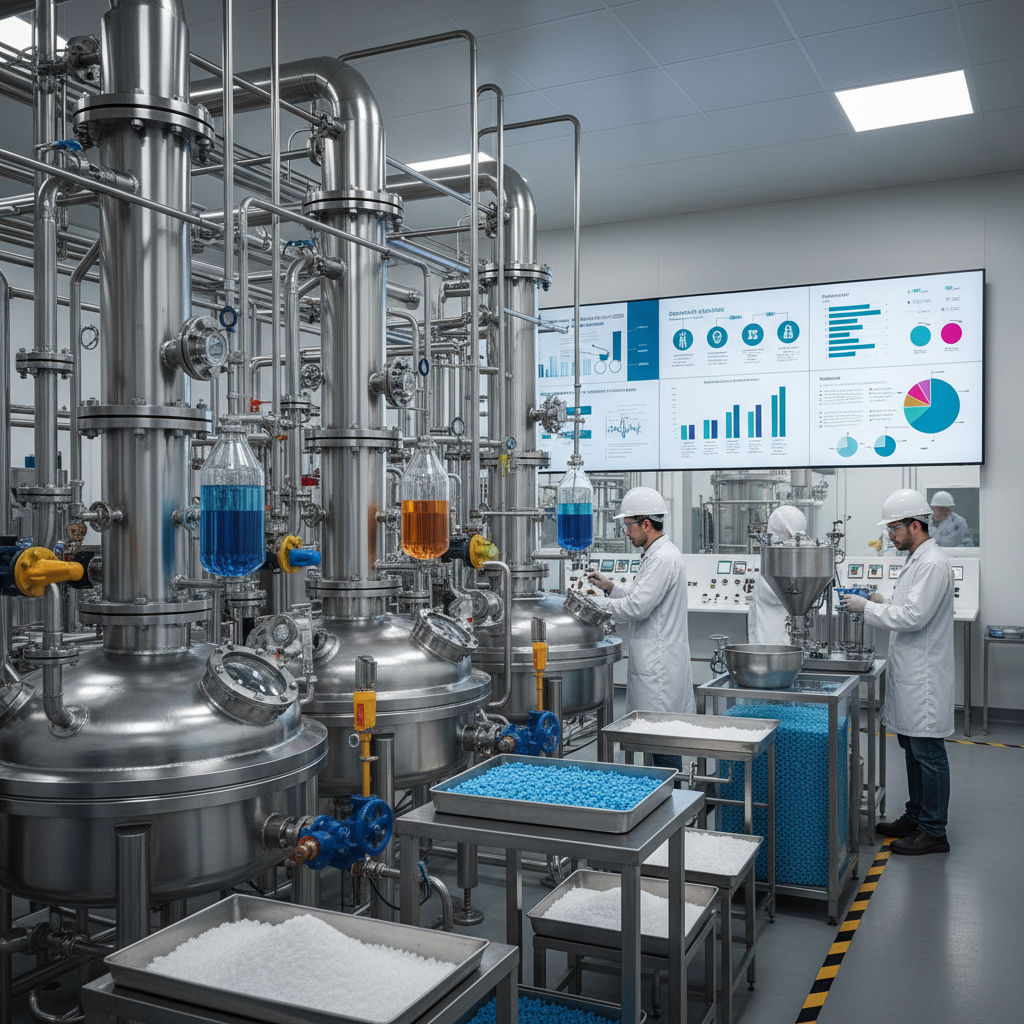
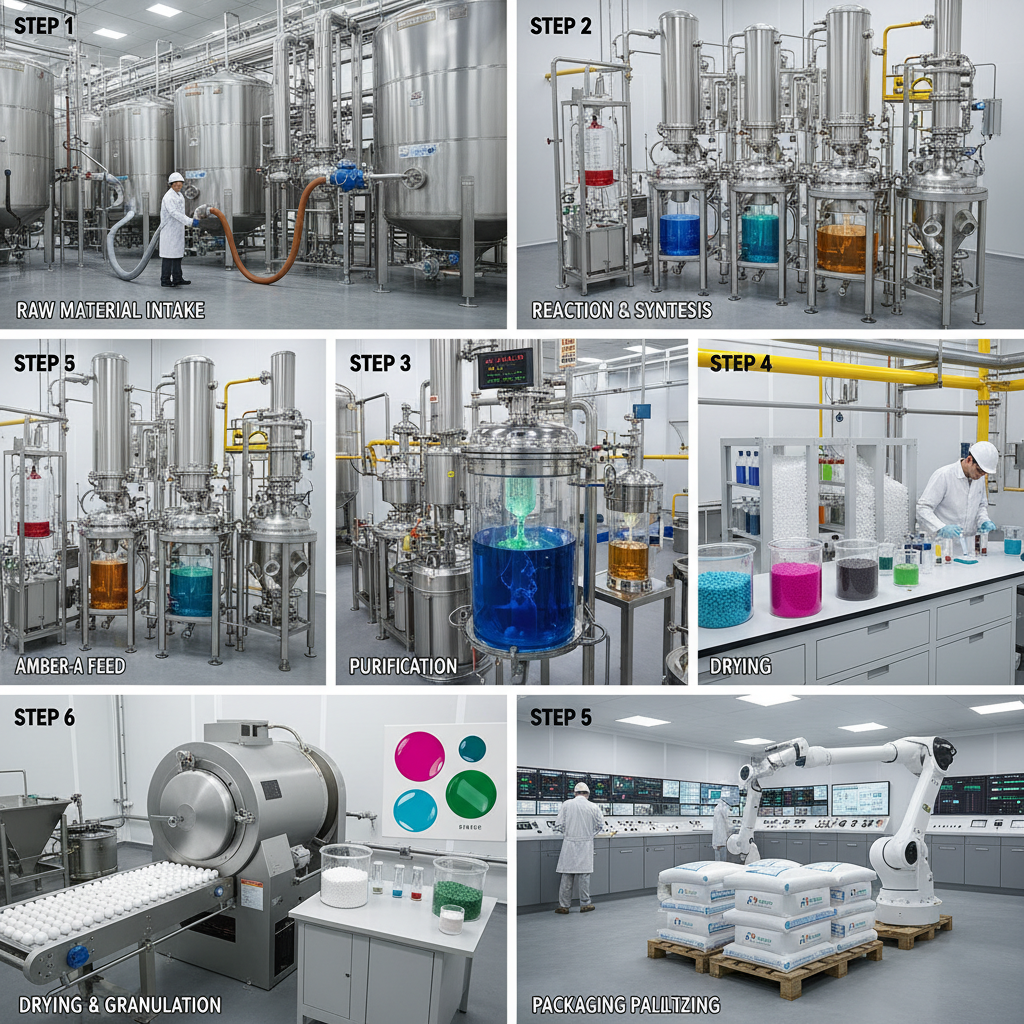
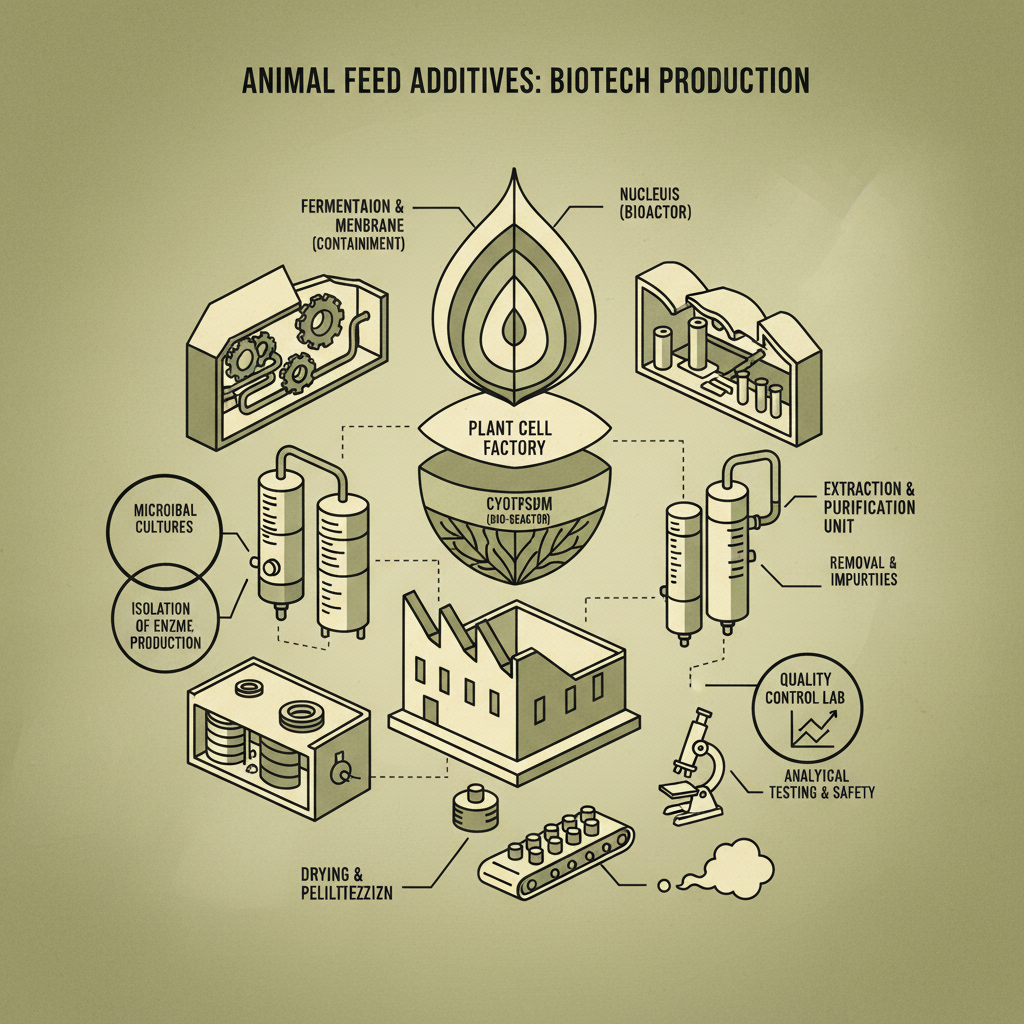
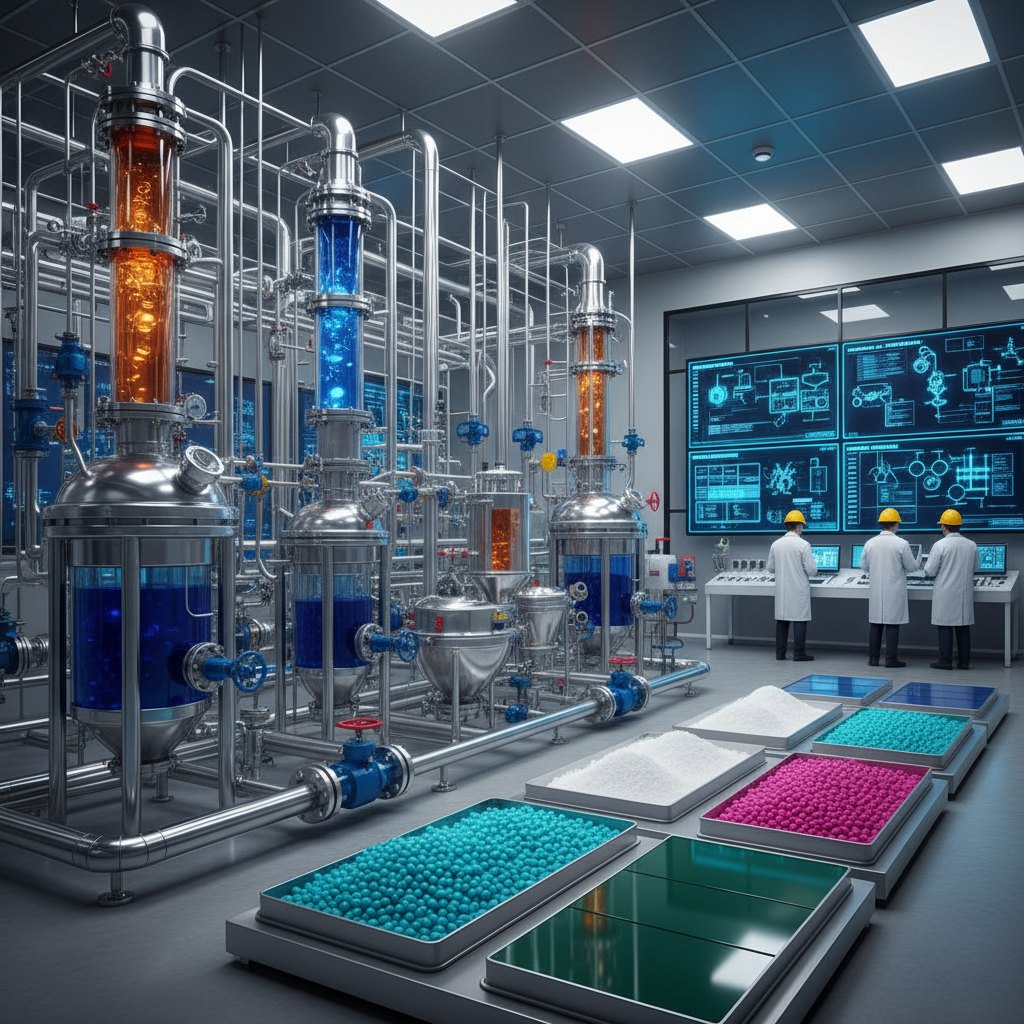
Artificial food additives are substances added to food to preserve flavor or enhance its taste, appearance, or other qualities. They’ve become a ubiquitous part of the modern food supply, playing a critical role in ensuring food safety, extending shelf life, and providing consistent product characteristics. Understanding these additives is vital for consumers, food manufacturers, and regulators alike, as concerns around potential health impacts and transparency continue to grow.
The global food system relies heavily on artificial food additives to meet the demands of a growing population and increasingly complex supply chains. According to the Food and Agriculture Organization of the United Nations (FAO), ensuring food security requires innovative approaches to preservation and processing, where additives often play a crucial role. The World Bank also highlights the importance of food safety standards, which frequently involve the regulated use of these compounds.
The increasing demand for processed foods, driven by urbanization and changing lifestyles, has further amplified the use of artificial food additives. This has spurred both innovation in additive technology and growing scrutiny regarding their impact on human health and the environment. Addressing these concerns necessitates a comprehensive understanding of their function, regulation, and potential alternatives.
Introduction to Artificial Food Additives
Artificial food additives are incredibly diverse, ranging from simple salt and sugar to complex synthetic compounds. They are strategically incorporated into food production to address a multitude of challenges, including preventing spoilage, enhancing nutritional value, and improving the overall sensory experience for the consumer. The use of these additives allows manufacturers to produce consistent, affordable, and accessible food products on a large scale.
However, the widespread use of artificial food additives has also sparked ongoing debate and research. Concerns about potential health effects, such as allergic reactions, hyperactivity, and even long-term diseases, have led to increased regulatory oversight and a growing consumer demand for natural and additive-free alternatives. Balancing the benefits of food additives with potential risks is a complex undertaking that requires continuous evaluation and innovation.
Defining Artificial Food Additives
Artificial food additives are substances not naturally present in a food that are intentionally added to it to achieve a specific technological effect. This broad definition encompasses a wide array of compounds, categorized by their function: preservatives, colorings, flavor enhancers, emulsifiers, stabilizers, and sweeteners. These additives are subject to rigorous testing and regulation by organizations like the Food and Drug Administration (FDA) in the United States and the European Food Safety Authority (EFSA) in Europe.
The modern food industry relies on artificial food additives to address the logistical challenges of large-scale food production and distribution. Before the advent of refrigeration and advanced preservation techniques, food spoilage was a major concern. Additives offer a cost-effective and efficient way to extend shelf life, reduce waste, and ensure that food remains safe for consumption over extended periods.
The necessity for these additives often stems from humanitarian needs. In regions with limited access to refrigeration or fresh produce, fortified foods with added vitamins and minerals can help prevent nutritional deficiencies. Similarly, preservatives can be vital in ensuring food safety in areas where sanitation standards are lower, making artificial food additives a critical component of global food security efforts.
Core Functions of Artificial Food Additives
One of the primary functions of artificial food additives is preservation. Preservatives like benzoates and sorbates inhibit the growth of microorganisms, preventing spoilage and extending shelf life. This is particularly crucial for processed foods and those transported over long distances. Another key function is enhancement of sensory qualities. Colorings, flavorings, and sweeteners are used to make food more visually appealing and palatable, influencing consumer acceptance.
Stabilizers and emulsifiers play a crucial role in maintaining the texture and consistency of food products. Emulsifiers, like lecithin, help blend oil and water, preventing separation, while stabilizers prevent changes in texture or color over time. These additives are essential for creating the desired mouthfeel and appearance in products like mayonnaise, salad dressings, and ice cream.
Furthermore, artificial food additives can enhance nutritional value. Fortification with vitamins and minerals – such as adding folic acid to flour – addresses widespread nutritional deficiencies and improves public health. Finally, some additives enhance processing efficiency, making food production faster and more cost-effective.
Global Applications & Industry Impact
Artificial food additives are ubiquitous across the global food industry, from processed meats and baked goods to beverages and confectionery. In developed countries, they are used extensively in convenience foods to maintain quality and extend shelf life. Developing nations often rely on additives to fortify staple foods and address nutritional deficiencies. The impact of these additives extends across various sectors, including agriculture, manufacturing, and retail.
In post-disaster relief operations, fortified food products containing artificial food additives are often distributed to provide essential nutrients to affected populations. These products offer a cost-effective and efficient way to address immediate nutritional needs. Similarly, in remote industrial zones where access to fresh produce is limited, fortified foods are crucial for maintaining the health and productivity of workers.
The beverage industry is a significant consumer of artificial food additives, particularly colorings, flavorings, and sweeteners. The confectionery sector also relies heavily on additives to create appealing textures and flavors. The dairy industry uses stabilizers and emulsifiers to maintain the quality and consistency of products like yogurt and ice cream.
Comparison of Artificial Food Additive Usage by Category
Advantages and Long-Term Value
The most immediate advantage of artificial food additives is cost-effectiveness. They are generally less expensive than natural alternatives, allowing manufacturers to produce affordable food products for a wider range of consumers. This contributes to improved food accessibility, particularly in lower-income communities. Furthermore, additives enhance food safety by preventing spoilage and inhibiting the growth of harmful bacteria.
From a sustainability perspective, additives can reduce food waste by extending shelf life. This translates to lower environmental impact associated with food production and disposal. They also enable consistent product quality, building consumer trust and loyalty. Innovation in additive technology is continuously improving safety profiles and addressing consumer concerns about potential health effects.
Future Trends & Innovations
The future of artificial food additives is likely to be shaped by a growing focus on sustainability and natural alternatives. Researchers are exploring the use of plant-based extracts and microbial fermentation to produce natural colorings, flavorings, and preservatives. Digital transformation and automation are also playing a role, enabling more precise control over additive usage and quality control.
The development of “smart” packaging technologies that incorporate antimicrobial additives is another promising trend. These technologies can actively monitor food quality and extend shelf life, reducing waste and enhancing safety. Furthermore, advancements in biotechnology are paving the way for the creation of novel additives with improved functionality and reduced potential for adverse effects. Green chemistry principles are guiding the development of safer, more environmentally friendly additives.
Challenges and Mitigation Strategies
Despite the benefits, artificial food additives face several challenges. Consumer perceptions and concerns regarding potential health effects remain a significant hurdle. Ensuring transparency and clear labeling is crucial for building consumer trust. Regulatory hurdles and variations in standards across different countries also pose challenges for global food manufacturers.
Addressing these challenges requires a multi-faceted approach. Continued research into the safety and efficacy of additives is essential. Investing in consumer education and outreach can help dispel myths and provide accurate information. Harmonizing regulatory standards across different regions would simplify compliance and promote global trade. Furthermore, developing sustainable and natural alternatives to conventional additives is vital for meeting evolving consumer demands.
The industry must prioritize risk assessment and proactive monitoring to identify and mitigate potential adverse effects. Collaboration between researchers, regulators, and food manufacturers is crucial for ensuring the safe and responsible use of artificial food additives.
Summary of Challenges and Mitigation Strategies for Artificial Food Additives
| Challenge |
Severity (1-10) |
Mitigation Strategy |
Implementation Cost (USD) |
| Negative Consumer Perception |
8 |
Enhanced Transparency & Education |
50,000 |
| Regulatory Discrepancies |
7 |
International Standard Harmonization |
100,000 |
| Potential Health Concerns |
9 |
Continuous Safety Research |
200,000 |
| Supply Chain Complexity |
6 |
Traceability & Monitoring Systems |
75,000 |
| Limited Natural Alternatives |
5 |
Investment in R&D for Natural Additives |
150,000 |
| Cost of Compliance |
4 |
Streamlined Regulatory Processes |
25,000 |
FAQS
While most artificial food additives approved by regulatory bodies like the FDA and EFSA are considered safe for consumption at specified levels, some individuals may experience adverse reactions. These can range from mild allergic responses, like hives or itching, to more severe symptoms in sensitive individuals. Ongoing research continues to investigate potential long-term health effects, such as links to hyperactivity in children or increased risk of certain chronic diseases. It's important to note that the risk is often dose-dependent, and regulatory agencies establish acceptable daily intake levels to minimize potential harm.
Food labels are legally required to list all ingredients, including artificial food additives. Additives are typically identified by their common name or a specific E number (in Europe). Manufacturers must also declare any potential allergens present in the product. Look for terms like "artificial color," "artificial flavor," or specific additive names such as "sodium benzoate" or "monosodium glutamate (MSG)." Consumers can also refer to online resources and databases to learn more about specific additives and their functions.
Not necessarily. “Natural” doesn’t automatically equate to “healthier” or “safer.” Some natural additives can also cause allergic reactions or have adverse effects. Furthermore, the production of natural additives can sometimes have a larger environmental impact than the production of artificial alternatives. The safety of an additive, whether natural or artificial, depends on its chemical properties, the amount consumed, and individual sensitivities. Both types of additives are subject to regulatory scrutiny, but consumers should be aware that “natural” is not a guarantee of superior health benefits.
Regulatory agencies like the FDA (in the US) and EFSA (in Europe) play a critical role in evaluating the safety of artificial food additives before they are approved for use. These agencies conduct thorough risk assessments, reviewing scientific data on the additive’s toxicity, potential for allergic reactions, and long-term health effects. They establish acceptable daily intake (ADI) levels and set limits on the amount of an additive that can be used in food products. Agencies also conduct ongoing monitoring and surveillance to ensure compliance and address any emerging safety concerns.
Yes, certain artificial food additives can trigger food intolerances or allergic reactions in sensitive individuals. Common culprits include artificial colors like tartrazine (Yellow No. 5), preservatives like sulfites, and flavor enhancers like MSG. Allergic reactions can range from mild symptoms like hives or itching to more severe symptoms like difficulty breathing. Food intolerances are less severe and often involve digestive discomfort. Individuals with known allergies or sensitivities should carefully read food labels and avoid products containing problematic additives.
The safety of artificial food additives is not a one-time assessment. Regulatory agencies continuously re-evaluate the safety of additives as new scientific evidence emerges. This includes reviewing updated research on potential health effects, assessing exposure levels, and considering new data on allergenicity. If new evidence raises concerns about an additive's safety, agencies may revise acceptable daily intake levels, restrict its use, or even ban it altogether. This ongoing review process ensures that food additives remain safe for consumption as our understanding of their effects evolves.
Conclusion
Artificial food additives are a complex and often controversial topic. They play a vital role in ensuring food safety, extending shelf life, and making food more accessible and affordable. However, concerns about potential health effects and consumer perceptions necessitate ongoing research, transparency, and responsible regulation. Understanding the benefits and risks associated with these additives is crucial for both consumers and the food industry.
Looking ahead, innovation in natural alternatives, sustainable production methods, and advanced monitoring technologies will be essential for addressing the challenges and capitalizing on the opportunities presented by artificial food additives. By prioritizing safety, transparency, and consumer education, we can harness the power of these compounds to create a more sustainable and nutritious food system. For more information, visit our website at artificial food additives.