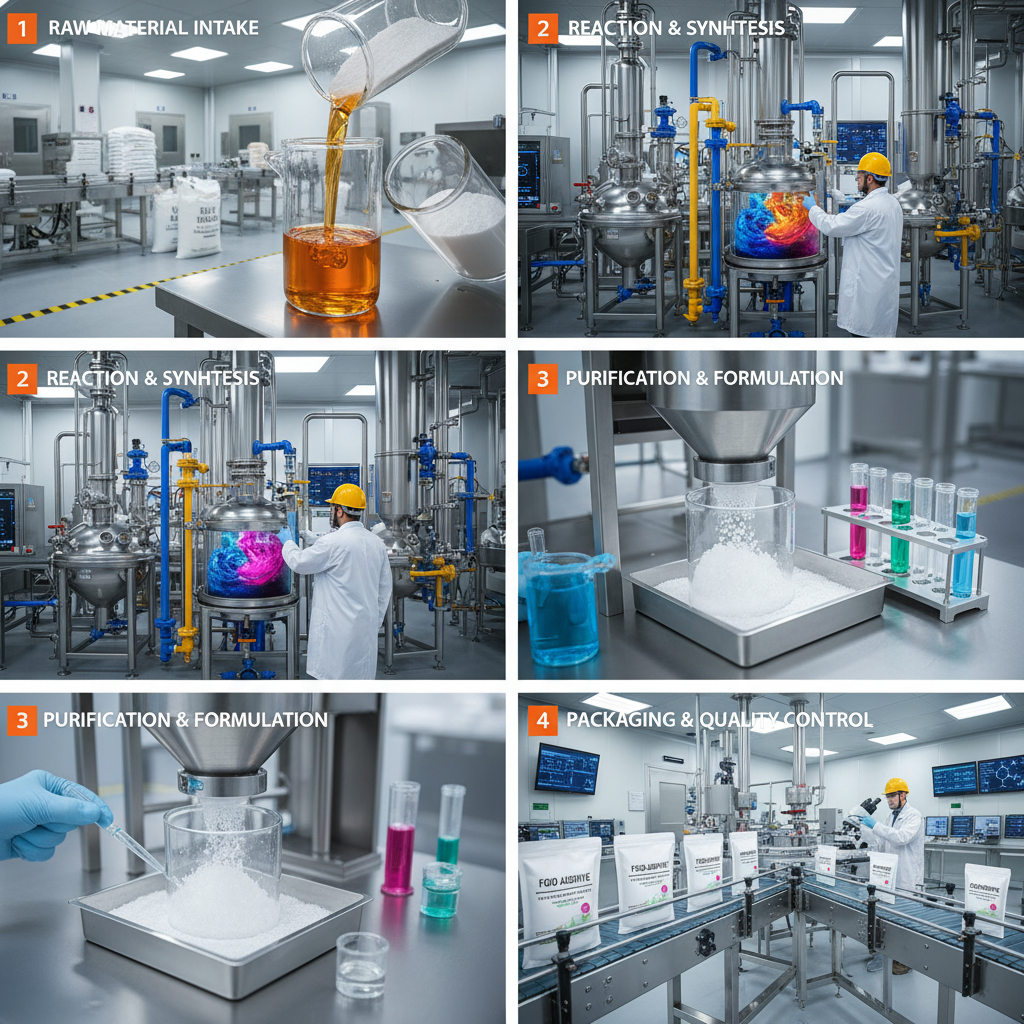
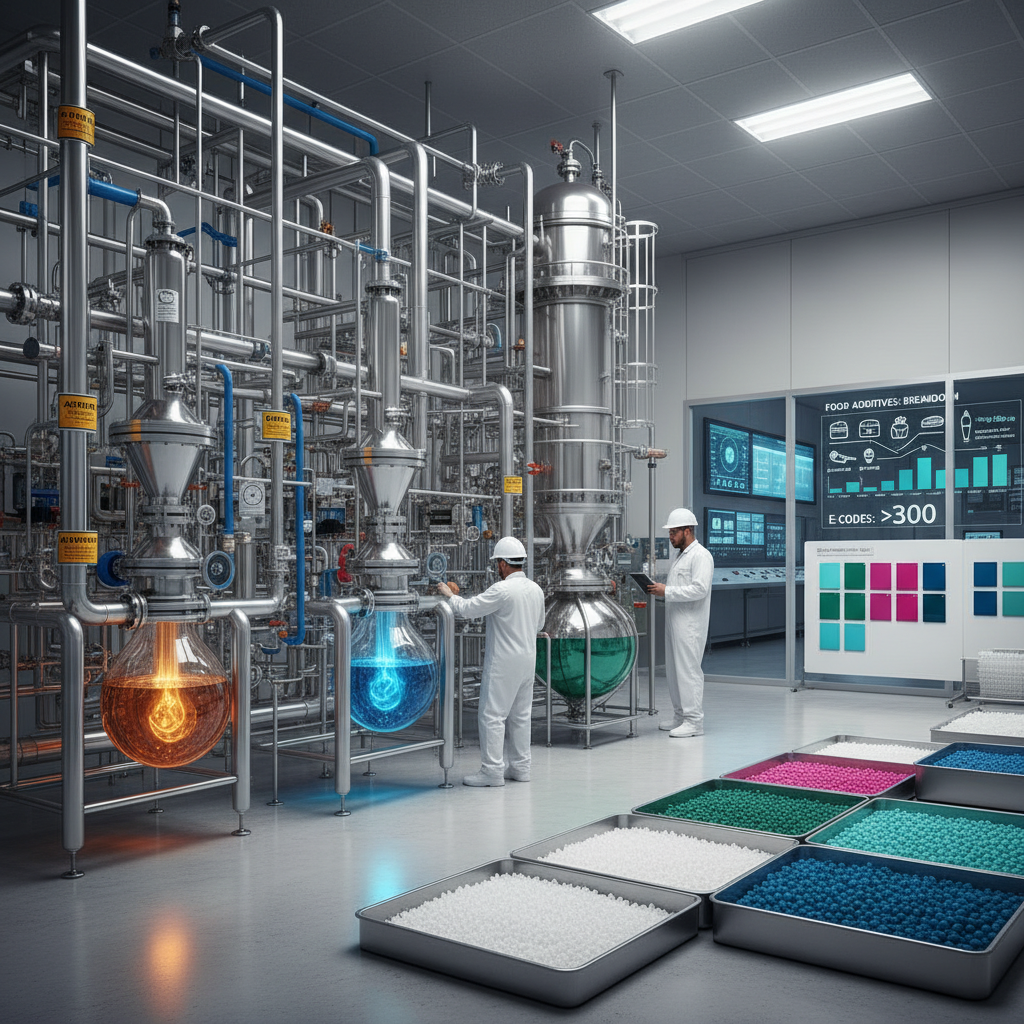
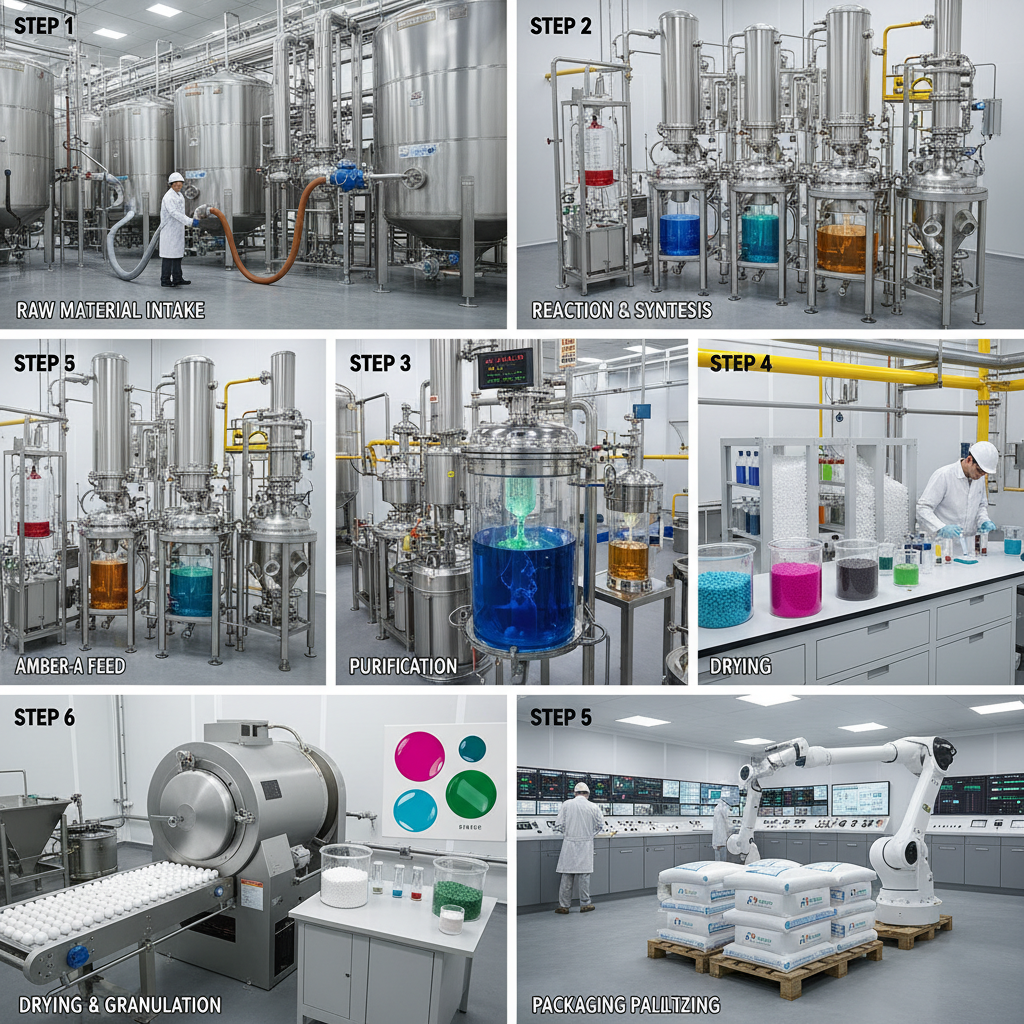
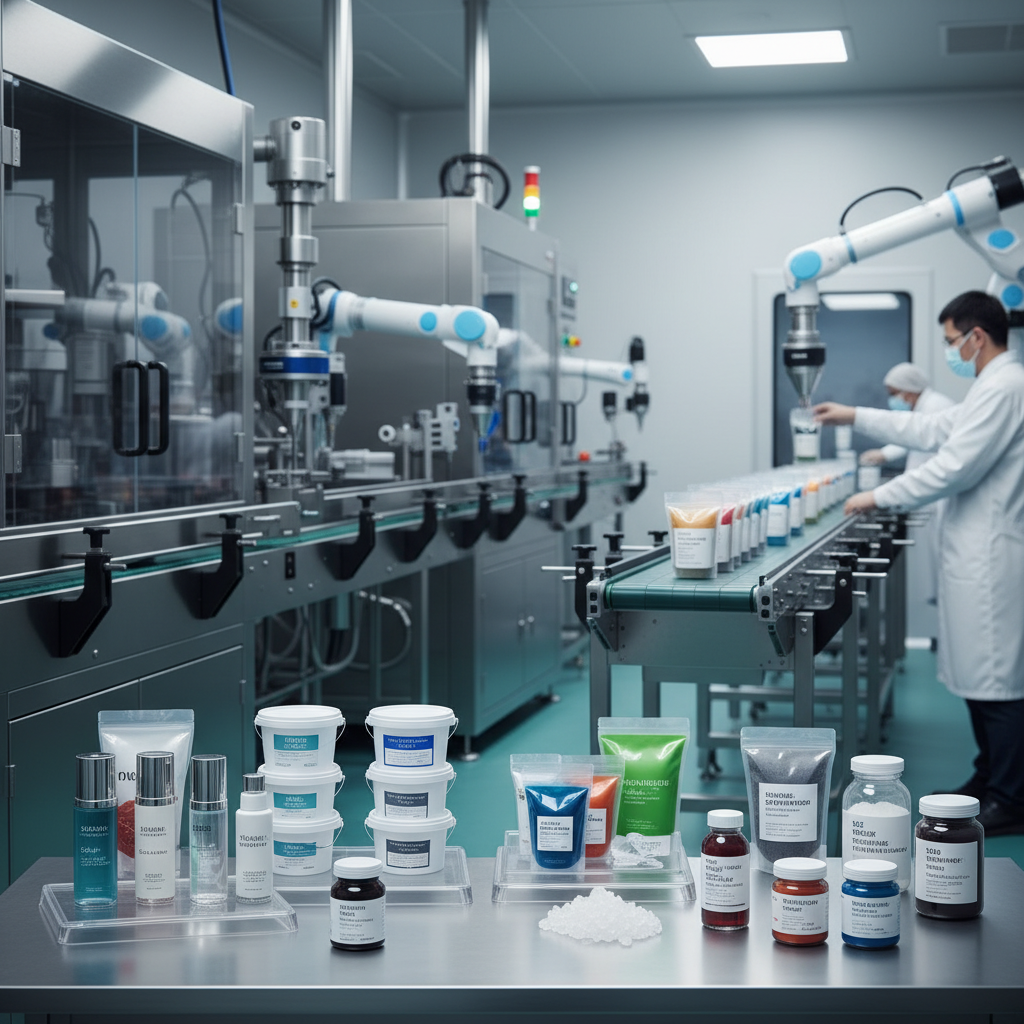
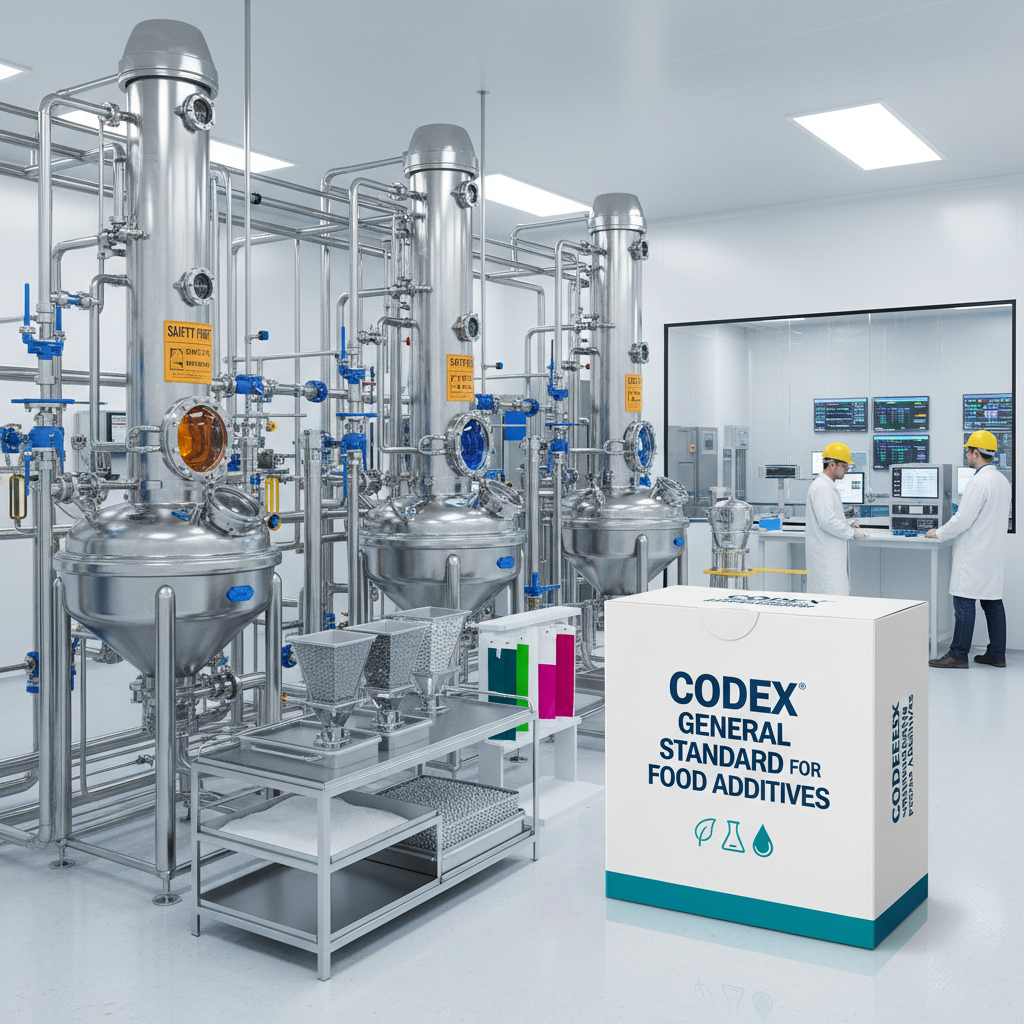
Chemical additives in food are substances added to food to preserve flavor or enhance its taste, appearance, or other qualities. These additives play a crucial role in modern food production, ensuring food safety, extending shelf life, and maintaining consistent quality across diverse geographical locations. Understanding these additives is paramount for consumers, manufacturers, and regulatory bodies alike, as they directly impact public health and the global food supply chain.
The global relevance of chemical additives in food stems from the increasing demand for processed foods, coupled with the challenges of food distribution across vast distances. According to the Food and Agriculture Organization of the United Nations (FAO), approximately one-third of all food produced globally is lost or wasted each year. Properly utilized additives can significantly reduce this waste by inhibiting spoilage and extending the usability of perishable goods. Furthermore, additives help ensure that food remains safe for consumption during transport and storage, particularly in regions with limited refrigeration infrastructure.
The modern food industry relies heavily on chemical additives to meet consumer expectations for convenience, affordability, and consistency. From preventing rancidity in fats to coloring agents that enhance visual appeal, additives are integral to maintaining the quality and palatability of a wide range of products. This reliance presents a challenge: balancing the benefits of additives with the need for rigorous safety assessments and transparent labeling to ensure consumer confidence and protect public health.
Introduction to chemical additives in food
Chemical additives in food have become an indispensable part of our modern food system, enabling the production of safe, palatable, and readily available food products globally. They aren't simply about altering taste; they are integral to preventing food spoilage, ensuring nutritional value, and facilitating the efficient distribution of food across continents. The effective and responsible use of chemical additives is crucial for addressing food security challenges and catering to the demands of a growing population.
The regulation surrounding chemical additives in food varies significantly across the world, with bodies like the U.S. Food and Drug Administration (FDA) and the European Food Safety Authority (EFSA) setting stringent standards. These agencies meticulously assess the safety of each additive before it can be used in food, ensuring that it poses no significant health risks to consumers when used within prescribed limits. It's essential to differentiate between naturally occurring additives and synthetic ones, as both serve similar functions but are often subject to different regulatory frameworks.
Defining Chemical Additives in Food
Chemical additives in food encompass a broad range of substances intentionally added to food during processing, packaging, or storage. These substances serve diverse purposes – from preserving freshness and enhancing flavor to improving texture and nutritional content. They are fundamentally different from naturally occurring components found within food itself, although some additives can be derived from natural sources. It's important to understand that not all additives are artificial; many are naturally sourced compounds refined for use in food production.
The connection of chemical additives to modern industry lies in the scale and complexity of global food supply chains. Before the advent of widespread refrigeration and sophisticated processing techniques, food preservation relied on methods like salting, drying, and fermentation. While still employed, these methods often alter the taste and texture of food. Additives allow manufacturers to maintain the quality and consistency of products throughout a longer shelf life and across greater distances, making mass food production viable.
Humanitarian needs are also addressed by the use of chemical additives. In disaster relief efforts or areas facing food shortages, fortified foods with added vitamins and minerals can combat malnutrition. Additives also play a role in creating shelf-stable foods that can be easily transported and stored in challenging environments, providing critical sustenance to vulnerable populations.
Key Functions of Chemical Additives
One of the core functions of chemical additives in food is preservation. Antioxidants, for example, prevent the oxidation of fats and oils, delaying rancidity and extending shelf life. Preservatives like benzoates and sorbates inhibit the growth of bacteria, yeasts, and molds, preventing spoilage and ensuring food safety. Without these additives, the availability of many processed foods would be significantly limited.
Enhancing sensory qualities is another crucial role. Colorings are used to restore color lost during processing or to enhance the visual appeal of foods. Flavorings add or modify taste, while texturizers improve the mouthfeel and consistency of products. These additions significantly influence consumer acceptance and enjoyment of food.
Nutritional enhancement is frequently achieved through the addition of vitamins and minerals. Fortified foods can address widespread nutritional deficiencies, particularly in populations with limited access to a diverse diet. Emulsifiers and stabilizers improve the physical properties of food, preventing separation of ingredients and maintaining a consistent texture.
Global Applications and Industries Utilizing Chemical Additives
Chemical additives in food find extensive application across a broad spectrum of industries. The processed food sector, including canned goods, frozen meals, and packaged snacks, is heavily reliant on additives for preservation and quality control. The beverage industry utilizes colorings, flavorings, and preservatives to maintain product appeal and extend shelf life. The dairy industry employs stabilizers and emulsifiers to ensure consistent texture and prevent separation in products like yogurt and ice cream.
The baking industry benefits greatly from additives such as dough conditioners, leavening agents, and preservatives. These additives are essential for achieving desired texture, volume, and freshness in baked goods. The meat and poultry processing industry uses preservatives and colorings to maintain product appearance and prevent spoilage.
In post-disaster relief operations, fortified foods with added vitamins and minerals are critical for addressing malnutrition and providing essential nutrients to affected populations. In remote industrial zones, where access to fresh produce is limited, shelf-stable foods with chemical additives provide a reliable source of sustenance for workers. The application of chemical additives enables global food security and ensures availability in diverse environments.
Effectiveness of Chemical Additives in Food by Type
Advantages and Long-Term Value of Utilizing Chemical Additives
The cost-effectiveness of chemical additives is a significant advantage. By extending shelf life and reducing food waste, they ultimately lower the overall cost of food production and distribution. Sustainability is also enhanced, as less food is discarded, decreasing the environmental impact associated with food waste. From a social impact perspective, additives contribute to food security by ensuring that a wider range of products are available to a larger population.
Reliability and consistency are paramount in the modern food industry, and chemical additives play a critical role in achieving these. They ensure that products meet specified quality standards, regardless of geographical location or seasonal variations. This consistency fosters consumer trust and builds brand loyalty. Furthermore, ongoing research and innovation in additive technology contribute to safer and more effective food preservation methods.
Future Trends and Innovations in Chemical Additives
The future of chemical additives in food is leaning towards natural and bio-based alternatives. Consumers are increasingly demanding “clean label” products with fewer artificial ingredients, driving research into plant-derived preservatives and antioxidants. Microencapsulation technology is gaining prominence, allowing for the targeted release of additives and reducing the amount needed to achieve the desired effect.
Digital transformation is influencing additive development through advanced modeling and predictive analytics. These tools can help researchers identify safer and more effective additive combinations, optimizing formulations for specific food products. Automation in food processing plants is also driving the need for precision dosing and real-time monitoring of additive levels, ensuring quality control and compliance.
Challenges and Solutions Regarding Chemical Additives in Food
One of the primary challenges surrounding chemical additives in food is public perception. Misconceptions and concerns about potential health risks can lead to consumer distrust and demand for additive-free products. Addressing this requires transparent communication, rigorous scientific testing, and clear labeling of ingredients. Another challenge is the evolving regulatory landscape, with differing standards across countries creating complexities for food manufacturers.
Solutions include investing in research to develop safer and more sustainable additives, promoting consumer education to dispel myths and foster informed decision-making, and harmonizing regulatory frameworks to facilitate international trade. The use of blockchain technology can enhance traceability and transparency in the food supply chain, allowing consumers to verify the origin and composition of products.
Expert insights highlight the importance of a risk-benefit analysis when evaluating additives. While some additives may have potential risks, the benefits they provide in terms of food safety and preservation often outweigh those risks. Ongoing monitoring and reassessment of additives are crucial to ensure their continued safety and effectiveness.
Overview of the Assessment Metrics for Chemical Additives in Food
| Additive Category |
Safety Rating (1-10) |
Effectiveness Score (1-10) |
Consumer Acceptance (1-10) |
| Preservatives |
8 |
9 |
6 |
| Colorings |
7 |
7 |
5 |
| Flavor Enhancers |
6 |
8 |
7 |
| Antioxidants |
9 |
8 |
8 |
| Emulsifiers |
7 |
6 |
4 |
| Stabilizers |
8 |
7 |
6 |
FAQS
Concerns often center around potential allergic reactions, carcinogenic effects, and impacts on gut health. However, regulatory bodies like the FDA and EFSA conduct thorough risk assessments before approving additives, establishing acceptable daily intakes (ADIs) based on extensive scientific data. While some individuals may exhibit sensitivities, the vast majority of additives are considered safe for consumption within these established limits. Further research continuously evaluates potential long-term impacts.
Food labels are the primary source of information. Ingredients are listed in descending order by weight, and additives must be declared by their common or chemical name. Look for terms like “preservative,” “coloring,” “flavoring,” or specific additive numbers (e.g., E numbers in Europe). Numerous online databases and apps can also help you decipher ingredient lists and identify potentially problematic additives.
Not necessarily. "Natural" doesn't automatically equate to "safe." Some naturally derived additives can still pose allergic risks or have adverse effects. Both natural and synthetic additives undergo rigorous safety assessments. The source of the additive is less important than the scientific evidence demonstrating its safety at the levels used in food.
E numbers are a standardized system used in Europe to identify food additives. They provide a unique numerical code for each substance, regardless of its chemical name. While some consumers view E numbers with suspicion, they simply indicate that the additive has been reviewed and approved for use by the European Food Safety Authority (EFSA). Understanding E numbers can help you navigate food labels more effectively.
Focusing on whole, unprocessed foods is the most effective strategy. Choose fresh fruits and vegetables, lean proteins, and whole grains whenever possible. When purchasing packaged foods, read labels carefully and opt for products with shorter ingredient lists. Cooking from scratch allows you to control the ingredients and avoid unwanted additives.
Regulatory bodies like the FDA and EFSA employ a multi-stage process. This includes extensive toxicological studies, evaluation of potential exposure levels, and risk assessments. Additives are only approved for use if they are deemed safe for the intended population and at the proposed levels of consumption. Ongoing monitoring and reassessment ensure that regulations remain up-to-date with the latest scientific findings.
Conclusion
In conclusion, chemical additives in food are an integral part of the modern food system, playing a vital role in ensuring food safety, extending shelf life, enhancing nutritional value, and enabling global food distribution. Understanding their functions, regulations, and potential impacts is crucial for both consumers and industry stakeholders. Responsible innovation and transparency are key to maintaining public trust and harnessing the benefits of these essential components of our food supply.
Looking ahead, continued research into natural alternatives, improved labeling practices, and harmonized global regulations will be essential for addressing evolving consumer preferences and ensuring the long-term sustainability of the food system. By embracing a science-based approach and prioritizing consumer safety, we can unlock the full potential of chemical additives to create a more secure and nutritious food future. For more information on this topic, visit our website: www.chinaseasoning.com