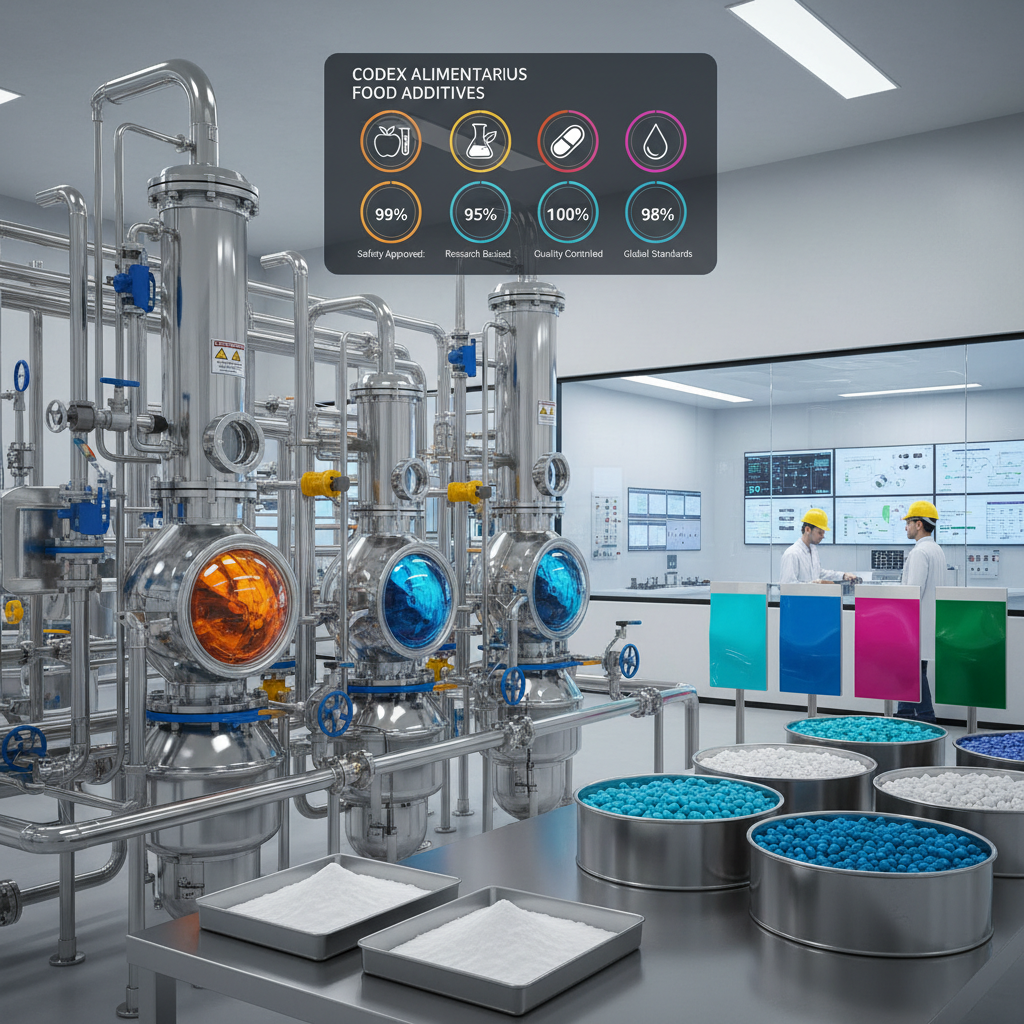
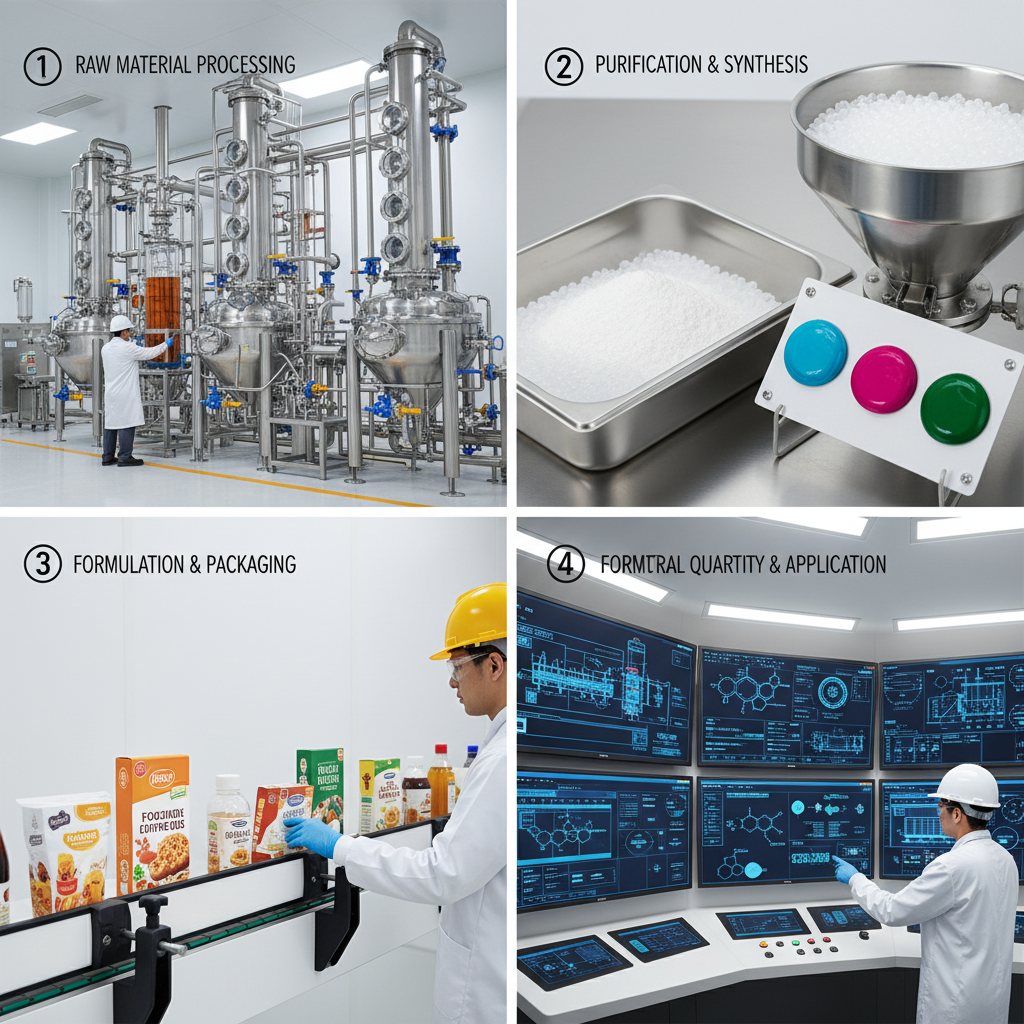
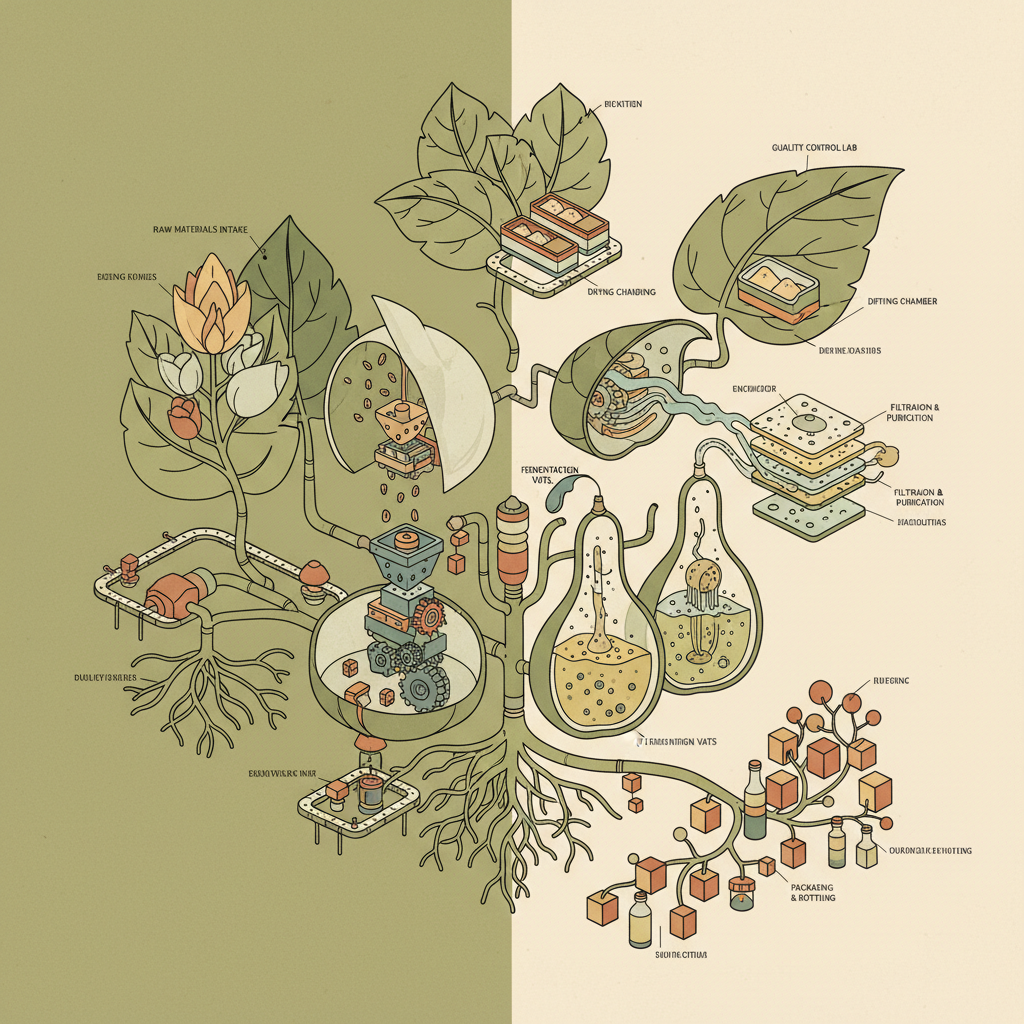
Codex Alimentarius food additives are standardized substances added to food to enhance its safety, preservation, taste, or appearance. These additives are globally harmonized guidelines established by the Codex Alimentarius Commission, a joint initiative of the Food and Agriculture Organization of the United Nations (FAO) and the World Health Organization (WHO). Understanding these standards is crucial for international trade, consumer protection, and public health, ensuring a consistent approach to food safety across borders.
The relevance of codex alimentarius food additives extends to all facets of the food industry – from primary production to retail. With a global food trade exceeding trillions of dollars annually (UN Comtrade data), adherence to these standards is not merely a matter of compliance but a prerequisite for market access. Issues arise when differing national regulations create trade barriers, or when inadequate additive controls pose risks to consumer health, highlighting the necessity of a unified, science-based approach.
Ultimately, a thorough understanding of codex alimentarius food additives benefits not only businesses seeking to expand internationally but also governments striving to safeguard their citizens' wellbeing. It forms the bedrock of modern food safety systems, impacting both developed and developing nations.
Introduction to codex alimentarius food additives
The codex alimentarius food additives system represents a cornerstone of modern food regulation, bridging the gap between scientific understanding and practical application. It provides a framework for evaluating and approving additives, ensuring they are safe for human consumption and serve a justifiable technological purpose. codex alimentarius food additives are not merely about extending shelf life; they are fundamental to maintaining food quality, nutritional value, and consistency.
The system’s complexity stems from the sheer diversity of food products and the ever-evolving landscape of food science. Continuous assessment and refinement are necessary to adapt to new ingredients, processing techniques, and emerging health concerns. This dynamic nature requires ongoing collaboration between scientists, regulators, and the food industry.
The Global Landscape of codex alimentarius food additives
The global food supply chain is intricately interconnected, necessitating internationally recognized standards for food safety. The Codex Alimentarius Commission, established in 1963, provides these standards, fostering fair trade practices and protecting consumer health. The World Trade Organization (WTO) recognizes Codex standards as the benchmark for resolving trade disputes related to food safety and quality. This reinforces the critical role of codex alimentarius food additives in facilitating global commerce.
However, implementation of these standards varies significantly across countries. Developed nations generally have robust regulatory frameworks and enforcement mechanisms, while developing countries often face challenges related to resources, infrastructure, and technical expertise. Bridging this gap requires international cooperation, capacity building, and knowledge sharing. Organizations like the FAO and WHO play a vital role in providing support to these nations.
Currently, over 188 countries are members of the Codex Alimentarius Commission, actively participating in the development and revision of food standards. The adoption rate of these standards, however, isn't uniform. This can lead to non-tariff trade barriers and complexities in global food distribution, making a consistent understanding of codex alimentarius food additives vital for all stakeholders.
Defining codex alimentarius food additives
Codex alimentarius food additives are substances intentionally added to food to affect its characteristics, including preservation, color, flavor, texture, and nutritional value. These substances are regulated by the Codex Alimentarius Commission, which establishes maximum permissible levels and specific conditions of use. It’s important to distinguish between naturally occurring substances in food and those intentionally added; the latter are subject to the Codex regulations.
The connection between codex alimentarius food additives and modern industry arises from the need for mass food production and distribution. Without effective preservatives and stabilizers, maintaining the safety and quality of food during long-distance transport and storage would be impossible. This enables a reliable food supply for a growing global population, especially in urban centers dependent on centralized food systems. codex alimentarius food additives are integral to ensuring food security.
Furthermore, these standards also address humanitarian needs. In emergency situations – such as natural disasters or famine – fortified foods with carefully selected additives can provide essential nutrients to vulnerable populations. This requires rapid assessment of additive safety and efficacy, demonstrating the adaptability of the Codex system.
Core Components of codex alimentarius food additives
Several key factors underpin the effectiveness of the codex alimentarius food additives system. Firstly, scientific risk assessment is paramount. The Joint FAO/WHO Expert Committee on Food Additives (JECFA) conducts rigorous scientific evaluations of additives, determining acceptable daily intakes (ADIs) and establishing safety criteria. Secondly, harmonization is crucial, ensuring consistent standards are applied across different countries, facilitating trade and consumer protection.
Thirdly, transparency in the standard-setting process is essential, allowing for public input and promoting confidence in the system. Fourthly, continuous monitoring and revision are necessary to adapt to new scientific findings and evolving food technologies. Finally, effective enforcement mechanisms are required to ensure compliance with the established standards.
JECFA Evaluation Outcomes for Key Additive Groups
Global Applications and Use Cases
The principles of codex alimentarius food additives are applied across a wide spectrum of food products globally. In the European Union, for example, regulations on food additives are based heavily on Codex standards, although they often incorporate additional restrictions. Similarly, in the United States, the Food and Drug Administration (FDA) utilizes Codex assessments as a foundation for its own regulations.
In post-disaster relief operations, fortified foods containing essential vitamins and minerals – stabilized with approved additives – are crucial for addressing nutritional deficiencies. In remote industrial zones, where fresh food supplies are limited, additives play a role in preserving and extending the shelf life of packaged foods, ensuring access to adequate nutrition for workers.
Advantages and Long-Term Value
The adoption of codex alimentarius food additives offers tangible benefits, including reduced food waste, improved food safety, and enhanced nutritional value. From a cost perspective, extending shelf life through approved additives can significantly lower supply chain losses, leading to more affordable food prices for consumers. Sustainable practices are also fostered by minimizing food spoilage, contributing to reduced environmental impact.
Beyond the economic and environmental advantages, the codex alimentarius food additives system builds trust between consumers, producers, and regulators. This trust is essential for maintaining a healthy and functioning food system. It promotes innovation in food technology, encouraging the development of safer and more effective food preservation techniques.
Future Trends and Innovations
Several emerging trends are shaping the future of codex alimentarius food additives. “Clean label” initiatives, driven by consumer demand for more natural ingredients, are prompting research into alternatives to traditional synthetic additives. Advances in biotechnology are paving the way for the development of novel preservation techniques, such as bacteriophages and natural antimicrobials.
Digital transformation is also playing a role, with blockchain technology offering enhanced traceability and transparency in the food supply chain. This allows for more efficient monitoring of additive usage and facilitates rapid identification of potential safety concerns. Furthermore, increased focus on sustainability is driving the development of bio-based additives derived from renewable resources.
Addressing Challenges in the Implementation of Codex Standards
Despite the benefits, challenges remain in the consistent implementation of codex alimentarius food additives. Limited resources and technical capacity in developing countries can hinder their ability to effectively monitor and enforce standards. Conflicting national regulations and trade barriers also pose obstacles to harmonization. Addressing these challenges requires increased international collaboration, knowledge sharing, and financial assistance.
One innovative approach involves the development of simplified risk assessment tools tailored to the specific needs of developing countries. Another is the creation of regional harmonization initiatives, facilitating the adoption of Codex standards within specific geographic areas. Strengthening the capacity of national regulatory agencies through training and technical support is also critical.
A Comparative Analysis of Codex Implementation Effectiveness
| Region |
Implementation Score (1-10) |
Key Challenges |
Potential Solutions |
| North America |
9 |
Maintaining public trust; evolving consumer preferences |
Proactive communication; transparent labeling |
| European Union |
8 |
Harmonization across member states; regulatory complexity |
Streamlined regulations; enhanced collaboration |
| Southeast Asia |
6 |
Limited enforcement resources; informal food sector |
Capacity building; public awareness campaigns |
| Sub-Saharan Africa |
4 |
Lack of infrastructure; limited technical expertise |
International aid; technology transfer |
| South America |
7 |
Economic instability; corruption |
Strengthened governance; international investment |
| East Asia |
8 |
Rapid industrialization; food safety incidents |
Advanced monitoring systems; public-private partnerships |
FAQS
The primary purpose of the Codex Alimentarius Commission is to develop internationally recognized standards, codes of practice, guidelines, and other recommendations relating to foods, food production, and food safety. These standards aim to protect consumer health and facilitate fair trade practices in the global food market. The commission achieves this by conducting scientific risk assessments and establishing maximum levels for food additives, contaminants, and residues.
Codex standards serve as benchmarks for resolving disputes related to food safety and quality within the World Trade Organization (WTO). Countries adhering to Codex standards are generally better positioned to participate in international trade, as they demonstrate a commitment to food safety and consumer protection. Non-compliance can result in trade barriers and restrictions, highlighting the importance of codex alimentarius food additives in global commerce.
The Joint FAO/WHO Expert Committee on Food Additives (JECFA) is a crucial scientific body that supports the Codex Alimentarius Commission. JECFA conducts rigorous risk assessments of food additives, evaluating their safety and establishing acceptable daily intakes (ADIs). Their evaluations provide the scientific basis for Codex standards related to food additives, ensuring they are safe for human consumption.
Codex standards are not directly legally binding on member countries. However, countries often adopt Codex standards into their own national regulations. The WTO recognizes Codex standards as the reference point for resolving trade disputes, effectively incentivizing countries to align their regulations with Codex guidelines. Compliance with Codex also demonstrates a commitment to international best practices.
Codex continuously monitors emerging food safety concerns, such as new contaminants, novel technologies, and changing consumer preferences. It regularly revises existing standards and develops new guidelines to address these challenges. The Codex system relies on ongoing scientific research, data analysis, and collaboration among member countries to proactively address emerging risks.
The Codex Alimentarius Commission website (fao.org/codex-alimentarius) is the primary source for information on Codex standards, guidelines, and activities. The FAO and WHO websites also provide relevant resources. Industry associations and regulatory agencies often offer training and updates on Codex requirements.
Conclusion
In conclusion, the codex alimentarius food additives system remains a cornerstone of global food safety and trade. By establishing internationally harmonized standards based on scientific risk assessment, it protects consumer health, facilitates fair trade, and promotes innovation in the food industry. Understanding these standards is not merely a regulatory requirement but a fundamental aspect of responsible food production and distribution.
Looking ahead, continued collaboration, capacity building, and adaptation to emerging challenges will be crucial for maintaining the effectiveness of the Codex system. Embracing new technologies, such as blockchain and advanced monitoring systems, will further enhance transparency and traceability in the food supply chain. Visit our website at www.chinaseasoning.com to learn more about our commitment to food safety and quality.