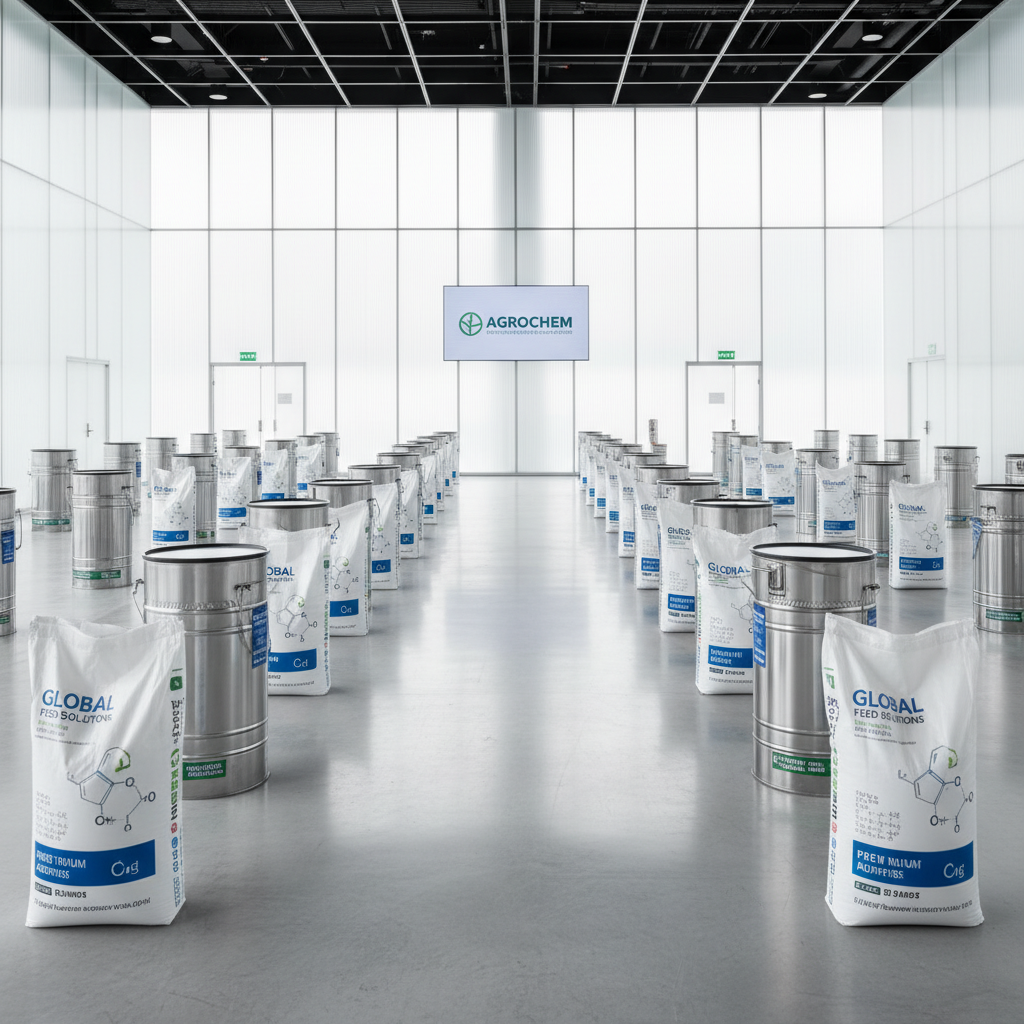
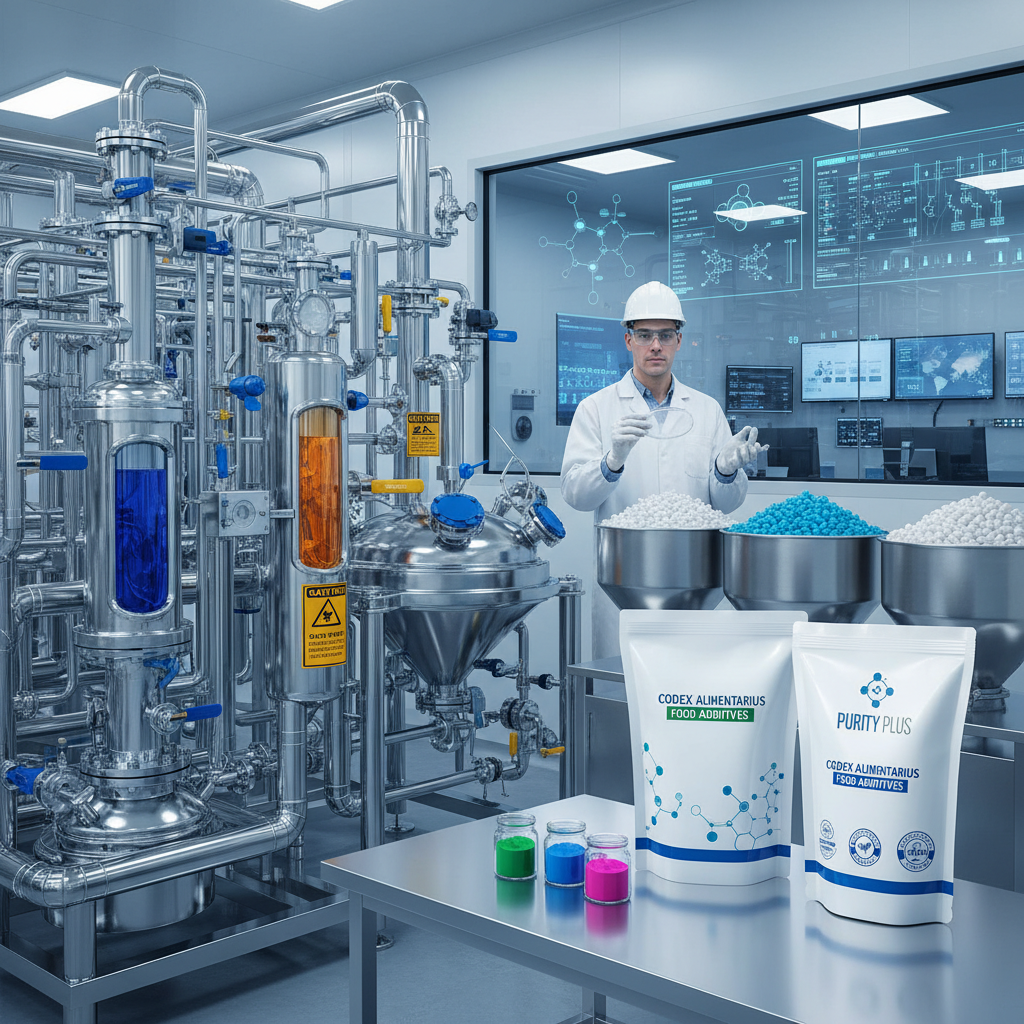
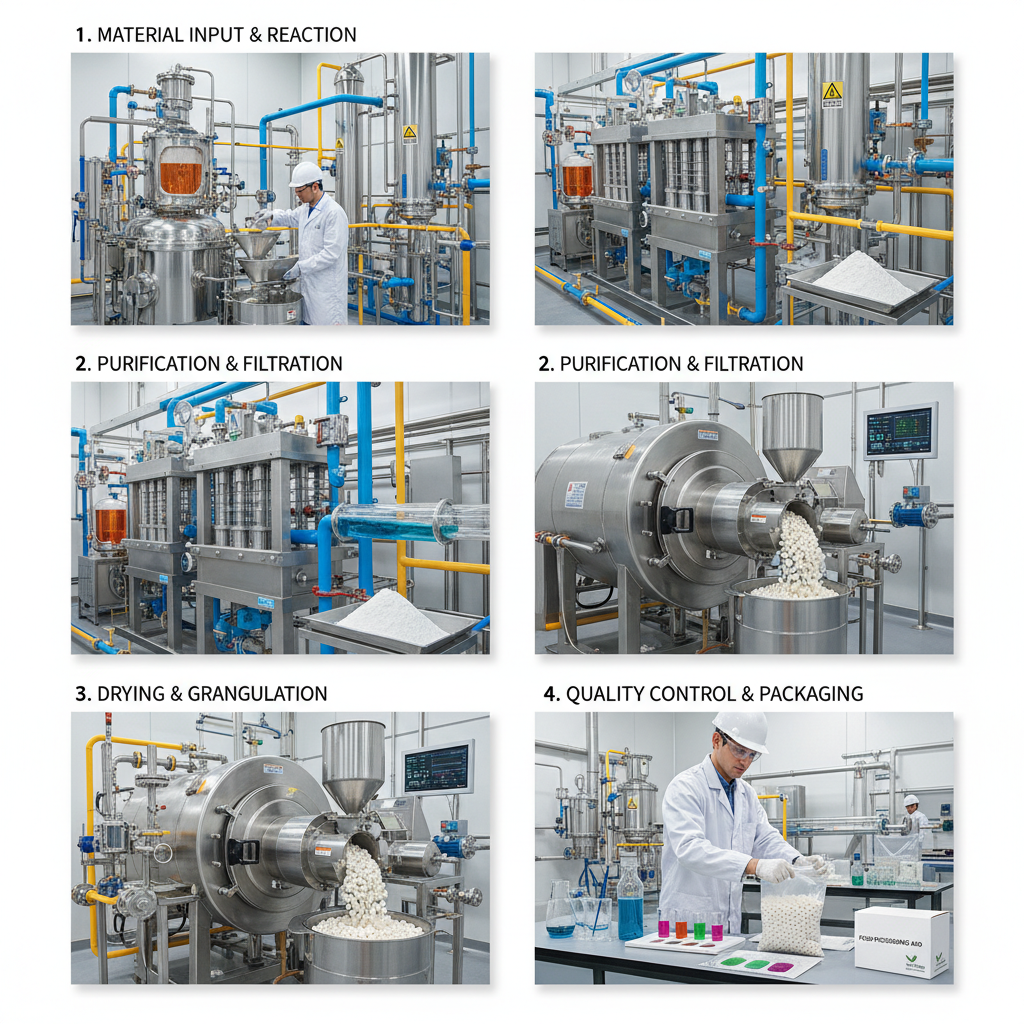
Feed additives are crucial components of modern animal nutrition, playing a vital role in enhancing the health, growth, and productivity of livestock and poultry. As a leading feed additive supplier, we understand the evolving demands of the agricultural industry and the importance of providing high-quality, innovative solutions. The global feed additive market is experiencing significant growth, driven by factors like increasing meat consumption, rising demand for animal protein, and growing awareness of animal health and welfare.
The demand for effective feed additives is intrinsically linked to global food security. Efficient livestock production requires optimized feed formulations, and feed additives are essential for achieving this. A reliable feed additive supplier ensures a consistent supply of these critical ingredients, supporting farmers and contributing to a stable food chain. The market is projected to continue its upward trajectory, presenting both opportunities and challenges for manufacturers and distributors alike.
Understanding the intricacies of feed additives – their types, functions, and regulatory frameworks – is paramount for anyone involved in animal agriculture. Choosing the right feed additive supplier can significantly impact animal performance, product quality, and overall profitability. This guide provides a comprehensive overview of the field, covering key aspects from definitions to future trends.
The Importance of Feed Additives
Feed additives are substances added to animal feeds to improve animal health, growth, and feed efficiency. They encompass a wide range of compounds, including vitamins, minerals, amino acids, enzymes, probiotics, and prebiotics. The right combination of additives can significantly enhance the nutritional value of feed, leading to improved animal performance and reduced production costs. A strong feed additive supplier provides the expertise to help optimize these combinations.
The impact of feed additives extends beyond mere production efficiency. They play a critical role in preventing disease, improving animal welfare, and reducing the environmental footprint of livestock farming. By enhancing nutrient absorption and reducing waste, additives contribute to more sustainable agricultural practices. This is increasingly important as global demand for animal protein continues to rise.
Global Feed Additive Landscape
The global feed additive market is substantial and highly competitive. Asia-Pacific currently dominates the market, driven by the large livestock populations in countries like China and India. North America and Europe are also significant players, with a focus on innovation and high-quality products. The market is segmented by type of additive (vitamins, minerals, amino acids, etc.) and by animal species (poultry, swine, ruminants, aquaculture).
According to industry reports, the global feed additive market is projected to reach over $25 billion by 2028, growing at a CAGR of approximately 4-5%. This growth is fuelled by the increasing demand for animal protein, the rising prevalence of animal diseases, and the growing adoption of advanced animal nutrition practices. The competitive landscape is characterized by a mix of large multinational corporations and smaller, specialized feed additive suppliers.
Regulatory frameworks governing feed additives vary significantly across countries. Compliance with these regulations is crucial for any feed additive supplier operating in the global market. Key regulatory bodies include the European Food Safety Authority (EFSA), the Food and Drug Administration (FDA) in the United States, and various national regulatory agencies.
Defining a Feed Additive Supplier
A feed additive supplier is a company that manufactures, distributes, and sells additives used in animal feed. These suppliers range in scope, from large-scale producers offering a comprehensive product portfolio to smaller, niche companies specializing in specific additives or animal species. A key differentiator among feed additive suppliers is their commitment to quality, safety, and regulatory compliance.
Beyond simply providing products, a reliable supplier offers technical support, formulation assistance, and market insights. They work closely with feed manufacturers, integrators, and farmers to optimize feed formulations and improve animal performance. This collaborative approach is essential for addressing the unique challenges faced by different producers.
The role of a feed additive supplier is evolving, with increasing emphasis on sustainability and traceability. Consumers are demanding greater transparency in the food supply chain, and suppliers are responding by implementing robust quality control systems and sourcing ingredients responsibly.
Key Factors for Selecting a Supplier
Choosing the right feed additive supplier is a critical decision that can significantly impact your business. Several key factors should be considered, including product quality, price, reliability of supply, technical support, and regulatory compliance.
Quality control is paramount. Ensure the supplier has robust quality assurance systems in place, including ISO certifications and independent laboratory testing. Price is important, but it should not be the sole determining factor. Consider the overall value proposition, including product performance, technical support, and delivery reliability.
Supplier Evaluation Criteria
Applications Across Animal Species
Feed additives are used extensively across a wide range of animal species, each with its unique nutritional requirements. Poultry production relies heavily on additives to promote growth, improve egg quality, and enhance disease resistance. Swine benefit from additives that improve feed efficiency and lean meat production.
In ruminant livestock (cattle, sheep, goats), additives are used to optimize rumen function, improve milk production, and reduce methane emissions. Aquaculture is another growing segment where additives play a vital role in enhancing fish growth, improving feed conversion ratios, and maintaining water quality.
Benefits of a Reliable Supplier
Partnering with a reliable feed additive supplier offers numerous benefits. Consistent product quality ensures optimal animal performance and reduces the risk of production losses. A secure supply chain mitigates disruptions and ensures timely delivery of critical ingredients.
Access to technical expertise and formulation assistance helps optimize feed formulations and improve overall efficiency. A proactive supplier stays abreast of regulatory changes and provides guidance on compliance. Ultimately, a strong partnership with a feed additive supplier translates into increased profitability and long-term sustainability.
Reduced risk of contamination and quality issues contributes to brand protection and consumer trust. A commitment to sustainability aligns with growing consumer demand for responsibly produced animal products.
Future Trends and Innovations
The feed additive industry is undergoing rapid innovation, driven by advancements in biotechnology, nutrition science, and data analytics. Emerging trends include the development of novel probiotics and prebiotics, the use of enzymes to enhance nutrient digestibility, and the application of precision nutrition technologies.
Sustainable feed additives are gaining prominence, with a focus on reducing the environmental impact of livestock production. This includes additives that reduce methane emissions, improve nitrogen utilization, and enhance manure management. Digital technologies, such as AI-powered feed formulation tools, are also transforming the industry.
The future of feed additive suppliers will depend on their ability to adapt to these changing trends and provide innovative, sustainable solutions that meet the evolving needs of the animal agriculture industry.
Key Supplier Performance Metrics
| Product Quality Score |
Delivery Reliability (OTIF%) |
Technical Support Rating |
Regulatory Compliance Level |
| 9.2 |
98% |
8.5 |
High |
| 8.8 |
95% |
7.9 |
Medium |
| 7.5 |
88% |
6.2 |
Low |
| 9.5 |
100% |
9.0 |
High |
| 8.0 |
92% |
7.0 |
Medium |
| 6.8 |
80% |
5.5 |
Low |
FAQS
A reputable feed additive supplier should hold certifications such as ISO 9001 (quality management), FSSC 22000 (food safety system certification), and GMP+ (Good Manufacturing Practice for feed safety). These certifications demonstrate a commitment to quality, safety, and regulatory compliance. They provide assurance that the supplier adheres to internationally recognized standards and has robust systems in place to prevent contamination and ensure product integrity.
To verify the quality of feed additives, request a Certificate of Analysis (COA) for each batch of product. This document provides detailed information about the product’s composition, purity, and compliance with specifications. You can also request samples for independent laboratory testing. A reliable feed additive supplier will be transparent and willing to provide this information.
Typical lead times vary depending on the supplier’s location, the product’s availability, and the shipping method. Generally, you can expect lead times to range from 1-4 weeks. A good feed additive supplier will provide accurate lead time estimates and offer flexible shipping options to meet your needs. Communication and reliable logistics are key to minimizing disruptions.
Technical support is a valuable service offered by many feed additive suppliers. They can provide guidance on optimal dosage rates, product compatibility, and feed formulation strategies. This expertise can help you maximize the benefits of the additives and improve animal performance. Look for a supplier with a team of qualified nutritionists or technical specialists.
Regulatory compliance is critical in the feed additive industry. A responsible feed additive supplier will stay up-to-date on all relevant regulations and ensure that their products meet the requirements of the countries where they are sold. They should be able to provide documentation demonstrating compliance and assist you with any import/export requirements.
A clear and fair policy on product returns and complaints is essential. A reputable feed additive supplier will have a documented procedure for handling such issues promptly and efficiently. They should be willing to investigate complaints thoroughly and provide appropriate solutions, such as replacements or refunds.
Conclusion
In conclusion, selecting the right feed additive supplier is a strategic decision that can significantly impact the success of your animal agriculture operation. A reliable supplier provides not only high-quality products but also technical expertise, regulatory support, and a commitment to sustainability. By carefully evaluating potential suppliers and prioritizing these key factors, you can ensure a consistent supply of effective feed additives that optimize animal performance, enhance product quality, and contribute to long-term profitability.
As the feed additive industry continues to evolve, it’s crucial to partner with a supplier that embraces innovation and proactively addresses emerging challenges. Looking ahead, a focus on sustainable solutions, digital technologies, and personalized nutrition will be essential for meeting the growing demand for safe, affordable, and environmentally responsible animal protein. Visit our website at www.chinaseasoning.com to learn more about how we can support your business.