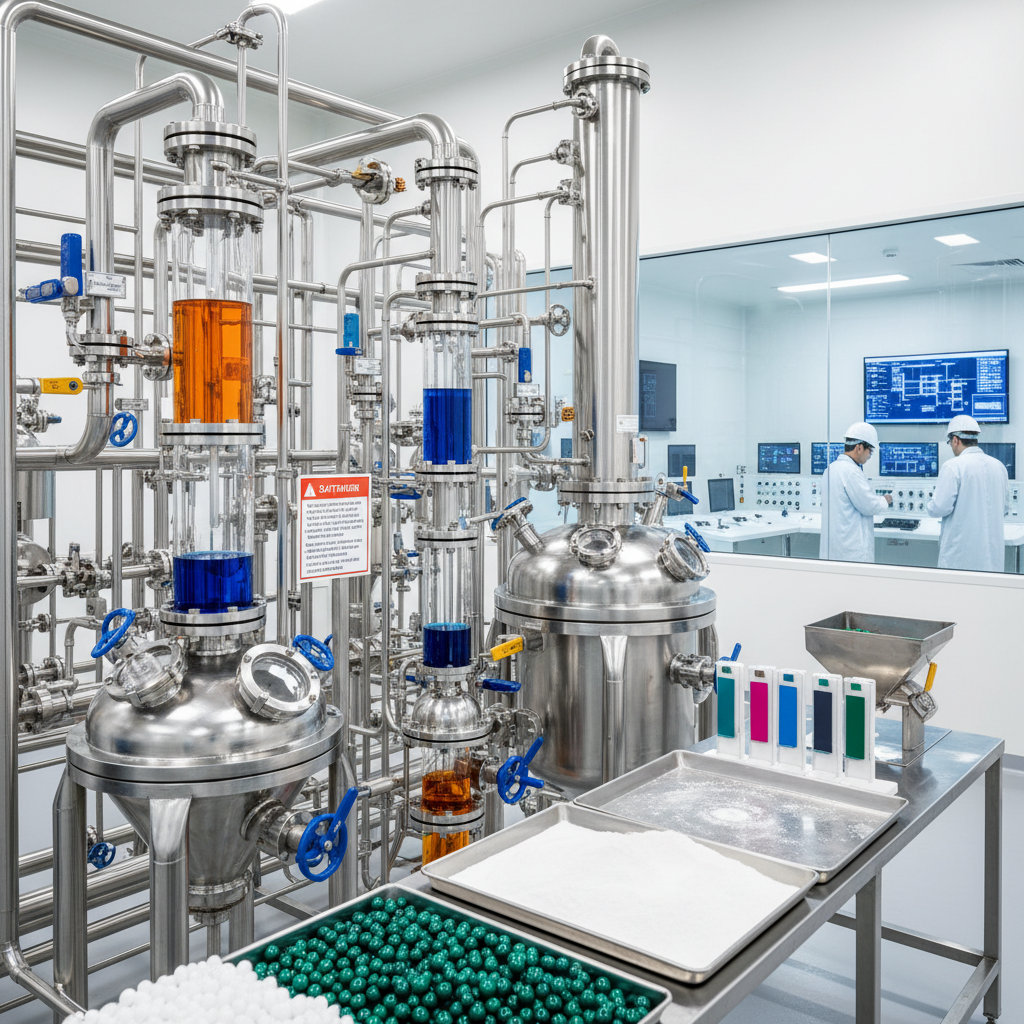
Feed additive companies are vital components of the modern agricultural landscape, playing a crucial role in enhancing animal health, productivity, and ultimately, food security. These companies develop, manufacture, and distribute specialized ingredients added to animal feed to improve its nutritional value, promote growth, and prevent diseases. The global demand for animal protein continues to rise, necessitating advancements in animal nutrition and the efficiency of feed production, making feed additive companies increasingly important.
The industry is subject to stringent regulations and quality control measures, ensuring both animal and human health are protected. Innovation in this sector is driven by factors such as evolving consumer preferences for sustainable and ethically sourced products, and the growing need to address challenges like antimicrobial resistance. This necessitates continuous research and development of novel feed additives.
Understanding the dynamics of feed additive companies – their products, technologies, and market trends – is critical for stakeholders across the agricultural value chain, from farmers and feed manufacturers to policymakers and consumers. A thriving feed additive industry translates directly into a more efficient and sustainable food supply.
The Significance of Feed Additive Companies
Feed additive companies aren’t merely suppliers; they are integral partners in optimizing animal agriculture. By providing specialized nutritional solutions, they directly impact feed conversion ratios, animal health, and the overall efficiency of livestock production. This optimization translates into reduced production costs and a smaller environmental footprint.
The importance of these companies is amplified by the increasing global population and the associated demand for affordable and high-quality protein. Feed additives help producers meet this demand while adhering to increasingly stringent sustainability standards and consumer expectations regarding animal welfare and food safety.
Global Context and Industry Relevance
The global feed additive market is a multi-billion dollar industry, experiencing steady growth driven by factors like rising meat consumption, particularly in emerging economies. According to recent reports, the market is projected to reach substantial figures in the coming years, reflecting the increasing reliance on advanced animal nutrition practices. The United Nations’ Food and Agriculture Organization (FAO) emphasizes the critical role of efficient livestock production in achieving global food security, and feed additives are central to this efficiency.
A significant challenge facing the industry is the increasing prevalence of antimicrobial resistance (AMR). The overuse of antibiotics in animal agriculture has contributed to the development of resistant bacteria, posing a threat to both animal and human health. Feed additive companies are actively researching and developing alternative solutions, such as probiotics, prebiotics, and phytogenics, to reduce reliance on antibiotics and promote gut health naturally.
Furthermore, regulations surrounding feed safety and quality are becoming increasingly rigorous worldwide. ISO standards and regional regulatory bodies exert significant influence, demanding transparency and traceability throughout the supply chain. This pushes feed additive companies to invest in robust quality control systems and compliance measures.
Defining Feed Additive Companies
Feed additive companies are businesses specializing in the research, development, production, and marketing of substances added to animal feed to enhance its nutritional value or improve animal performance. These additives aren't intended to be the sole source of nutrition but rather supplements designed to address specific dietary needs or physiological challenges in livestock.
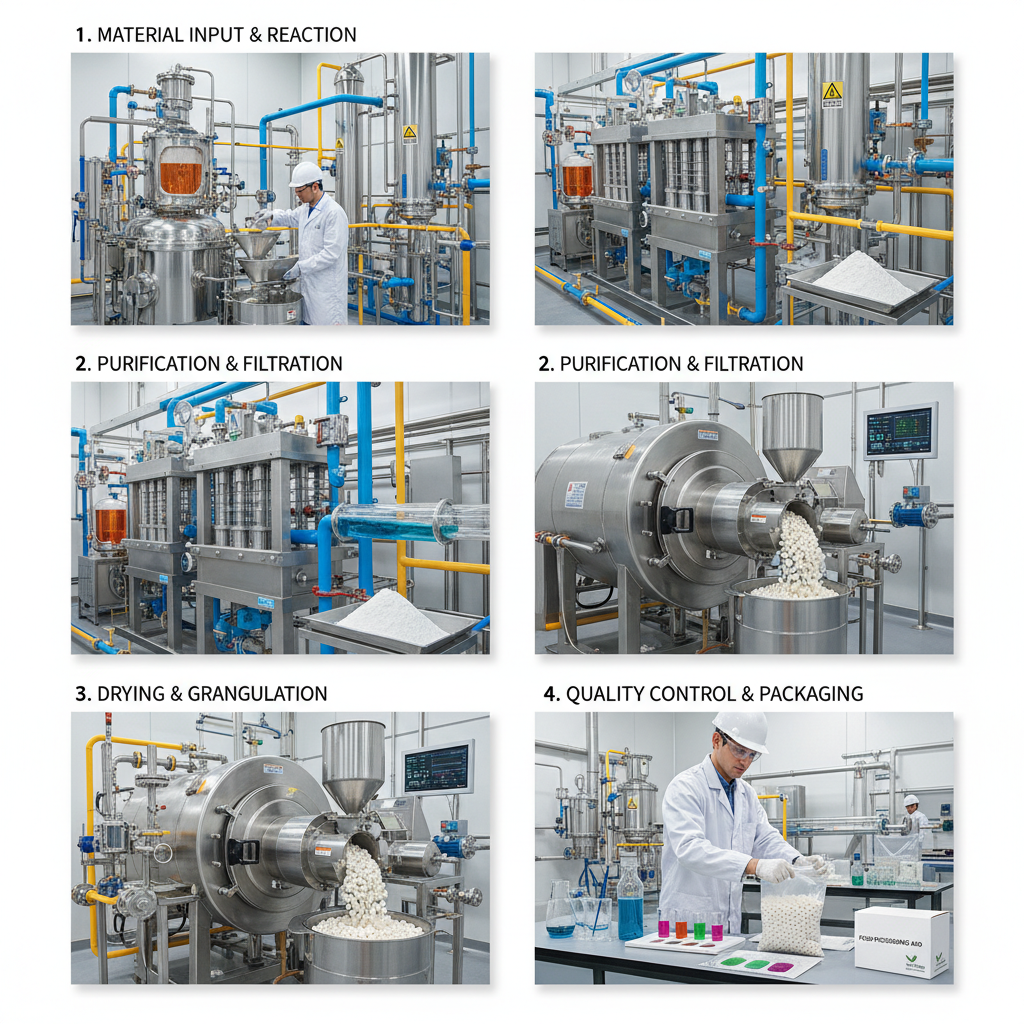
The scope of their activities extends beyond simple manufacturing. Many feed additive companies offer technical support, analytical services, and customized formulations to help feed manufacturers and farmers optimize their feeding programs. They often collaborate with research institutions and universities to stay at the forefront of nutritional science and develop innovative products.
This concept is intrinsically linked to modern industrial agriculture and the need to maximize efficiency while minimizing environmental impact. It directly addresses the humanitarian need for a sustainable and secure food supply, ensuring that growing populations have access to affordable and nutritious animal protein.
Core Components and Key Factors
Several key aspects define the success and impact of feed additive companies. These include product innovation, regulatory compliance, supply chain management, and customer support. Continuously developing novel additives that address emerging challenges, such as disease outbreaks or changing dietary requirements, is critical for maintaining a competitive edge.
Adherence to stringent regulatory standards, like those set by the FDA and EFSA, is paramount for ensuring product safety and efficacy. Efficient supply chain management is crucial for delivering products reliably and cost-effectively to customers worldwide. Moreover, strong customer support, including technical expertise and tailored solutions, builds long-term relationships and fosters trust.
Effectiveness of Different Feed Additive Approaches
Global Applications and Use Cases
Feed additive companies serve a broad spectrum of applications across various livestock sectors, including poultry, swine, ruminants (cattle, sheep), and aquaculture. In intensive poultry farming, additives like enzymes and probiotics are used to improve feed digestibility and gut health, leading to increased weight gain and reduced mortality.
In swine production, additives address challenges like post-weaning diarrhea and growth performance. For ruminants, additives focused on optimizing rumen fermentation and reducing methane emissions are gaining prominence. Aquaculture benefits from additives that enhance immune function and improve feed utilization in farmed fish and shrimp. These solutions are critical across regions from North America and Europe to Asia and South America, each with unique animal production practices and regulatory landscapes.
Advantages and Long-Term Value
The advantages of utilizing feed additives are substantial. Cost savings through improved feed conversion efficiency, enhanced animal health leading to reduced veterinary expenses, and increased productivity are direct financial benefits. Sustainability is another key advantage, as optimized feeding programs minimize waste and reduce the environmental impact of livestock production.
Beyond the tangible benefits, there's a long-term value proposition related to animal welfare, consumer trust, and the resilience of the food supply chain. Investing in advanced feed additive technologies demonstrates a commitment to responsible animal agriculture and positions companies as leaders in a rapidly evolving market.
Future Trends and Innovations
Several exciting trends are shaping the future of feed additive companies. These include the development of precision feeding solutions based on data analytics and machine learning, the exploration of novel ingredients sourced from algae and insects, and the increasing focus on microbiome modulation to enhance animal health and performance. Digital transformation, including the use of blockchain technology for supply chain traceability, will also play a significant role.
Green chemistry and sustainable sourcing are becoming increasingly important considerations, with a growing demand for eco-friendly additives derived from renewable resources. Furthermore, advancements in genetic engineering and biotechnology are opening up new possibilities for creating feed additives with enhanced functionalities and targeted effects.
Challenges and Solutions
Despite the numerous benefits, feed additive companies face challenges like the high cost of research and development, the complex regulatory landscape, and the growing consumer skepticism regarding genetically modified organisms (GMOs). Ensuring the consistent quality and efficacy of additives across different batches and production environments can also be challenging.
Addressing these challenges requires collaborative efforts between industry, academia, and regulatory bodies. Investing in cutting-edge research, streamlining regulatory processes, and promoting transparent communication with consumers are essential. Exploring alternative production methods, such as fermentation and enzymatic synthesis, can reduce reliance on GMOs and enhance sustainability. The integration of feed additive companies with digital technologies like AI and machine learning can improve efficiency and precision.
Key Performance Indicators for Evaluating Feed Additive Companies
| Product Innovation Score |
Regulatory Compliance Rating |
Market Share Growth |
Customer Satisfaction Index |
| 8.5 |
9.2 |
15% |
4.7/5 |
| 7.8 |
8.9 |
10% |
4.3/5 |
| 9.0 |
9.5 |
20% |
4.9/5 |
| 6.5 |
7.5 |
5% |
3.8/5 |
| 8.2 |
9.0 |
12% |
4.5/5 |
| 7.0 |
8.0 |
8% |
4.0/5 |
FAQS
Feed additives offer a range of benefits, including improved feed efficiency, enhanced animal health and growth, reduced disease incidence, and optimized nutrient utilization. They can also help address specific challenges like digestive upset or immune deficiencies. By improving overall livestock performance, feed additives contribute to increased profitability for producers and a more sustainable food supply. Different additives target different areas, making customized solutions crucial.
Feed additives are subject to rigorous regulations by governmental bodies like the FDA in the United States and the EFSA in Europe. These agencies evaluate additives for safety, efficacy, and environmental impact before they can be approved for use. The regulatory process often involves extensive testing and data submission. Compliance with these regulations is paramount for feed additive companies to maintain market access and ensure consumer confidence.
Feed additives play a critical role in reducing the reliance on antibiotics in livestock production, thereby mitigating the risk of antimicrobial resistance. Alternatives like probiotics, prebiotics, organic acids, and phytogenics can improve gut health, enhance immune function, and reduce the need for antibiotic intervention. This approach supports sustainable animal agriculture and protects public health.
Some feed additive production processes can have environmental impacts, such as greenhouse gas emissions or waste generation. However, the industry is increasingly focused on sustainability. Companies are adopting greener manufacturing practices, sourcing renewable ingredients, and developing additives that reduce methane emissions from livestock. Life cycle assessments are also used to evaluate the overall environmental footprint of feed additives.
Probiotics are live microorganisms that, when administered in adequate amounts, confer a health benefit on the host animal. They help establish a beneficial gut microbiome. Prebiotics, on the other hand, are non-digestible food ingredients that promote the growth and activity of beneficial bacteria already present in the gut. Both probiotics and prebiotics contribute to improved gut health and immune function, but they work through different mechanisms.
Feed additive companies prioritize innovation through substantial investment in research and development. This includes exploring new ingredients, developing novel formulations, and utilizing advanced technologies like biotechnology and data analytics. Collaboration with research institutions and universities is also crucial. Staying ahead requires anticipating market trends, addressing emerging challenges, and meeting evolving consumer demands.
Conclusion
Feed additive companies are essential players in the global agricultural landscape, driving improvements in animal health, productivity, and sustainability. By providing innovative nutritional solutions, they contribute to a more secure and efficient food supply, addressing critical challenges such as antimicrobial resistance and evolving consumer preferences. The industry’s commitment to research, regulatory compliance, and responsible practices is paramount.
Looking ahead, the future of feed additive companies will be shaped by advancements in biotechnology, data analytics, and sustainable sourcing. Continued investment in these areas will unlock new opportunities to optimize animal nutrition, minimize environmental impact, and ensure a resilient and sustainable food system. To learn more about innovative feed solutions and feed additive companies, visit our website today.