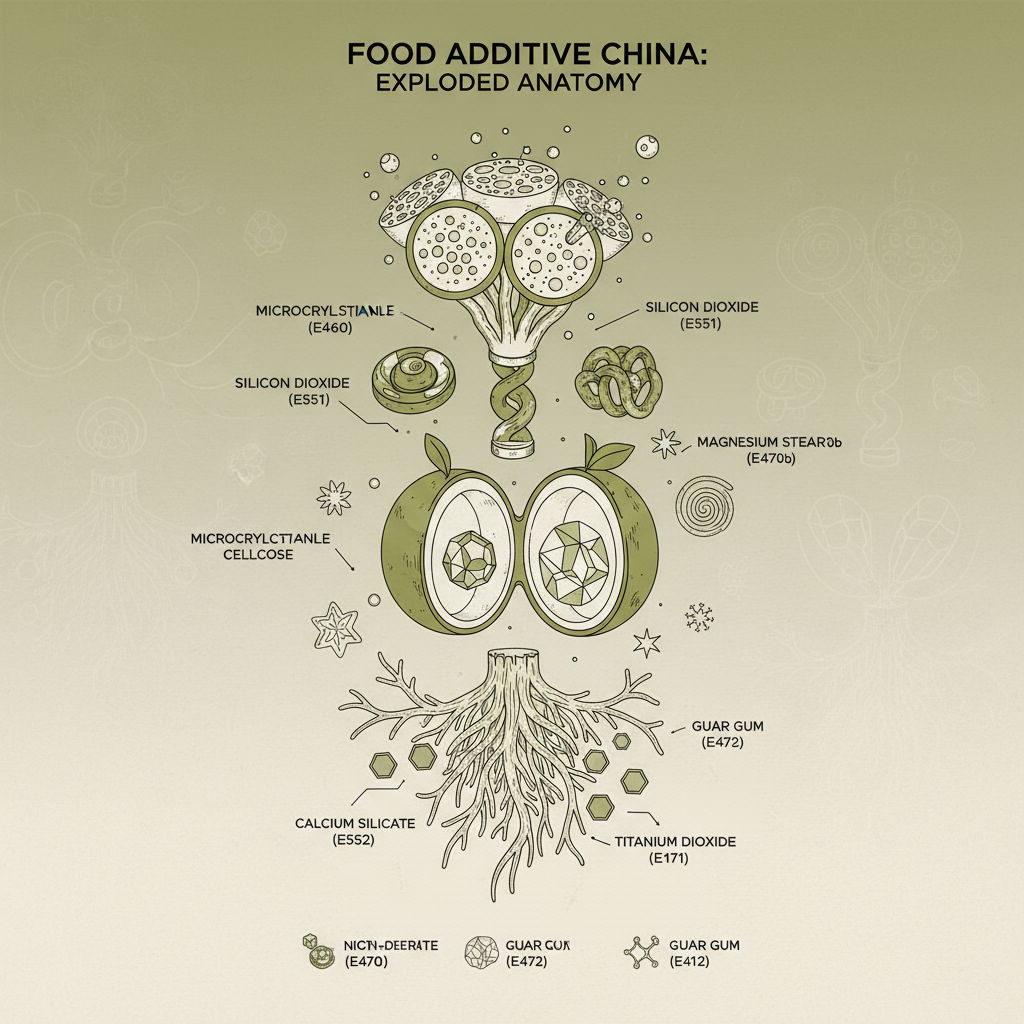
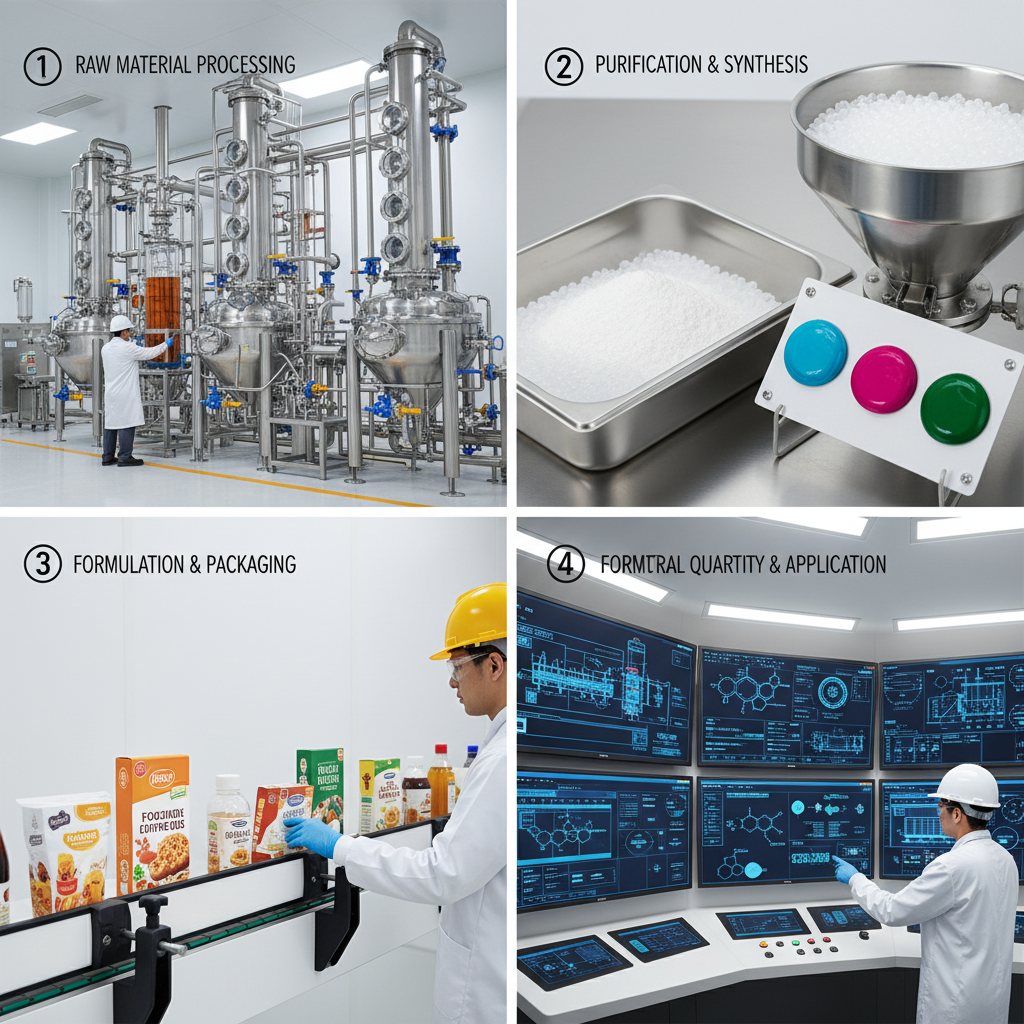
Artificial additives are substances added to food, beverages, or other products to enhance flavor, color, texture, or shelf life. Globally, their use is pervasive, driven by increasing demand for processed foods and the need to feed a growing population. Understanding these additives is crucial for consumers, manufacturers, and regulators alike, as they directly impact public health and food safety. The increasing complexities within global supply chains necessitate thorough knowledge of the ingredients we consume.
The relevance of artificial additives extends beyond simple convenience and palatability. International organizations like the UN and WHO continually assess their safety, establishing acceptable daily intakes (ADIs) and regulations. The global market for food additives is projected to reach significant figures in the coming years, highlighting a consistent industry growth and adaptation to changing consumer preferences. The demand for additives is closely tied to food preservation techniques and ensuring food security globally.
The ability to control food characteristics, minimize waste, and ensure consistent product quality makes artificial additives an integral part of modern food production. They address critical challenges in ensuring food availability, accessibility, and affordability, particularly in regions with limited resources. Proper understanding empowers informed decision-making about the foods we choose, ultimately contributing to a healthier and more sustainable food system.
Introduction to Artificial Additives
Artificial additives play a crucial role in modern food processing, impacting everything from preservation and texture to flavor enhancement. They’re not a new phenomenon, with historical precedents like salting and smoking used for centuries. However, the scale and complexity of modern additives are vastly different, driven by advancements in chemistry and food science. This has led to increased scrutiny regarding their effects on human health and the environment.
The use of artificial additives isn't limited to the food industry, extending to pharmaceuticals, cosmetics, and even industrial applications. Understanding the diverse range of these substances, their functions, and potential impacts is essential for creating safe, sustainable, and high-quality products. This knowledge base must be continually updated as new additives are developed and regulations evolve.
Defining Artificial Additives
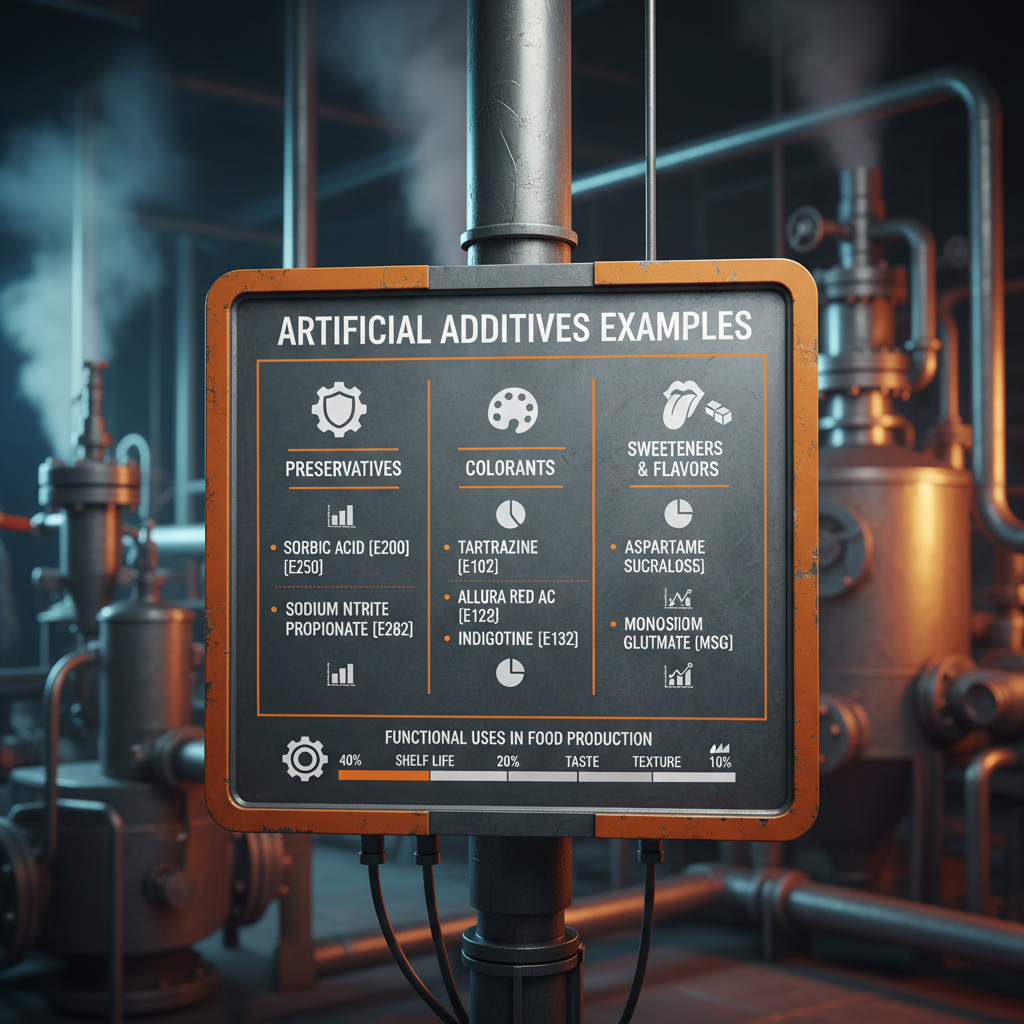
Artificial additives are synthetic substances intentionally added to products to alter their properties. This broad definition encompasses a wide range of chemicals, including colorings, flavorings, preservatives, emulsifiers, and stabilizers. These additives are not naturally occurring in the product in significant quantities, although some may mimic natural compounds. They serve specific technological functions during production, processing, packaging, and storage.
Their connection to modern industry stems from the need for mass-produced, consistent, and shelf-stable products. Before widespread use of these additives, maintaining food quality over extended periods and distances was significantly more challenging. The development and use of additives addressed crucial logistical hurdles.
These additives also address humanitarian needs by facilitating the production of nutrient-enriched foods and extending the shelf life of provisions in areas with limited access to fresh produce or efficient storage facilities. Ensuring food safety and extending availability are paramount considerations driving the development and application of artificial additives.
Key Properties of Artificial Additives
One key property of artificial additives is their stability. Additives must remain effective under various processing conditions—heat, light, pH changes—and during the product’s shelf life. This ensures consistent performance and prevents degradation. The chemical structure of an additive is often carefully designed for maximum stability in the target environment.
Another vital property is efficacy—the ability to achieve the desired effect at relatively low concentrations. This minimizes the potential for unwanted side effects and reduces production costs. Additives are meticulously tested to determine the optimal dosage for achieving the intended outcome without compromising product safety or quality.
Solubility is crucial for ensuring even distribution throughout the product. Different additives exhibit varying degrees of solubility in water, oil, or other solvents, requiring careful selection based on the product’s formulation. Poor solubility can lead to uneven distribution and reduced effectiveness. Finally, regulatory compliance dictates which additives are permitted for use in specific applications and at what levels.
Applications Across Industries
The food and beverage industry remains the largest consumer of artificial additives, employing them extensively in processed foods, confectionery, baked goods, and soft drinks. They control texture, improve flavor, extend shelf life, and enhance visual appeal. However, applications extend far beyond food.
In the pharmaceutical sector, additives are used as excipients – inactive ingredients that serve as vehicles for active pharmaceutical ingredients, control drug release, and improve stability. Cosmetics utilize additives to impart color, fragrance, and texture, as well as to preserve the product. In regions with limited resources or during times of crisis, the use of these additives is particularly vital.
Effectiveness of Different Artificial Additives
Benefits and Long-Term Impact
A primary benefit of artificial additives is cost-effectiveness. They often provide solutions at a lower cost than using natural alternatives, making products more accessible to consumers. This affordability is particularly important in developing countries and for low-income populations. Furthermore, they often exhibit greater consistency in quality and performance compared to natural ingredients, ensuring uniform product characteristics.
The long-term impact also includes improved food security by reducing spoilage and waste, especially during transport and storage. However, it's crucial to acknowledge the ongoing debate surrounding potential health effects. Responsible use, adhering to stringent safety standards, and continuous research are paramount to maximizing benefits and minimizing risks.
Emerging Trends and Innovations
The current trend is a move towards “clean label” products, driving demand for natural or nature-identical additives. Researchers are exploring microbial fermentation and enzymatic processes to produce additives from renewable sources. There’s also growing interest in encapsulation technologies to improve the delivery and effectiveness of additives while reducing their overall usage.
Digital transformation plays a role, with AI-powered platforms used to predict additive interactions and optimize formulations. Automation in additive production is also increasing, improving efficiency and reducing costs. These innovations aim to address consumer concerns and enhance the sustainability of the additives industry.
Sustainability is at the forefront, with research focused on biodegradable and compostable additives that minimize environmental impact. The adoption of circular economy principles is also gaining traction, aiming to recover and reuse additives from waste streams.
Challenges and Mitigation Strategies
A significant challenge is public perception, often fueled by misinformation and concerns about potential health risks. Clear and transparent communication about the safety and benefits of artificial additives is crucial for building trust. Regulatory hurdles and differing standards across countries also pose challenges to global trade and innovation.
Mitigation strategies include increased investment in research to assess long-term effects, improved risk assessment protocols, and harmonization of regulations. Developing alternatives that address consumer concerns while maintaining product functionality is also essential. Furthermore, implementing robust traceability systems can help identify and address potential issues quickly.
The complexity of additive interactions within food matrices presents another challenge, necessitating comprehensive testing and modeling. Collaboration between industry, academia, and regulatory bodies is vital for overcoming these challenges and ensuring the responsible use of artificial additives.
Summary of Key Challenges and Mitigation Strategies for Artificial Additives
| Challenge |
Severity (1-10) |
Mitigation Strategy |
Implementation Cost (Low/Medium/High) |
| Public Perception & Misinformation |
8 |
Transparent Communication & Education |
Medium |
| Regulatory Discrepancies |
7 |
Harmonization of Standards |
High |
| Long-Term Health Effects |
6 |
Increased Research & Monitoring |
High |
| Additive Interactions |
5 |
Comprehensive Testing & Modeling |
Medium |
| Sustainability Concerns |
7 |
Development of Biodegradable Alternatives |
Medium |
| Traceability & Supply Chain Issues |
6 |
Robust Traceability Systems |
Medium |
FAQS
The safety of artificial additives is rigorously evaluated by regulatory bodies like the FDA and EFSA. They establish Acceptable Daily Intakes (ADIs) based on extensive toxicological studies. However, individual sensitivities can vary, and some people may experience adverse reactions. It's essential to stay informed and make choices based on your personal health needs. Responsible manufacturers adhere to these regulations, ensuring product safety.
Natural additives are derived from sources found in nature, such as plants, animals, or minerals. Artificial additives are synthesized chemically. The key difference lies in their origin, not necessarily their safety. Some natural additives can be harmful in large quantities, while some artificial additives are rigorously tested and deemed safe at specified levels. Both types serve the same functional purpose – to improve product characteristics.
Food labels are legally required to list all ingredients, including artificial additives. These are often identified by their common names or E numbers (European numbering system). Resources like the Environmental Working Group (EWG) provide databases and information on the safety of various additives. Consumers can also opt for products labeled as "organic" or "natural," which generally restrict the use of artificial additives.
Yes, several natural alternatives exist for artificial food colorings. These include beet juice for red, turmeric for yellow, spirulina for blue-green, and annatto for orange-yellow. However, natural colorings can sometimes be less stable and may affect the flavor of the product. The choice between artificial and natural colorings often depends on the desired product characteristics and cost considerations.
Regulatory agencies like the FDA (US) and EFSA (Europe) play a vital role in ensuring the safety of artificial additives. They evaluate scientific data, establish ADIs, and set limits on the amount of additives allowed in food products. They also monitor the market for emerging safety concerns and update regulations as needed. Their work is essential for protecting public health.
While rare, certain artificial additives can trigger allergic reactions in susceptible individuals. Common culprits include artificial food colorings, preservatives like sulfites and BHA, and flavor enhancers like MSG. Symptoms can range from mild skin rashes to more severe reactions. Individuals with known allergies should carefully read food labels and avoid products containing potential allergens.
Conclusion
Artificial additives remain a complex but essential aspect of modern food production and numerous other industries. While concerns about their safety exist, rigorous regulatory oversight, ongoing research, and technological advancements are continuously improving their assessment and responsible use. Understanding the benefits, challenges, and emerging trends surrounding these substances is crucial for informed decision-making.
Looking ahead, a focus on sustainability, natural alternatives, and transparent labeling will shape the future of the artificial additives industry. Continued collaboration between scientists, manufacturers, and regulatory bodies is paramount to ensuring the safety, quality, and accessibility of products while addressing consumer concerns. For more information on the role of additives in your food supply, visit our website: www.chinaseasoning.com.