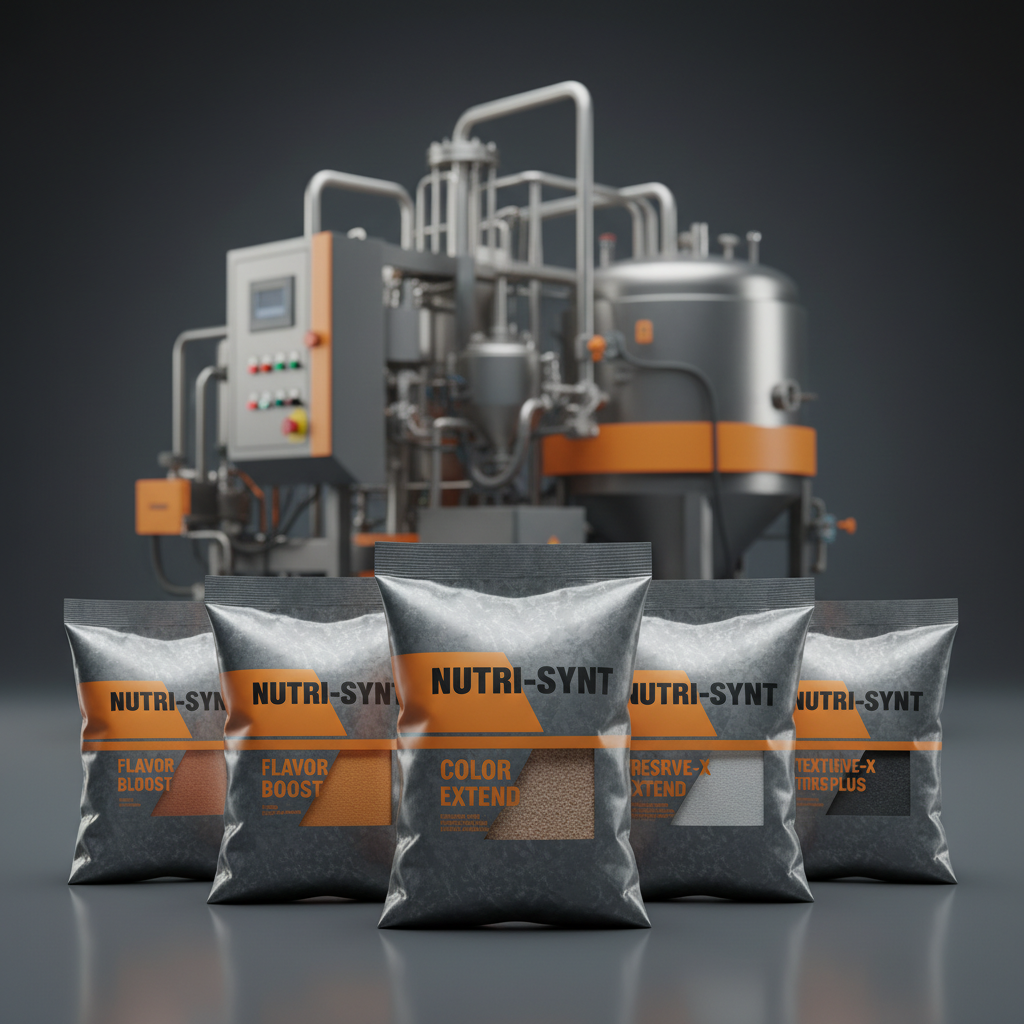
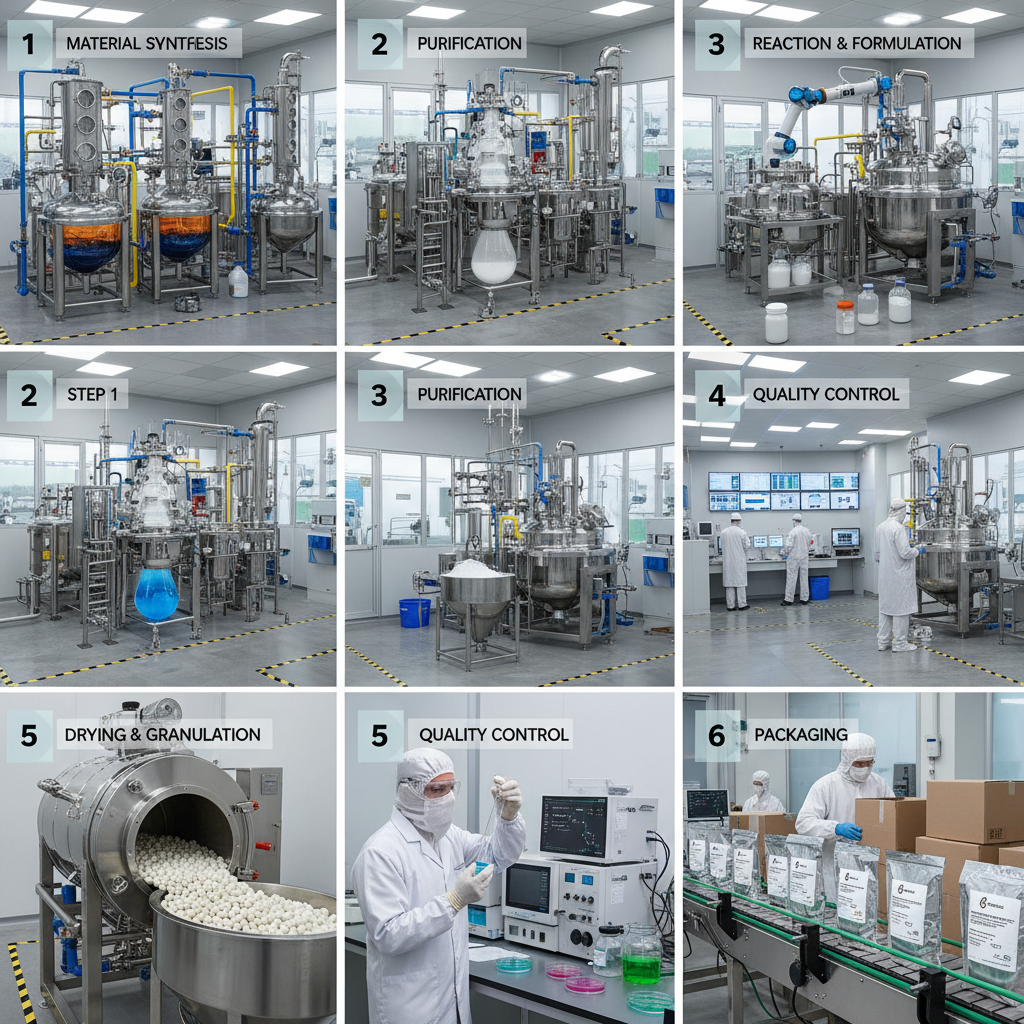
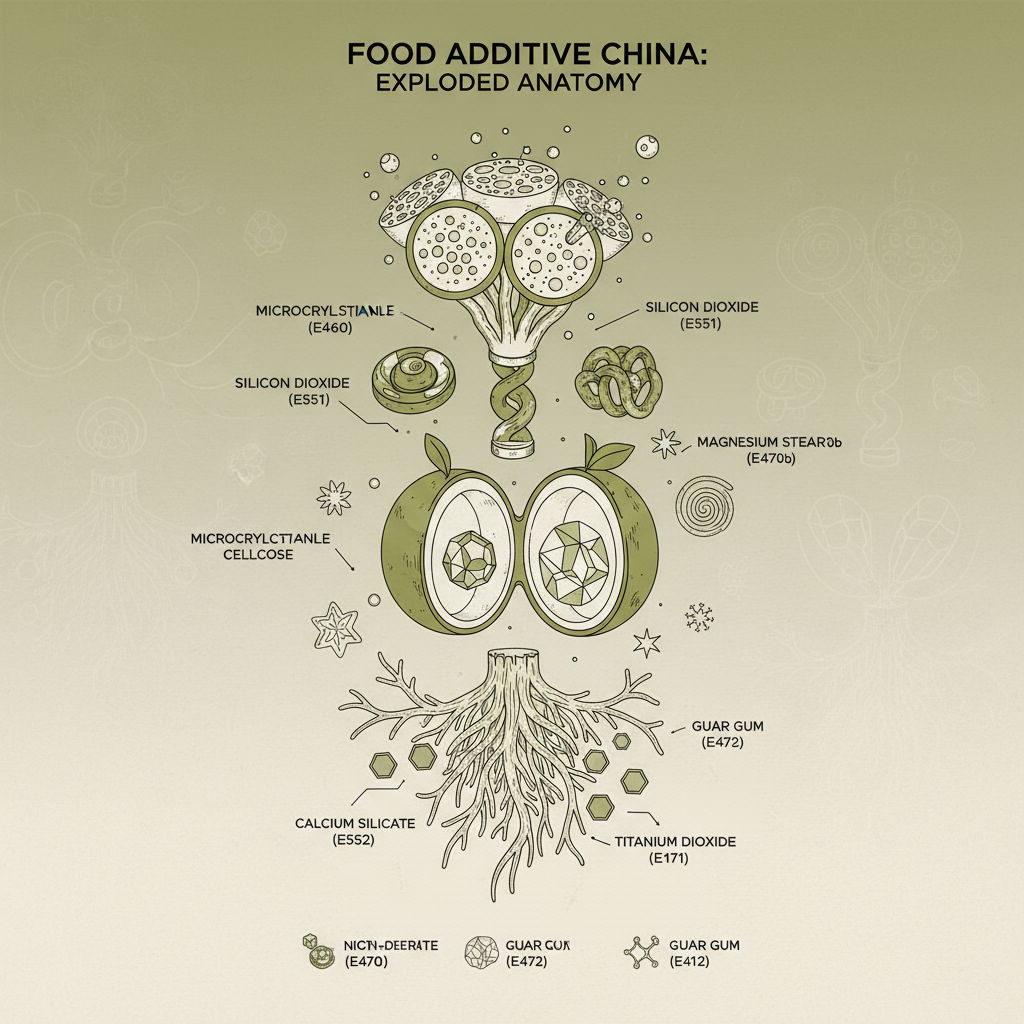
Approved food additives are substances added to food to preserve flavor or enhance its taste, appearance, or other qualities. These additives play a crucial role in ensuring food safety, extending shelf life, and maintaining nutritional value in our increasingly globalized food system. Understanding approved food additives is vital for both consumers seeking informed choices and industries striving for efficient and safe food production.
Globally, the demand for safe and consistently high-quality food is constantly rising, driven by population growth, urbanization, and changing consumer habits. The World Health Organization (WHO) and organizations like the Food and Agriculture Organization (FAO) emphasize the importance of food safety standards, with approved food additives being a critical component. These additives help address challenges in food preservation, transportation, and storage, minimizing waste and ensuring food security across diverse geographical regions.
The significance of approved food additives extends beyond simply preserving food; they contribute to making a wider range of foods accessible and affordable. Modern food production relies heavily on these components to meet diverse consumer preferences and dietary needs, making their understanding fundamental to the functioning of the contemporary food industry. You can explore a comprehensive list of approved food additives to gain deeper insights into these essential components.
Introduction: Global or Industry Context
The global food industry heavily relies on approved food additives to meet the demands of a growing population and increasingly complex supply chains. According to the United Nations, the world population is projected to reach nearly 10 billion by 2050, necessitating increased food production and efficient preservation methods. Approved food additives play a crucial role in extending shelf life, reducing food waste, and ensuring food safety across international borders.
The use of approved food additives isn’t merely about preserving food; it’s deeply intertwined with economic stability and global trade. Restrictions or inconsistencies in additive regulations can create trade barriers and disrupt the flow of food products. Organizations like the ISO (International Organization for Standardization) work to harmonize standards related to food safety, including the use of approved additives, facilitating smoother international commerce and consumer protection.
However, a significant challenge lies in public perception and misinformation surrounding approved food additives. Concerns about potential health effects and a desire for “natural” or “clean label” products are driving changes in consumer behavior. This necessitates transparent communication from regulatory bodies and food manufacturers regarding the safety and benefits of approved food additives, emphasizing that these substances undergo rigorous testing and approval processes.
Definition & Meaning
Approved food additives are carefully evaluated substances intentionally added to food to achieve a specific technological effect. This can range from preserving freshness and preventing spoilage to enhancing color, flavor, or texture. They are distinct from naturally occurring compounds found in foods and are subject to strict regulations by governing bodies like the FDA (Food and Drug Administration) and EFSA (European Food Safety Authority).
Their connection to modern industry is paramount. Without approved food additives, maintaining the current scale and efficiency of food production would be impossible. They facilitate mass production, enable long-distance transportation, and allow for the consistent quality of processed foods. These additives aren't simply about convenience; they’re vital for addressing global food security and minimizing food waste, especially in regions with limited infrastructure.
From a humanitarian perspective, approved food additives are crucial in emergency food aid. They help extend the shelf life of donated foods, ensuring they remain safe and nutritious for vulnerable populations. They also allow for the fortification of foods with essential vitamins and minerals, addressing nutritional deficiencies in areas where access to a balanced diet is limited, ultimately contributing to improved public health.
Key Factors or Core Components
Preservation: Perhaps the most fundamental aspect, approved food additives like preservatives (e.g., sodium benzoate, potassium sorbate) inhibit microbial growth, extending the shelf life of foods and reducing spoilage. This minimizes food waste and ensures food safety.
Enhancement: Colorings, flavorings, and texturizers improve the sensory qualities of food, making it more appealing to consumers. This can include both natural and synthetic additives, all subject to regulatory approval.
Nutritional Value: Some approved food additives are used to fortify foods with essential vitamins and minerals, addressing dietary deficiencies and improving public health. This is particularly important in populations with limited access to diverse food sources.
Processing Aid: Certain additives, like emulsifiers and stabilizers, facilitate food processing, improving texture, consistency, and overall product quality. These aids allow for the efficient production of a wide range of food products.
Safety & Regulation: Rigorous testing and approval processes by regulatory bodies are essential. Approved food additives must meet strict safety standards before they can be used in food products, ensuring consumer protection.
Global Applications & Use Cases
Approved food additives are utilized extensively in the processed food industry worldwide. In North America and Europe, they are integral to maintaining the quality and safety of packaged foods, beverages, and ready-to-eat meals. They ensure consistent product performance and consumer satisfaction.
In developing countries, approved food additives play a particularly critical role in addressing food security challenges. They enable the preservation of perishable foods, reducing post-harvest losses and extending the availability of food supplies. In post-disaster relief operations, fortified foods with added vitamins and minerals, utilizing approved additives, are often crucial for providing immediate nutritional support to affected populations.
The aquaculture industry also benefits significantly from approved food additives. Fish feed is often supplemented with vitamins, minerals, and pigments to promote growth, improve health, and enhance the color of farmed fish, contributing to a sustainable and efficient food source. Furthermore, certain approved additives help control algae blooms and maintain water quality in aquaculture systems.
Application Rate of Approved Food Additives by Category
Advantages & Long-Term Value
The use of approved food additives translates to significant cost savings throughout the food supply chain. By extending shelf life and reducing spoilage, additives minimize waste and lower the overall cost of food production. This economic benefit is passed on to consumers in the form of more affordable food prices.
From a sustainability perspective, approved food additives contribute to resource efficiency. Reducing food waste reduces the demand for agricultural land, water, and energy required for food production. Furthermore, the development of innovative, environmentally friendly additives aligns with the growing emphasis on sustainable food systems. They offer a path towards minimizing our environmental footprint while meeting the needs of a growing population.
Future Trends & Innovations
The future of approved food additives is likely to be shaped by several key trends, including a growing demand for natural and sustainable alternatives. Research is actively underway to develop bio-based additives derived from plant sources or microorganisms, offering a “clean label” appeal to consumers.
Digital transformation and automation are also playing an increasingly important role. Advanced analytical technologies, such as machine learning and artificial intelligence, are being used to optimize additive formulations and predict their performance, leading to more effective and targeted applications. Furthermore, traceability systems powered by blockchain technology are enhancing transparency and accountability in the food supply chain.
Challenges & Solutions
A major challenge is maintaining public trust in the safety of approved food additives. Misinformation and negative perceptions can hinder the adoption of beneficial additives. Addressing this requires proactive communication, transparency, and ongoing research to demonstrate the safety and benefits of these substances.
Regulatory harmonization is another significant hurdle. Differences in additive regulations across countries can create trade barriers and complicate international food trade. Efforts to harmonize standards, such as those led by the Codex Alimentarius Commission, are crucial for facilitating global food safety and trade.
Finally, the development of cost-effective and sustainable alternatives to synthetic additives remains a key challenge. Continued investment in research and innovation is essential for creating environmentally friendly additives that meet consumer demands and regulatory requirements.
Summary Table of Challenges and Solutions for Approved Food Additives
| Challenge |
Impact on approved food additives |
Proposed Solution |
Implementation Timeline |
| Public Perception & Misinformation |
Erosion of trust, reduced consumer acceptance |
Transparent communication, scientific education |
Ongoing |
| Regulatory Discrepancies |
Trade barriers, increased compliance costs |
Harmonization efforts (e.g., Codex Alimentarius) |
Medium-Term (5-10 years) |
| Sustainability Concerns |
Demand for eco-friendly alternatives |
Investment in bio-based additives |
Long-Term (10+ years) |
| Cost of Innovation |
Slow development of new alternatives |
Government funding, private investment |
Medium-Term (5-10 years) |
| Traceability & Supply Chain Security |
Difficulty verifying additive origin & quality |
Blockchain technology, digital tracking |
Short-Term (1-3 years) |
| Evolving Consumer Preferences |
Need for “clean label” and natural options |
Research & development of natural additives |
Ongoing |
FAQS
Approved food additives serve a multitude of purposes, ranging from preserving the freshness and extending the shelf life of food products, to enhancing their taste, texture, and appearance. They also play a vital role in fortifying foods with essential nutrients and facilitating efficient food processing, all while adhering to stringent safety regulations and contributing to global food security.
Approved food additives undergo rigorous evaluation by regulatory bodies such as the FDA and EFSA. These evaluations assess potential toxicity, allergenicity, and other health risks. Additives must meet strict purity standards and be used within defined limits to ensure consumer safety. Ongoing monitoring and re-evaluation processes ensure continued compliance.
Not necessarily. Safety is not solely determined by whether an additive is "natural" or "synthetic." Both natural and synthetic additives undergo rigorous safety assessments. Some natural substances can be toxic or allergenic, while some synthetic additives are safer and more effective at specific tasks. Regulatory approval is based on scientific evidence of safety, not origin.
A food additive is intentionally added to food to achieve a specific technological effect, while a food contaminant is unintentionally present in food due to environmental pollution, agricultural practices, or processing errors. Additives are regulated and approved for use, while contaminants are undesirable and subject to strict limits or prohibition.
You can find comprehensive information about specific approved food additives from regulatory websites like the FDA (https://www.fda.gov/) and EFSA (https://www.efsa.europa.eu/). You can also explore resources offered by organizations such as the Food and Agriculture Organization of the United Nations (FAO). Furthermore, approved food additives provide detailed information.
While some individuals may experience sensitivities or allergic reactions to certain food additives, extensive scientific research has demonstrated that approved food additives, when used within regulated limits, are generally safe for the vast majority of the population. Regulatory bodies continuously monitor and reassess the safety of additives based on new scientific evidence.
Conclusion
Approved food additives are indispensable components of the modern food system, contributing to food safety, extended shelf life, enhanced nutritional value, and efficient production. While public perception can be nuanced, rigorous regulatory oversight and ongoing scientific research ensure that these substances are used responsibly and safely, addressing the challenges of a growing global population and evolving consumer needs.
Looking ahead, innovation in bio-based alternatives, advancements in traceability technologies, and proactive communication will be crucial for building consumer trust and promoting the sustainable use of approved food additives. By embracing these advancements and prioritizing transparency, we can harness the benefits of approved food additives while safeguarding public health and environmental sustainability. For more information, and to explore a wide range of approved food additives, visit our website today.