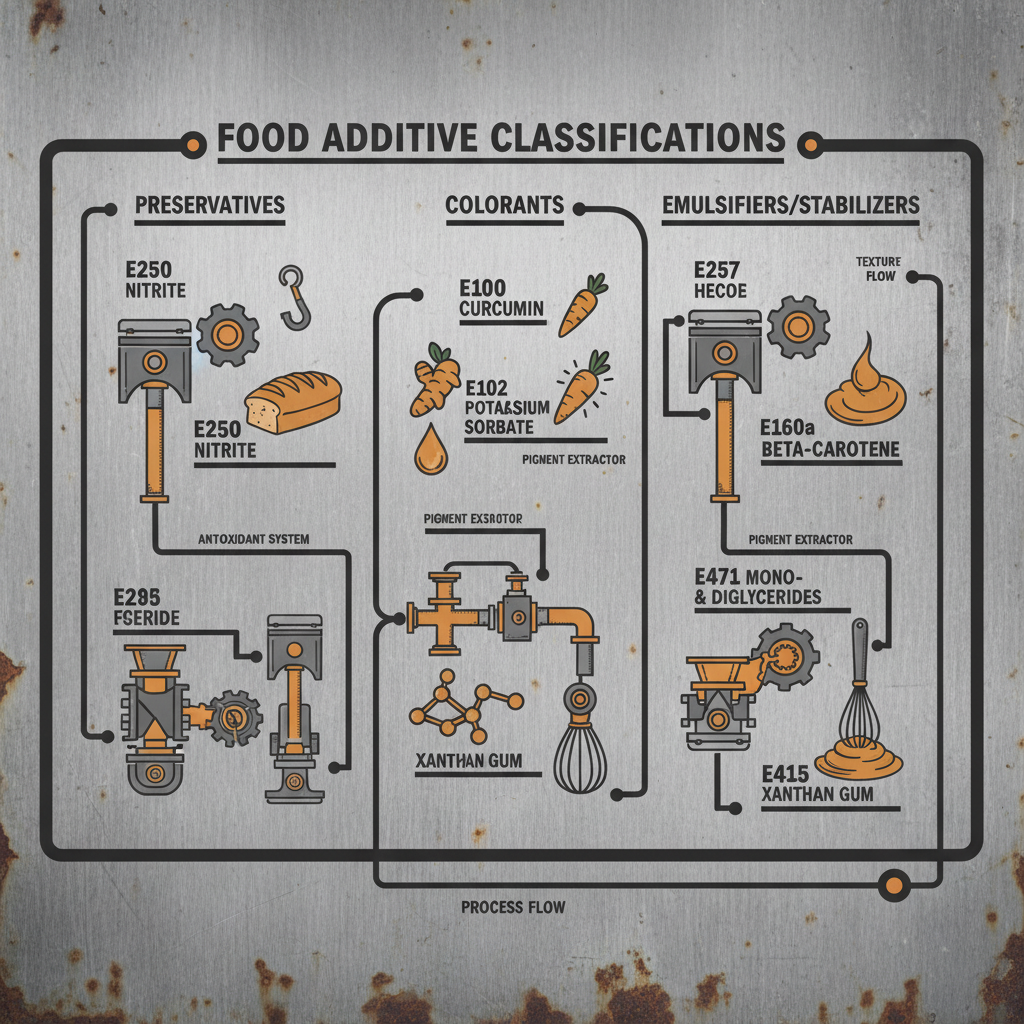
Antimicrobial food additives play a crucial role in modern food preservation, safeguarding global food security and public health. These substances, ranging from traditional salts and acids to advanced organic compounds, inhibit the growth of microorganisms that cause spoilage and foodborne illnesses. Understanding their application, regulation, and potential innovations is paramount in a world facing increasing population demands and complex supply chains. The growing awareness of food safety concerns further emphasizes the significance of these additives.
The global food industry relies heavily on antimicrobial food additives to extend shelf life, reduce waste, and maintain product quality. Economic losses due to food spoilage are substantial, particularly in developing nations. According to the Food and Agriculture Organization of the United Nations (FAO), roughly one-third of all food produced globally is lost or wasted – a problem antimicrobial additives help mitigate. Effective use translates to a more sustainable and efficient food system.
The demand for safe and high-quality food is continuously increasing, pushing innovation in antimicrobial technologies. This field intersects with advancements in food science, chemistry, and biotechnology, providing solutions to emerging challenges like antibiotic resistance and consumer demand for natural preservation methods. The proper implementation of antimicrobial food additives is not just a technical necessity, but also an ethical one, ensuring access to safe nutrition for everyone.
Introduction to Antimicrobial Food Additives
Antimicrobial food additives aren't just about extending shelf life; they’re fundamental to ensuring the safety and accessibility of food worldwide. These additives target a diverse range of microorganisms – bacteria, yeasts, molds, and viruses – that contribute to spoilage and potential health risks. The careful selection and application of these substances are vital for maintaining the integrity of our food supply. antimicrobial food additives are also integral to the economic viability of the food industry.
The field is constantly evolving, with ongoing research focused on discovering more effective, safe, and naturally-derived antimicrobial agents. This includes exploring innovative delivery systems and synergistic combinations of additives to maximize their impact while minimizing potential drawbacks. Understanding the nuances of these additives is paramount for food manufacturers, regulators, and consumers alike.
Global Relevance and Industry Context
The issue of food spoilage and safety is a global concern, impacting both developed and developing nations. In developing countries, inadequate preservation techniques contribute to significant post-harvest losses, exacerbating food insecurity. Antimicrobial food additives offer a relatively inexpensive and effective solution to extend the availability of food, particularly in regions with limited refrigeration or infrastructure. The World Bank estimates that food loss and waste cost developing countries roughly $310 billion annually.
Globally, stringent food safety regulations, such as those enforced by the U.S. Food and Drug Administration (FDA) and the European Food Safety Authority (EFSA), govern the use of antimicrobial food additives. These regulations aim to protect consumers while ensuring a stable food supply. Compliance with these standards is critical for international trade and maintaining consumer trust. Furthermore, evolving consumer preferences for minimally processed foods are driving the demand for ‘clean label’ antimicrobial solutions.
The ISO 22000 food safety management system emphasizes the importance of hazard analysis and control, including the proper use of antimicrobial additives. The food industry is increasingly adopting these standards to demonstrate a commitment to food safety and quality. The implementation of robust food safety protocols is not just a regulatory requirement; it's a fundamental aspect of responsible food production.
Defining Antimicrobial Food Additives
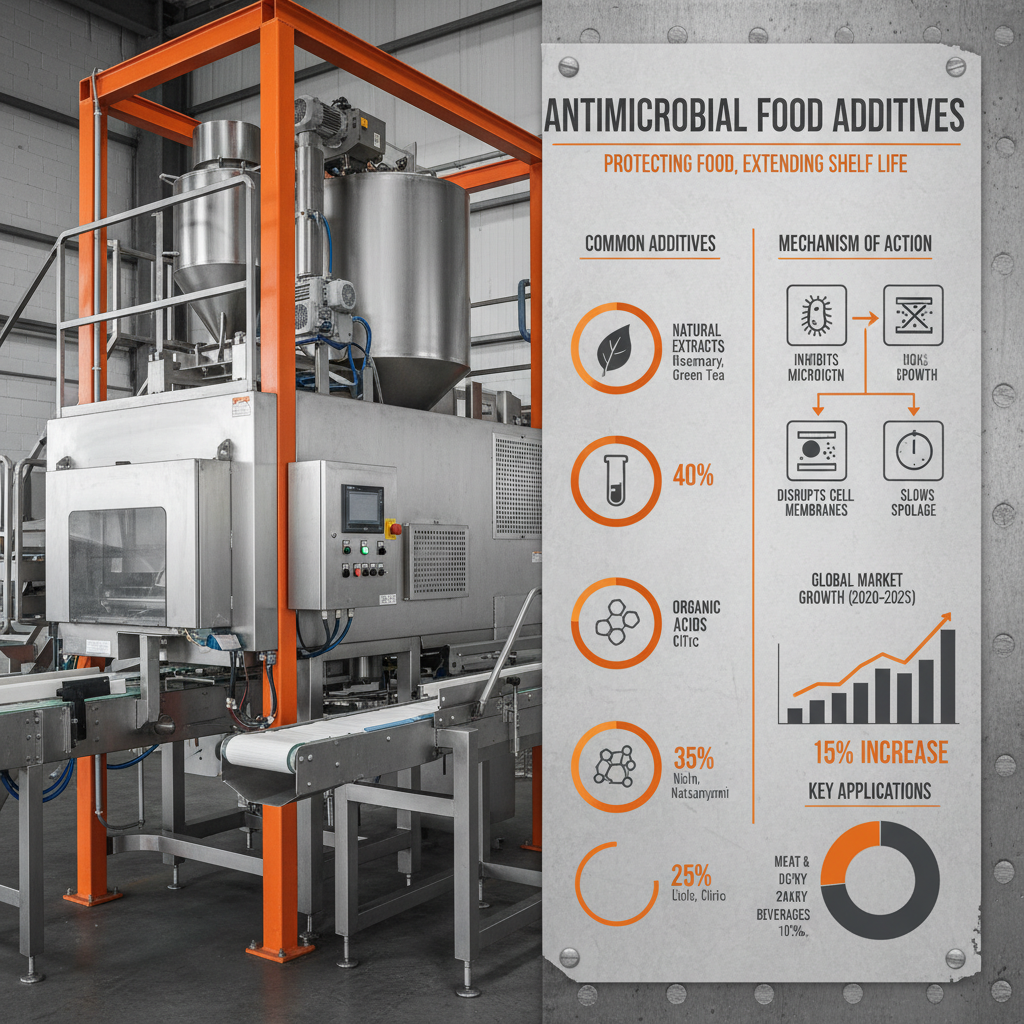
Antimicrobial food additives are substances added to food to prevent or inhibit the growth of microorganisms that cause spoilage or foodborne illness. This broad category includes natural compounds like salt, sugar, vinegar, and spices, as well as synthetic chemicals like sorbates, benzoates, and nitrites. Their primary mechanism of action varies depending on the additive, ranging from disrupting cell membranes to interfering with metabolic processes.
The connection to modern industry is undeniable. As food production and distribution become increasingly globalized, the need for effective preservation techniques becomes more acute. Antimicrobial food additives enable the safe transportation and storage of food over long distances, facilitating international trade and ensuring a consistent supply of products to consumers. antimicrobial food additives also allow for the creation of more convenient and shelf-stable food products.
Their role also extends to humanitarian needs. In disaster relief situations, where access to refrigeration and proper food storage is limited, antimicrobial additives can be vital for preserving food supplies and preventing outbreaks of foodborne illnesses. They contribute to ensuring that aid organizations can provide safe and nutritious food to those in need, minimizing suffering and supporting recovery efforts.
Key Factors in Antimicrobial Efficacy
Several factors dictate the effectiveness of antimicrobial food additives. These include the specific type of microorganism targeted, the pH of the food, temperature, water activity, and the concentration of the additive. Different microorganisms exhibit varying levels of sensitivity to different additives, requiring careful selection based on the food product and potential spoilage organisms.
The pH of a food product significantly impacts antimicrobial activity. For example, benzoic acid is more effective at lower pH levels (acidic conditions). Understanding these interactions is crucial for optimizing the use of additives and ensuring their desired effect. Additionally, the water activity (the amount of unbound water available for microbial growth) plays a critical role; reducing water activity can enhance the effectiveness of antimicrobial additives.
Effectiveness of Different Antimicrobial Methods
Global Applications and Use Cases
Antimicrobial food additives are used across a vast range of food products, including meats, poultry, fish, dairy, baked goods, beverages, and processed foods. In the meat industry, nitrites are used to inhibit the growth of Clostridium botulinum, the bacterium that causes botulism, while sorbates are commonly used in cheese and yogurt to prevent mold growth. The applications are diverse and tailored to the specific needs of each food category.
In post-disaster relief operations, pre-packaged meals often contain antimicrobial additives to ensure their safety and edibility during extended storage and transportation. Similarly, in remote industrial zones or military operations where access to fresh food is limited, preserved foods containing these additives are essential for providing sustenance. These applications underscore the crucial role of antimicrobial additives in ensuring food security in challenging circumstances.
Advantages and Long-Term Value
The advantages of using antimicrobial food additives are numerous. They significantly reduce food waste, lowering costs for both producers and consumers. They enhance food safety, minimizing the risk of foodborne illnesses and protecting public health. They allow for the creation of convenient and shelf-stable food products that meet the demands of modern lifestyles. antimicrobial food additives contribute to a more sustainable food system by extending the lifespan of existing resources.
Beyond the tangible benefits, these additives foster trust and confidence in the food supply. Consumers expect and deserve safe, high-quality food, and antimicrobial additives play a vital role in delivering that expectation. The innovation in this field also drives technological advancements in food processing and preservation, further enhancing the long-term value and sustainability of the food industry.
Future Trends and Innovations
The future of antimicrobial food additives lies in the development of more natural, sustainable, and effective solutions. Research is focused on exploring the potential of bacteriophages (viruses that infect bacteria), plant-derived antimicrobials, and innovative packaging materials with inherent antimicrobial properties. These approaches aim to address consumer concerns about synthetic additives while maintaining food safety.
Digital transformation plays a key role, with sensor technologies and data analytics enabling real-time monitoring of food safety and the optimization of antimicrobial additive usage. Automation in food processing plants will also facilitate more precise and controlled application of these additives. Furthermore, the rise of precision fermentation promises to produce antimicrobial compounds at scale, offering a sustainable alternative to traditional production methods.
Challenges and Solutions
Despite their benefits, antimicrobial food additives face challenges, including potential for microbial resistance, consumer perception, and regulatory complexities. The overuse of certain additives can contribute to the development of resistant strains of microorganisms, necessitating ongoing research and the rotation of different antimicrobial agents. Negative consumer perceptions regarding “artificial” additives can also hinder their acceptance.
Addressing these challenges requires a multi-faceted approach. Promoting responsible additive usage, investing in research on novel antimicrobials, and improving consumer education are crucial steps. Transparent labeling and clear communication about the benefits and safety of these additives can help build trust. Collaborative efforts between researchers, regulators, and industry stakeholders are essential for ensuring the continued safe and effective use of antimicrobial food additives.
A key solution lies in the development of “smart” antimicrobial packaging that releases additives only when needed, minimizing overall usage and reducing the risk of resistance. Additionally, advancements in hurdle technology, which combines multiple preservation methods, can reduce reliance on single additives and enhance overall food safety.
Summary of Antimicrobial Additive Efficacy and Application Parameters
| Additive Type |
Target Microorganisms |
Optimal pH Range |
Typical Application |
| Benzoic Acid |
Yeasts, Molds |
2.5 - 4.0 |
Acidic beverages, pickles, fruit juices |
| Sorbic Acid |
Molds, Yeasts |
3.0 - 6.5 |
Cheese, baked goods, wine |
| Nitrites |
Clostridium botulinum |
5.0 - 7.0 |
Processed meats (bacon, ham) |
| Acetic Acid (Vinegar) |
Bacteria, Molds |
2.0 - 6.0 |
Pickles, sauces, dressings |
| Sodium Chloride (Salt) |
Wide range of microorganisms |
Variable |
Meat, fish, vegetables |
| Potassium Sorbate |
Molds, yeasts |
3.0 - 6.5 |
Wine, dried fruits, soft drinks |
FAQs
Common concerns include the potential development of microbial resistance, allergic reactions in sensitive individuals, and the perception of artificial ingredients. However, regulatory bodies like the FDA and EFSA rigorously evaluate the safety of these additives before approval, setting strict limits on their usage. It’s also important to differentiate between necessary preservation and excessive or unnecessary application.
Not necessarily. “Natural” doesn’t automatically equate to safer. Some natural antimicrobials, like certain plant extracts, can have higher toxicity levels or allergenic potential than carefully regulated synthetic additives. Safety depends on the specific substance, its concentration, and individual sensitivities. Rigorous testing and adherence to regulatory standards are crucial regardless of the additive's origin.
The primary role of antimicrobial food additives is preservation, not altering nutritional content. However, in some cases, processing methods used in conjunction with these additives can affect nutrient levels. For example, nitrite curing of meat can lead to a slight loss of certain vitamins. Overall, the benefits of preventing spoilage and foodborne illness generally outweigh any minor nutritional impacts.
The FDA (in the US) and EFSA (in Europe) are responsible for evaluating the safety of food additives before they can be used in food products. This involves extensive toxicological studies, risk assessments, and setting permissible levels of use. They also monitor ongoing research and update regulations as needed to ensure public health protection. They require manufacturers to provide detailed information on the safety and efficacy of their additives.
The use of synthetic antimicrobial food additives is generally prohibited in certified organic food production. However, certain naturally derived antimicrobials, like vinegar and salt, are often permitted, adhering to the strict organic standards. Organic certification programs have specific lists of approved and prohibited substances.
Food labels are required to list all ingredients, including antimicrobial additives. Consumers can also consult websites of regulatory agencies like the FDA and EFSA, as well as reputable food safety organizations, for more information about specific additives and their safety profiles. Numerous resources are available online to help consumers make informed choices.
Conclusion
Antimicrobial food additives are indispensable tools in ensuring a safe, sustainable, and globally accessible food supply. From reducing food waste and preventing foodborne illness to enabling international trade and supporting humanitarian efforts, their benefits are far-reaching. Understanding their mechanisms, applications, and evolving landscape is crucial for all stakeholders in the food industry.
Looking ahead, continued innovation in natural antimicrobials, smart packaging technologies, and data-driven optimization will further enhance their effectiveness and address consumer concerns. By embracing responsible usage, prioritizing research, and fostering transparent communication, we can harness the power of antimicrobial food additives to build a more secure and resilient food system for future generations. Visit our website to learn more about our range of antimicrobial food additives.