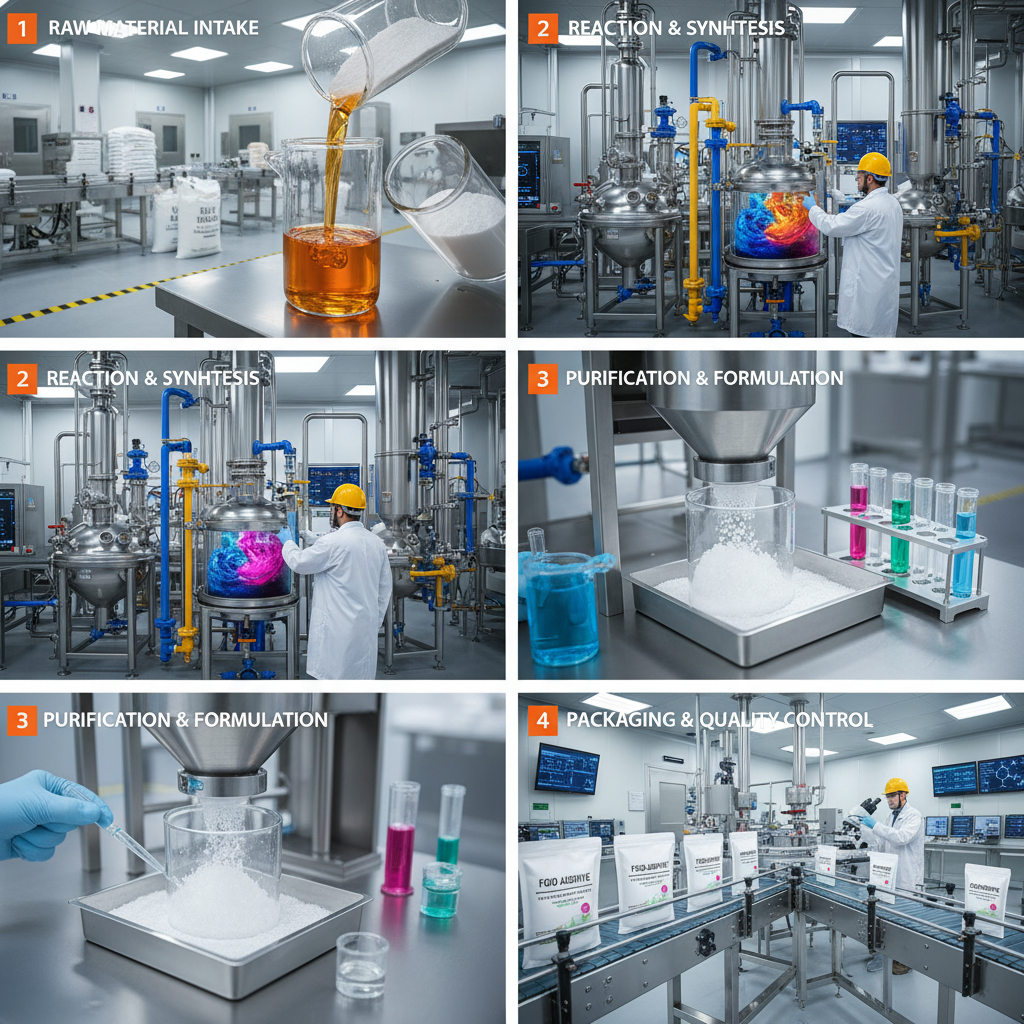
High calorie additives play a crucial role in modern food production, addressing global nutritional needs and enabling efficient food systems. These additives, ranging from sugars and fats to specialized compounds, are engineered to enhance energy density, palatability, and shelf life of food products. Understanding their applications, impacts, and future trends is vital for creating sustainable and healthy food solutions worldwide. This knowledge is paramount for food manufacturers, policymakers, and consumers alike, driving innovation and informed decision-making.
The demand for high calorie additives is intrinsically linked to global population growth, increasing urbanization, and evolving dietary patterns. The need for readily available, energy-rich foods is particularly acute in regions facing food insecurity or where physical labor demands significant caloric intake. However, the overuse of certain additives has also raised concerns regarding public health, leading to a growing emphasis on balanced formulations and healthier alternatives. Navigating this complex landscape requires a comprehensive understanding of both the benefits and potential drawbacks of these essential components.
Effective management of high calorie additives impacts not only the food industry but also broader economic and social contexts. Innovation in this field can lead to more affordable and accessible food options, improved nutritional profiles, and reduced food waste. Consequently, responsible development and application of these additives are essential for achieving global food security and promoting overall well-being.
Introduction: Global or Industry Context
Globally, the reliance on high calorie additives is increasing due to several interconnected factors. The UN estimates that the world population will reach nearly 10 billion by 2050, requiring a substantial increase in food production. This demand is often met through processed foods, which commonly incorporate additives to extend shelf life and enhance caloric content. The World Bank reports a growing trend of urbanization, particularly in developing nations, leading to shifts in dietary habits and increased consumption of convenient, calorie-dense foods. These trends are exacerbated by economic pressures and accessibility issues, making high calorie additives a cornerstone of the modern food supply chain.
The food industry itself is driven by the need for efficient production, cost-effectiveness, and consumer appeal. High calorie additives such as refined sugars, vegetable oils, and starches are relatively inexpensive and contribute significantly to the palatability of food products. This combination makes them attractive options for manufacturers seeking to maximize profits and cater to consumer preferences. However, this widespread use also presents challenges related to public health, including rising rates of obesity, diabetes, and other diet-related diseases.
The International Organization for Standardization (ISO) has established guidelines for food safety and quality, including regulations governing the use of food additives. These standards aim to ensure that additives are safe for consumption and used within permissible limits. However, enforcement of these regulations varies across countries, creating inconsistencies in food quality and consumer protection. Addressing these challenges requires international collaboration, stricter regulatory oversight, and a commitment to developing healthier and more sustainable alternatives to current high calorie additives.
Definition & Meaning
High calorie additives are substances intentionally added to food to increase its energy density – the amount of calories per unit of weight or volume. These additives aren’t necessarily ‘bad’ in and of themselves; they are tools used to modify food properties. The primary types include sugars (sucrose, glucose, fructose), fats and oils (vegetable oils, animal fats), and complex carbohydrates (starches, modified food starches). They play a critical role in providing the energy needed for human activity and growth, but their overconsumption is linked to several health concerns.
The connection to modern industry stems from the need for mass food production and preservation. Additives allow for the creation of shelf-stable products that can be transported and stored easily, addressing challenges related to food distribution in a globalized world. They enable food manufacturers to create products with consistent texture, flavor, and appearance, appealing to a wider consumer base. Furthermore, they allow for the fortification of foods with essential nutrients, potentially addressing nutritional deficiencies in specific populations.
In a humanitarian context, high calorie additives can be invaluable in emergency food aid and disaster relief. Ready-to-use therapeutic foods (RUTFs), often used to treat severe acute malnutrition, rely heavily on calorie-dense additives to provide a concentrated source of energy and nutrients. The strategic use of these additives, combined with appropriate nutritional guidance, can be life-saving in crisis situations. However, ensuring the quality and safety of these additives in challenging environments remains a significant concern.
Key Factors or Core Components
Energy Density: This is the most fundamental factor. High calorie additives are chosen precisely for their ability to deliver a significant amount of energy in a small volume of food. This is particularly important in situations where food intake is limited or energy requirements are high. The energy density is measured in calories per gram (kcal/g) and is a key consideration in formulating food products.
Palatability: Additives often enhance the taste, texture, and aroma of food, making it more appealing to consumers. Sugars and fats, in particular, are known for their ability to stimulate reward centers in the brain, contributing to the desire to consume more. This is a crucial factor for food manufacturers seeking to increase sales and brand loyalty.
Cost-Effectiveness: Many high calorie additives are relatively inexpensive to produce, making them attractive options for food manufacturers operating on tight margins. This allows them to offer affordable products to a wider range of consumers, particularly in developing countries. However, the long-term costs associated with health problems related to excessive additive consumption need to be considered.
Shelf Life: Certain additives, like fats and oils, can help extend the shelf life of food products by preventing spoilage and oxidation. This is particularly important for food that needs to be transported over long distances or stored for extended periods. Properly used additives contribute to reducing food waste and improving food security.
Functional Properties: Beyond calorie contribution, additives provide functional benefits like emulsification, stabilization, and thickening, improving product texture and processability. These properties are critical for creating a diverse range of food products with desired characteristics.
Nutrient Interactions: Some additives can enhance the bioavailability of certain nutrients, while others may interfere with their absorption. Understanding these interactions is crucial for formulating foods that provide optimal nutritional value.
Global Applications & Use Cases
High calorie additives are ubiquitous in the global food industry. In North America and Europe, they are prevalent in processed foods, sugary drinks, and fast food, contributing to concerns about obesity and related health problems. The convenience and affordability of these products drive their widespread consumption. In many developing countries, fortified foods containing high calorie additives are used to address malnutrition, particularly in children and pregnant women. These programs often target specific nutrient deficiencies and aim to improve overall health outcomes.
In post-disaster relief operations, high calorie additives are critical for providing emergency food assistance to affected populations. RUTFs, as mentioned previously, are frequently distributed in refugee camps and disaster zones to treat severe acute malnutrition. The concentrated energy content of these foods helps restore nutritional status quickly and effectively. Remote industrial zones, such as mining camps and oil rigs, rely heavily on calorie-dense foods containing additives to provide workers with the energy they need to perform physically demanding tasks.
The sports nutrition industry utilizes high calorie additives to create products designed to enhance athletic performance and support muscle recovery. Energy gels, protein bars, and sports drinks often contain high levels of sugars and fats to provide a quick source of energy during exercise. The military also relies on calorie-dense rations containing additives to provide soldiers with adequate nutrition in challenging environments. The specific formulations are designed to meet the unique energy requirements of military personnel engaged in strenuous activity.
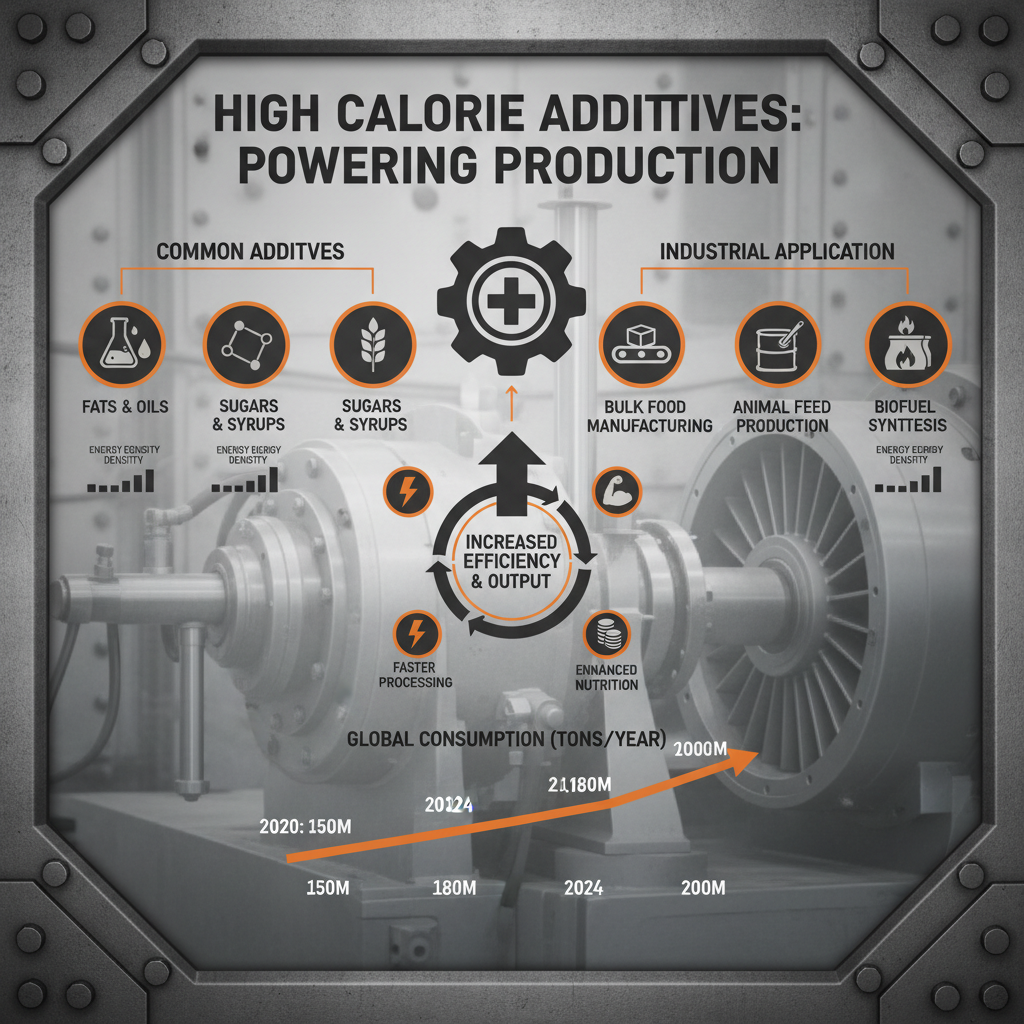
Chart: Relative Contribution of high calorie additives to Global Food Supply
Advantages & Long-Term Value
The primary advantage of utilizing high calorie additives lies in their cost-effectiveness and ability to address immediate nutritional needs. For food manufacturers, they enable the creation of affordable and palatable products, boosting sales and market share. For consumers, these additives often provide a convenient and readily available source of energy. Long-term, the development of innovative additives with improved nutritional profiles can contribute to enhanced public health.
From a sustainability perspective, optimizing the use of additives can reduce food waste by extending shelf life and improving storage stability. This is particularly important in regions with limited infrastructure and logistical challenges. However, the long-term value also encompasses a commitment to responsible sourcing and production practices, minimizing the environmental impact of additive manufacturing and transportation. Prioritizing ethical considerations fosters trust and brand reputation.
Future Trends & Innovations
The future of high calorie additives is shifting towards bio-based and sustainable alternatives. Research is focused on developing novel sweeteners and fats derived from renewable resources, reducing reliance on traditional petroleum-based additives. Precision fermentation and cellular agriculture offer promising pathways for producing customized additives with tailored nutritional properties. These technologies enable the creation of additives that are not only calorie-dense but also rich in essential vitamins and minerals.
Digital transformation is playing an increasingly important role in optimizing additive usage. Artificial intelligence (AI) and machine learning algorithms can analyze food formulations to identify the most effective and efficient additive combinations. This data-driven approach can help reduce additive levels while maintaining product quality and palatability. Automation in additive manufacturing processes can also improve efficiency and reduce production costs.
Challenges & Solutions
A significant challenge associated with high calorie additives is the growing concern regarding their impact on public health. Excessive consumption of sugar and unhealthy fats is linked to obesity, diabetes, and cardiovascular disease. Another challenge is the lack of transparency in food labeling, making it difficult for consumers to make informed choices. Ensuring accurate and comprehensive labeling is crucial for empowering consumers to manage their dietary intake.
Solutions include investing in research and development of healthier alternatives, such as natural sweeteners and fiber-rich additives. Implementing stricter regulations on additive usage and promoting public awareness campaigns can help reduce excessive consumption. Furthermore, fostering collaboration between food manufacturers, policymakers, and researchers is essential for creating a more sustainable and health-conscious food system. high calorie additives are heavily utilized in many regions.
Addressing the sustainability of additive production is also vital. Transitioning to bio-based feedstocks, reducing energy consumption in manufacturing processes, and minimizing waste generation are key steps towards a more environmentally friendly approach. Utilizing innovative technologies, such as precision fermentation, can further enhance the sustainability of additive production.
Table: Comparative Analysis of High Calorie Additive Alternatives
| Additive Type |
Health Impact (1-10, 1=Best, 10=Worst) |
Sustainability Score (1-10, 1=Best, 10=Worst) |
Cost Efficiency (1-10, 1=Lowest, 10=Highest) |
| Sucrose |
8 |
7 |
9 |
| High Fructose Corn Syrup |
9 |
8 |
10 |
| Palm Oil |
6 |
9 |
7 |
| Stevia |
2 |
6 |
5 |
| Erythritol |
3 |
5 |
6 |
| Allulose |
4 |
7 |
4 |
FAQS
High consumption of high calorie additives, particularly sugars and unhealthy fats, is strongly linked to increased risk of obesity, type 2 diabetes, cardiovascular disease, and certain types of cancer. These additives often provide "empty calories" – meaning they deliver energy but lack essential nutrients – contributing to nutrient deficiencies and metabolic imbalances. Prolonged overconsumption can lead to chronic inflammation and impaired immune function, exacerbating existing health conditions and increasing susceptibility to illness.
Food manufacturers can reduce reliance on traditional additives by exploring alternative ingredients, such as natural sweeteners (stevia, monk fruit), fiber-rich compounds, and healthy fats (olive oil, avocado oil). Reformulating products to lower sugar and fat content while maintaining palatability is also crucial. Employing innovative technologies like precision fermentation and enzymatic modification can create novel additives with improved nutritional profiles and reduced health risks.
Government regulation plays a vital role in ensuring the safe and responsible use of high calorie additives. This includes setting permissible limits for additive levels, requiring clear and accurate food labeling, and enforcing standards for food quality and safety. Regulations can also incentivize the development and adoption of healthier alternatives, promoting a more sustainable and health-conscious food system. International harmonization of regulations is essential for ensuring consistent standards globally.
Bio-based additives have the potential to be more sustainable, but it depends on the sourcing and production methods. If derived from sustainably managed resources and produced with minimal environmental impact, they can reduce reliance on fossil fuels and lower carbon emissions. However, factors like land use, water consumption, and transportation need careful consideration to ensure true sustainability. Life cycle assessments are crucial for evaluating the overall environmental footprint of bio-based additives.
Consumers can make informed choices by carefully reading food labels, paying attention to the ingredient list and nutritional information. Understanding the different types of additives and their potential health effects is crucial. Choosing whole, unprocessed foods whenever possible and limiting consumption of sugary drinks and processed snacks can significantly reduce additive intake. Seeking out products with natural or organic certifications can also provide assurance of reduced additive usage.
Several emerging technologies are poised to disrupt the industry, including precision fermentation, cellular agriculture, and AI-powered formulation optimization. Precision fermentation allows for the production of specific additives with tailored properties, while cellular agriculture offers the potential to create sustainable and scalable sources of fats and proteins. AI algorithms can analyze vast datasets to identify optimal additive combinations and minimize health risks, leading to more nutritious and palatable food products.
Conclusion
In conclusion, high calorie additives represent a complex and multifaceted component of the modern food system. While they offer crucial benefits in terms of affordability, palatability, and shelf life, their excessive consumption poses significant health and sustainability challenges. Understanding the nuances of these additives, from their core components to emerging innovations, is essential for creating a healthier and more sustainable food future. Responsible innovation, coupled with informed consumer choices and robust regulatory oversight, will be vital in navigating this evolving landscape.
Looking ahead, a proactive approach focused on developing and implementing healthier alternatives, promoting transparency in food labeling, and investing in sustainable production practices is paramount. By prioritizing public health and environmental responsibility, we can harness the potential of food technology to create a food system that nourishes both people and the planet. For more information and resources, visit our website: www.chinaseasoning.com.