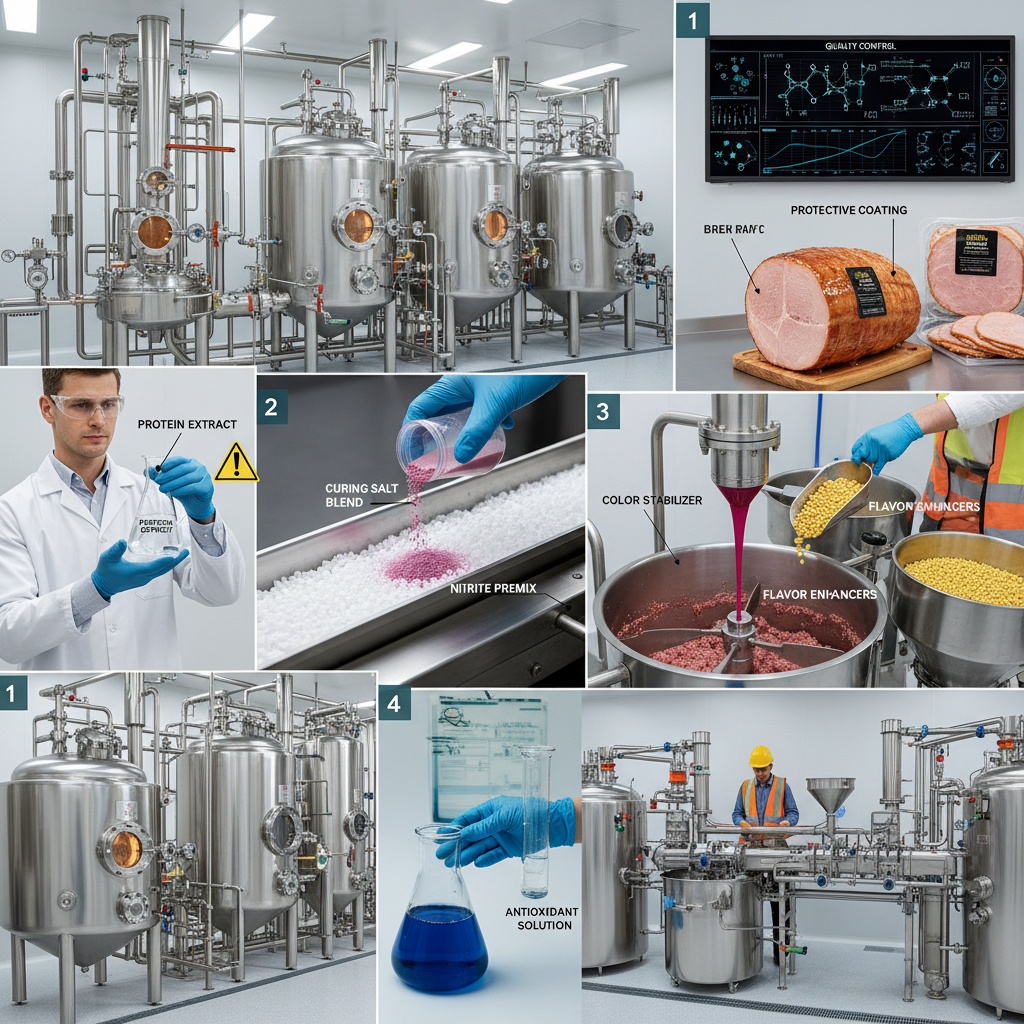
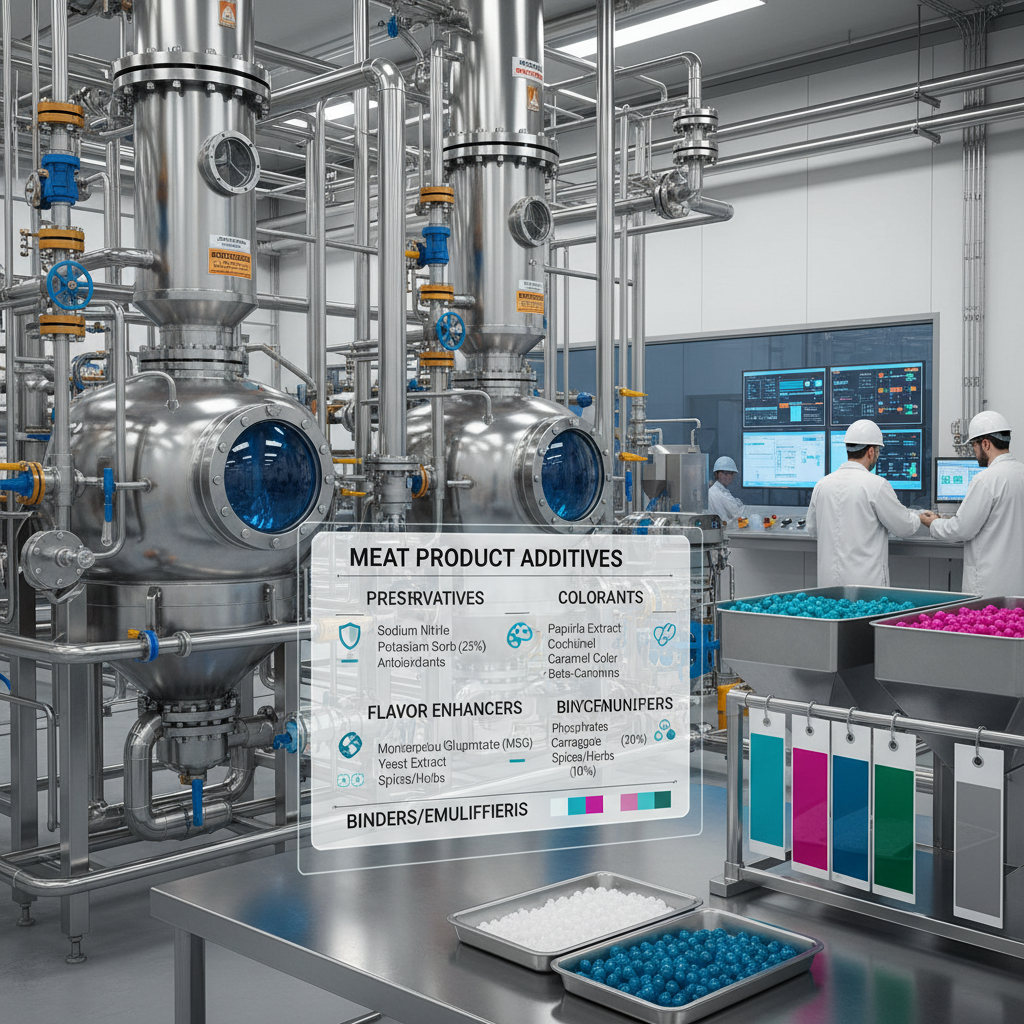
In the modern food processing landscape, the strategic use of food additives used in meat products has become essential for maintaining the balance between sensory appeal, safety, and shelf-life. As global supply chains expand, the need to preserve the nutritional integrity of protein sources while preventing spoilage has driven the industry toward more sophisticated chemical and biological solutions.
Understanding the chemistry behind these additives is not merely a technical requirement but a commercial necessity. From stabilizing the emulsion in processed sausages to enhancing the characteristic pink hue of cured hams, these ingredients ensure that meat products remain consistent in quality regardless of where they are produced or consumed.
Ultimately, the integration of high-quality additives allows manufacturers to reduce food waste and meet the stringent safety standards set by international bodies. By optimizing the application of food additives used in meat products, the industry can provide consumers with convenient, affordable, and safe protein options that meet the demands of a growing global population.
Global Industry Context of Meat Additives
The global meat industry operates under immense pressure to maximize yield and ensure food security. According to reports aligned with ISO standards and FAO data, a significant percentage of perishable proteins are lost due to improper preservation during transport. This is where food additives used in meat products play a critical role, acting as the primary defense against oxidative rancidity and microbial proliferation.
In emerging markets, the transition from traditional artisanal butchery to industrial-scale production has highlighted the necessity of standardized additives. Without these agents, maintaining a consistent flavor profile and texture across different batches of meat would be nearly impossible, leading to unpredictable consumer experiences and increased economic losses for producers.
Defining Food Additives in Meat Processing
At its simplest level, food additives used in meat products are substances added to food to maintain or improve its safety, freshness, taste, texture, or appearance. Unlike primary ingredients, additives are used in precise, small quantities to achieve specific chemical reactions, such as inhibiting the growth of Clostridium botulinum in cured meats or preventing the separation of water and fat in emulsified products.
Modern industry views these additives not as "artificial fillers," but as essential tools for humanitarian food security. By extending the shelf-life of proteins, these components allow for the distribution of high-protein foods to regions that lack sophisticated cold-chain infrastructure, effectively bridging the gap between protein-rich production zones and food-deficit areas.
From a technical perspective, these additives encompass a wide range of categories, including curing agents (nitrites), antioxidants (ascorbates), phosphates for moisture retention, and various stabilizers. Each serves a distinct purpose in ensuring that the final product remains palatable and safe for human consumption over an extended period.
Core Components for Product Quality
One of the primary factors in utilizing food additives used in meat products is moisture retention. Phosphates are frequently employed to increase the water-holding capacity of muscle fibers, which prevents "purge" (liquid loss) during cooking and ensures a juicy texture that consumers associate with high-quality meat.
Microbial Stability is perhaps the most critical safety component. The use of curing salts and organic acids serves as a biochemical barrier against pathogens. By altering the pH or introducing specific ions, these additives create an environment where harmful bacteria cannot thrive, thereby protecting public health on a global scale.
Furthermore, oxidative stability is achieved through antioxidants that prevent the degradation of lipids. Without these, unsaturated fats in meat would react with oxygen, resulting in "warmed-over flavor" and a graying appearance. Maintaining the structural and chemical integrity of the lipids is essential for both the sensory and nutritional value of the product.
Global Applications and Market Use Cases
The application of food additives used in meat products varies significantly by region and product type. In North America and Europe, there is a heavy emphasis on precision-dosing for processed meats like salami and hams to meet strict regulatory limits. Meanwhile, in Asian markets, additives are often combined with traditional seasoning agents to create unique flavor profiles while ensuring the stability of street-food-style processed meats.
In extreme scenarios, such as post-disaster relief operations or military logistics, the role of these additives becomes life-saving. MREs (Meals Ready-to-Eat) rely heavily on advanced stabilization additives to ensure that meat-based proteins remain edible for years without refrigeration, proving that the utility of these substances extends far beyond simple commercial profit.
Performance Metrics of Various Food Additives Used in Meat Products
Long-Term Value of Advanced Stabilization
The long-term value of incorporating professional-grade food additives used in meat products lies in the intersection of economic efficiency and consumer trust. By reducing the rate of spoilage, manufacturers can optimize their production cycles and lower the cost of goods sold, which eventually translates to more affordable protein for the end consumer.
Beyond the financial aspect, there is a profound social impact. The reliability of stabilized meat products ensures that nutritional standards are met consistently. When a consumer buys a processed meat product, the trust they place in the brand is essentially a trust in the additives that keep that product safe and appetizing from the factory to the dinner table.
Future Trends in Clean-Label Additives
The industry is currently witnessing a paradigm shift toward "Clean Label" initiatives. Consumers are increasingly demanding transparency and a reduction in synthetic chemicals. This is driving the development of natural alternatives for food additives used in meat products, such as using celery powder as a natural source of nitrates or rosemary extract as a natural antioxidant.
Digital transformation is also playing a role. Smart manufacturing and AI-driven dosing systems now allow producers to apply the absolute minimum amount of additives required to achieve the desired effect, reducing chemical loads while maintaining maximum safety. This precision approach is aligning the industry with global sustainability goals.
Furthermore, the rise of plant-based and cultured meat is creating a new frontier for additives. These "analog" meats require entirely different stabilizing agents to mimic the mouthfeel and flavor of animal proteins, opening a new chapter in the science of food additives and expanding the market for pharmaceutical-grade intermediates used in food science.
Overcoming Implementation Challenges
Despite their benefits, the implementation of food additives used in meat products is not without challenges. One of the most common hurdles is the regulatory discrepancy between different countries. An additive permitted in one region may be restricted in another, forcing global manufacturers to maintain multiple formulations for the same product.
Another challenge is the "perception gap." Many consumers view all additives as harmful, regardless of their safety profile or necessity. Overcoming this requires educational marketing and a shift toward transparent labeling that explains why a specific additive is used—for example, highlighting the role of nitrites in preventing deadly botulism.
To solve these issues, industry leaders are adopting a "science-first" communication strategy. By providing documented evidence of safety and efficacy, and by transitioning toward bio-based additives, the industry can maintain the essential benefits of preservation while satisfying the modern consumer's desire for natural products.
Analysis of Implementation Strategies for Meat Additives
| Challenge Dimension |
Traditional Approach |
Innovative Solution |
Impact Score (1-10) |
| Regulatory Compliance |
Manual region-checking |
AI Compliance Software |
9 |
| Consumer Perception |
Vague labeling |
Transparent Education |
8 |
| Cost Optimization |
Bulk generic dosing |
Precision Micro-dosing |
7 |
| Shelf-life Extension |
High synthetic load |
Synergistic Natural Blends |
9 |
| Texture Consistency |
Single-agent use |
Multi-stage Emulsification |
8 |
| Environmental Load |
Chemical waste |
Biodegradable Agents |
6 |
FAQS
Yes, provided they are used within the limits established by regulatory bodies like the FDA or EFSA. Most additives, such as nitrites or phosphates, have been rigorously tested for decades. The key is precision dosing, which ensures the additive performs its function—such as preventing botulism—without exceeding safe daily intake levels.
Preservatives, like sodium nitrite, are specifically designed to inhibit the growth of bacteria and fungi, thereby extending shelf-life. Stabilizers, such as phosphates or carrageenan, focus on the physical structure, preventing the separation of fats and water and ensuring a consistent texture and "mouthfeel" in processed meats.
In many cases, yes. The "Clean Label" trend has introduced celery extracts and rosemary oleoresins as effective alternatives. However, natural additives often require higher concentrations or synergistic blends to match the potent efficacy of synthetic versions, making the transition a technical challenge for large-scale producers.
Most additives are used in such small quantities that they do not significantly alter the macro-nutritional profile. In fact, antioxidants often protect the vitamins and essential fatty acids within the meat from oxidation, effectively preserving the nutritional integrity of the protein for a longer period.
Phosphates increase the water-holding capacity of the meat. This prevents the product from drying out during processing and cooking, which not only improves the sensory quality (juiciness) but also improves the economic yield for the manufacturer by reducing weight loss during the cooking process.
Buyers should look for suppliers who provide comprehensive COAs (Certificates of Analysis), adhere to ISO 22000 or HACCP certifications, and provide clear documentation on purity levels. Partnering with established manufacturers who understand global regulatory landscapes is the most reliable way to ensure product safety.
Conclusion
The strategic application of food additives used in meat products is a cornerstone of the modern food industry, ensuring that protein sources are safe, stable, and accessible. From the critical role of preservatives in preventing foodborne illnesses to the use of stabilizers for sensory consistency, these components enable a global food system that can withstand the challenges of long-distance logistics and varying consumer demands.
Looking forward, the industry must continue to evolve by embracing the "Clean Label" movement and investing in bio-based alternatives. By balancing technical efficacy with consumer transparency, meat producers can continue to innovate, reducing waste and improving food security for a sustainable future. To explore high-quality solutions for your production needs, visit our website: www.chinaseasoning.com