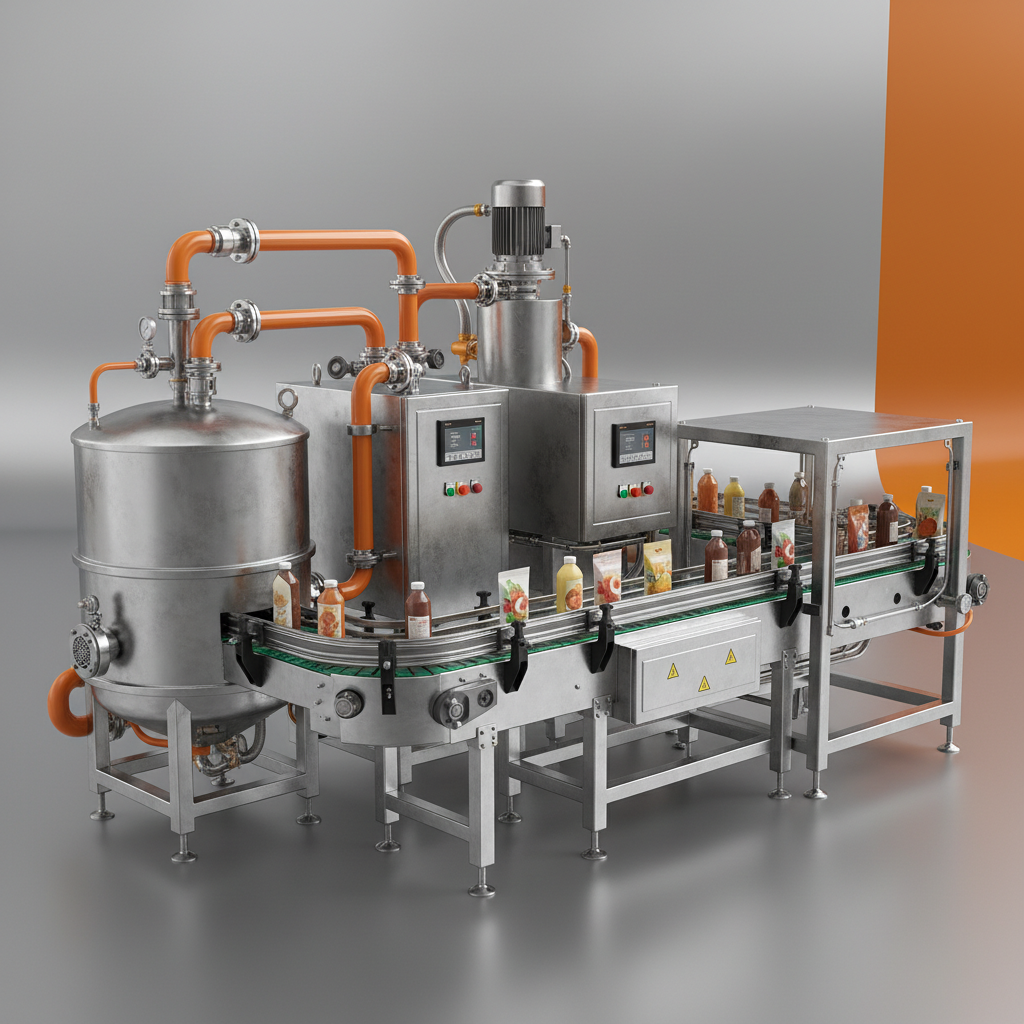
Different types of food preservatives play a crucial role in ensuring food safety and extending shelf life globally. From ancient methods like salting and drying to modern chemical preservatives, these techniques minimize spoilage caused by microorganisms, enzymatic reactions, and oxidation. Understanding these preservatives is vital for both consumers and the food industry, impacting food availability, reducing waste, and safeguarding public health. The global food preservation market is a multi-billion dollar industry, driven by increasing demand for processed foods, longer distribution chains, and a growing population.
The application of different types of food preservatives is particularly important in developing countries where adequate refrigeration and storage facilities are often limited. They also become invaluable during emergencies and disaster relief efforts, allowing for the provision of safe and nutritious food to affected populations. Choosing the right preservative also impacts the flavor, texture, and overall quality of the food product, influencing consumer acceptance.
Consequently, ongoing research and development focus on finding more natural, effective, and consumer-friendly different types of food preservatives, addressing concerns about potential health effects and maintaining food quality. This pursuit is driven by evolving regulatory standards and consumer preferences for cleaner labels and sustainable food systems.
Introduction to Different Types of Food Preservatives
Historically, food preservation was essential for survival, relying on simple methods like drying, smoking, and fermentation. These techniques, while effective, often altered the taste and texture of food. Today, different types of food preservatives are far more sophisticated, offering improved preservation with minimal impact on sensory qualities. The need for effective preservation remains paramount, supporting global food security and reducing post-harvest losses.
Modern food preservation encompasses a broad spectrum of approaches, including natural preservatives like salt, sugar, and vinegar, as well as synthetic compounds designed to inhibit microbial growth and oxidation. The selection of a specific preservative depends on the type of food, its intended storage conditions, and regulatory requirements. Understanding the principles behind each different types of food preservatives is key to ensuring food safety and quality.
Defining Different Types of Food Preservatives
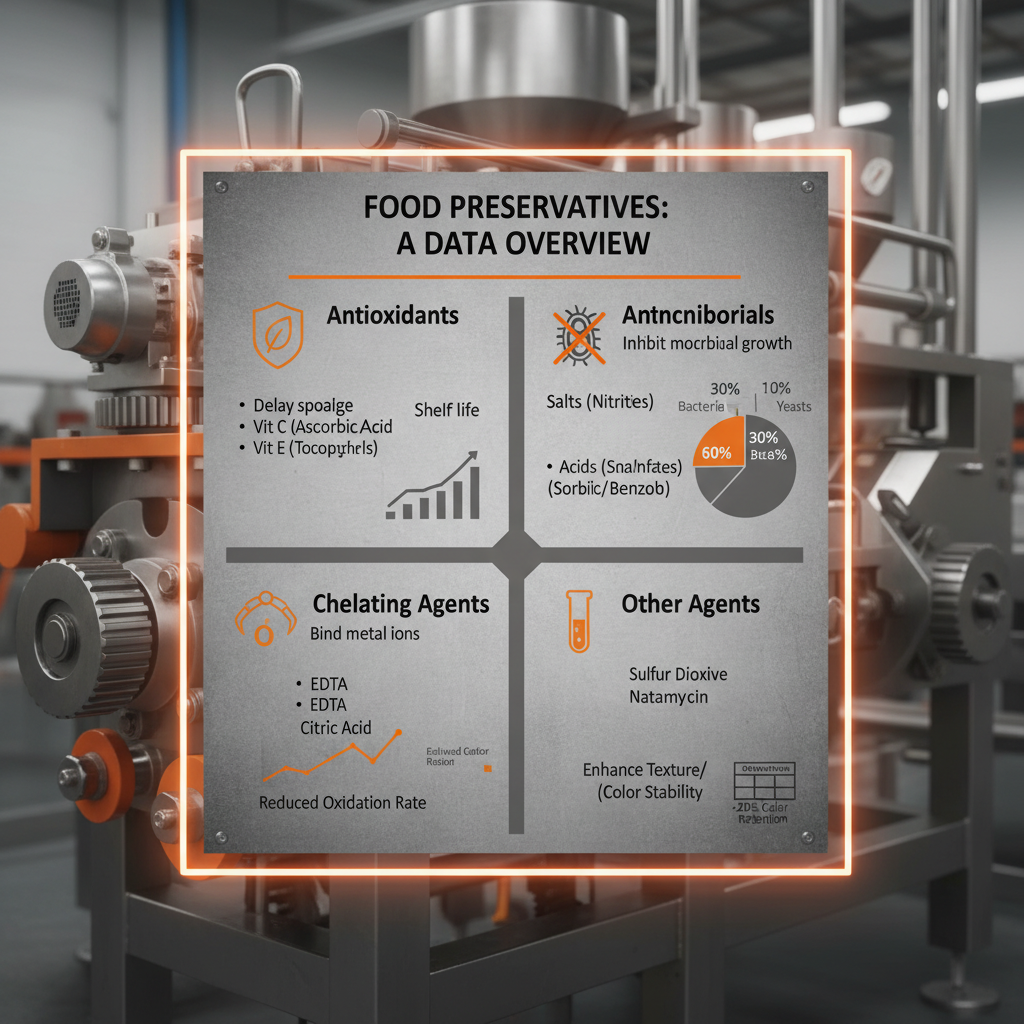
Different types of food preservatives are substances added to food to prevent decomposition by microbial growth or by undesirable chemical changes. This encompasses a wide range, from natural substances like salt and ascorbic acid (Vitamin C) to synthetic chemicals like benzoates and sorbates. The primary goal is to extend shelf life, maintain nutritional value, and prevent foodborne illnesses. Different preservatives work through different mechanisms—some inhibit microbial growth, others prevent oxidation, and still others block enzymatic reactions.
The use of different types of food preservatives isn't merely about extending shelf life; it’s fundamentally linked to modern industrial food production and distribution. Without preservatives, the vast majority of processed foods we consume wouldn't be viable due to the time it takes to transport them from producer to consumer. This impacts not only convenience but also access to affordable food, particularly in areas with limited refrigeration infrastructure.
Furthermore, the definition extends beyond simply adding substances to food. Packaging techniques, such as modified atmosphere packaging (MAP) and vacuum sealing, also function as preservatives by altering the environment around the food, inhibiting microbial growth. The synergistic effect of combining different preservatives and packaging methods is increasingly employed to achieve optimal preservation results. different types of food preservatives are continually evolving.
Key Factors Influencing Preservative Choice
Several critical factors determine the suitability of different types of food preservatives for a given application. First, the pH of the food plays a significant role, as some preservatives are more effective in acidic environments (like benzoates in fruit juices) than in neutral or alkaline conditions. The water activity (aw) of the food is another crucial determinant; lower water activity inhibits microbial growth, often synergizing with preservative action.
Secondly, regulatory compliance is paramount. Different countries have varying regulations regarding the types and levels of preservatives allowed in food products. Food manufacturers must adhere to these standards to ensure legality and consumer safety. Consumer perception also influences preservative selection. There’s a growing demand for “clean label” products, driving research into natural preservatives and alternatives to synthetic compounds.
Finally, the cost-effectiveness of a preservative is a practical consideration. While a highly effective preservative may be desirable, it must be economically viable for large-scale food production. Factors such as solubility, stability, and potential interactions with other food components also influence the choice of preservative, requiring careful evaluation and testing.
Global Applications of Food Preservation
The application of different types of food preservatives is widespread across all regions and food industries. In developed countries, preservatives are essential for maintaining the quality and extending the shelf life of processed foods, packaged meats, and ready-to-eat meals. They are also critical in reducing food waste throughout the supply chain.
In developing nations, different types of food preservatives take on an even greater importance, helping to preserve staple foods like grains, fruits, and vegetables, reducing post-harvest losses, and ensuring food security. Simple techniques like salting and drying remain prevalent, while more advanced preservatives are increasingly adopted as infrastructure improves.
Effectiveness of Different Food Preservation Methods
Advantages and Long-Term Value
The advantages of using different types of food preservatives are multifaceted. Economically, they significantly reduce food waste, lowering costs for both producers and consumers. From a sustainability perspective, reduced waste translates to less demand for resources used in food production. Preservatives also enable the distribution of food over wider geographical areas, improving access to diverse and nutritious diets.
The long-term value extends to public health, as they prevent the growth of pathogens that cause foodborne illnesses. This contributes to a safer food supply and reduces the burden on healthcare systems. Ultimately, the consistent availability of safe, affordable food fosters social stability and economic growth.
Future Trends in Food Preservation
Future trends in food preservation are focusing on natural and “clean label” preservatives, responding to consumer demand and concerns about synthetic additives. Research is underway to identify and optimize the use of antimicrobial peptides, plant extracts, and essential oils as natural preservation agents.
Innovative packaging technologies, like edible coatings and intelligent packaging, are also gaining traction. These technologies offer enhanced protection against microbial contamination and can even monitor food quality in real-time. The integration of digital technologies, such as blockchain, will further enhance traceability and transparency in the food supply chain, building consumer trust.
Challenges and Solutions in Food Preservation
Despite advancements, challenges remain in the field of food preservation. The emergence of preservative-resistant microorganisms necessitates ongoing research to develop new and effective strategies. Balancing preservation efficacy with maintaining the sensory qualities of food is also a constant challenge.
Moreover, regulatory hurdles and varying global standards can complicate the adoption of new preservatives. Solutions include investing in research and development of novel preservation technologies, promoting harmonization of international regulations, and educating consumers about the benefits and safety of different preservatives. Adopting a holistic approach that combines multiple preservation techniques – such as hurdle technology – can offer synergistic effects and enhance overall effectiveness.
Addressing consumer perceptions through transparent labeling and clear communication is also crucial for fostering trust and acceptance of safe and effective food preservation methods.
Summary of Common Food Preservation Challenges and Potential Solutions
| Challenge |
Impact on Food Safety |
Potential Solution |
Implementation Cost (1-10) |
| Microbial Resistance |
Increased risk of spoilage and foodborne illness |
Development of novel antimicrobial compounds |
8 |
| Consumer Perception of Additives |
Resistance to using preserved foods |
Focus on natural preservatives and transparent labeling |
5 |
| Regulatory Discrepancies |
Difficulty in international food trade |
Harmonization of food safety standards |
7 |
| Maintaining Sensory Quality |
Reduced consumer acceptance |
Optimization of preservative combinations |
6 |
| Cost of Preservation Technologies |
Limited accessibility for small businesses |
Subsidies and technology transfer programs |
4 |
| Effectiveness in Complex Matrices |
Reduced efficacy in foods with high sugar or fat content |
Hurdle technology and tailored preservation strategies |
7 |
FAQS
Common natural food preservatives include salt, sugar, vinegar, honey, and spices like cloves and cinnamon. These have been used for centuries due to their antimicrobial properties. Ascorbic acid (Vitamin C) and citric acid are also naturally derived preservatives effective in preventing oxidation and maintaining color. These options are increasingly popular as consumers seek “clean label” products, but their effectiveness can vary depending on the food type and storage conditions.
The safety of synthetic food preservatives is rigorously evaluated by regulatory bodies like the FDA and EFSA. When used within approved limits, they are generally considered safe for consumption. However, some individuals may experience sensitivities or allergic reactions to certain preservatives. Concerns often arise from higher concentrations than approved or long-term exposure, prompting ongoing research and review of permissible levels.
Temperature significantly impacts the effectiveness of food preservatives. Lower temperatures generally enhance preservative action by slowing down microbial growth and enzymatic activity. Many preservatives are less effective at higher temperatures, as microbial activity increases. Combining preservatives with refrigeration or freezing provides the best results, maximizing shelf life and maintaining food safety.
Hurdle technology involves combining multiple preservation techniques – such as low temperature, low pH, reduced water activity, and preservatives – to create a series of “hurdles” that inhibit microbial growth. Each hurdle individually might not be sufficient, but their combined effect significantly extends shelf life and enhances food safety. This approach allows for reduced reliance on individual, high-concentration preservatives.
Food preservative regulations vary significantly between countries. The FDA in the United States and EFSA in Europe have different approved lists and maximum permissible levels for various preservatives. These differences stem from varying risk assessments and consumer preferences. Food manufacturers must comply with the regulations of each country where their products are sold, often requiring careful formulation adjustments.
Packaging plays a crucial role in food preservation by creating a barrier against external contaminants like microorganisms, oxygen, and moisture. Modified atmosphere packaging (MAP) alters the gas composition within the package to inhibit microbial growth and slow down spoilage. Active packaging incorporates components that release preservatives or absorb oxygen, further extending shelf life. Packaging is often used in conjunction with preservatives for optimal results.
Conclusion
In conclusion, different types of food preservatives are indispensable for ensuring food safety, reducing waste, and supporting global food security. From traditional methods to modern innovations, these techniques have evolved to meet the changing needs of a growing population and increasingly complex food supply chains. Understanding the principles behind preservative action, regulatory considerations, and emerging trends is essential for both food manufacturers and consumers.
Looking ahead, the future of food preservation will be driven by a demand for natural, sustainable, and consumer-friendly solutions. Continued research into novel preservatives, innovative packaging technologies, and harmonized regulatory standards will be critical for addressing the challenges of feeding a global population while minimizing environmental impact. To learn more about preserving food and the crucial role preservatives play, visit our website: https://www.chinaseasoning.com.