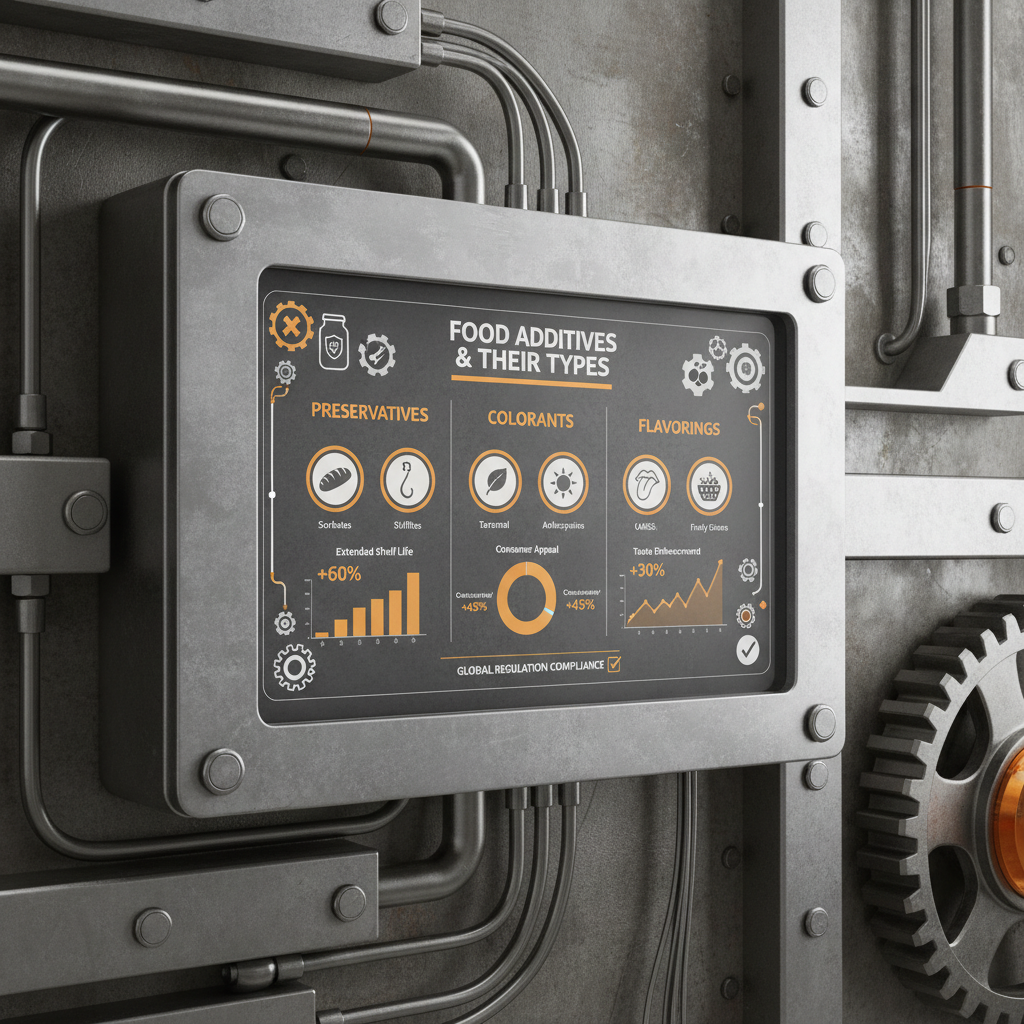
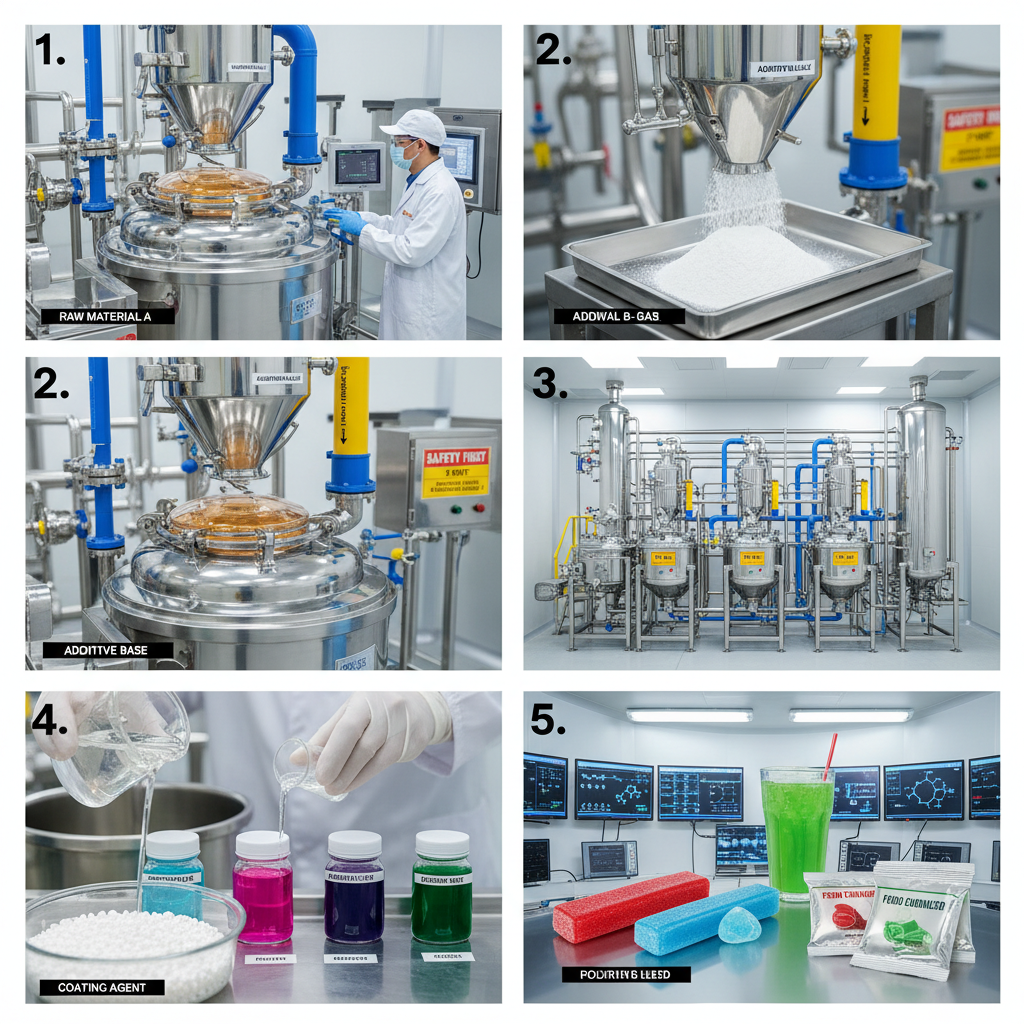
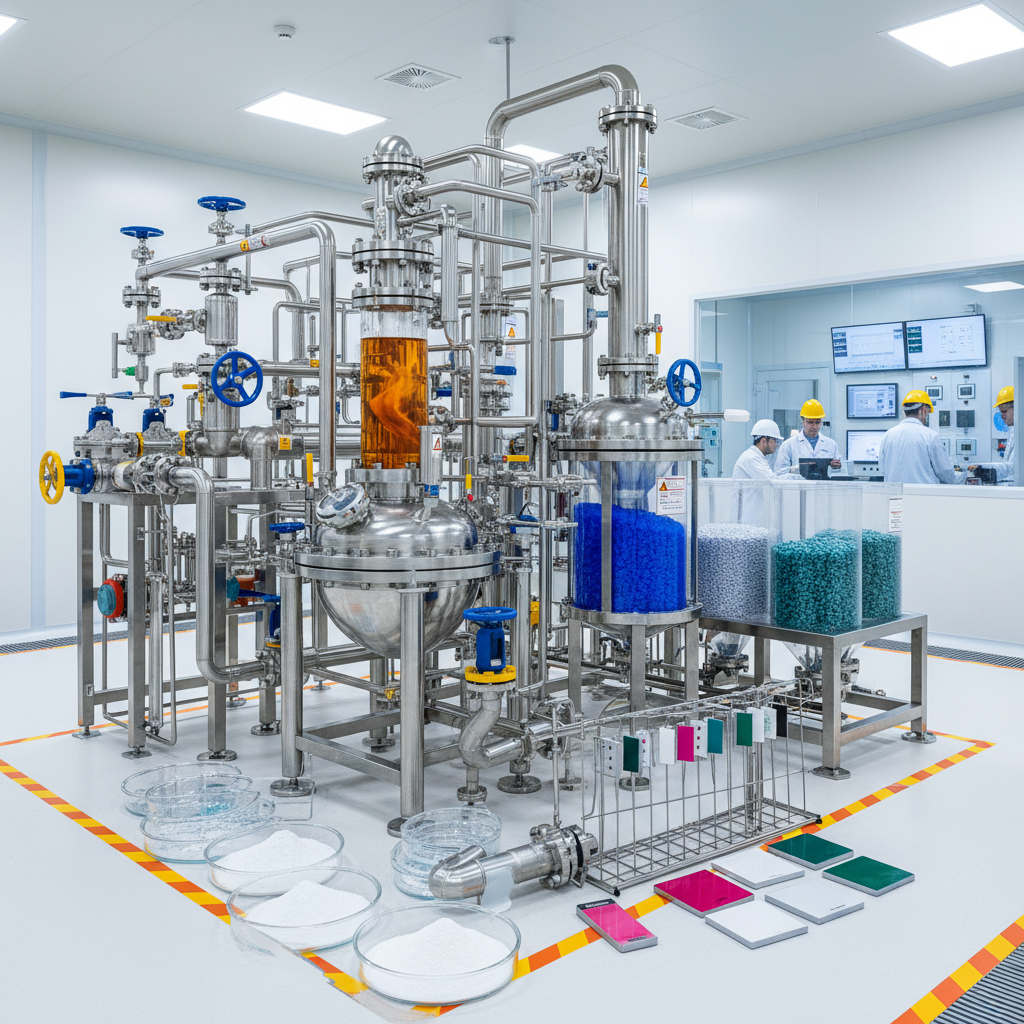
Food additives and its types are substances added to food to preserve flavor or enhance its taste, appearance, or other qualities. This practice has a long history, evolving from simple methods like salting and smoking to the complex chemical formulations used today. Understanding food additives and its types is crucial for ensuring food safety, quality, and global food security. The global food industry relies heavily on these additives to maintain product consistency and shelf life, catering to the demands of a growing population and increasingly complex supply chains.
The relevance of food additives and its types extends far beyond the food industry itself. They play a vital role in public health, preventing foodborne illnesses and ensuring nutritional value. According to the World Health Organization (WHO), food safety is a cornerstone of public health, and effective use of food additives contributes significantly to this. Furthermore, understanding these additives is essential for adhering to international regulations and trade agreements, as standards vary considerably across different countries.
The benefits of understanding food additives and its types are multifaceted. For consumers, it empowers informed choices about the food they consume. For manufacturers, it ensures compliance with regulations and enables the production of safe, high-quality products. For governments, it strengthens food safety systems and supports economic growth through fair trade practices. Ultimately, a comprehensive understanding of food additives is indispensable for a sustainable and secure global food system.
Introduction to food additives and its types
The landscape of food additives and its types is surprisingly diverse, encompassing everything from natural substances like citric acid to synthetic compounds designed for specific functionalities. These additives serve a multitude of purposes, including preserving freshness, enhancing flavor, improving texture, and providing essential nutrients. Effective management and control of these additives are paramount to ensuring food safety and consumer trust.
Historically, preservation techniques relied heavily on methods like salting, drying, and fermentation, which, in essence, were early forms of utilizing food additives. Modern food science has built upon these foundations, developing a vast array of additives tailored to meet the demands of today’s food production and distribution systems. The evolution of food additives mirrors the advancement of food technology itself.
Defining Food Additives and Their Significance
Food additives are substances intentionally added to food to affect its properties for a specific purpose. This definition, as outlined by organizations like the Food and Drug Administration (FDA), encompasses a wide range of materials. They're not intended to be consumed as food in themselves, but rather to contribute to the quality and safety of the final product. Understanding the different categories of these substances is vital.
The significance of food additives lies in their ability to address numerous challenges in the food supply chain. They help prevent spoilage, extend shelf life, maintain nutritional value, and improve the overall appeal of food products. Without them, it would be far more difficult to distribute food efficiently and ensure its availability to a global population.
Furthermore, food additives play a role in accommodating dietary needs and preferences. For instance, sugar substitutes cater to individuals managing diabetes, while additives enhance the texture of foods for those with swallowing difficulties. The impact of these additives extends beyond mere preservation, touching upon public health and quality of life.
Core Components of Food Additive Functionality
Several core components underpin the functionality of food additives and its types. Firstly, preservation is critical; antioxidants prevent rancidity, while antimicrobials inhibit the growth of bacteria and molds. Secondly, color additives enhance visual appeal, making food more attractive to consumers.
Thirdly, texture additives, such as emulsifiers and stabilizers, improve the consistency and mouthfeel of foods. Fourthly, flavor enhancers amplify existing flavors or introduce new ones, contributing to palatability. These four categories represent the foundational roles of many commonly used additives.
Finally, nutritional additives, like vitamins and minerals, fortify foods to address dietary deficiencies and improve public health. The synergistic interaction of these functionalities determines the overall impact of food additives on the quality and safety of food products.
Global Applications of Food Additives and Its Types
The applications of food additives and its types are widespread, touching virtually every aspect of the global food industry. In the processed food sector, additives are essential for maintaining shelf life, consistency, and palatability of products like canned goods, frozen meals, and baked goods. In the beverage industry, colorings, flavorings, and preservatives ensure product appeal and stability.
Across different regions, the use of specific additives varies due to cultural preferences and regulatory frameworks. For example, in Asia, certain natural colorings derived from plant sources are prevalent, while in North America, synthetic additives are more common. Regulatory bodies such as the European Food Safety Authority (EFSA) and the FDA exert significant influence on the permitted levels and types of additives used in their respective regions.
Food Additive Usage by Category
Advantages and Long-Term Value of Food Additives
The advantages of utilizing food additives and its types are considerable, extending beyond mere product preservation. Cost efficiency is a primary benefit, as additives allow for extended shelf life, reducing waste and lowering overall production costs. Sustainability is also enhanced by minimizing food spoilage and optimizing resource utilization.
Long-term value is realized through improved public health. Fortified foods address nutritional deficiencies, while additives prevent foodborne illnesses. These positive impacts build consumer trust and contribute to a more resilient and sustainable food system. The use of food additives is not just about convenience; it’s about ensuring food security and well-being on a global scale.
Future Trends and Innovations in Food Additives
The future of food additives and its types is focused on sustainability and consumer demand for “clean label” products. There's a growing trend towards using natural additives derived from plant and microbial sources, replacing synthetic compounds wherever possible. Research into novel extraction and processing techniques aims to improve the efficacy and safety of these natural alternatives.
Furthermore, advancements in biotechnology are paving the way for the development of bio-based additives with enhanced functionalities. These innovations align with the principles of the circular economy, minimizing waste and maximizing resource utilization. Digital technologies, such as AI-powered formulation optimization, are also playing an increasing role in the development of safer and more effective additives.
Challenges and Solutions in Food Additive Implementation
Despite their benefits, food additives and its types face challenges including consumer perception, regulatory complexity, and potential health concerns. Negative perceptions surrounding synthetic additives necessitate transparent labeling and robust scientific evaluation to build trust. Navigating varying regulatory landscapes across different countries requires comprehensive compliance strategies.
Solutions involve investing in research to demonstrate the safety and efficacy of additives, promoting clear and concise labeling practices, and fostering international harmonization of regulations. Embracing innovative technologies, such as blockchain for supply chain traceability, can enhance transparency and accountability. Open communication and collaboration between industry, regulators, and consumers are crucial for overcoming these challenges.
Ultimately, the responsible use of food additives requires a balanced approach that prioritizes both safety and innovation, ensuring a sustainable and secure food supply for all.
Table Summarizing Key Challenges and Solutions in Food Additive Implementation
| Challenge |
Impact on Food Industry |
Potential Solution |
Implementation Cost (1-10) |
| Negative Consumer Perception |
Reduced Product Acceptance |
Transparent Labeling & Education |
4 |
| Regulatory Discrepancies |
Increased Compliance Costs |
International Harmonization Efforts |
7 |
| Supply Chain Transparency |
Difficulty Verifying Additive Origins |
Blockchain Technology Integration |
6 |
| Finding Natural Alternatives |
Limited Functionality & Availability |
Biotechnology Research & Development |
8 |
| Allergenic Reactions |
Potential Public Health Concerns |
Rigorous Allergen Testing & Labeling |
5 |
| Evolving Consumer Preferences |
Need for Continuous Innovation |
Market Research & Product Adaptation |
3 |
FAQS
Consumer concerns often center around potential health effects, such as allergic reactions or long-term toxicity. Misinformation and a lack of understanding regarding the rigorous safety testing processes contribute to these anxieties. However, regulatory bodies like the FDA and EFSA thoroughly evaluate additives before approval, setting strict limits on their use. Accurate and accessible information is vital to address these concerns effectively.
Food additives are typically listed in the ingredient list on product labels. They may be identified by their common name (e.g., citric acid), or by their E number (a European numbering system). Regulations require clear labeling to enable consumers to make informed choices. Resources like the FDA website provide comprehensive information about approved additives and their functions.
Not necessarily. "Natural" does not automatically equate to "safe." Both natural and synthetic additives undergo safety assessments. Some natural substances can cause allergic reactions or have other adverse effects. The safety of an additive depends on its chemical properties, dosage, and individual sensitivity, regardless of its origin.
Regulatory bodies, such as the FDA in the United States and the EFSA in Europe, are responsible for evaluating the safety of food additives before they are approved for use. They conduct comprehensive risk assessments, considering factors like toxicity, potential allergenicity, and long-term health effects. They also establish maximum permissible levels for additives in food products.
Food additives can often contribute to lower food prices by extending shelf life, reducing spoilage, and improving production efficiency. This allows for larger-scale production and distribution, ultimately lowering costs for consumers. Without additives, certain foods might be more expensive or less readily available.
Several reliable resources provide information on food additives. The FDA website ([https://www.fda.gov/food/food-ingredients-packaging/food-additives](https://www.fda.gov/food/food-ingredients-packaging/food-additives)) and the EFSA website ([https://www.efsa.europa.eu/en/topics/topic/food-additives](https://www.efsa.europa.eu/en/topics/topic/food-additives)) offer detailed information on approved additives and their safety assessments. Additionally, reputable food science organizations provide educational materials.
Conclusion
In conclusion, food additives and its types are indispensable components of the modern food system, playing a vital role in ensuring food safety, quality, and availability. From extending shelf life to enhancing nutritional value, these substances address numerous challenges in food production and distribution. While concerns regarding their safety exist, robust regulatory frameworks and ongoing research ensure that approved additives are thoroughly evaluated and used responsibly.
Looking ahead, innovation in natural alternatives and sustainable practices will continue to shape the future of food additives. By embracing transparency, education, and collaboration, we can foster greater consumer trust and optimize the benefits of these essential ingredients. For more information on food additives and how they are used, visit our website: www.chinaseasoning.com