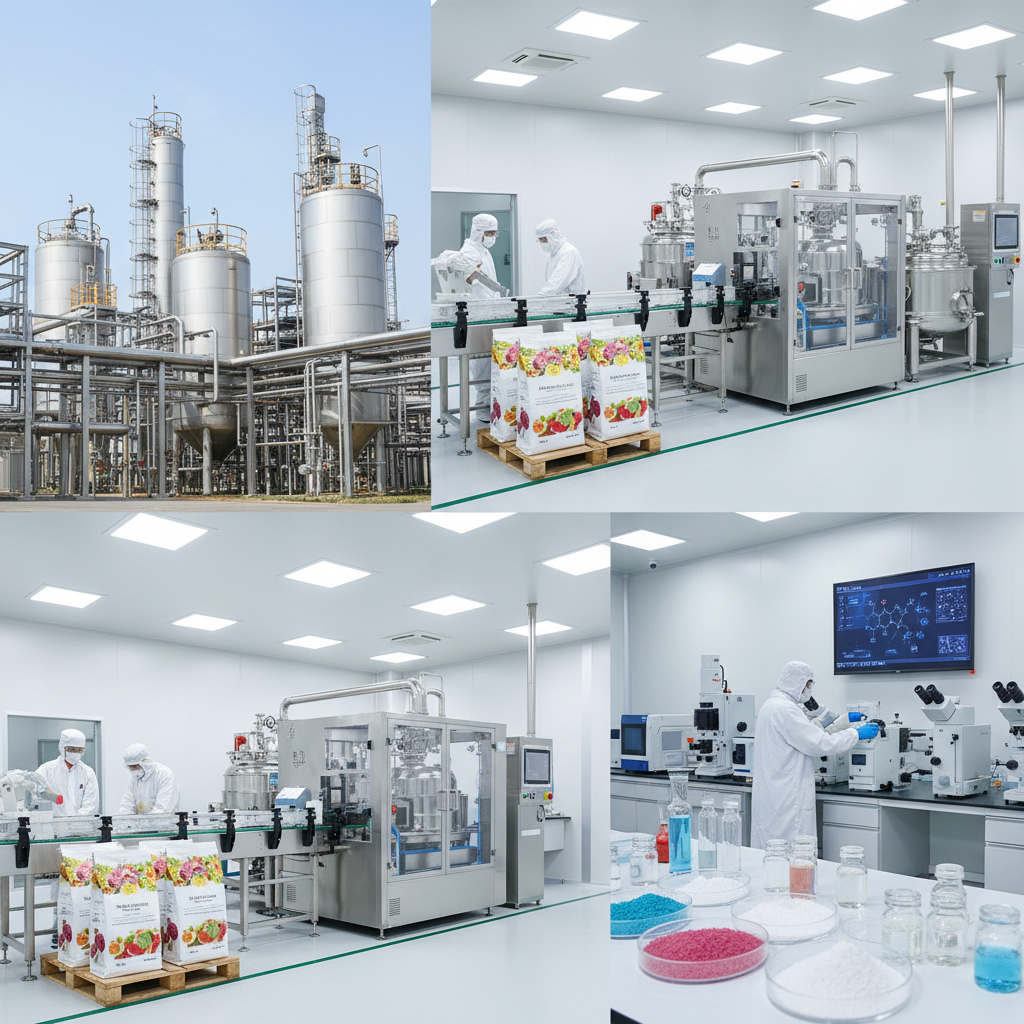
Food additive wholesale is a critical component of the global food supply chain, ensuring the consistent production and quality of a vast array of processed foods. It involves the bulk sourcing and distribution of ingredients that enhance flavor, texture, preservation, and nutritional value. Understanding the dynamics of this industry – from sourcing and regulation to logistics and innovation – is vital for food manufacturers, distributors, and policymakers alike, impacting everything from consumer safety to international trade. A robust and reliable food additive wholesale market is essential for maintaining affordable and accessible food options worldwide.
The growing global population and increasing demand for processed foods are driving significant growth in the food additive wholesale sector. This necessitates efficient supply chains, stringent quality control measures, and adaptability to evolving consumer preferences and regulatory landscapes. The industry faces challenges like ensuring traceability, managing fluctuating raw material costs, and maintaining compliance with diverse international standards. Successful navigation of these complexities is key to sustained success.
Furthermore, the rise of functional foods and personalized nutrition is creating new demands for specialized additives, pushing wholesalers to expand their product portfolios and offer tailored solutions. This evolving landscape requires proactive investment in research and development, fostering strong supplier relationships, and embracing technological advancements.
Introduction to food additive wholesale
The food additive wholesale industry serves as the backbone for countless food production processes worldwide. It’s not merely about volume; it’s about reliability, quality assurance, and the ability to consistently meet the diverse needs of manufacturers. food additive wholesale companies play a pivotal role in bridging the gap between raw material producers and the businesses that create the food we consume daily.
Successful wholesalers understand the intricate regulatory landscape, prioritizing compliance with agencies like the FDA and EFSA. This dedication ensures the safety and legality of the products they distribute. Effective logistics and robust inventory management systems are also crucial for preventing disruptions in the supply chain and guaranteeing timely delivery to clients.
Global Relevance of Food Additive Wholesale
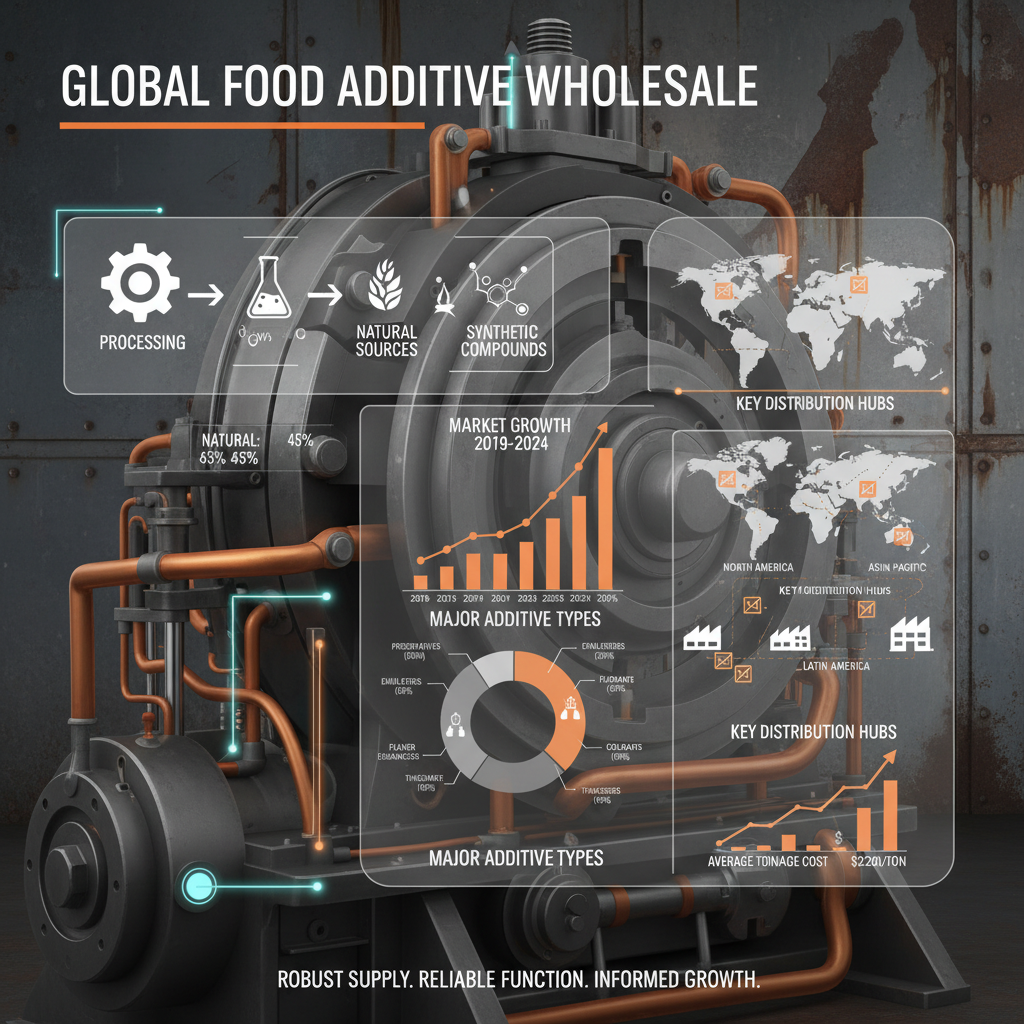
The global food additive wholesale market is substantial and continues to expand, fueled by a growing population and evolving dietary habits. According to reports from the Food and Agriculture Organization of the United Nations (FAO), global food production needs to increase by 70% by 2050 to feed an estimated 9.7 billion people. This surge in demand necessitates efficient and reliable food additive supply chains.
International trade data reveals that key regions, including Asia-Pacific, North America, and Europe, are dominant players in both the production and consumption of food additives. China, in particular, has emerged as a major sourcing hub, offering competitive pricing and a broad range of products. The World Bank estimates that the food processing industry contributes significantly to the GDP of many developing nations, further emphasizing the importance of accessible and affordable additives.
However, the industry faces a significant challenge: ensuring sustainable practices throughout the supply chain. Concerns regarding environmental impact, ethical sourcing, and transparency are driving demand for eco-friendly alternatives and robust traceability systems.
Defining Food Additive Wholesale
Food additive wholesale refers to the process of purchasing food additives in bulk directly from manufacturers or large-scale importers and then reselling them to food producers, processors, and other businesses. These additives encompass a wide range of substances, including preservatives, flavor enhancers, coloring agents, stabilizers, and nutritional supplements, all intended to improve the safety, quality, or appeal of food products.
This practice directly supports modern food industry needs. Without it, manufacturers would struggle to secure the necessary ingredients to maintain consistent product quality and meet consumer demand. It also facilitates cost efficiency, allowing smaller businesses to access ingredients they might not be able to source directly from producers. It’s closely linked to humanitarian efforts as well, enabling the rapid production of nutritious food aid during emergencies.
Importantly, food additive wholesale is heavily regulated to ensure public health and safety. Wholesalers must adhere to stringent quality control standards and comply with relevant legislation in the regions they operate.
Key Aspects of Efficient Wholesale
Efficient food additive wholesale hinges on several core components. First, Quality Control is paramount; rigorous testing and adherence to international standards (like ISO 22000) are essential for ensuring product safety and preventing contamination. Second, Supply Chain Management must be optimized, encompassing efficient sourcing, warehousing, and transportation to minimize costs and lead times.
Third, Regulatory Compliance requires a deep understanding of local and international regulations governing food additives. This includes proper labeling, documentation, and adherence to permitted usage levels. Fourth, Inventory Management is crucial for maintaining optimal stock levels, preventing shortages or overstocking, and minimizing waste. These factors directly contribute to the reliability and cost-effectiveness of the wholesale process.
Food Additive Wholesale Performance Metrics
Applications Across Industries
Food additive wholesale supports a diverse range of industries. The processed food sector, including manufacturers of snacks, beverages, and convenience foods, is a primary consumer. The bakery industry relies heavily on additives for texture, preservation, and flavor enhancement. The dairy industry utilizes stabilizers and emulsifiers to improve product consistency and shelf life.
Beyond traditional food processing, the pharmaceutical and nutraceutical industries also rely on wholesale suppliers for ingredients used in vitamins, supplements, and medicinal products. In post-disaster relief operations, rapid access to food additives is critical for producing nutritious and shelf-stable food aid for affected populations. Furthermore, in remote industrial zones, wholesale distribution ensures consistent supply to food processing facilities.
Advantages and Long-Term Value
The advantages of utilizing a reliable food additive wholesale partner are substantial. Cost savings are achieved through bulk purchasing and competitive pricing. Sustainability is enhanced by selecting suppliers committed to responsible sourcing and reducing environmental impact. Social impact is realized through ensuring access to safe and affordable food ingredients.
Long-term value lies in building a resilient supply chain, fostering trust with suppliers, and staying ahead of industry trends. Effective wholesale practices contribute to enhanced product quality, reduced risk of recalls, and increased consumer confidence. These benefits translate into brand protection and sustained business growth.
Future Trends in food additive wholesale
The future of food additive wholesale will be shaped by several key trends. The increasing demand for natural and organic additives is driving innovation in sourcing and processing techniques. Digital transformation, including the use of blockchain technology for enhanced traceability, will become increasingly prevalent. Automation and robotics will optimize warehouse operations and logistics.
Sustainability will remain a central focus, with a growing emphasis on reducing carbon footprints, minimizing waste, and adopting circular economy principles. Personalized nutrition and the rise of functional foods will necessitate greater flexibility and customization in additive offerings. The exploration of novel ingredients and alternative protein sources will also create new opportunities for wholesale suppliers.
Furthermore, predictive analytics and AI-powered demand forecasting will enable wholesalers to optimize inventory management and proactively respond to market fluctuations.
Summary of Challenges and Potential Solutions in Food Additive Wholesale
| Challenge |
Impact on Wholesale |
Potential Solution |
Implementation Difficulty (1-5) |
| Supply Chain Disruptions |
Increased costs, delayed deliveries |
Diversify sourcing, build strategic reserves |
3 |
| Regulatory Complexity |
Compliance costs, potential penalties |
Invest in regulatory expertise, utilize compliance software |
4 |
| Price Volatility |
Reduced profit margins, budgeting challenges |
Long-term contracts, hedging strategies |
2 |
| Traceability Concerns |
Difficulty verifying origin and quality |
Implement blockchain technology, enhance documentation |
5 |
| Demand Fluctuations |
Inventory imbalances, potential waste |
AI-powered demand forecasting, flexible inventory management |
3 |
| Competition |
Pressure on pricing, reduced market share |
Differentiate through value-added services, build strong customer relationships |
2 |
FAQS
A food additive wholesale business typically requires certifications like ISO 22000 for food safety management, HACCP for hazard analysis and critical control points, and potentially FSSC 22000, depending on the target market. Compliance with local regulations regarding food handling, storage, and transportation is also critical. These certifications demonstrate a commitment to quality and safety, building trust with customers and regulatory bodies. Accurate documentation and regular audits are crucial for maintaining these certifications.
Traceability is ensured through meticulous record-keeping, tracking products from origin to delivery. This involves maintaining detailed documentation of each batch, including supplier information, manufacturing dates, and quality control results. Increasingly, wholesalers are adopting blockchain technology to create a transparent and immutable record of the supply chain. Robust labeling practices and efficient inventory management systems also contribute to effective traceability.
Importing food additives involves navigating varying regulations, tariffs, and trade agreements. Language barriers and cultural differences can also present challenges. Ensuring compliance with import regulations, including proper labeling and documentation, is crucial to avoid delays or rejections. Wholesalers must also carefully vet suppliers to ensure they meet quality and safety standards and can provide the necessary certifications. Maintaining strong relationships with customs brokers is highly recommended.
Wholesale prices of food additives are influenced by several factors, including raw material costs, supply and demand dynamics, geopolitical events, and currency exchange rates. Seasonal variations in agricultural production can also impact prices. Global economic conditions and trade policies play a significant role. Wholesalers often employ strategies like long-term contracts and hedging to mitigate price volatility and provide stable pricing to their customers.
Sustainable sourcing is becoming increasingly important in food additive wholesale, driven by consumer demand and regulatory pressures. This involves selecting suppliers committed to environmentally responsible practices, ethical labor standards, and minimizing their carbon footprint. It includes sourcing ingredients from renewable resources and promoting biodiversity. Wholesalers are increasingly seeking certifications like RSPO for sustainable palm oil and Fair Trade to ensure responsible sourcing.
New food additives undergo rigorous safety assessments by regulatory bodies like the FDA and EFSA. These assessments evaluate the potential health risks associated with the additive and establish safe usage levels. Wholesalers must ensure that any new additive they distribute has been approved by the relevant authorities and meets all applicable regulatory requirements. They also have a responsibility to provide customers with accurate information about the additive's properties and safe handling procedures.
Conclusion
In conclusion, food additive wholesale is a vital and complex industry that underpins the global food supply chain. Its efficiency, reliability, and commitment to quality and safety are essential for ensuring access to affordable and nutritious food for a growing population. Adapting to evolving consumer preferences, embracing technological advancements, and prioritizing sustainability will be crucial for success in the future.
Looking ahead, strategic partnerships, proactive regulatory compliance, and a focus on innovation will be key differentiators for food additive wholesale businesses. Investing in robust traceability systems, exploring alternative ingredients, and fostering strong customer relationships will position companies for sustained growth and contribute to a more resilient and sustainable food system. Visit our website at food additive wholesale to learn more.