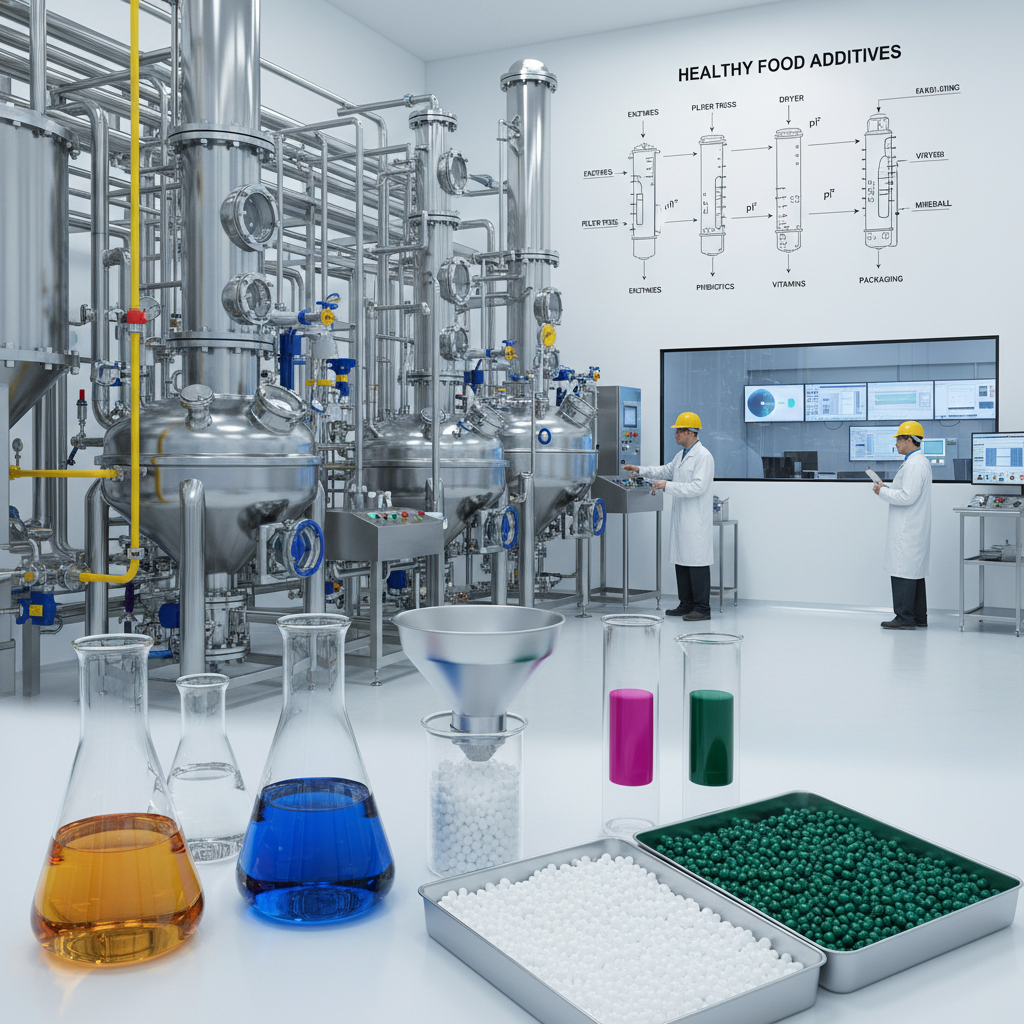
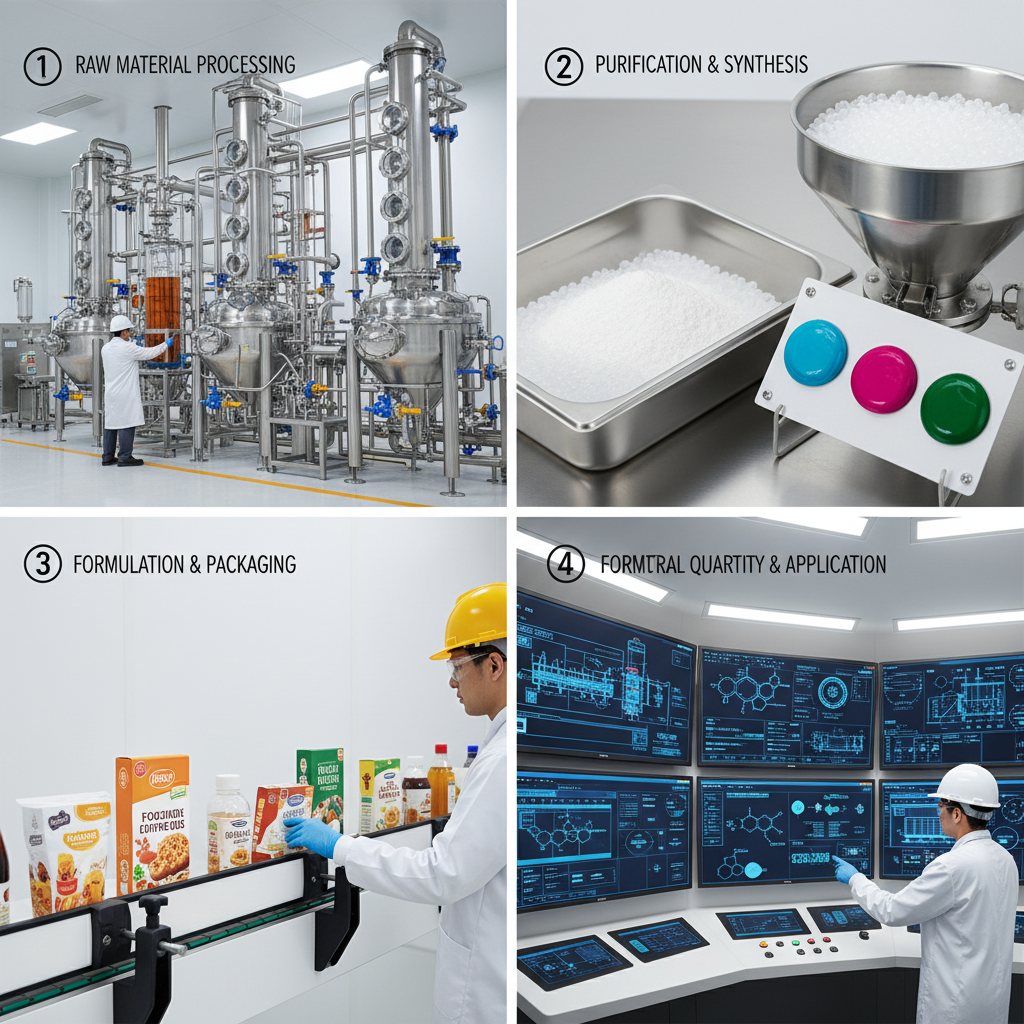
Navigating the complex landscape of modern food and feed production requires a precise and comprehensive additive list to ensure safety, nutritional density, and shelf-life stability. In an era where global supply chains are under constant pressure, understanding the specific role of each compound—from preservatives to emulsifiers—is no longer optional for manufacturers; it is a critical requirement for regulatory compliance and consumer trust.
The strategic implementation of a well-curated additive list allows producers to optimize the organoleptic properties of their products while significantly reducing waste through extended preservation. By bridging the gap between raw chemical parameters and commercial application, food and pharmaceutical intermediate manufacturers can achieve a level of consistency that meets the stringent standards of international markets.
Ultimately, the mastery of an additive list empowers industry professionals to innovate without compromising safety. Whether it is enhancing the bioavailability of nutrients in animal feed or achieving the perfect texture in processed foods, the right selection of additives serves as the invisible backbone of the global food security infrastructure.
Global Relevance of the Additive List
On a global scale, the reliance on a standardized additive list has grown exponentially as population growth drives the demand for processed foods and high-efficiency animal proteins. According to reports aligned with ISO standards and FAO guidelines, the stabilization of food sources depends heavily on the precise application of additives to prevent spoilage and nutrient degradation during long-distance transit.
The primary challenge facing the industry today is the fragmentation of regulatory frameworks. While one region may permit a specific preservative, another may ban it, making a comprehensive, adaptable additive list an essential tool for exporters who wish to maintain market access without redesigning their entire product line for every border they cross.
Defining the Additive List in Modern Industry
In simple terms, an additive list is a curated catalog of substances added to food, feed, or pharmaceutical bases to perform specific technological functions. These functions range from maintaining structural integrity (emulsifiers) and preventing oxidation (antioxidants) to enhancing nutritional profiles (fortificants). It is not merely a list of ingredients, but a roadmap for product stability.
Beyond the technical definitions, these lists are deeply connected to humanitarian needs. By utilizing a precise additive list, manufacturers can produce fortified foods that combat malnutrition in developing regions, ensuring that essential vitamins and minerals remain stable even in harsh climates where refrigeration is unavailable.
In the context of pharmaceutical intermediates, the additive list extends to excipients and stabilizers that ensure the active pharmaceutical ingredient (API) is delivered to the body effectively. This intersection of food science and pharmacology highlights how a single systematic approach to additives supports both general wellness and targeted medical treatment.
Core Components of an Effective Additive List
The first core pillar of any professional additive list is Regulatory Compliance. This ensures that every component used is GRAS (Generally Recognized as Safe) and meets the purity standards required by bodies like the FDA or EFSA, preventing costly recalls and legal disputes.
Secondly, Functional Synergy is paramount. An additive list is not a collection of isolated chemicals; it is a system where antioxidants may work in tandem with chelating agents to provide a synergistic effect that extends shelf life far more effectively than any single agent could alone.
Finally, Cost-to-Performance Scalability must be considered. A high-performance additive is useless if its cost exceeds the margin of the final product. Therefore, a strategic list balances the use of premium stabilizers with cost-effective alternatives to maintain commercial viability without sacrificing quality.
Practical Applications Across Global Sectors
The real-world application of an additive list varies significantly by region and industry. In the European Union, the focus is heavily skewed toward "clean label" additives—those derived from natural sources—while in rapidly industrializing zones in Southeast Asia, the priority often lies in high-stability preservatives that can withstand extreme humidity and heat.
In practical scenarios, such as livestock farming in remote industrial zones, a specialized feed additive list is used to enhance the growth rate and immune response of animals through a precise blend of amino acids and enzymes. This reduces the reliance on antibiotics, promoting a more sustainable and ethical approach to protein production.
Performance Comparison of Additive List Categories
Long-Term Value and Economic Advantages
Integrating a scientifically backed additive list offers tangible economic benefits by drastically reducing the rate of spoilage and product returns. When a product is stabilized correctly, the logistics chain becomes more flexible, allowing companies to expand their distribution radius without risking quality degradation.
Beyond the financial gains, there is a significant emotional and trust-based value. Consumers today demand transparency and safety. By adhering to a strict, audited additive list, brands can provide "clean" guarantees and certifications, which foster long-term customer loyalty and brand equity in a skeptical market.
Future Trends in Additive Innovation
The future of the additive list is leaning heavily toward biotechnology and green chemistry. We are seeing a shift from synthetic polymers to bio-based emulsifiers and fermentation-derived preservatives. This digital transformation in additive synthesis allows for "designer additives" that can be tailored to the specific molecular structure of a food matrix for maximum efficiency.
Automation and AI are also playing a role in how an additive list is managed. Predictive modeling can now simulate how different additives will interact over a five-year period, reducing the need for expensive and time-consuming real-time shelf-life testing. This acceleration of the R&D cycle allows companies to react faster to changing consumer tastes.
Furthermore, the push toward sustainability is driving the development of "upcycled additives"—compounds extracted from food waste streams. This not only lowers the cost of the additive list but also aligns the manufacturing process with circular economy principles, reducing the overall environmental footprint of the food industry.
Overcoming Challenges in Additive Implementation
One of the most common limitations in current practice is the "over-stabilization" of products, where an additive list is used excessively to compensate for poor raw material quality. This often leads to off-flavors or textures that consumers find unpleasant, as well as potential regulatory scrutiny over additive concentrations.
The solution lies in a "precision-additive" approach. Instead of applying broad-spectrum preservatives, experts recommend a targeted analysis of the product's specific vulnerability—be it lipid oxidation or microbial growth—and tailoring the additive list to address only those precise threats.
Additionally, the gap between technical efficacy and consumer perception remains a hurdle. To overcome this, companies are investing in educational marketing, explaining the safety and necessity of specific items on their additive list, thereby transforming a perceived negative (chemical additives) into a positive (safety and nutrition).
Analysis of Additive Implementation Challenges and Solutions
| Challenge Category |
Primary Limitation |
Innovative Solution |
Impact Score (1-10) |
| Regulatory |
Regional Variance |
Dynamic Adaptive Lists |
9 |
| Sensory |
Off-flavors/Aftertaste |
Encapsulation Tech |
8 |
| Economic |
High Pure-Grade Cost |
Bio-fermentation |
7 |
| Perception |
"Chemical" Stigma |
Clean-Label Transition |
10 |
| Stability |
Thermal Degradation |
Synergistic Blending |
8 |
| Sourcing |
Supply Chain Gaps |
Multi-Vendor Validation |
7 |
FAQS
A standard ingredient list simply identifies what is in a product. A professional additive list focuses on the technological function of each substance—such as pH regulation, emulsification, or antioxidant activity—and provides data on purity, regulatory limits, and synergistic interactions with other components to ensure product stability and safety.
Compliance requires a cross-referencing strategy. You must map your current additive list against the positive lists of the target country (e.g., FDA in the US, EFSA in Europe). Utilizing a global regulatory database or consulting with a specialist in food additive legislation is the most effective way to avoid shipment rejections.
Yes, although it often requires more complex formulation. Natural additives, like rosemary extract instead of BHA, may require higher concentrations or synergistic combinations to achieve the same shelf-life extension. However, they provide a significant marketing advantage through "clean label" claims.
We recommend a comprehensive review every 6 to 12 months. This frequency is necessary because regulatory bodies frequently update safety thresholds, and new, more efficient bio-based alternatives enter the market, allowing you to reduce costs or improve the nutritional profile of your products.
The risks are severe, including compromised API stability, toxicity, or failure to meet pharmacopeia standards (USP/BP). Unverified additives can cause unpredictable reactions during synthesis or affect the bioavailability of the drug, potentially leading to clinical failure or regulatory sanctions.
Focus on synergistic blending. By combining two additives that enhance each other's performance, you can often reduce the total volume of expensive components needed. Additionally, sourcing from integrated manufacturers who provide high-purity bulk additives can significantly lower per-unit costs.
Conclusion
In summary, a meticulously developed additive list is the cornerstone of modern food and pharmaceutical manufacturing. By balancing regulatory compliance, functional synergy, and economic scalability, producers can ensure that their products are not only safe and stable but also commercially competitive on a global stage. From the prevention of spoilage in remote zones to the fortification of life-saving nutrients, the strategic application of additives drives the efficiency of our global food systems.
Looking forward, the integration of bio-based chemistry and AI-driven formulation will continue to refine the way we approach additives, moving toward a future of "precision nutrition" and zero-waste manufacturing. For companies looking to optimize their product lines, the transition toward cleaner, more sustainable additive lists is not just a trend—it is a strategic imperative for long-term survival. Visit our website for expert guidance: www.chinaseasoning.com