0%

Table of Contents

Healthy food additives are more than just ingredients; they’re the backbone of a stable and nutritious food supply, especially in a world facing growing populations and evolving dietary needs. For years, I’ve seen firsthand how crucial these additives are – not just in large-scale food production, but even in small-batch artisan goods. They enhance flavor, improve texture, extend shelf life, and, importantly, ensure food safety. Understanding their role is no longer a niche concern for food scientists; it’s becoming a critical part of the conversation for everyone, from consumers to policymakers. healthy food additives are often misunderstood, but the reality is they’re essential for getting safe, affordable food to tables around the globe.

The global food system is under immense pressure. Climate change, supply chain disruptions, and shifting consumer demands all contribute to challenges in delivering consistent, high-quality food. This is where healthy food additives become vital. The UN estimates that over 828 million people face hunger, and a significant portion of food produced globally is lost or wasted. Additives play a key role in reducing waste by preserving food and maintaining its nutritional value for longer. ISO standards consistently emphasize the need for safe and effective food preservation techniques, and additives are a cornerstone of meeting those standards. It's a complex landscape, but one where strategic use of additives can make a tangible difference.

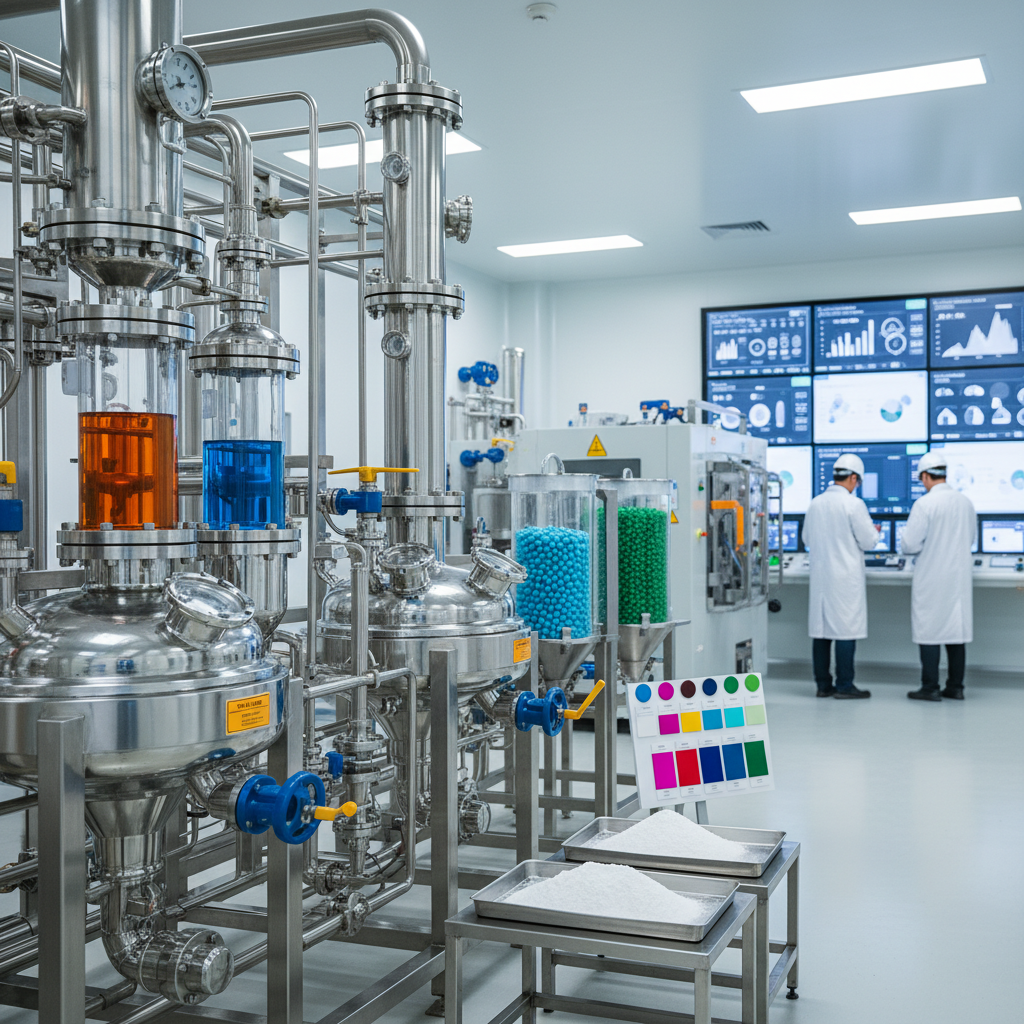
Simply put, healthy food additives are substances added to food to maintain or improve its safety, quality, or nutritional value. They aren’t about creating artificial or inferior products; they're about ensuring food remains safe and palatable throughout its journey from farm to table. This aligns with modern industry demands for efficiency and consistency, and also addresses humanitarian needs by enabling the preservation and distribution of food in disaster relief or challenging environments. From vitamins fortifying cereals to antioxidants preventing fats from going rancid, these additives quietly contribute to a healthier and more secure food system.
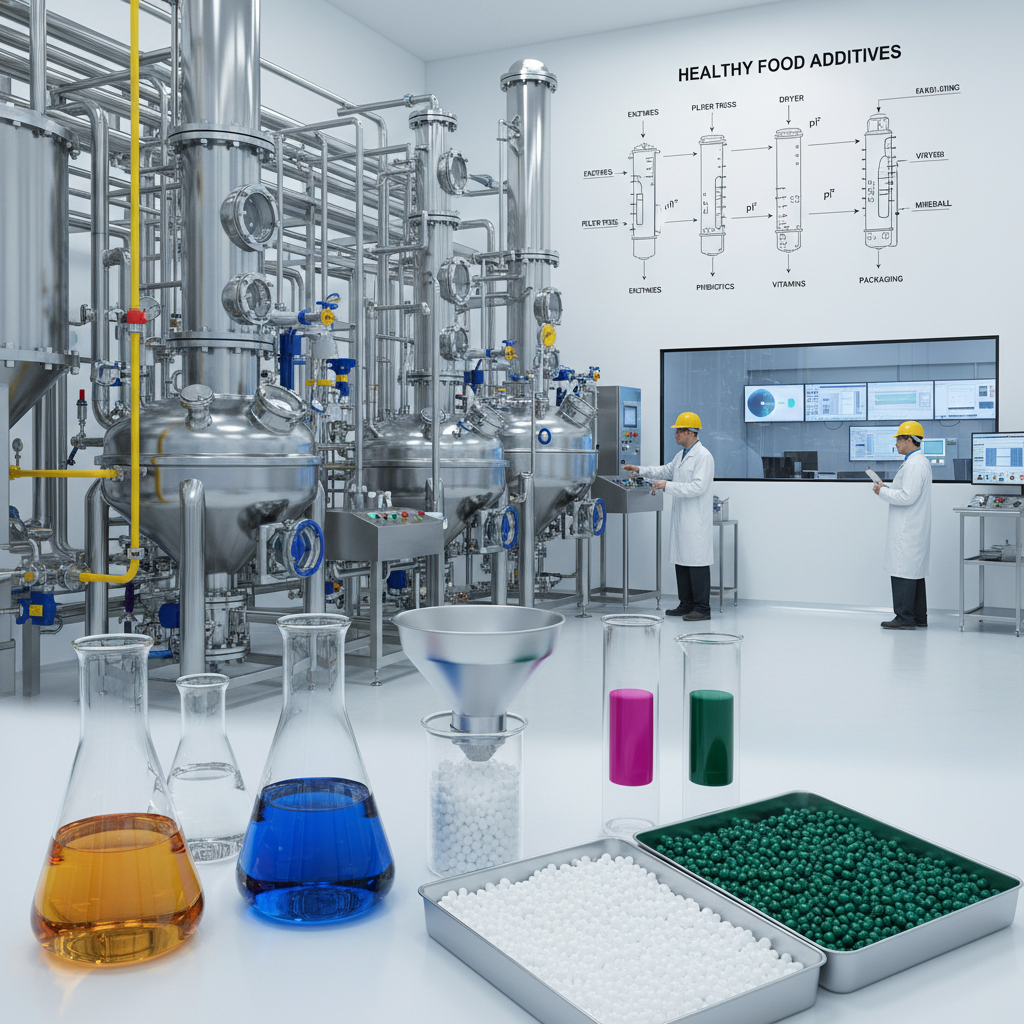
The Crucial Role of Healthy Food Additives in Modern Food Production

Introduction: Global or Industry Context

The global demand for safe and affordable food is constantly increasing, particularly in developing nations. The World Bank estimates that over two billion people lack regular access to sufficient nutrients. Healthy food additives play a critical, yet often unseen, role in bridging this gap. They allow food producers to extend shelf life, reduce spoilage, and fortify products with essential vitamins and minerals. This isn't simply about making food last longer; it's about making nutritious food accessible to a wider population.

The food processing industry is a major driver of economic growth worldwide, and its reliance on healthy food additives is substantial. Regulations governing food additives vary significantly from country to country, creating a complex landscape for manufacturers. However, the overarching trend is towards stricter safety standards and increased transparency. Consumers are demanding more information about what's in their food, and the industry is responding – albeit sometimes slowly – with improved labeling and a commitment to utilizing safer, more natural additive options. healthy food additives are becoming more sophisticated.

One of the biggest challenges facing the food industry today is reducing food waste. Roughly one-third of all food produced globally is lost or wasted, costing trillions of dollars annually and contributing significantly to greenhouse gas emissions. Additives, when used responsibly, can dramatically reduce waste by preserving food quality and preventing spoilage. This is a critical aspect of building a more sustainable and resilient food system. It's a practical solution that directly addresses a pressing global issue.

Definition & Meaning

In its simplest form, a healthy food additive is any substance intentionally added to food during processing or production to affect its characteristics. These characteristics can range from flavor and color to texture and shelf life. It’s crucial to understand that ‘additive’ doesn’t automatically equate to ‘harmful.’ Many additives are naturally derived, like citric acid from lemons or ascorbic acid from oranges. The key is the intentionality and the regulatory approval process.

The connection to modern industry is undeniable. Food processing, as we know it, wouldn’t be possible without additives. Mass production, long-distance transportation, and the demand for consistent product quality all rely on the ability to control and preserve food effectively. From a humanitarian standpoint, additives are essential in ensuring food aid reaches those in need without spoilage or nutritional degradation. It's about maximizing the impact of limited resources.

Furthermore, the role of additives extends beyond preservation and enhancement. They also address specific dietary deficiencies. For example, adding iodine to salt has virtually eliminated iodine deficiency disorders in many parts of the world. This demonstrates the power of food additives to not only provide sustenance but also to improve public health outcomes. It's a quiet revolution happening in our kitchens and on our store shelves.

Key Factors or Core Components

One crucial factor is Safety and Regulatory Compliance. Every additive undergoes rigorous testing and evaluation by regulatory bodies like the FDA and EFSA. This isn’t just a formality; it’s a continuous process of monitoring and re-evaluation. Without this oversight, consumer trust would be eroded, and the entire system would crumble. The safety profile of each additive is paramount.

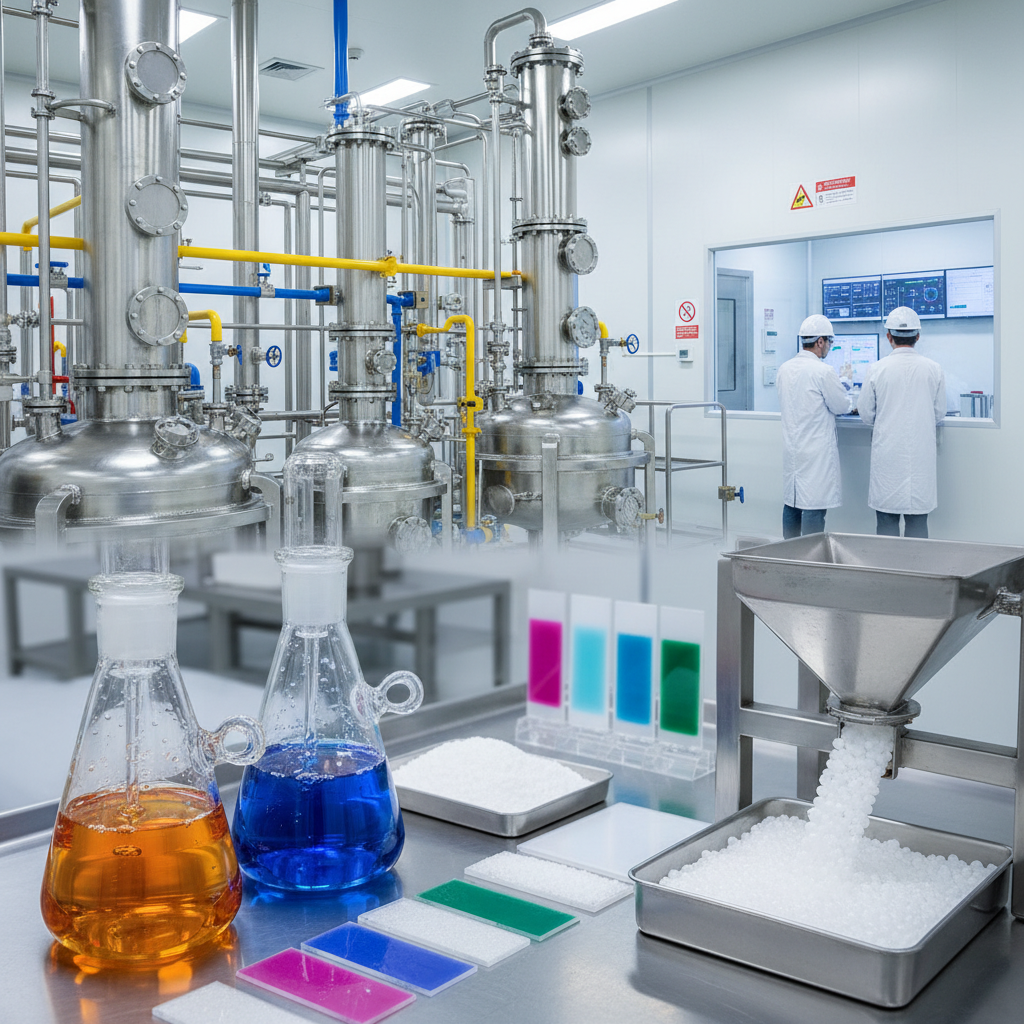
Another key aspect is Functionality. Additives aren't just added randomly; they serve a specific purpose. Whether it’s acting as a preservative, emulsifier, colorant, or flavor enhancer, each additive has a defined role in the final product. Understanding this functionality is essential for optimizing food production and ensuring product quality.

Stability is also critical. An additive must remain effective throughout the food's shelf life and under varying storage conditions. If an additive degrades or loses its potency, it won't be able to perform its intended function. This is where formulation expertise comes into play.

The Crucial Role of Healthy Food Additives in Modern Food Production

Finally, Consumer Perception plays a significant role. Negative perceptions surrounding additives, often fueled by misinformation, can impact product acceptance. Transparency and clear communication about the benefits and safety of additives are crucial for building consumer confidence.

Global Applications & Use Cases

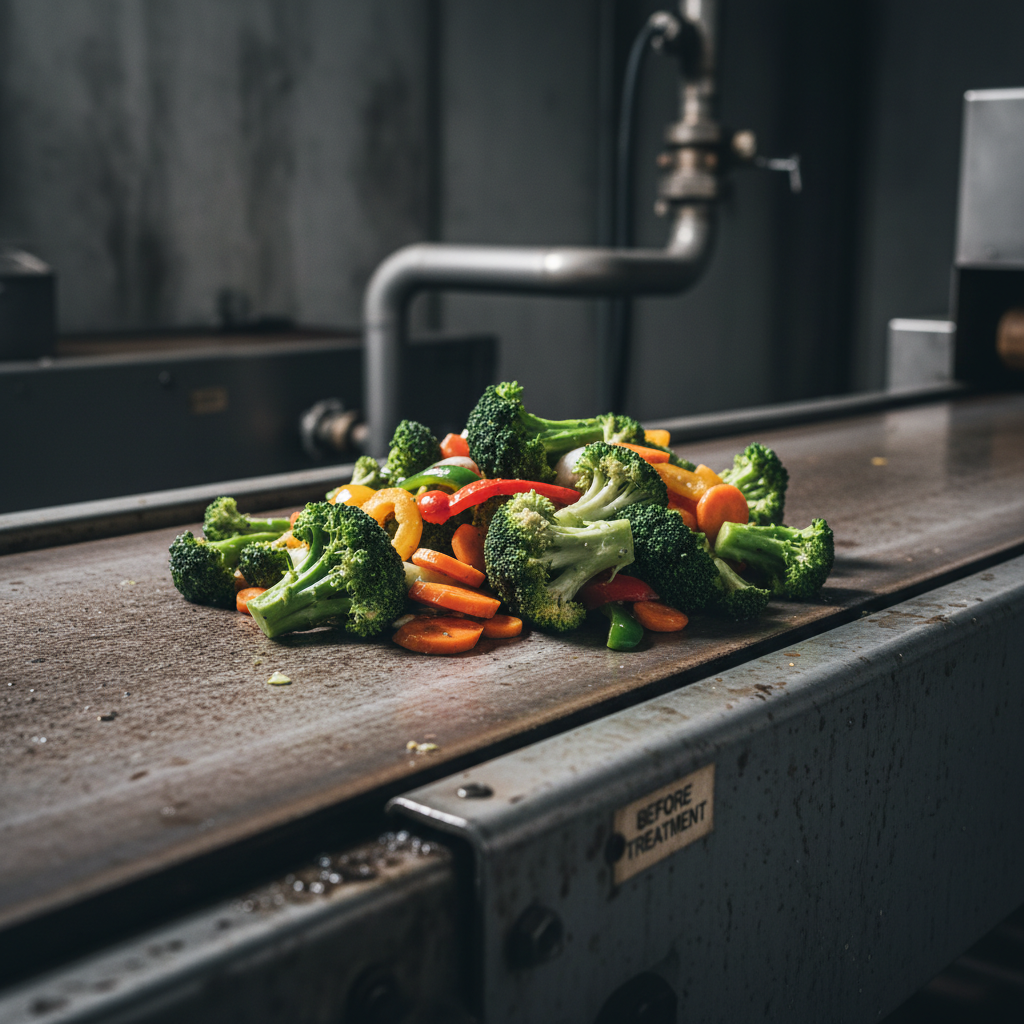
In post-disaster relief operations, healthy food additives are invaluable for preserving food supplies and ensuring that aid reaches those who need it most in a usable condition. I’ve seen it firsthand – without preservatives, a shipment of perfectly good food can become unusable within days, especially in hot and humid climates.

Across the seafood industry, additives like sodium benzoate and potassium sorbate are widely used to inhibit the growth of bacteria and extend shelf life, allowing for the global distribution of fish and shellfish. Without these additives, access to seafood would be significantly limited for many populations. This is especially important for communities that rely on seafood as a primary protein source.

In the beverage industry, additives like citric acid and ascorbic acid are used to maintain flavor and prevent oxidation, ensuring that drinks remain fresh and palatable. From fruit juices to carbonated beverages, additives play a critical role in maintaining product quality and consumer satisfaction. And in remote industrial zones, where fresh produce is scarce, fortified foods with added vitamins and minerals provide essential nutrients to workers.

Additive Effectiveness Comparison


Advantages & Long-Term Value

The most tangible benefit is Cost Reduction. By extending shelf life and reducing waste, healthy food additives help lower food costs for both producers and consumers. This is especially significant in developing countries where food affordability is a major concern. It’s a simple equation: less waste equals more food available at a lower price.

Sustainability is another crucial advantage. Reducing food waste has a direct positive impact on the environment by lowering greenhouse gas emissions and conserving resources. Additives, when used responsibly, contribute to a more sustainable food system. Beyond that, there’s the social impact of ensuring food security and access to nutritious food for vulnerable populations. It’s about dignity and health.

Future Trends & Innovations

We're seeing a growing trend towards "clean label" additives – ingredients that are naturally derived and easily recognizable by consumers. This is driving innovation in areas like plant-based preservatives and natural colorants. Consumers want to know what’s in their food, and the industry is responding.

Digital technologies are also playing a role. Advanced sensors and data analytics can be used to optimize additive usage, ensuring that only the necessary amount is added to maintain product quality and safety. This level of precision minimizes waste and maximizes efficiency.

Challenges & Solutions

One of the biggest challenges is addressing consumer misconceptions about additives. Misinformation can create unnecessary fear and distrust. The solution lies in increased transparency and education. Clear and accurate labeling, coupled with public awareness campaigns, can help dispel myths and build confidence.

Another challenge is the varying regulatory landscape across different countries. Harmonizing regulations would streamline trade and reduce compliance costs for manufacturers. International collaboration and standardized testing protocols are essential for achieving this goal.

Finally, the industry needs to continue investing in research and development to discover new and safer alternatives to existing additives. This requires a commitment to innovation and a willingness to embrace new technologies.

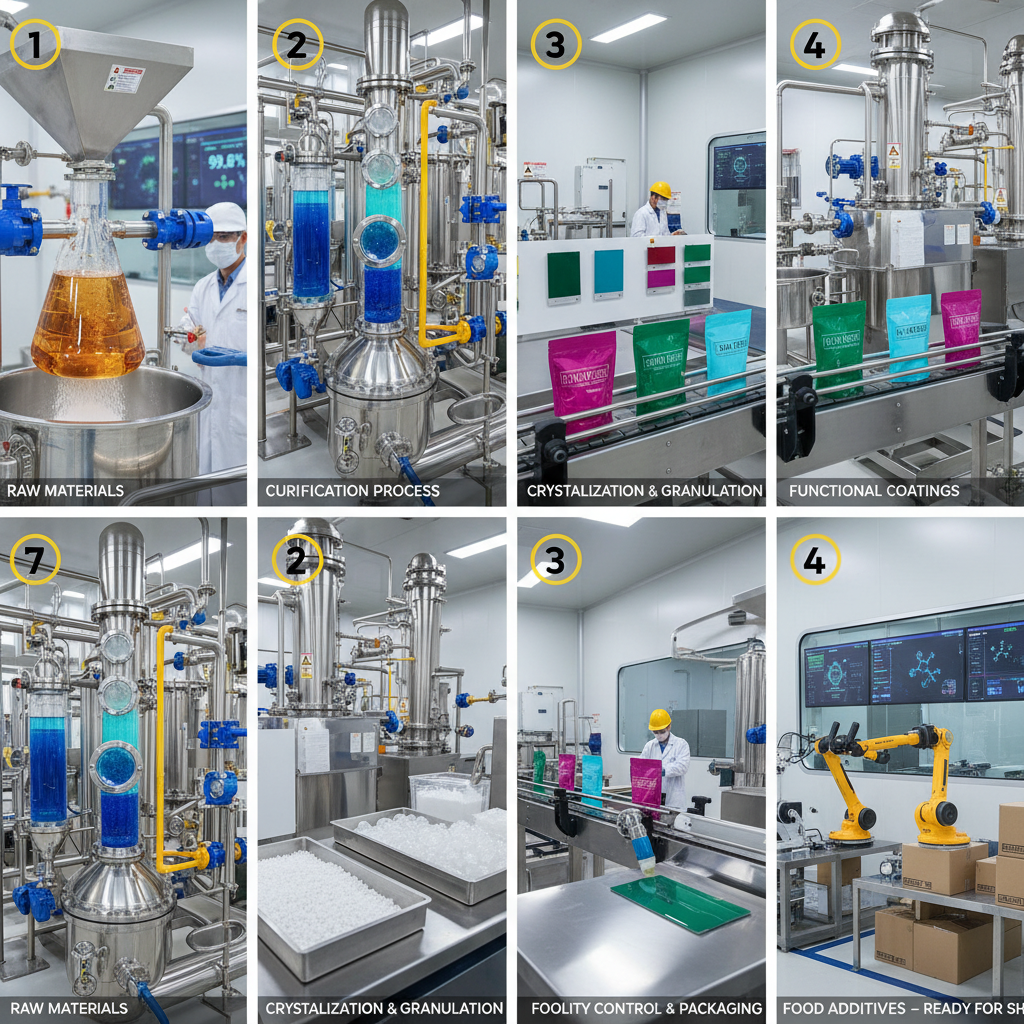
Core Analysis of Theme Seven

Additive Type Primary Function Regulatory Status (Global) Sustainability Rating (1-10)
Ascorbic Acid (Vitamin C) Antioxidant, Nutrient Enrichment Generally Recognized as Safe (GRAS) 9
Citric Acid Preservative, Flavor Enhancer Approved in most countries 8
Sodium Benzoate Preservative (Antimicrobial) Approved with limitations in some regions 6
Potassium Sorbate Preservative (Antimicrobial) Generally Accepted 7
Annatto Extract Natural Colorant Approved globally 8
Carrageenan Thickener, Stabilizer Approved with restrictions 5

FAQS

What are the primary benefits of using healthy food additives?

Healthy food additives offer a range of benefits, including improved food safety, extended shelf life, enhanced nutritional value, and consistent product quality. They enable efficient food production and distribution, making safe and affordable food accessible to a wider population. Additives are crucial for preserving food during transportation and storage, reducing waste and ensuring that food reaches consumers in optimal condition.

Are all food additives harmful to health?

No, not all food additives are harmful. In fact, many additives are naturally derived and beneficial. Regulatory bodies like the FDA and EFSA rigorously test and approve additives before they can be used in food, ensuring they meet strict safety standards. Concerns often arise from misinformation, but the vast majority of approved additives are considered safe for consumption within specified limits.

How can I identify which additives are in my food?

Food labels are required to list all ingredients, including additives. Additives are typically identified by their common name or a specific E number (in Europe). Online resources and consumer guides can help you understand what these additives are and their potential effects. Paying attention to ingredient lists empowers you to make informed choices about the food you consume.

What is the difference between natural and artificial additives?

Natural additives are derived from natural sources, such as plants, animals, or minerals, while artificial additives are synthesized in a laboratory. Both types of additives undergo rigorous testing and approval processes. The distinction often comes down to consumer preference, with many seeking out products containing natural ingredients. However, “natural” doesn't always equate to “safer” or “better”.

Are there any alternatives to using food additives?

While alternatives exist, they often come with trade-offs. For example, using traditional preservation methods like drying or salting can alter the taste and texture of food. Innovative technologies, such as high-pressure processing and pulsed electric fields, offer potential alternatives, but they can be expensive and may not be suitable for all food types. Additives often remain the most cost-effective and efficient solution for preserving food quality and safety.

How are food additives regulated to ensure safety?

Food additives are subject to strict regulation by agencies like the FDA in the United States and the EFSA in Europe. These agencies require extensive testing and scientific evidence to demonstrate the safety of an additive before it can be approved for use. Regulations also specify maximum permitted levels of additives in different food products. This ongoing monitoring ensures consumer protection.

Conclusion

Healthy food additives, despite often facing public scrutiny, are integral to modern food systems. They play a vital role in ensuring food safety, extending shelf life, improving nutritional value, and ultimately, making food more accessible to a growing global population. Understanding their function, regulation, and ongoing innovation is crucial for fostering a more sustainable and secure food future. healthy food additives aren't the enemy; they're a powerful tool when used responsibly.

Looking ahead, continued research and development of naturally derived additives, coupled with enhanced transparency and consumer education, will be key to building trust and overcoming misconceptions. Investing in innovative technologies and harmonizing global regulations will further strengthen the food supply chain and ensure that safe, nutritious food reaches everyone, everywhere.

Michael Thompson

Michael Thompson

Michael Thompson is a Research & Development Scientist specializing in feed additives. He holds a PhD in Animal Nutrition and has been with the company for 8 years, bridging academic research with practical applications. Michael focuses on formulating feed additives that enhance livestock health and growth. His work leverages university
Previous Understanding and Managing Incidental Food Additives for Enhanced Food Safety
Next Revolutionizing Construction with Innovative e Additives for Sustainable Building