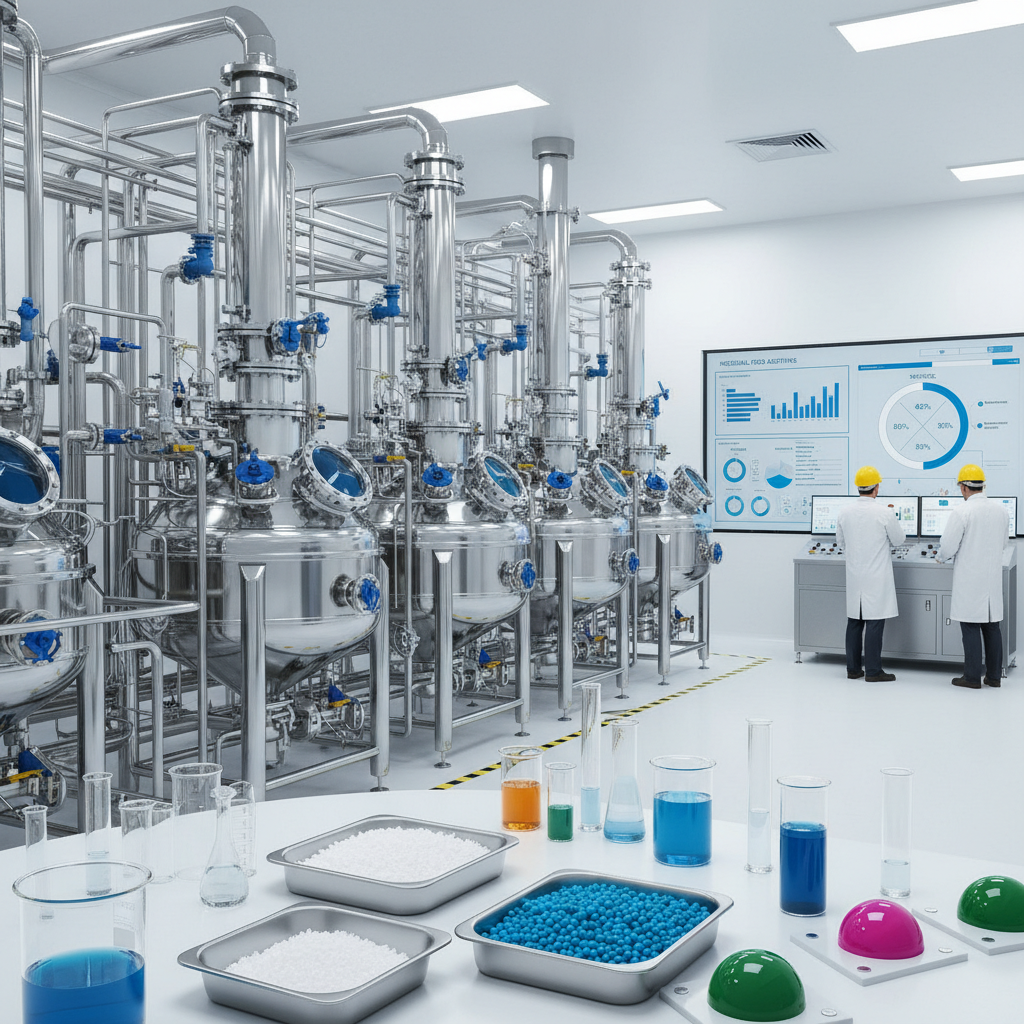
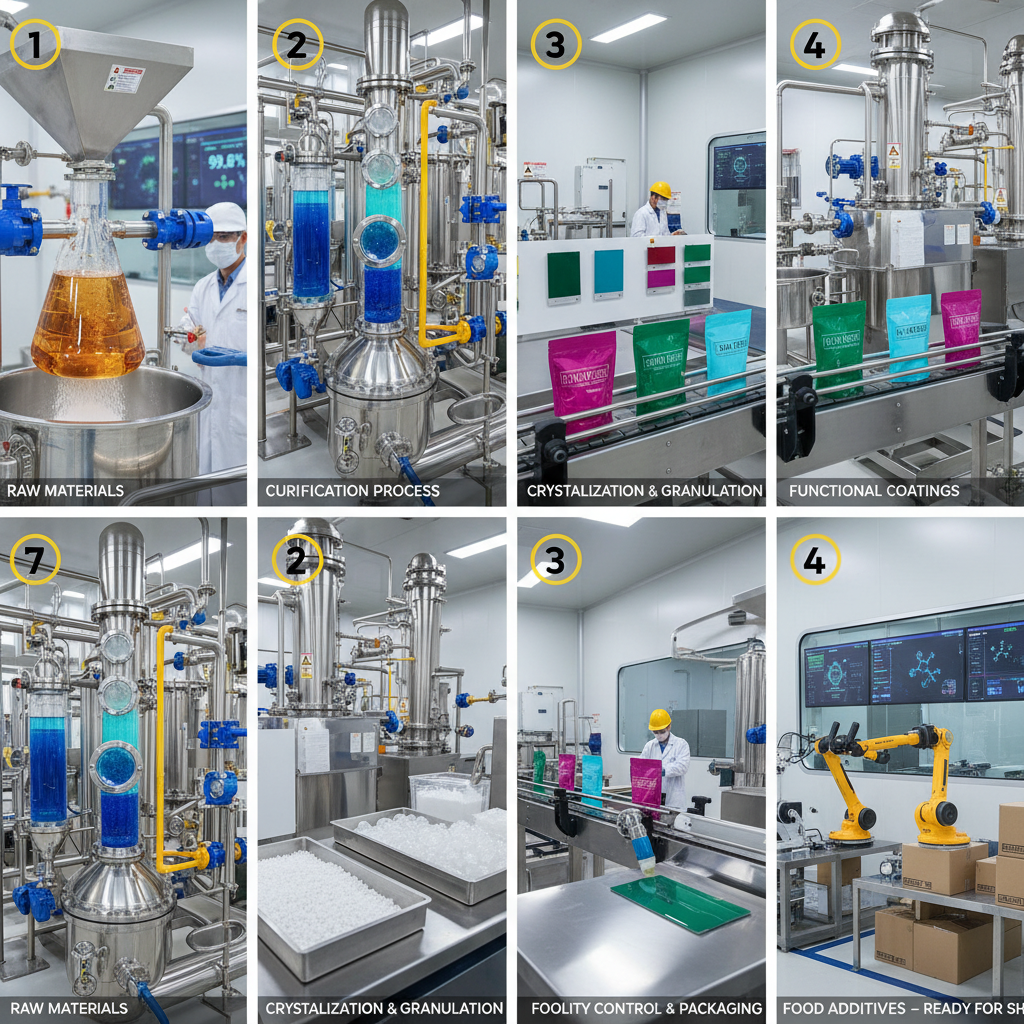
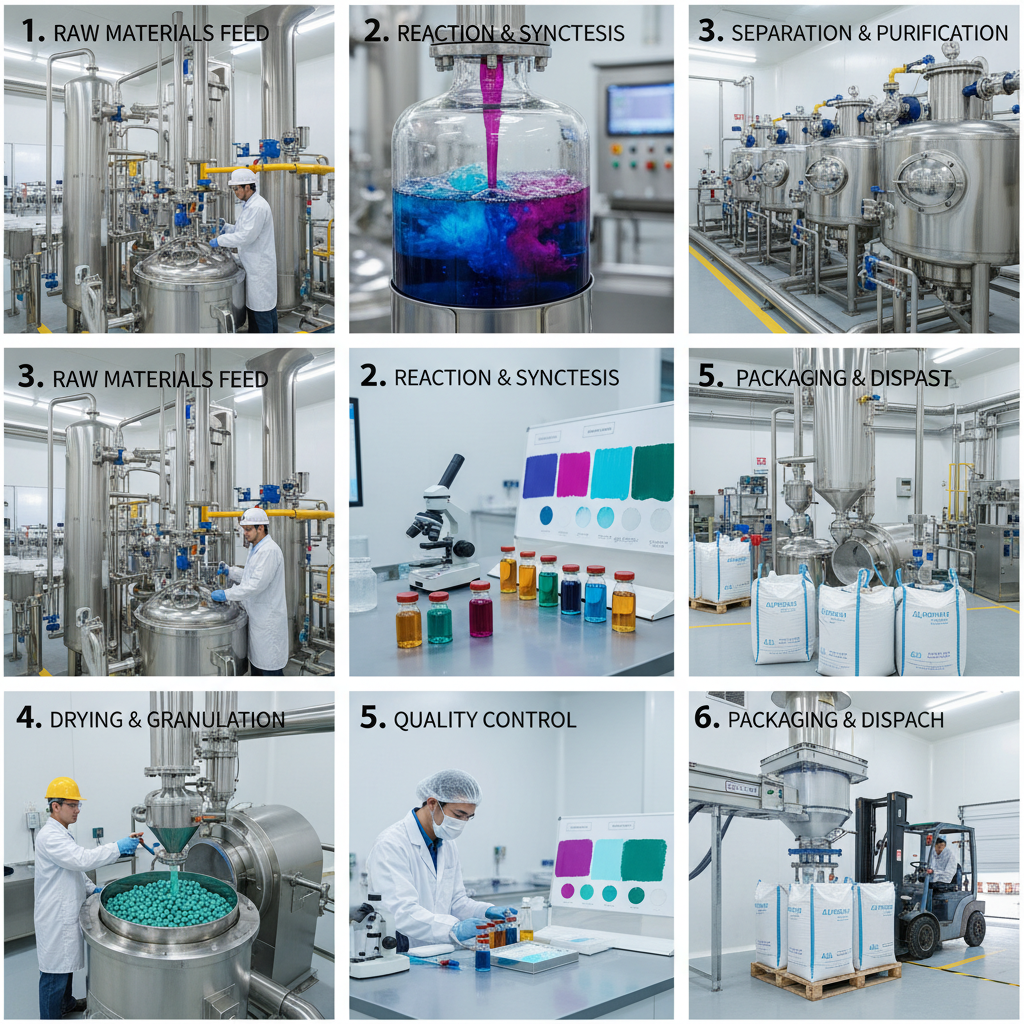
Incidental food additives, things you don't intentionally add but end up in your food during processing – that's what we're talking about. It’s a quiet corner of food science, but critically important. For decades, we’ve focused on what goes in intentionally, but the reality is, modern food production, especially at scale, almost always results in trace amounts of substances migrating from packaging, equipment, or even the environment. Understanding these isn't just about ticking regulatory boxes; it’s about building consumer trust and ensuring truly safe food systems globally.
The scale of the food industry makes this a big deal. We’re feeding over 8 billion people, and increasingly, that food is processed, packaged, and shipped across continents. The UN estimates that by 2050, we'll need to increase food production by 70% to meet demand. That kind of growth necessitates efficient processes, and with efficiency comes the unavoidable presence of incidental additives. Ignoring them isn't an option – it’s a risk to public health and potentially a massive disruption to supply chains.
It's not a glamorous side of the food business, I'll tell you that. Spending years on factory floors, dealing with the practical realities of metal surfaces, plastic conveyor belts, and the constant push for faster throughput, you see it firsthand. It's about recognizing that ‘perfect’ doesn’t exist, but ‘safe and manageable’ absolutely does. And managing these incidental substances is what it all comes down to.
The Importance of Incidental Food Additives
When you're dealing with high-volume food processing, you quickly learn that everything interacts. The materials used in equipment, the cleaning agents, even the ambient air – they all have the potential to contribute trace amounts of substances to the food. It’s not negligence, it’s just physics. Understanding the sources and pathways of these incidental food additives is the first step to controlling them. incidental food additives are often overlooked, but they're present in almost everything we eat.
This isn’t a fringe concern. Regulatory bodies worldwide are increasing their scrutiny of these substances. It's driven by advances in analytical chemistry – we can now detect things at parts per billion levels. That means even minimal migration is detectable, and manufacturers need to be prepared to demonstrate compliance and, more importantly, safety.
Global Context and Industry Relevance
The World Bank estimates that the global food processing industry is a multi-trillion dollar market. That scale demands standardized processes and materials. The use of stainless steel, various polymers, and specialized coatings is ubiquitous, and each of these materials can contribute incidental additives. Countries with developing food industries often face a greater challenge because they may rely on older equipment or lack robust testing infrastructure.
ISO standards play a crucial role, but compliance isn’t always straightforward. Standards define acceptable limits, but the detection and quantification of these substances can be complex and expensive. There’s a real need for more accessible and affordable testing methods, particularly for smaller and medium-sized food producers. It's about leveling the playing field and ensuring everyone can meet basic safety standards.
I've seen firsthand how this plays out in different parts of the world. In some regions, the focus is purely on meeting export requirements, while in others, there’s a growing awareness among consumers demanding greater transparency about the additives in their food, even the incidental ones.
Defining Incidental Food Additives
Simply put, incidental food additives are substances that are not intentionally added to food but end up there as a result of processing, packaging, or environmental contamination. These can include residues from cleaning agents, components that migrate from packaging materials (like plasticizers from plastics or epoxies from can linings), lubricants used in machinery, or even trace metals from equipment wear.
The key distinction is intent. A preservative is intentionally added. A tiny amount of phthalate that migrates from plastic packaging is incidental. This distinction impacts regulation and testing requirements. It connects to the modern food industry because the more processed the food, the greater the potential for incidental additives to be present. And in humanitarian needs, ensuring the safety of packaged food aid is crucial – minimizing incidental additives becomes a matter of public health.
From a practical standpoint, managing these additives requires a deep understanding of the entire food production chain, from raw material sourcing to final packaging. It's not enough to just test the finished product; you need to assess the potential sources of contamination at every stage.
Key Factors in Managing Incidental Additives
Managing incidental food additives isn’t a one-size-fits-all solution. There are several core factors that play a crucial role. First, Material Selection. Choosing food-grade materials for equipment and packaging is paramount. This means understanding the composition of plastics, metals, and coatings and their potential to leach substances into food. Second, Process Control. Optimizing cleaning procedures, minimizing equipment wear, and carefully controlling temperatures can all reduce the levels of incidental additives.
Third, Analytical Capabilities. Having access to accurate and reliable testing methods is essential for monitoring incidental additive levels and verifying compliance. Fourth, Supply Chain Transparency. Knowing the origin and composition of all materials used in the food production process is critical for identifying potential sources of contamination. These all tie into making the whole system work—it's more than just a checklist.
Comparative Analysis of Incidental Additive Migration Methods
Real-World Applications and Use Cases
In post-disaster relief operations, ensuring the safety of food aid is paramount. Using packaging materials with low migration potential for shelf-stable foods is vital. In remote industrial zones, where access to fresh food is limited, processed foods become a staple. Managing incidental additives in these products is crucial for the long-term health of workers.
The baby food industry is particularly sensitive to this issue, given the vulnerability of infants. Stringent testing and material selection are essential to minimize exposure to any potential contaminants. The canning industry also faces ongoing challenges with bisphenol A (BPA) migration, and is actively exploring alternative lining materials.
Advantages and Long-Term Value
Effectively managing incidental food additives isn't just about avoiding legal issues – it’s about building a sustainable food system. Reduced contamination leads to higher quality products, improved consumer trust, and a stronger brand reputation. From a cost perspective, proactive management can prevent expensive recalls and legal settlements.
There's also a social impact. Ensuring food safety builds confidence in the food supply, particularly for vulnerable populations. Innovation in packaging materials and processing technologies can lead to safer and more sustainable food options. And, crucially, it fosters a culture of transparency and responsibility within the industry.
Future Trends and Innovations
We're seeing a lot of focus on bio-based and biodegradable packaging materials. These materials offer the potential to reduce migration of harmful substances, but they also come with their own set of challenges in terms of performance and cost. Digital technologies, like blockchain, are being explored to improve supply chain traceability and ensure the authenticity of materials.
Automation and AI are also playing a role, with sensors and data analytics being used to monitor processing conditions and predict potential contamination risks. The move towards circular economy principles, where materials are reused and recycled, will require careful consideration of incidental additive accumulation and potential transfer.
The push for “smart packaging” - packaging with integrated sensors that can detect spoilage or contamination – will also play a role in managing incidental additives, providing real-time data on food safety.
Table Summarizing Key Considerations for Incidental Additive Management
| Contamination Source |
Typical Incidental Additive |
Mitigation Strategy |
Monitoring Frequency |
| Packaging Materials (Plastics) |
Phthalates, Bisphenol A |
Switch to alternative materials (e.g., glass, bio-plastics), barrier coatings. |
Quarterly |
| Equipment Surfaces (Stainless Steel) |
Nickel, Chromium |
Regular polishing, passivization treatments, use of food-grade lubricants. |
Monthly |
| Cleaning and Sanitizing Agents |
Residues from detergents, disinfectants |
Thorough rinsing protocols, use of food-grade sanitizers. |
After each cleaning cycle |
| Conveyor Belts |
Wear particles from belt materials |
Regular inspection and replacement of worn belts, proper lubrication. |
Semi-Annually |
| Ambient Air |
Particulate matter, volatile organic compounds |
Air filtration systems, controlled environment processing. |
Annually |
| Water Supply |
Mineral residues, dissolved metals |
Water purification systems, regular water quality testing. |
Bi-Annually |
FAQS
The main sources include packaging materials (plastics, coatings), processing equipment (stainless steel, machinery parts), cleaning and sanitizing agents, and even the ambient environment. Wear and tear on equipment, leaching from packaging, and residues from cleaning are all common pathways. Managing these requires a holistic view of the entire production process.
Analytical testing is key. Specific methods are required to identify and quantify these substances, as they are present in trace amounts. You'll need to engage a certified food testing laboratory that has the appropriate equipment and expertise. Regular monitoring and risk assessments are also important.
Regulations vary by country. In the US, the FDA regulates these through its overall food safety standards. In the EU, EFSA provides guidelines. It’s crucial to understand the specific requirements for your target market and ensure compliance with all applicable regulations. These are often evolving, so staying informed is essential.
Not necessarily. While bio-based materials can offer advantages, they are not inherently free from the potential for migration. They can still contain substances that can leach into food. Thorough testing is required to assess the safety of any packaging material, regardless of its origin. It's about understanding the specific composition and barrier properties.
Prioritize food-grade materials, implement robust cleaning procedures, regularly inspect and maintain equipment, control processing temperatures, and conduct regular testing. Also, focus on supply chain transparency to ensure you know the composition of all materials used in your production process.
Follow regulatory agencies like the FDA and EFSA, subscribe to industry publications and newsletters, attend food safety conferences, and engage with experts in the field. Continuous learning is critical in this rapidly evolving area.
Conclusion
Incidental food additives represent a complex, but manageable, aspect of modern food production. Ignoring them isn't an option; proactive management is vital for ensuring food safety, building consumer trust, and fostering a sustainable food system. From careful material selection to rigorous testing and continuous monitoring, a comprehensive approach is essential.
The future lies in innovation – developing safer packaging materials, improving analytical techniques, and embracing digital technologies to enhance traceability and control. By investing in these areas, we can minimize the risks associated with incidental additives and ensure a safe, healthy, and reliable food supply for generations to come. For more information and resources, visit our website: incidental food additives.