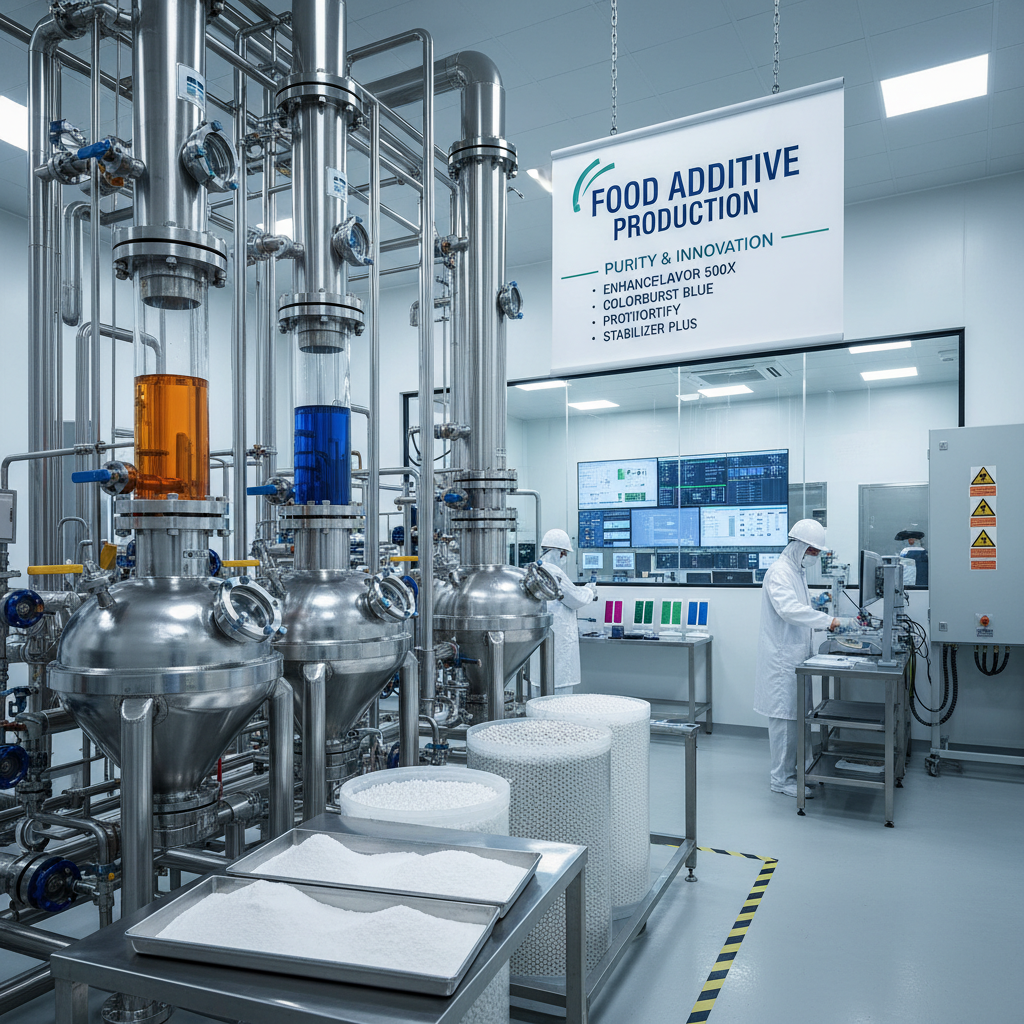
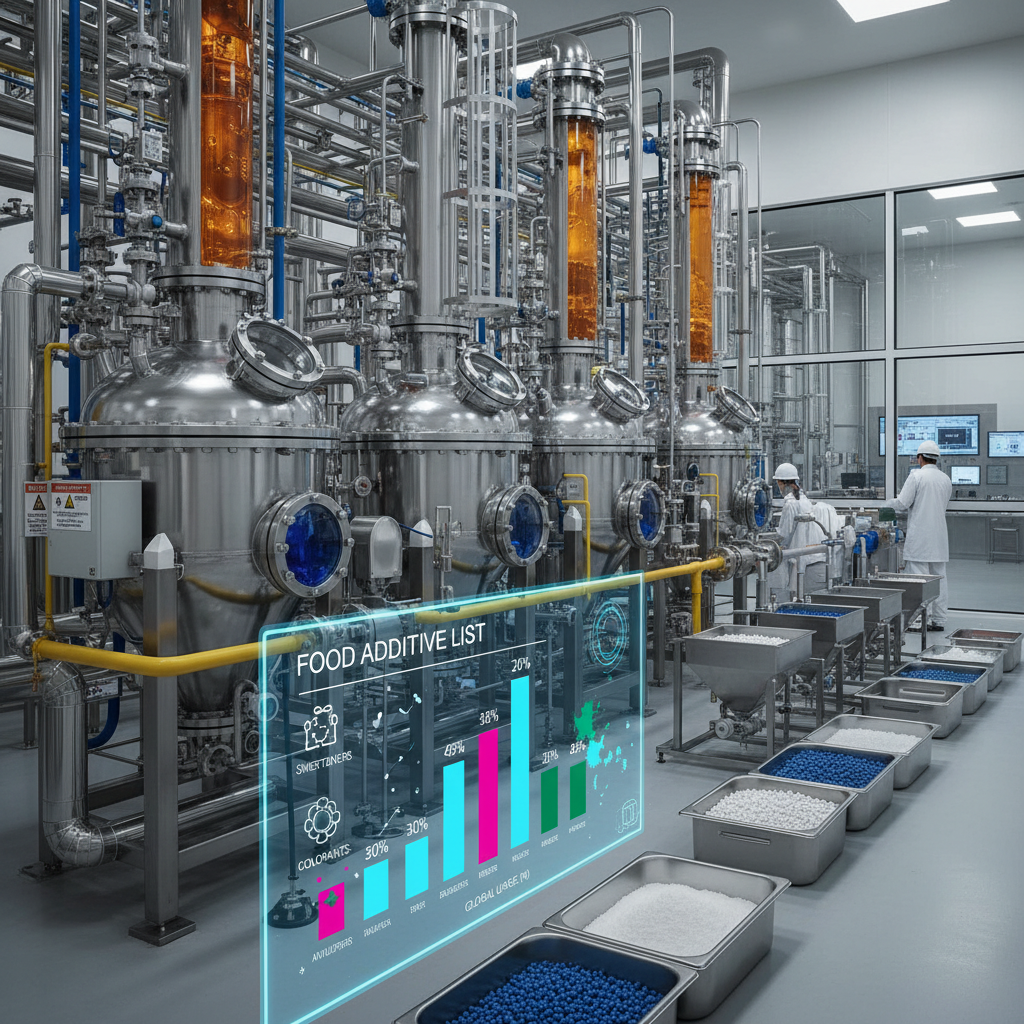
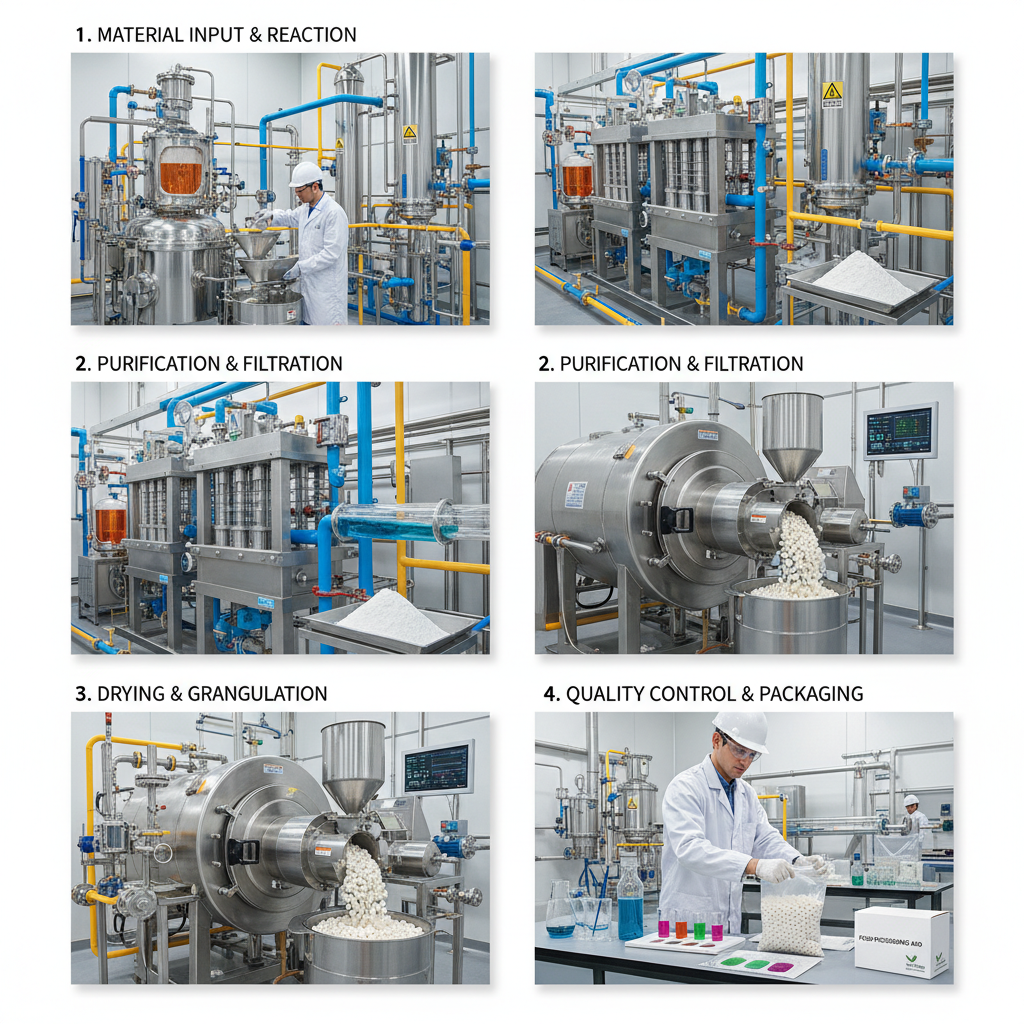
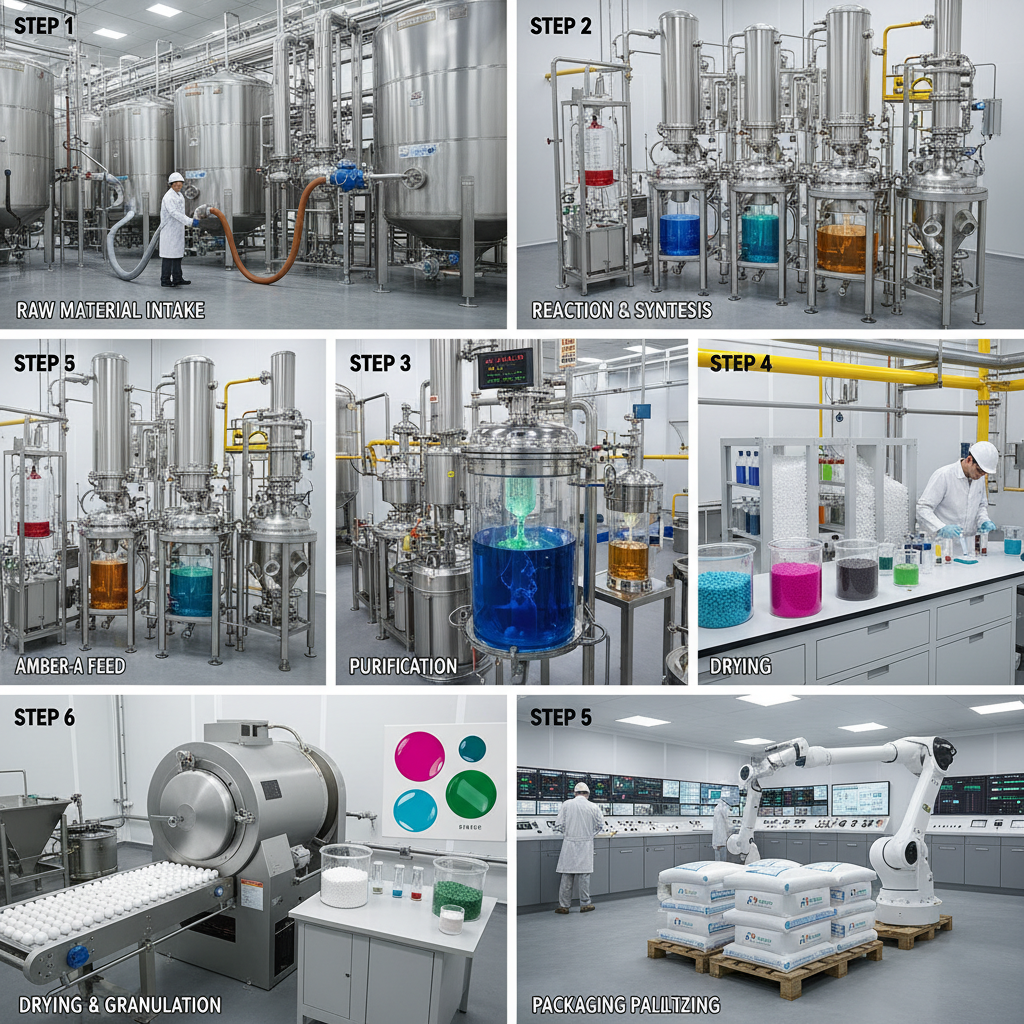
Navigating the complex landscape of modern food production requires a precise understanding of a comprehensive food additive list. These substances are not merely industrial shortcuts but are essential tools that ensure food safety, enhance nutritional profiles, and maintain the sensory appeal of products that travel thousands of miles from factory to table. By leveraging a standardized list, manufacturers can maintain consistency in taste and texture while meeting rigorous international safety standards.
Globally, the reliance on a structured food additive list has grown as urban populations increase and the demand for processed, long-shelf-life foods rises. The ability to precisely control the chemical composition of food allows for the reduction of waste and the stabilization of food supplies in regions prone to volatility. This systematic approach transforms the art of cooking into a science of precision, ensuring that every batch produced meets the exact specifications required for consumer satisfaction.
Understanding the nuances of a food additive list is critical for quality control officers, food chemists, and regulatory compliance teams. Whether it is preventing oxidation in oils or enhancing the elasticity of baked goods, the strategic selection of additives defines the commercial success of a product. As transparency becomes a priority for consumers, the ability to accurately categorize and disclose these ingredients is paramount for building brand trust and operational excellence.
Global Relevance of the Food Additive List
In the context of global trade, a standardized food additive list acts as a universal language between exporters and importers. Organizations such as the Codex Alimentarius Commission (established by the FAO and WHO) provide the groundwork for these lists, ensuring that additives used in one country are recognized as safe in another. This harmonization is vital for reducing trade barriers and preventing the shipment of non-compliant food products across borders.
The economic impact of adhering to a rigorous food additive list is substantial. By optimizing the use of preservatives and stabilizers, companies can significantly extend the shelf life of perishable goods, which in turn reduces global food waste—a critical goal for the UN Sustainable Development Goals. When manufacturers utilize a precise list of approved substances, they minimize the risk of costly product recalls and legal disputes, ensuring a stable supply chain from the factory floor to the retail shelf.
Defining the Modern Food Additive List
At its most basic level, a food additive list is a comprehensive directory of substances added to food to maintain or improve its safety, freshness, taste, texture, or appearance. Unlike primary ingredients, additives are used in small quantities to achieve specific technical effects. This includes everything from acidity regulators that prevent spoilage to emulsifiers that keep oil and water from separating in sauces, creating a seamless consumer experience.
Modern lists are far more than just a collection of chemicals; they are integrated safety frameworks. Each entry in a professional food additive list is typically associated with an "INS number" (International Numbering System), which allows for precise identification regardless of the language used on the packaging. This systemic approach ensures that pharmaceutical intermediates used as precursors are handled with the same rigor as the final additive.
The intersection of these lists with humanitarian needs is particularly evident in the production of fortified foods. By adding essential vitamins and minerals to staple crops—guided by an approved food additive list—global health organizations can combat malnutrition in underdeveloped regions. Thus, the list serves a dual purpose: it is both a commercial tool for the food industry and a critical instrument for public health improvement.
Core Components of Additive Classification
The first core component of any professional food additive list is Functional Classification. Additives are grouped by their purpose: preservatives prevent microbial growth, antioxidants stop fats from becoming rancid, and stabilizers maintain the physical state of the food. This allows developers to quickly identify which category of substance is needed to solve a specific stability problem in their formulation.
Another critical pillar is the ADI (Acceptable Daily Intake) measurement. Every item on a food additive list must have a scientifically determined safety threshold. This ensures that even with the daily consumption of multiple processed foods, the total intake of a specific additive remains well within the safety margins established by toxicological research and regulatory bodies like the EFSA or FDA.
Finally, Purity Standards define the quality of the additive itself. A high-quality food additive list doesn't just name the substance but specifies the required purity level, limiting the presence of heavy metals or unintended by-products. This is where the synergy between food additives and pharmaceutical intermediates becomes clear, as both require high-precision synthesis to ensure consumer safety.
Industrial Applications and Use Cases
In real-world industrial settings, the application of a food additive list varies by sector. In the beverage industry, hydrocolloids from the list are used to provide "mouthfeel" and prevent sedimentation in fruit juices. In the meat processing sector, curing agents are selected from the list to prevent the growth of botulism while maintaining the characteristic pink color of cured hams, demonstrating how technical lists translate into tangible food safety.
Beyond standard commercial production, these lists are vital in specialized contexts such as post-disaster relief operations. When NGOs distribute high-calorie, nutrient-dense pastes to famine-stricken areas, they rely on a specific food additive list to ensure these products remain stable in extreme heat without refrigeration, proving that additive science is a cornerstone of global food security.
Comparative Efficiency of Food Additive List Categories
Long-Term Value and Safety Benefits
The long-term value of maintaining a strict food additive list extends beyond mere profit; it is about establishing systemic reliability. When a company can prove its adherence to an approved list, it builds an emotional bond of trust with the consumer. This reliability transforms a simple product into a dependable household staple, reducing the perceived risk associated with "processed foods" through transparency and rigorous science.
From a sustainability perspective, the strategic use of additives reduces the environmental footprint of the food industry. By extending the lifecycle of food, the demand for overproduction is lowered, and the carbon emissions associated with food spoilage and waste disposal are significantly mitigated. The logical result is a more efficient food system where innovation in the additive list leads to a more dignified and secure food supply for the global population.
Future Innovations in Additive Science
The future of the food additive list is leaning heavily toward "Clean Label" initiatives. Digital transformation is allowing scientists to use AI-driven molecular modeling to find natural alternatives to synthetic additives. We are seeing a shift where traditional chemical stabilizers are being replaced by plant-based proteins and fermented extracts, bridging the gap between industrial efficiency and the consumer's desire for natural ingredients.
Automation in the manufacturing process is also refining how these additives are applied. Precision dosing systems, integrated with real-time sensors, ensure that the absolute minimum amount of a substance from the food additive list is used to achieve the desired effect. This "minimalist" approach not only reduces costs but also aligns with the latest health trends that prioritize the reduction of unnecessary additives in the diet.
Furthermore, the integration of green chemistry is transforming how pharmaceutical intermediates are produced for the food industry. By utilizing bio-catalysis and sustainable solvents, the production of additives is becoming carbon-neutral. This evolution ensures that the tools we use to preserve food today do not compromise the health of the planet for future generations.
Challenges and Solutions in Implementation
One of the primary challenges in implementing a food additive list is the discrepancy between regional regulations. An additive permitted in the USA might be restricted in the EU, creating a logistical nightmare for global brands. The solution lies in the adoption of "Global Compliance Matrices," where companies map their additive lists against multiple regulatory frameworks simultaneously to ensure a single formula can be sold in multiple markets.
Another limitation is the consumer's lack of understanding, which often leads to "chemophobia"—an irrational fear of any ingredient with a scientific name. To overcome this, industry leaders are moving toward educational labeling. Instead of simply listing a code, brands are explaining the function of the additive (e.g., "Citric Acid for Freshness"), thereby transforming a technical list into a tool for consumer empowerment.
Finally, maintaining the purity of additives in large-scale production remains a hurdle. The solution is the implementation of Blockchain-based traceability. By tracking every ingredient from the pharmaceutical intermediate stage to the final food additive list entry, companies can guarantee an unbroken chain of custody and purity, eliminating the risk of contamination in the supply chain.
Analysis of Food Additive Implementation across Different Product Categories
| Product Category |
Primary Additive Goal |
Regulatory Strictness |
Stability Score (1-10) |
| Bakery Products |
Texture & Volume |
Moderate |
8 |
| Dairy & Alternatives |
Emulsification |
High |
9 |
| Processed Meats |
Microbial Control |
Very High |
10 |
| Beverages |
Flavor Stabilization |
Moderate |
7 |
| Confectionery |
Color & Sweetness |
Low |
9 |
| Frozen Foods |
Cryoprotection |
High |
8 |
FAQS
A food additive list focuses on substances added to maintain the physical and chemical properties of the food (like preservatives or emulsifiers), whereas a supplement list focuses on adding nutrients (like vitamins or minerals) to provide a health benefit. While some overlap exists, additives are primarily technical, while supplements are nutritional.
Yes, provided they are used within the Acceptable Daily Intake (ADI) limits. Every substance on an approved food additive list undergoes rigorous toxicological testing by global authorities to ensure that they do not pose a health risk when consumed at the levels typically found in the human diet.
Differences arise from varying dietary habits, cultural preferences, and differing interpretations of toxicological data. For example, some colors permitted in the US may require a warning label in the EU. This is why global manufacturers use a cross-referenced list to maintain compliance across different jurisdictions.
Absolutely. Many entries on the food additive list are derived from natural sources, such as pectin from citrus peels or lecithin from soybeans. "Natural" doesn't mean "no additives"; it means the additives used are sourced from nature rather than synthesized in a lab.
The lists are updated continuously as new scientific research emerges. When a substance is found to have a higher risk profile, it is restricted or removed; conversely, new, safer, and more efficient alternatives are added after undergoing a rigorous safety approval process.
Many food additives are complex molecules that require a multi-step synthesis process. Pharmaceutical intermediates serve as the high-purity raw materials needed to create the final additive. Ensuring the purity of these intermediates is the only way to guarantee that the final product on the food additive list is free from contaminants.
Conclusion
The strategic application of a food additive list is the invisible backbone of the modern food industry, balancing the need for mass-market scalability with the uncompromising requirements of food safety and quality. By integrating functional classification, strict ADI limits, and purity standards, manufacturers can create products that are not only delicious and consistent but also safe for global consumption. From reducing food waste to combating malnutrition, the science of additives serves a purpose far beyond mere commercial interest.
Looking forward, the industry must continue to embrace transparency and the "Clean Label" movement, leveraging digital transformation to replace synthetic components with sustainable, natural alternatives. For businesses looking to excel in this competitive landscape, the key lies in the meticulous selection and application of additives that align with both regulatory mandates and consumer values. To explore high-quality solutions for your production needs, visit our website: www.chinaseasoning.com