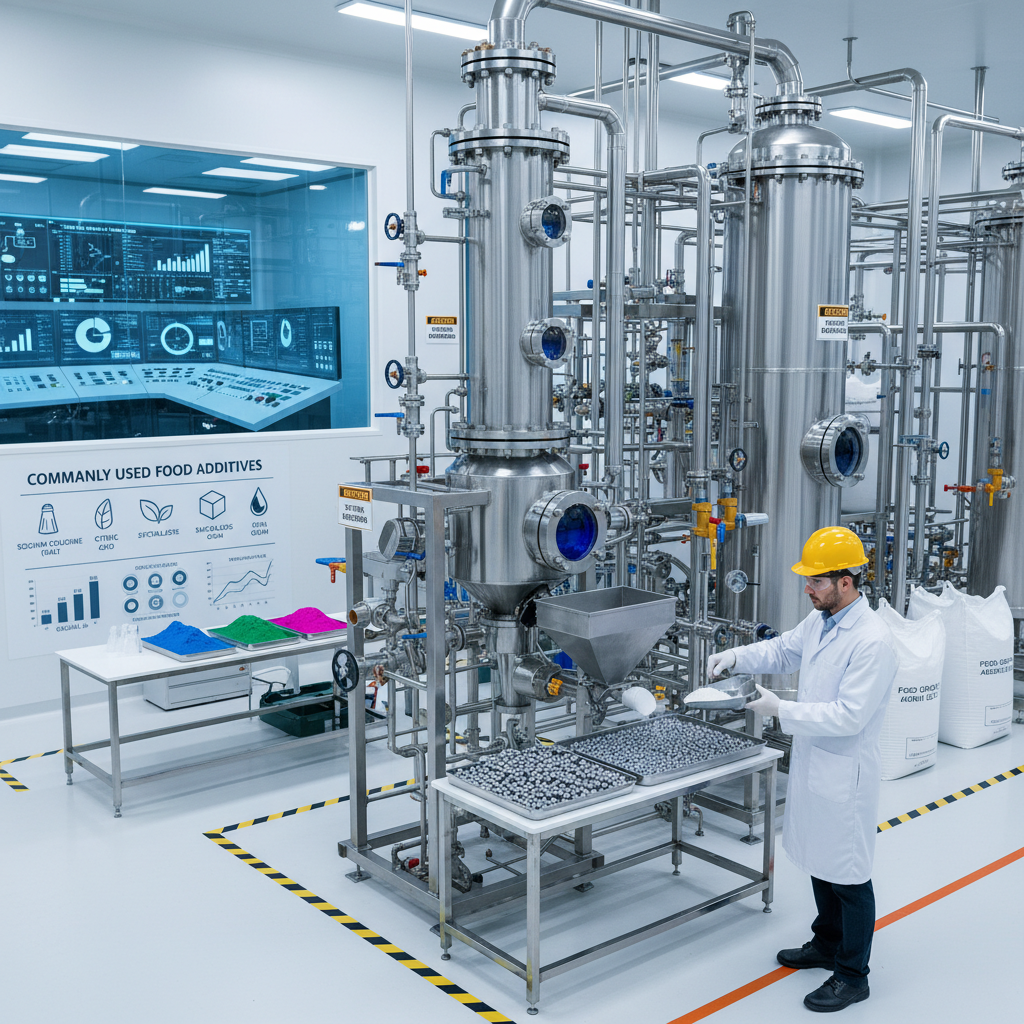
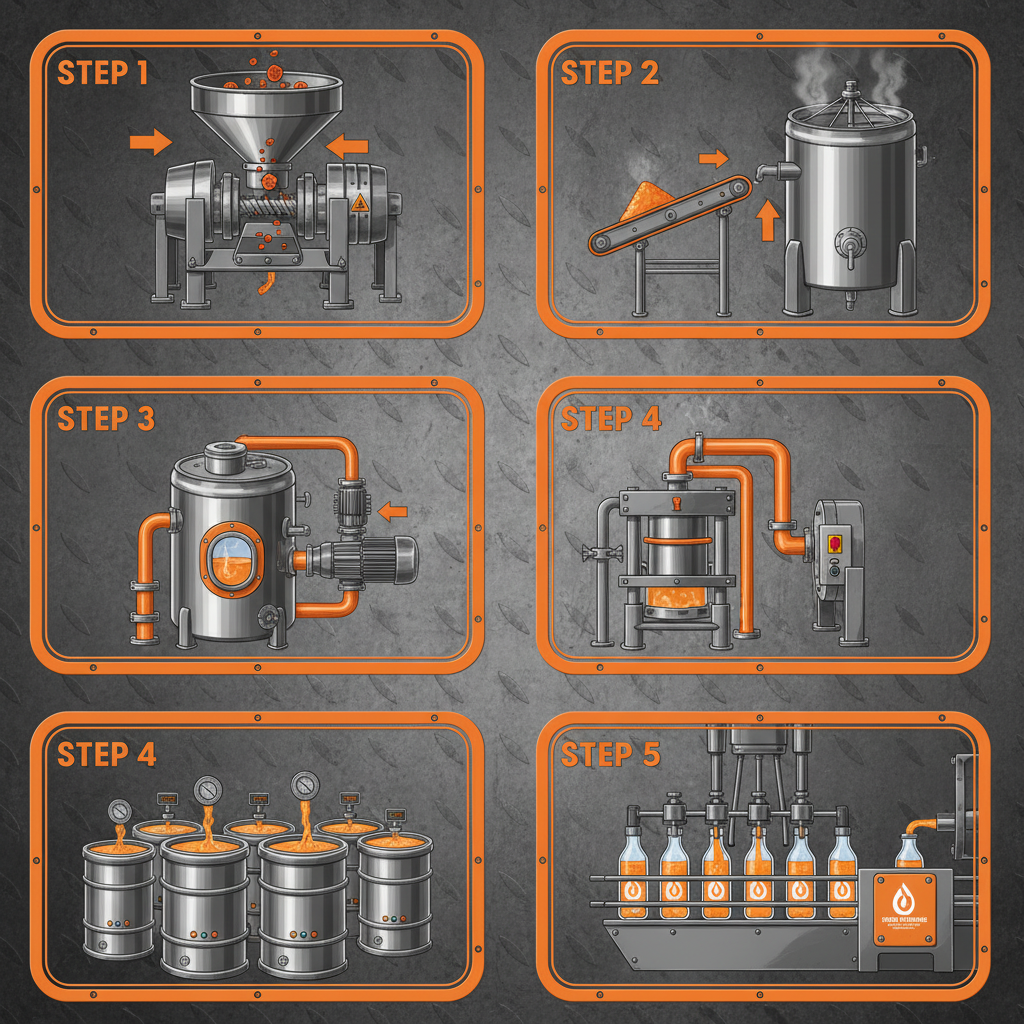
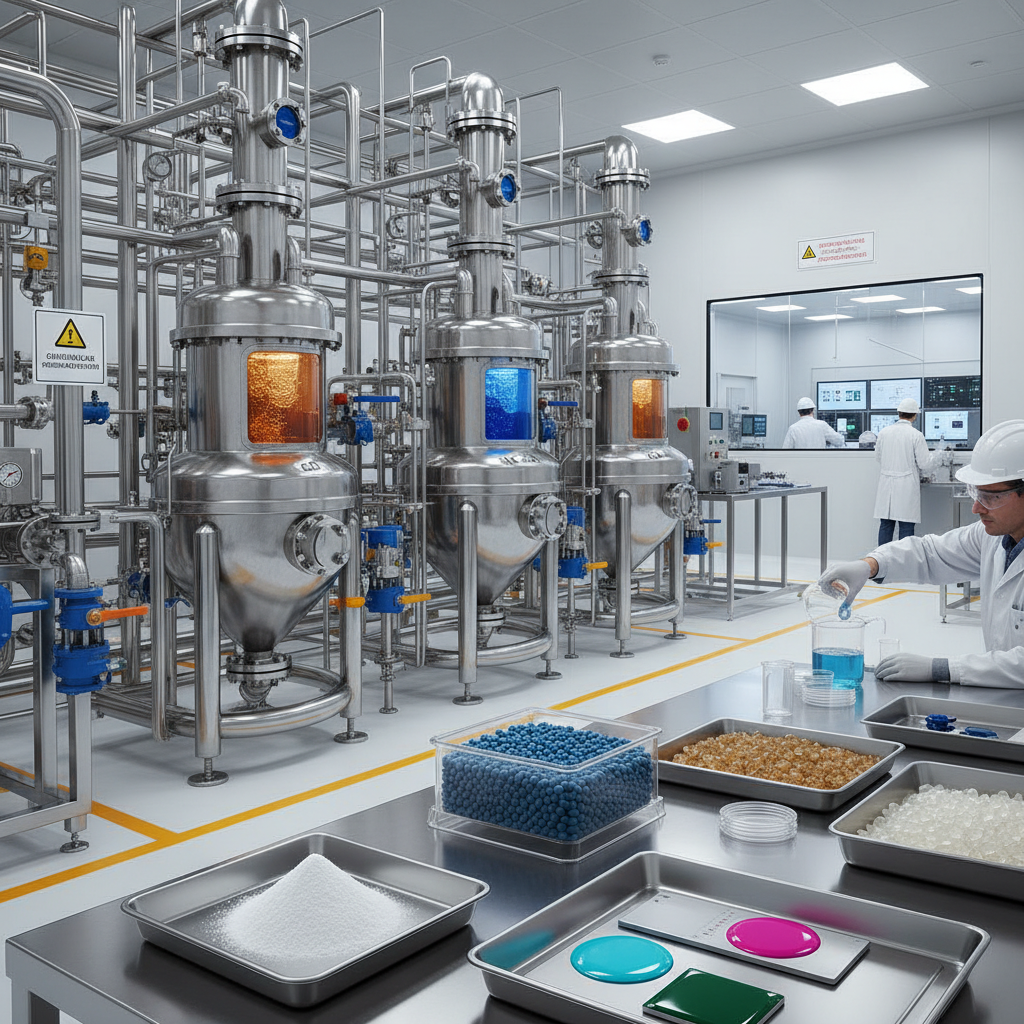
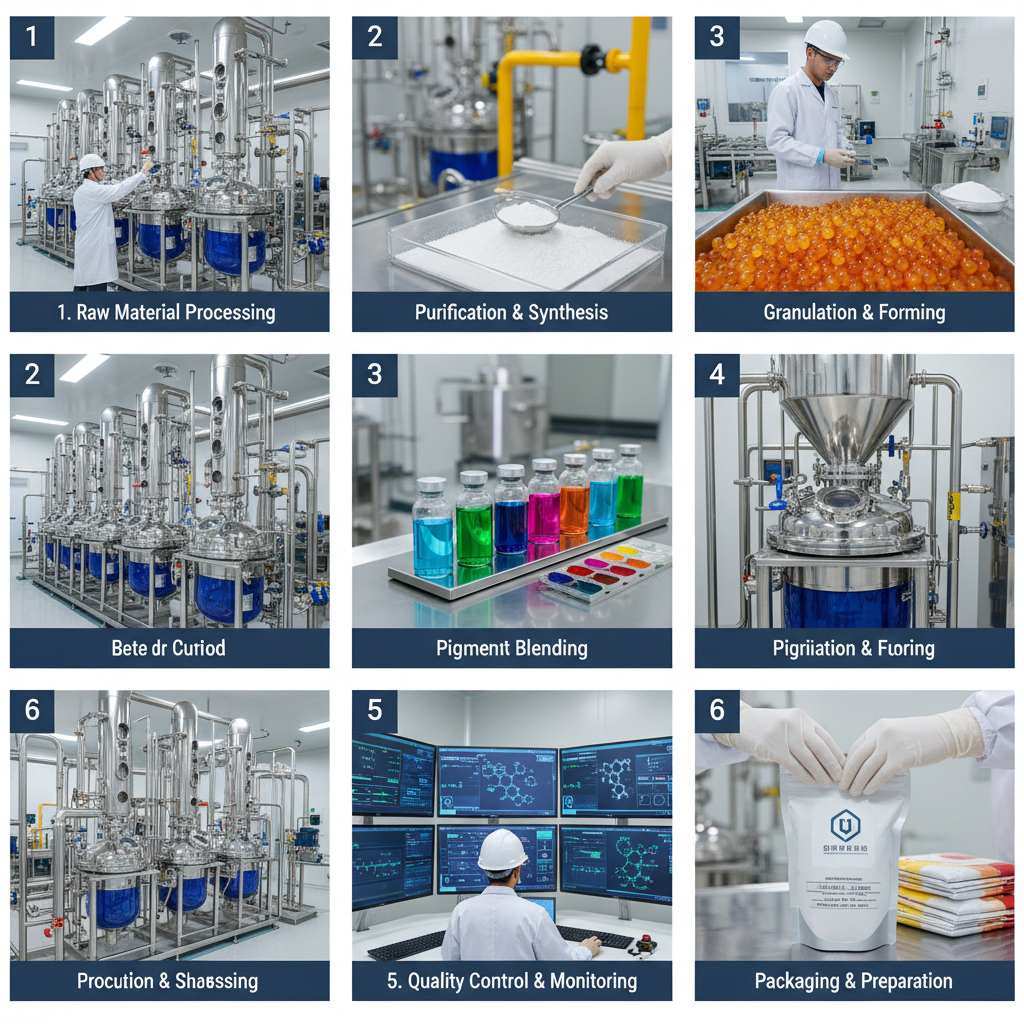
Commonly used food additives are substances added to food to preserve flavor or enhance its taste, appearance, or other qualities. These additives have become a cornerstone of the modern food industry, enabling large-scale production, extended shelf life, and enhanced nutritional value. Understanding their role is crucial in a world increasingly reliant on processed foods, as it impacts consumer health, food safety regulations, and global food security. commonly used food additives are fundamental to maintaining the accessibility and affordability of the food supply.
The global food additive market is experiencing significant growth, driven by factors such as rising consumer demand for convenient foods, increasing urbanization, and evolving regulatory standards. According to the Food and Agriculture Organization of the United Nations (FAO), a substantial portion of the world's food supply relies on the effective use of food additives to prevent spoilage and ensure safety. The World Bank estimates that improving food preservation techniques, including the use of additives, can significantly reduce post-harvest losses, particularly in developing countries. This directly impacts food availability and economic stability.
The widespread implementation of commonly used food additives addresses a critical challenge: the need to feed a growing global population while minimizing waste and maintaining food quality. They facilitate the distribution of food across vast distances and extend its usability, making a diverse and affordable diet accessible to more people. This is particularly vital in regions with limited infrastructure or challenging climatic conditions, where preserving food is paramount.
Introduction to Commonly Used Food Additives
The landscape of food production is fundamentally shaped by commonly used food additives. From preserving freshness to enhancing flavors, these substances play a critical role in the food we consume daily. Understanding their purpose and regulation is paramount for both consumers and industry professionals. They are not simply about altering taste; they are about ensuring food safety, extending shelf life, and maintaining the quality of a vast and complex global food supply.
Effective application of commonly used food additives goes beyond simply adding a chemical compound to food. It requires a deep understanding of food chemistry, microbiology, and regulatory guidelines. The appropriate use of these additives can minimize foodborne illnesses, reduce food waste, and enhance the overall nutritional value of processed foods, contributing to public health and sustainability.
The Global Relevance of Food Additives
The demand for commonly used food additives is inextricably linked to global population growth and changing dietary habits. As the world population continues to rise, so too does the need for efficient and scalable food production methods. Food additives enable the preservation and distribution of food across long distances, connecting producers and consumers in a complex global network. This is particularly important in addressing food security concerns in vulnerable regions.
International organizations like the World Health Organization (WHO) and the FAO play a crucial role in setting standards and guidelines for the safe use of food additives. These guidelines are based on rigorous scientific evaluations and aim to protect consumer health while facilitating global trade. Harmonization of regulations across different countries is an ongoing challenge, but essential for ensuring the safety and integrity of the global food supply chain.
The economic impact of commonly used food additives is substantial. They enable the processing of raw materials into value-added products, creating jobs and stimulating economic growth. Furthermore, by reducing food waste, they contribute to cost savings for both producers and consumers. A reliable supply of safe and affordable food is a cornerstone of economic stability and social well-being.
Defining Commonly Used Food Additives
Commonly used food additives are carefully selected substances that are intentionally added to food to achieve a specific technical effect. These effects can range from preserving freshness and preventing spoilage to enhancing flavor, color, and texture. It's important to understand that not all additives are artificial; many are derived from natural sources, such as plant extracts or microbial fermentation.
The classification of commonly used food additives is diverse, encompassing preservatives, antioxidants, coloring agents, flavoring agents, emulsifiers, stabilizers, and sweeteners. Each category serves a distinct purpose and is subject to rigorous testing and regulation to ensure safety and efficacy. They connect directly to modern food processing, allowing for scalable production and consistent product quality.
The use of commonly used food additives is intrinsically linked to modern industrial food systems. Before the advent of large-scale food processing, preservation techniques were limited to methods like salting, drying, and fermentation. While these methods are still utilized, the addition of specific additives allows for greater control over food quality, safety, and shelf life, meeting the demands of a modern consumer base.
Key Factors in Food Additive Application
Durability is a primary factor in the selection of commonly used food additives. The ability to extend shelf life and prevent spoilage is critical for minimizing food waste and ensuring food security, especially in regions with limited refrigeration infrastructure. Additives that offer long-term preservation are highly valued in supply chains.
Cost-efficiency is another crucial consideration. While efficacy is paramount, the economic viability of using a particular additive plays a significant role in its adoption by food manufacturers. Additives that offer a high return on investment, balancing cost with performance, are more likely to be widely used.
Effectiveness of Commonly Used Food Additives
Global Applications & Use Cases
In post-disaster relief operations, commonly used food additives play a crucial role in extending the shelf life of emergency food supplies, ensuring that aid reaches those in need quickly and safely. Preservatives and packaging technologies that incorporate additives are essential for maintaining the nutritional value of food during transport and storage in challenging conditions.
Across the seafood industry, commonly used food additives are integral to preserving the quality and extending the shelf life of products transported globally. This allows for a wider variety of seafood to be available to consumers worldwide, supporting economic opportunities for fishing communities.
Advantages and Long-Term Value
The primary advantage of commonly used food additives is their ability to reduce food waste. By extending shelf life and preserving food quality, they minimize losses throughout the supply chain, contributing to sustainability and economic efficiency. This reduction in waste translates to cost savings for producers, retailers, and consumers.
Beyond economic benefits, commonly used food additives contribute to public health by preventing foodborne illnesses. Proper preservation techniques, facilitated by additives, inhibit the growth of harmful bacteria and pathogens, ensuring that food is safe for consumption. This builds trust between consumers and the food industry, fostering a more reliable and sustainable food system.
Future Trends & Innovations
Research into natural and bio-based commonly used food additives is gaining momentum. Consumers are increasingly demanding products with “clean label” ingredients, driving the development of alternatives to synthetic additives. This shift towards natural solutions represents a significant trend in the food industry.
Advanced packaging technologies that incorporate active and intelligent packaging systems are emerging. These systems utilize additives to monitor food quality, extend shelf life, and provide real-time information to consumers. Digital traceability and blockchain technologies are also being integrated to enhance transparency and ensure the authenticity of food products.
Automation and artificial intelligence (AI) are being applied to optimize the use of commonly used food additives. AI-powered systems can analyze data on food composition, storage conditions, and shelf life to predict optimal additive dosages and minimize waste. This data-driven approach promises to improve efficiency and reduce the environmental impact of food production.
FAQS
Yes, commonly used food additives are rigorously tested and regulated by organizations like the FDA and EFSA before being approved for use. These assessments ensure that additives are safe for human consumption at the levels typically found in food. Regulatory bodies establish acceptable daily intakes (ADIs) based on extensive scientific research.
Natural commonly used food additives are derived from sources found in nature, such as plants, animals, or microorganisms. Artificial additives, on the other hand, are synthesized chemically. While the source differs, both types undergo stringent safety evaluations before approval for use. Functionally, they often serve the same purpose – preserving, flavoring, or enhancing food.
Commonly used food additives are listed on food labels, typically in the ingredient list. They may be identified by their common name (e.g., citric acid) or by a number preceded by "E" (in Europe), indicating an approved additive. Resources like the FDA website provide detailed information on the function and safety of various additives.
While most commonly used food additives are considered safe, some individuals may experience sensitivities or allergic reactions to certain substances. For example, some people are sensitive to sulfites or certain artificial colors. If you have concerns about a specific additive, it's best to consult with a healthcare professional.
Commonly used food additives are regulated by government agencies like the FDA (in the United States) and the EFSA (in Europe). These agencies evaluate the safety of additives through rigorous scientific assessments and establish limits on the amounts that can be used in food. Regulations are constantly reviewed and updated based on new scientific evidence.
Commonly used food additives significantly reduce food waste by extending shelf life, preventing spoilage, and maintaining food quality. Preservatives, antioxidants, and other additives inhibit the growth of microorganisms and slow down oxidation processes, keeping food fresh for longer periods. This minimizes losses throughout the supply chain, from production to consumption.
Conclusion
In conclusion, commonly used food additives are an indispensable component of the modern food system, contributing significantly to food safety, preservation, and accessibility. Their role extends beyond mere enhancement of flavor or appearance; they are critical for mitigating food waste, supporting global food security, and enabling efficient food distribution networks. Understanding the science behind these additives, and the regulations governing their use, is vital for both consumers and industry professionals.
Looking ahead, innovation in natural additives and advanced packaging technologies promises to further enhance the sustainability and safety of our food supply. Continued research and rigorous oversight are essential to ensure that commonly used food additives continue to serve their purpose effectively while protecting public health and fostering a more resilient and equitable food system. Visit our website: www.chinaseasoning.com to learn more.