Understanding Food Grade Sapphire (Sapp): A Comprehensive Guide
In the realm of food additives and nutritional supplements, Sapphire, also known as Sodium Ascorbyl Phosphate (SAP), is gaining prominence for its unique properties. As a water-soluble derivative of Vitamin C, Sapp food grade offers superior stability and efficacy compared to traditional ascorbic acid. This article will delve into the characteristics, applications, benefits, and safety aspects of Sapp, providing a thorough understanding for professionals in the food industry and health-conscious consumers. We'll explore why Sapphire is increasingly becoming a preferred choice for food preservation and nutritional enhancement.
What is Sapp Food Grade?
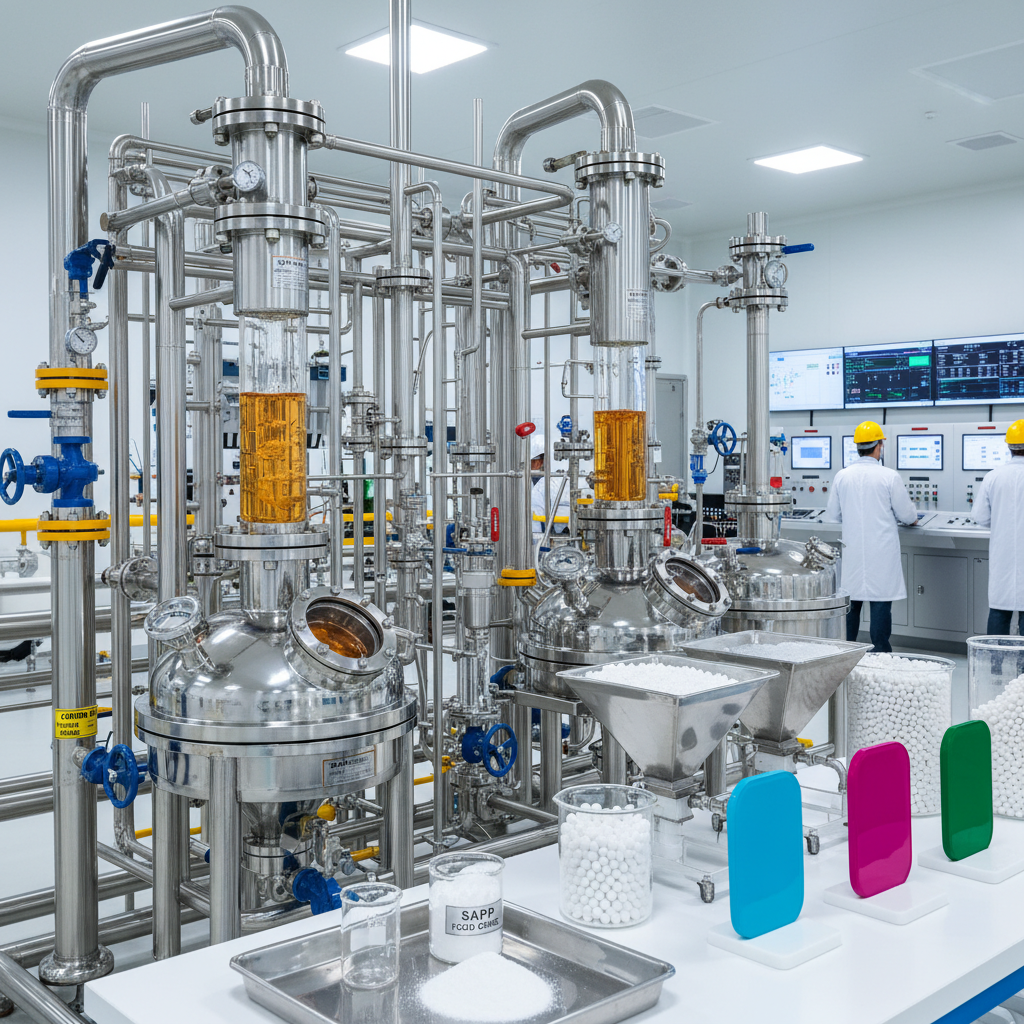
Sapp food grade is a stable, water-soluble salt of ascorbic acid (Vitamin C). It’s created by combining ascorbic acid with sodium phosphate. This process significantly enhances the stability of Vitamin C, making it less susceptible to oxidation and degradation during food processing and storage. Unlike ascorbic acid, which can readily break down when exposed to air, heat, or light, Sapp retains its potency for longer periods. Its neutral pH also makes it gentler on food matrices, preventing unwanted flavor changes. Sapp is highly versatile, finding application in a wide variety of food and beverage products.
Key Highlights: Superior stability compared to ascorbic acid, enhanced shelf life for food products, neutral pH for minimal flavor impact, and a highly versatile ingredient.
Sapp Food Grade: Applications in the Food Industry
Sapp is widely employed in the food industry due to its multifaceted benefits. It acts as a potent antioxidant, preventing lipid oxidation and color degradation in processed foods. This is especially crucial in meat products, where it inhibits the formation of nitrosamines, potentially harmful compounds. Sapp also functions as a flour improver, enhancing dough strength and volume in baked goods. Furthermore, it’s used as a nutrient supplement in beverages, cereals, and other fortified foods, delivering a reliable source of Vitamin C. Its effectiveness extends to seafood, where it prevents browning and preserves freshness.
Applications Overview:
• Antioxidant in processed meats and fats
• Flour improver in baking
• Vitamin C fortification in beverages and cereals
• Browning prevention in seafood
Sapp vs. Ascorbic Acid: A Comparative Analysis
While both Sapp and ascorbic acid deliver Vitamin C benefits, Sapp offers distinct advantages in specific applications. Ascorbic acid is more prone to degradation during processing, requiring higher concentrations to achieve the same effect. Sapp’s superior stability translates to lower usage rates and reduced cost over time. Its neutral pH profile minimizes flavor alterations, ensuring the original taste profile of the food product is preserved. This makes it a preferred choice for sensitive applications where flavor neutrality is paramount.
Sapp Food Grade: Safety and Regulatory Aspects
Sapp food grade is generally recognized as safe (GRAS) by regulatory bodies worldwide, including the FDA. It is a non-toxic substance when used within established limits. The acceptable daily intake (ADI) for Vitamin C is well-defined, and Sapp provides a reliable source without exceeding these thresholds. Manufacturers like China Seasoning adhere to strict quality control measures to ensure their Sapp products meet or exceed industry standards for purity and safety.
Product Specifications
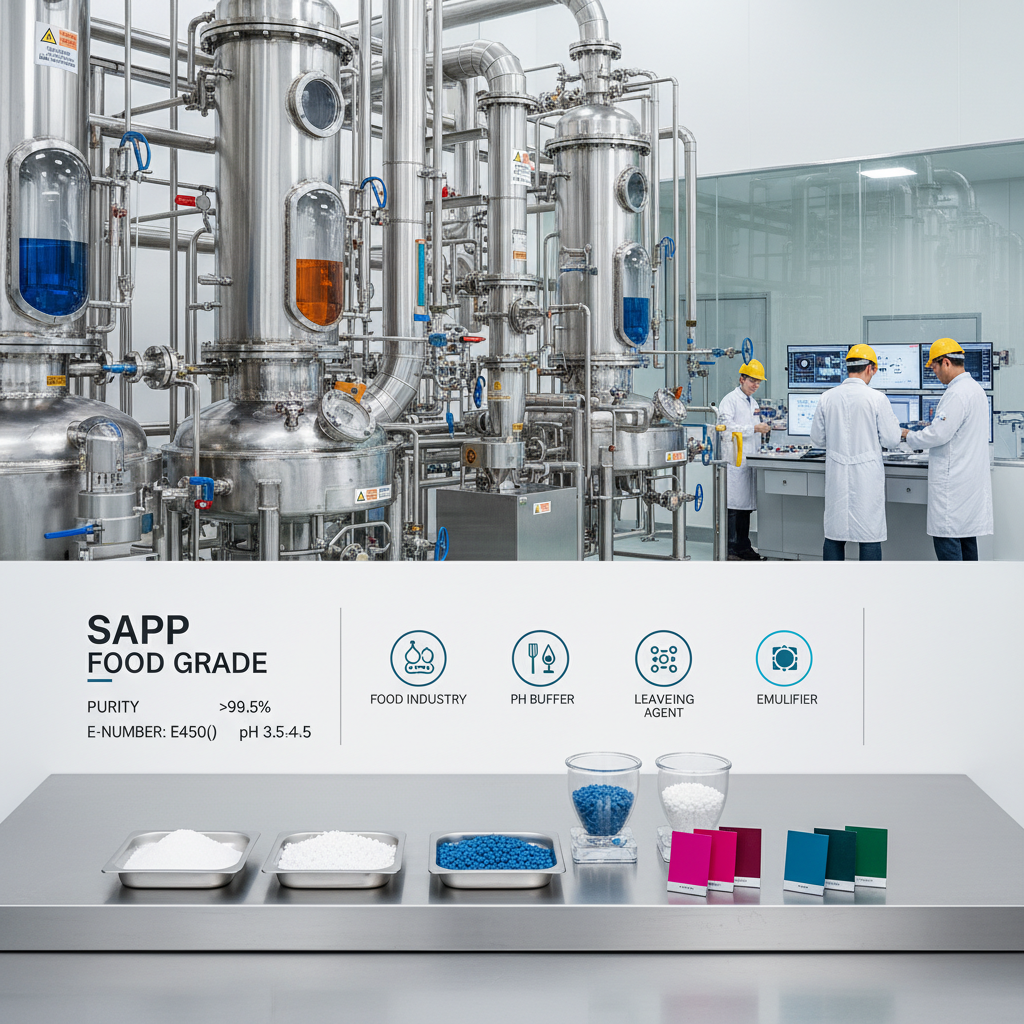
Here’s a typical specification sheet for Sapp food grade:
Conclusion: Embracing Sapp for Enhanced Food Quality and Nutrition
Sapp food grade represents a significant advancement in Vitamin C delivery for the food industry. Its superior stability, neutral pH, and broad range of applications make it an invaluable ingredient for preserving food quality, enhancing nutritional value, and ensuring consumer satisfaction. By choosing Sapp, food manufacturers can confidently deliver products that meet the highest standards of safety and efficacy. Contact China Seasoning today to learn more about our high-quality Sapp offerings.
Frequently Asked Questions (FAQs)
What is the recommended storage condition for Sapp food grade?
Sapp food grade should be stored in a cool, dry, and well-ventilated area, protected from direct sunlight, heat, and moisture. It's best to keep it in tightly closed containers to prevent exposure to air, which can gradually diminish its potency over time. Maintaining a consistent temperature below 25°C (77°F) is optimal for preserving its quality. Proper storage extends its shelf life and ensures its effectiveness in your food applications.
Can Sapp be used in beverages with a low pH?
While Sapp is generally more stable than ascorbic acid at lower pH levels, extremely acidic environments can still lead to some degradation. However, Sapp retains a considerably higher level of activity in acidic beverages compared to ascorbic acid. If you're formulating a low-pH beverage, it's recommended to conduct stability testing to determine the optimal Sapp dosage and ensure adequate Vitamin C retention throughout the product's shelf life.
How does Sapp contribute to shelf life extension in food products?
Sapp extends shelf life primarily through its antioxidant properties. By inhibiting lipid oxidation, it prevents rancidity in fats and oils, preserving the flavor and quality of food products. Additionally, it prevents enzymatic browning in fruits and vegetables, maintaining their appealing appearance. In meat products, Sapp helps inhibit the formation of nitrosamines, further enhancing their safety and extending their freshness.
Post time: Feb - 26 - 2026