

Understanding Sapp Food Additive: A Comprehensive Guide
Sapp, or Sodium Ascorbyl Phosphate, is a water-soluble derivative of Vitamin C, gaining prominence as a versatile food additive. Unlike L-Ascorbic Acid (Vitamin C), Sapp offers enhanced stability, particularly in aqueous solutions and under alkaline conditions. This makes it ideal for various food processing applications. It acts as an antioxidant, color retention agent, and nutrient supplement. This article explores Sapp’s properties, applications, benefits, and safety considerations, providing a complete overview for food manufacturers and consumers.

What is Sapp Food Additive?
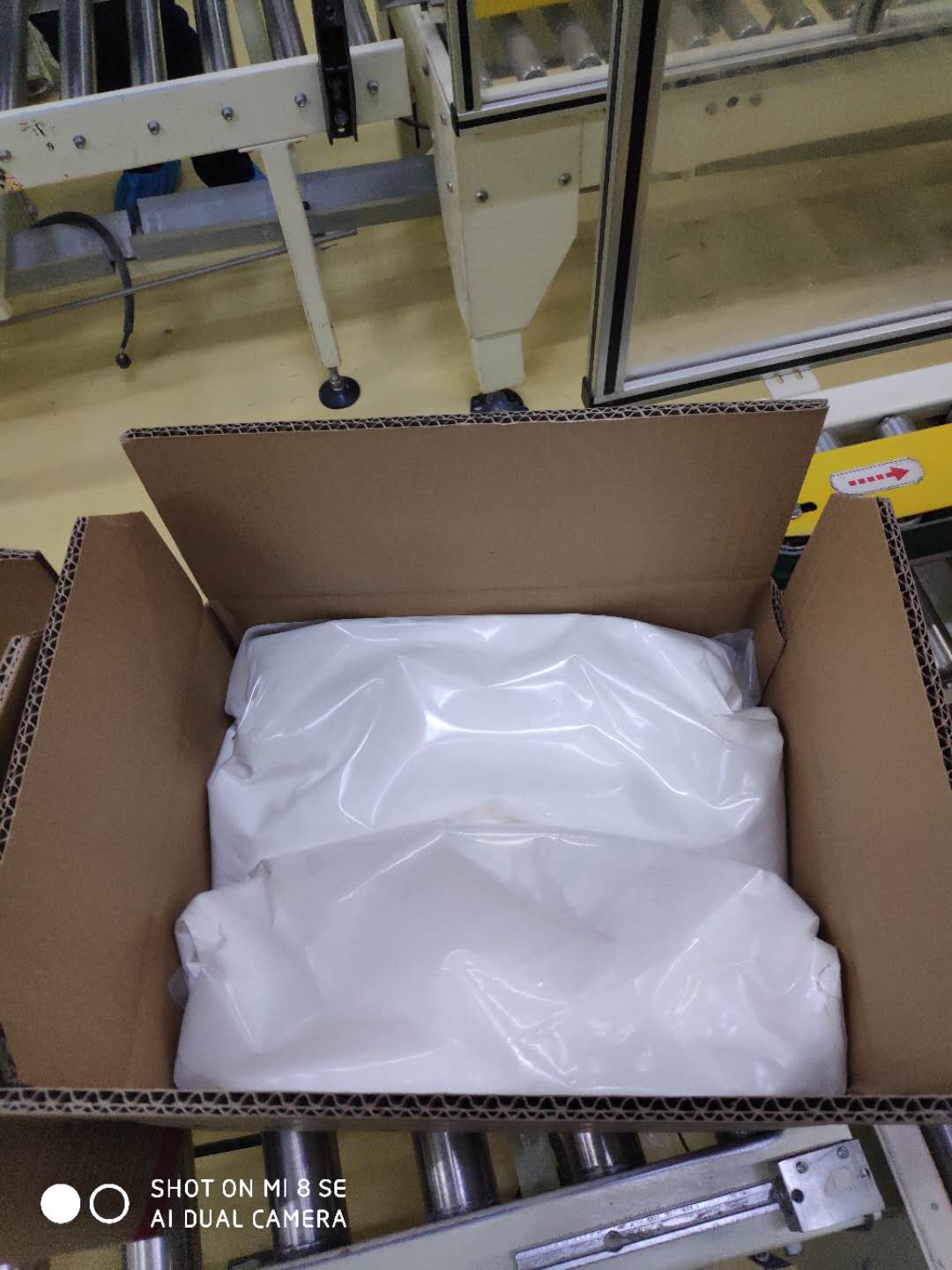
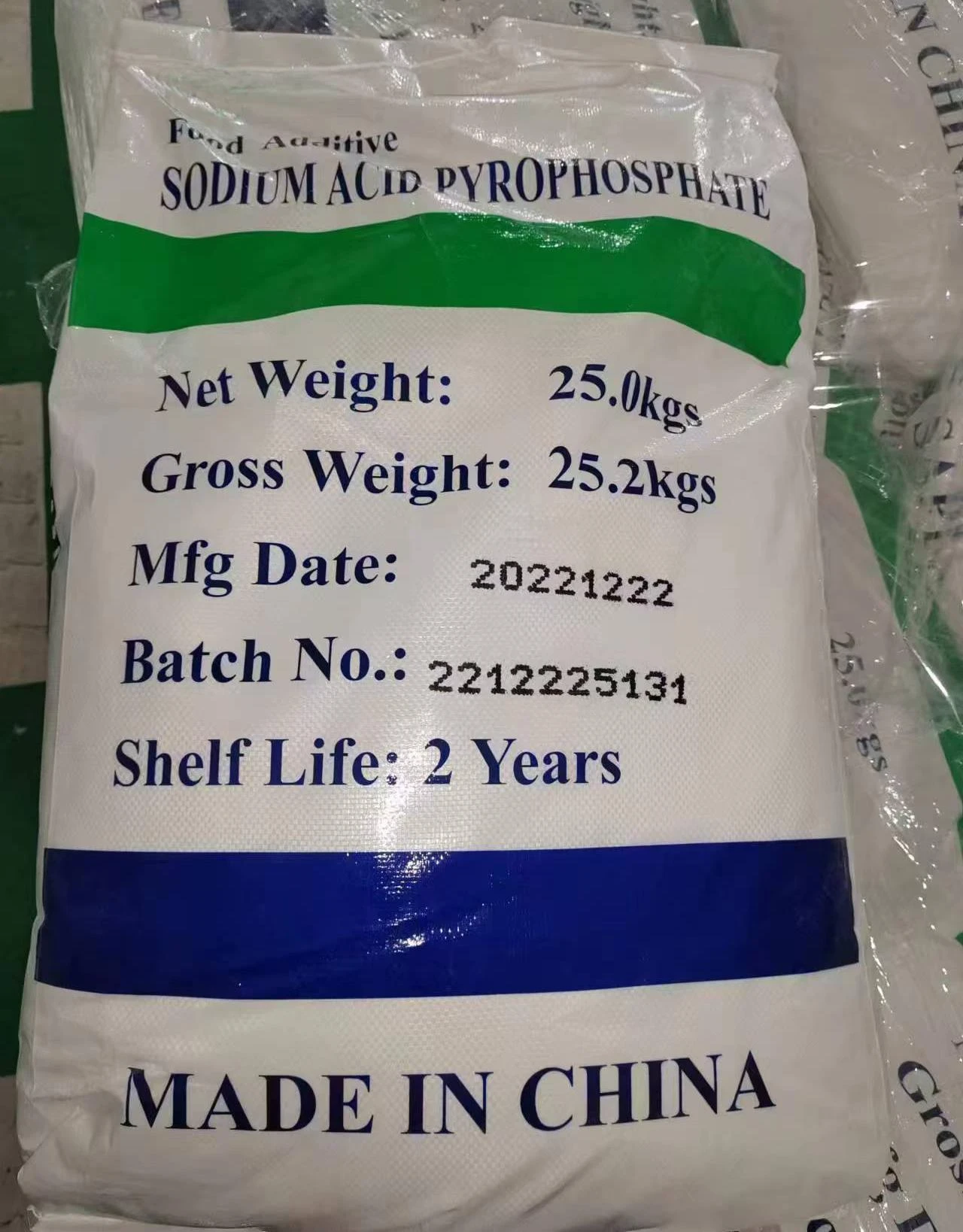
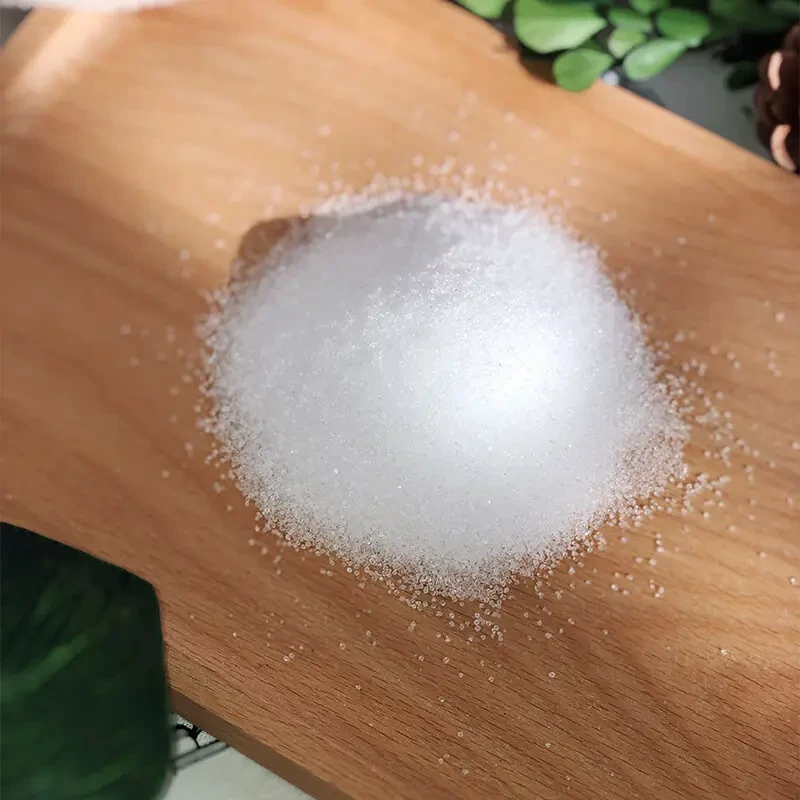
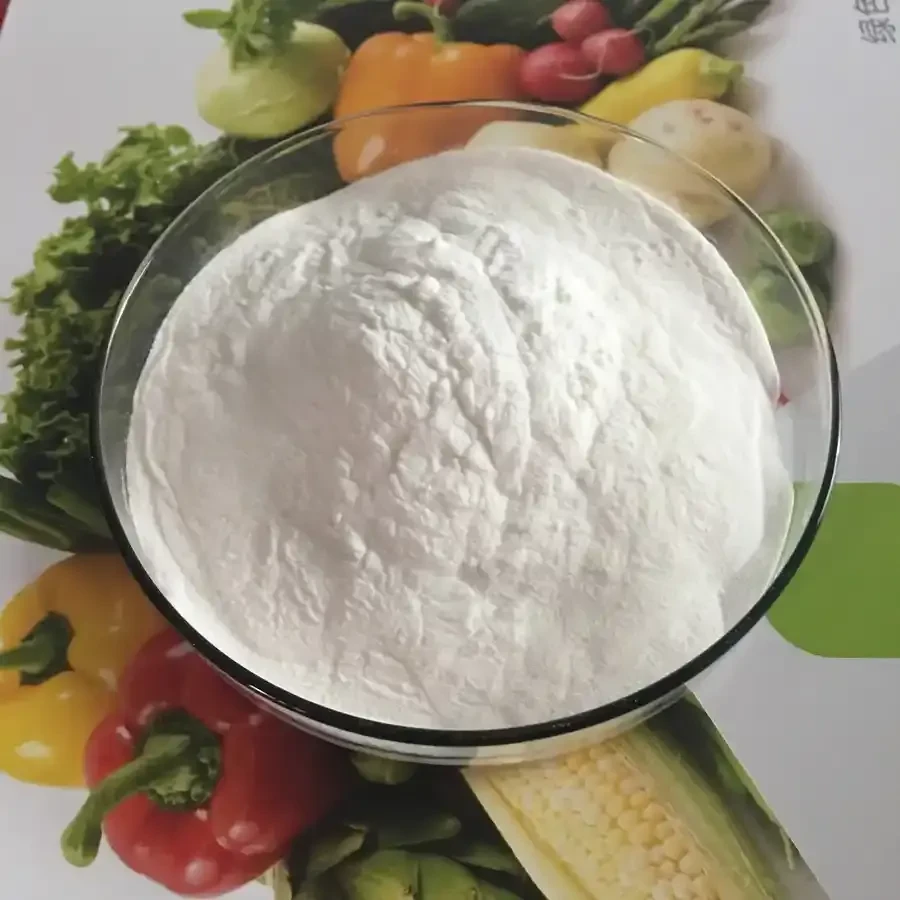
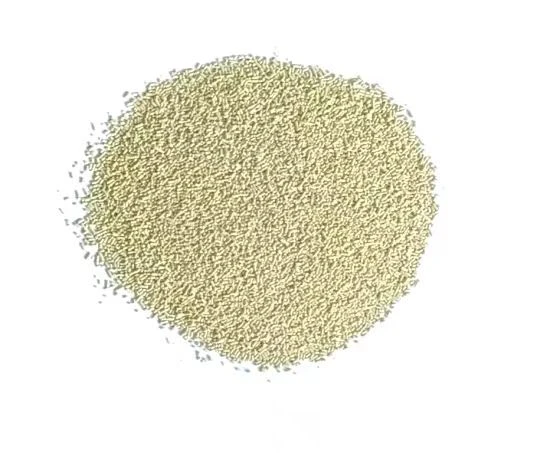
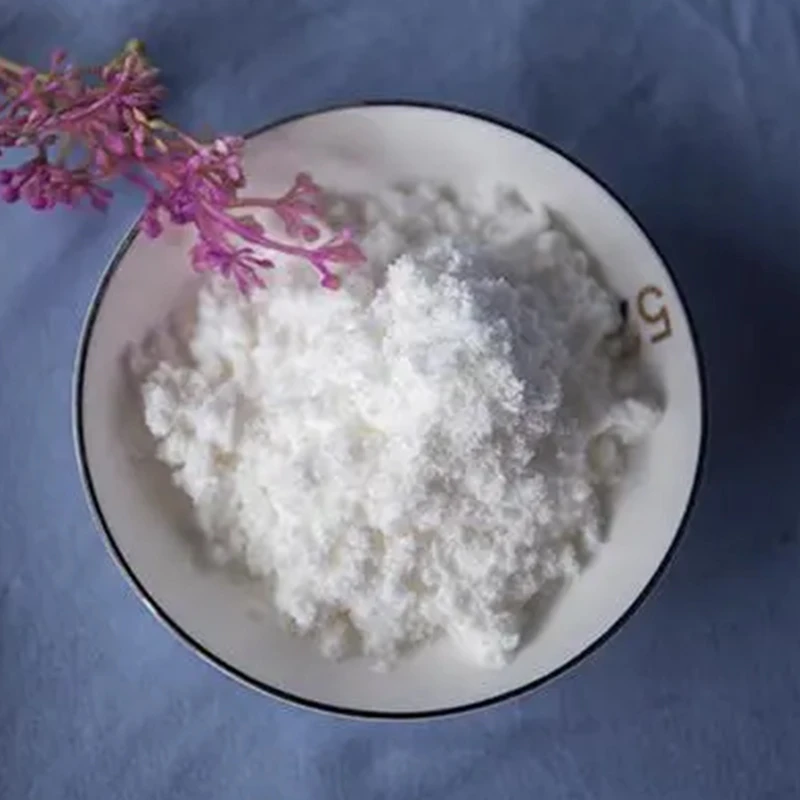
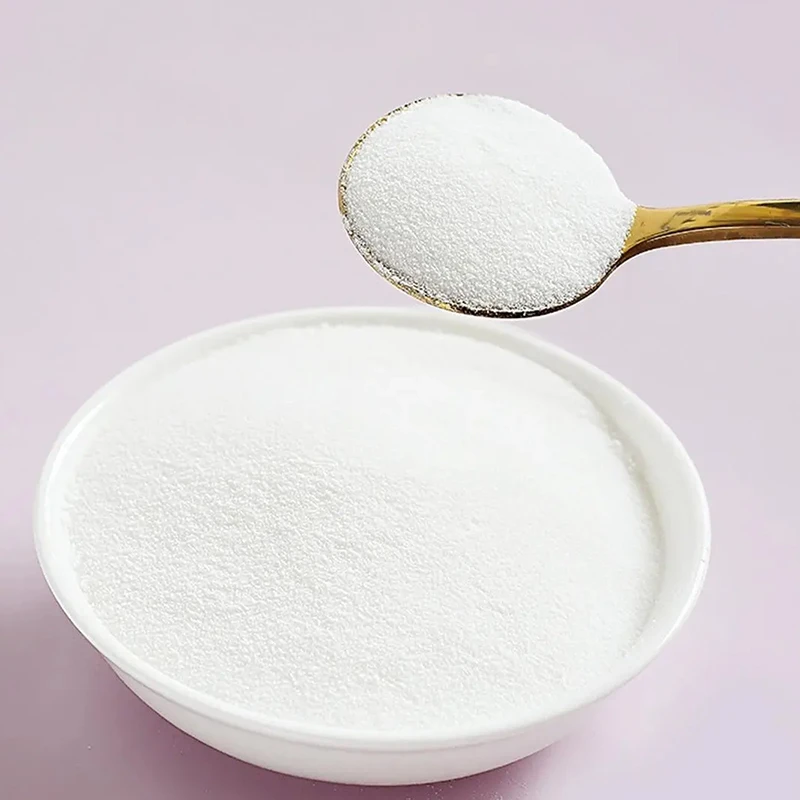
Sapp (Sodium Ascorbyl Phosphate) is a stabilized form of Vitamin C, chemically represented as C6H7NaO9P. It's a white or almost white, odorless powder that is readily soluble in water. The key benefit of Sapp lies in its superior stability compared to ascorbic acid. Ascorbic acid is prone to oxidation, especially in the presence of oxygen, light, and metal ions, leading to a loss of potency. Sapp, however, is more resistant to these factors, making it a more reliable source of Vitamin C in food products. This stability is crucial for maintaining the nutritional value and desired qualities of processed foods. Chinaseasoning.com offers high-quality Sapp food additive for various applications.
Key Highlights: Sapp is a stabilized Vitamin C derivative offering enhanced stability, antioxidant properties, and functionality in food processing.
Key Applications of Sapp in the Food Industry
Sapp finds applications across a diverse range of food products. It’s commonly used in processed meats to maintain color and prevent oxidative rancidity, extending shelf life. In beverages, it acts as a nutrient enhancer and antioxidant, preserving flavor and freshness. The baking industry utilizes Sapp to improve dough strength and prevent discoloration. It’s also a popular ingredient in fruit juices and preserves to inhibit enzymatic browning. Furthermore, Sapp is increasingly used in seafood processing to maintain quality and prevent spoilage. Its versatility and stability make it a preferred choice for food manufacturers seeking to enhance product quality and nutritional value.
Sapp Application Benefits:
• Maintains color in processed meats
• Enhances nutritional value in beverages
• Prevents enzymatic browning in fruits
• Extends shelf life of various products
Sapp vs. Ascorbic Acid: A Detailed Comparison
While both Sapp and ascorbic acid serve as Vitamin C sources, significant differences exist. Ascorbic acid is highly susceptible to degradation, while Sapp offers superior stability. This stability translates to a longer shelf life and consistent potency in food products. Sapp is also more tolerant of alkaline conditions, expanding its applicability in various food formulations. However, ascorbic acid is generally more cost-effective. Choosing between Sapp and ascorbic acid depends on the specific application and desired level of stability.
Safety and Regulatory Considerations
Sapp is generally recognized as safe (GRAS) by regulatory bodies like the FDA when used within specified limits. It’s considered a non-toxic substance and doesn’t pose a significant health risk at typical consumption levels. However, it's crucial to adhere to established regulations regarding dosage and purity. Manufacturers must ensure the Sapp used meets food-grade standards and is free from contaminants. Chinaseasoning.com provides Sapp that complies with international safety standards.
Product Specifications – Sapp Food Additive
Here's a typical specification sheet for Sapp food additive:
Conclusion: Sapp – A Stable and Reliable Vitamin C Source
Sapp food additive offers a significant advantage over traditional ascorbic acid due to its enhanced stability and versatility. Its wide range of applications, coupled with its safety profile, makes it an invaluable ingredient for food manufacturers. Choosing a reliable supplier like Chinaseasoning.com ensures you receive high-quality Sapp that meets stringent industry standards. Embrace the benefits of Sapp for superior product quality and longevity.
Frequently Asked Questions (FAQs)
What are the benefits of using Sapp over ascorbic acid in beverages?
Sapp offers superior stability in beverages, especially those undergoing pasteurization or long-term storage. Ascorbic acid degrades rapidly in aqueous solutions, leading to a loss of Vitamin C content and potential changes in flavor. Sapp’s resistance to oxidation ensures that the beverage retains its nutritional value and desired taste profile for a longer period. This stability is particularly crucial for products with extended shelf lives.
Is Sapp suitable for use in organic food products?
The suitability of Sapp for organic food products depends on the specific organic certification standards of the country or region. Generally, synthetic ingredients are restricted in organic food production. While Sapp is synthetically derived, some certifying bodies may allow its use if it meets specific criteria and doesn't have a synthetically produced alternative. It is essential to verify compliance with the relevant organic standards before using Sapp in organic food formulations.
What is the recommended dosage of Sapp in processed meats?
The recommended dosage of Sapp in processed meats typically ranges from 0.01% to 0.05%, depending on the type of meat, processing conditions, and desired color retention. The goal is to prevent oxidation and maintain the characteristic pink color of cured meats. It's crucial to adhere to regulatory limits and consult with a food technologist to determine the optimal dosage for your specific product.
Post time: Feb - 11 - 2026