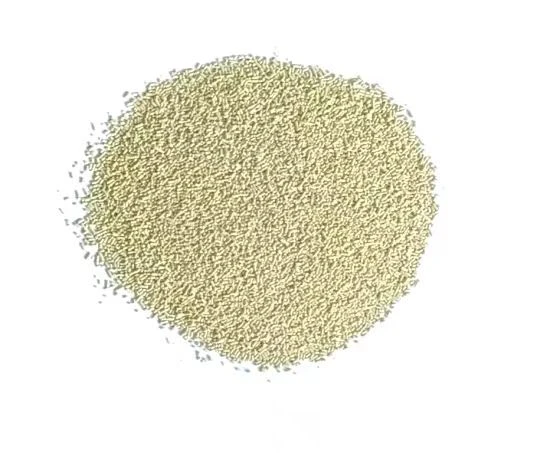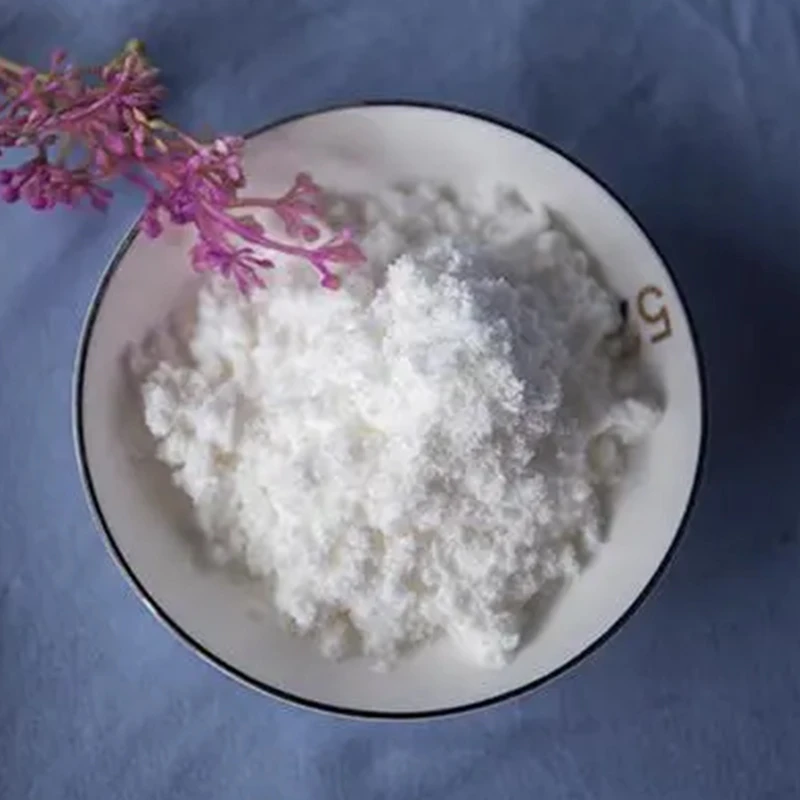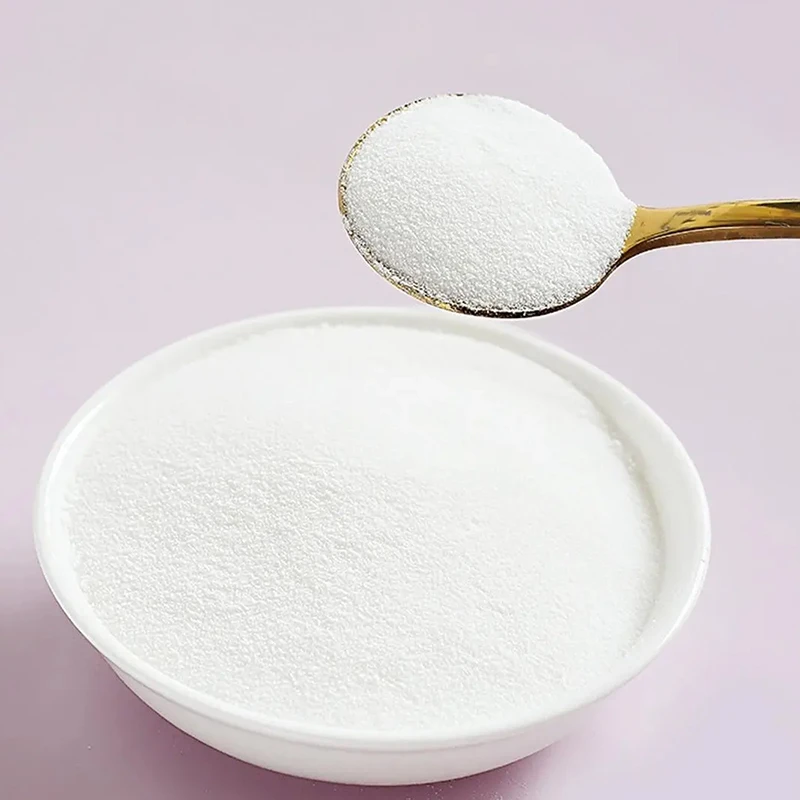


In the context of evolving global safety regulations (FDA Guidance #213 and EU antibiotic bans), Glutamic Acid Residue—the concentrated bacterial protein remaining after monosodium glutamate fermentation—has emerged as a critical Physicochemical Parameter in livestock nutrition. It serves as both a high-efficiency protein source and a rheological control agent for specialized feed formulations.
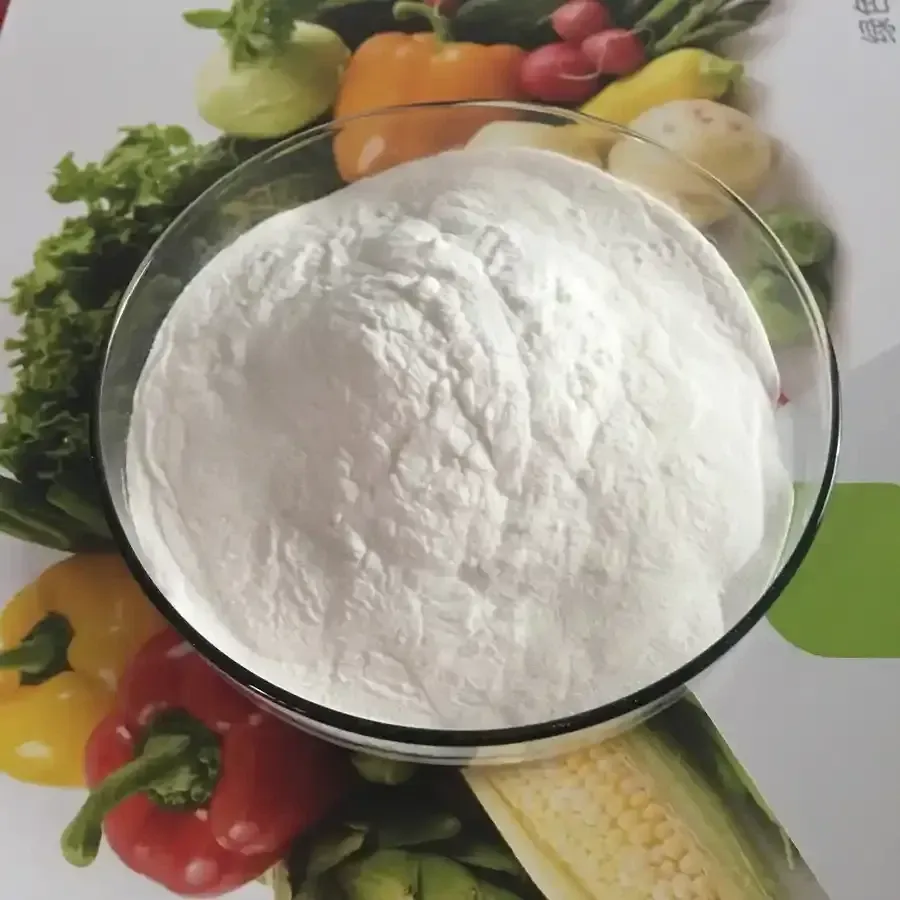
1. Physicochemical Parameters and Nutrient Profile
As a highly bioavailable microbial protein, this additive is characterized by its high Compounding Efficiency and rich amino acid profile. Its fine Morphology allows for superior integration into both pelleted and extruded feed systems.
Standard Technical Specifications:
| Analysis Item | Standard Value | Industrial Significance |
|---|---|---|
| Crude Protein | ≥ 65.0% | Rich in bacterial protein and residual amino acids. |
| Ammonium Salt | ≤ 2.0% | Strictly controlled for renal health and palatability. |
| Moisture Content | ≤ 8.0% | Ensures shelf stability and prevents mycotoxin development. |
| Crude Ash | ≤ 6.0% | Minimal inorganic residue for improved digestion. |
2. Biological Functionality and Metabolic Impact
The core Physicochemical value lies in its role as a precursor for glutathione synthesis and a substrate for intestinal mucosal repair.
- FCR Improvement: Enhances the digestion and absorption of concurrent protein meals.
- Immune Modulation: Activates the non-specific immune system, increasing resistance to viral and bacterial challenges.
- Stress Resilience: Provides immediate metabolic energy to mitigate heat stress and transport-induced oxidative damage.
3. Targeted Industry Applications & Inclusion Rates
Inclusion levels must be calculated based on the Amino Acid Profile of the base diet and the growth stage of the livestock.
Aquaculture (Fish & Shrimp):
Features superior water solubility for high-intensity farming. It enhances Aquatic Feed Utilization and maintains water quality by reducing nitrogen excretion.
Swine (Pig Feed):
Standard inclusion: 3-5 kg per metric ton. It acts as an attractant to improve weaning transition and gut health.
Poultry & Dairy:
Optimizes egg-shell quality and milk protein synthesis through improved microbial protein supply in the rumen or small intestine.
4. Stability Control and Safety Audit
Operational Safety Precautions:
- Dust Management: As a dry-processed product, pre-treatment with water or steam is required to minimize Respiratory Tract Irritation for workers and animals.
- Saturation Control: Excess inclusion beyond the recommended 5% total amino acid ratio may disrupt osmotic balance; strict adherence to formulation guidelines is mandatory.
5. Manufacturer Comparison and Market ROI
| Vendor Metric | Standard Residue | High-Purity Microbial Protein (Our Grade) |
|---|---|---|
| Protein Solubility | Moderate | High (Rapid Aquatic Integration) |
| Ammonium Nitrogen | Variable | < 2.0% (Stable Control) |
| Amino Acid Bioavailability | 70-75% | 85-90% (Precision Fermentation) |
Post time: Jan - 20 - 2026