

Understanding Disodium Pyrophosphate: Applications and Benefits
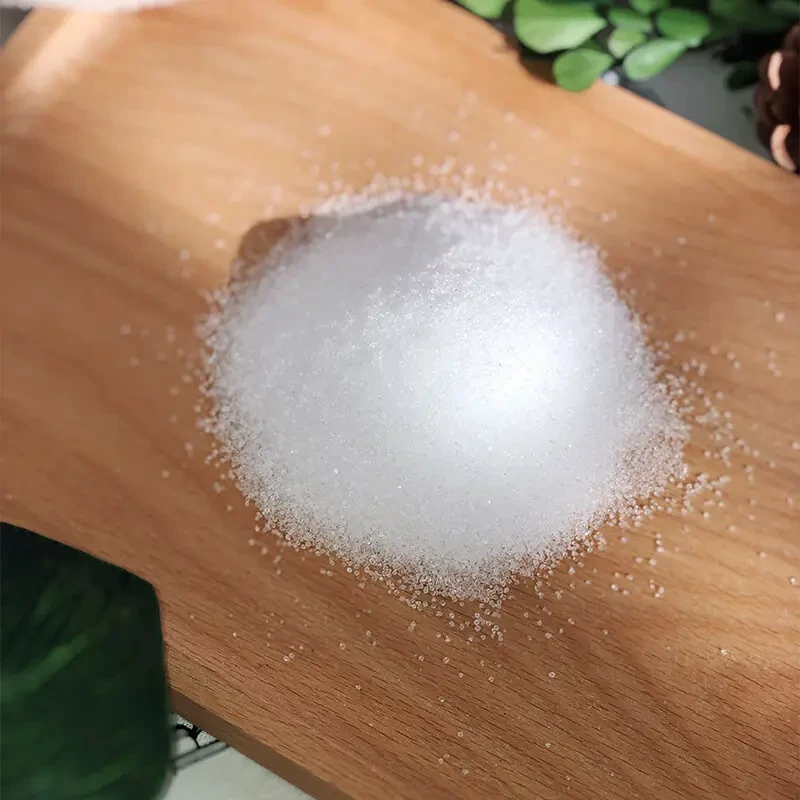
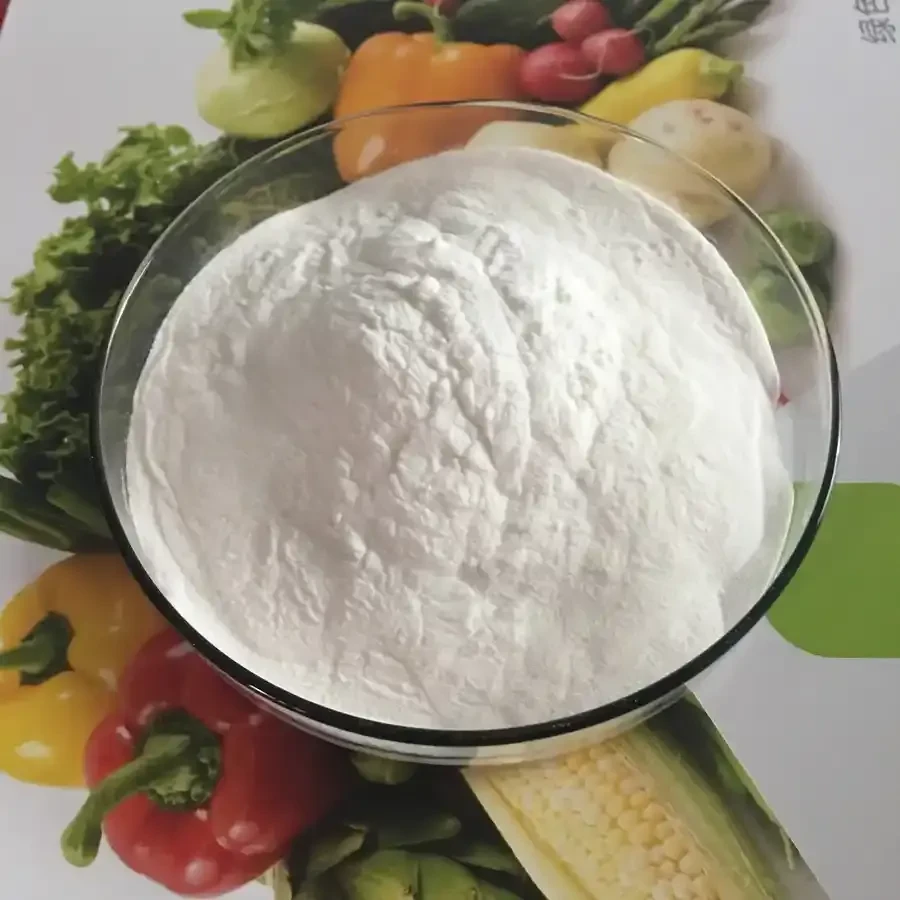
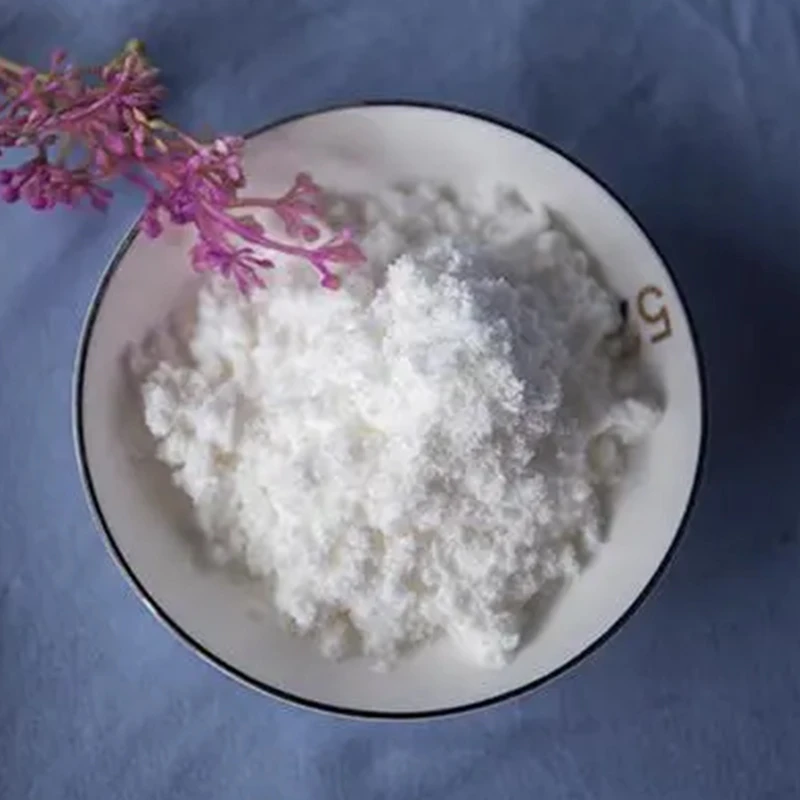
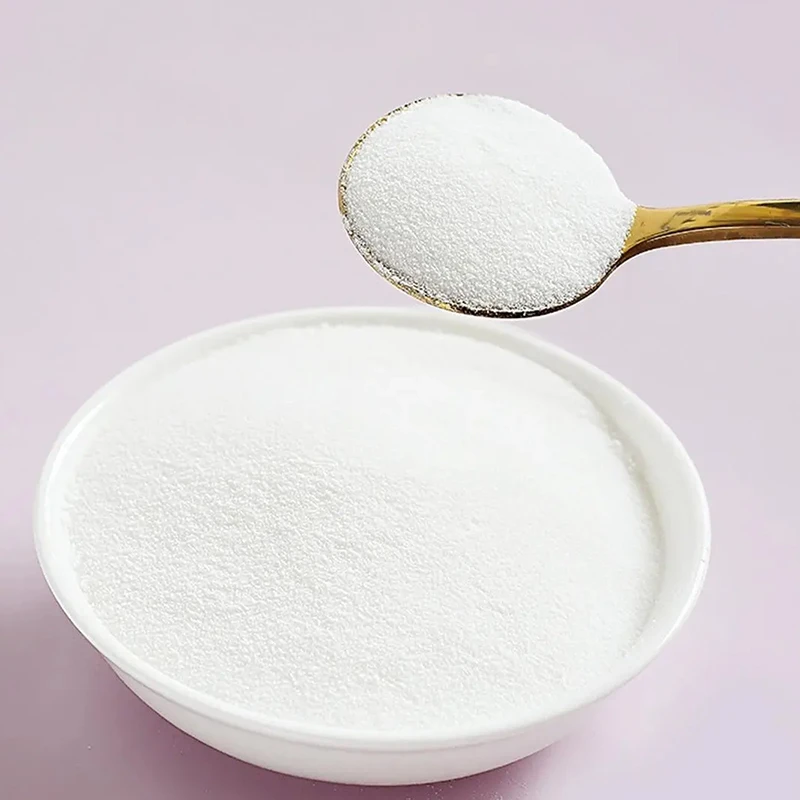
Disodium pyrophosphate (DSPP), also known as sodium pyrophosphate, is a versatile inorganic compound with a wide range of industrial and commercial applications. It's a white, odorless powder, soluble in water, and commonly utilized in the food, detergent, and ceramic industries. Its properties as a buffering agent, water softener, and sequestering agent make it incredibly valuable. China Seasoning specializes in the production and supply of high-quality Disodium Pyrophosphate for diverse global needs. Choosing the right supplier is crucial for consistent quality and reliable supply.
Disodium Pyrophosphate in the Food Industry
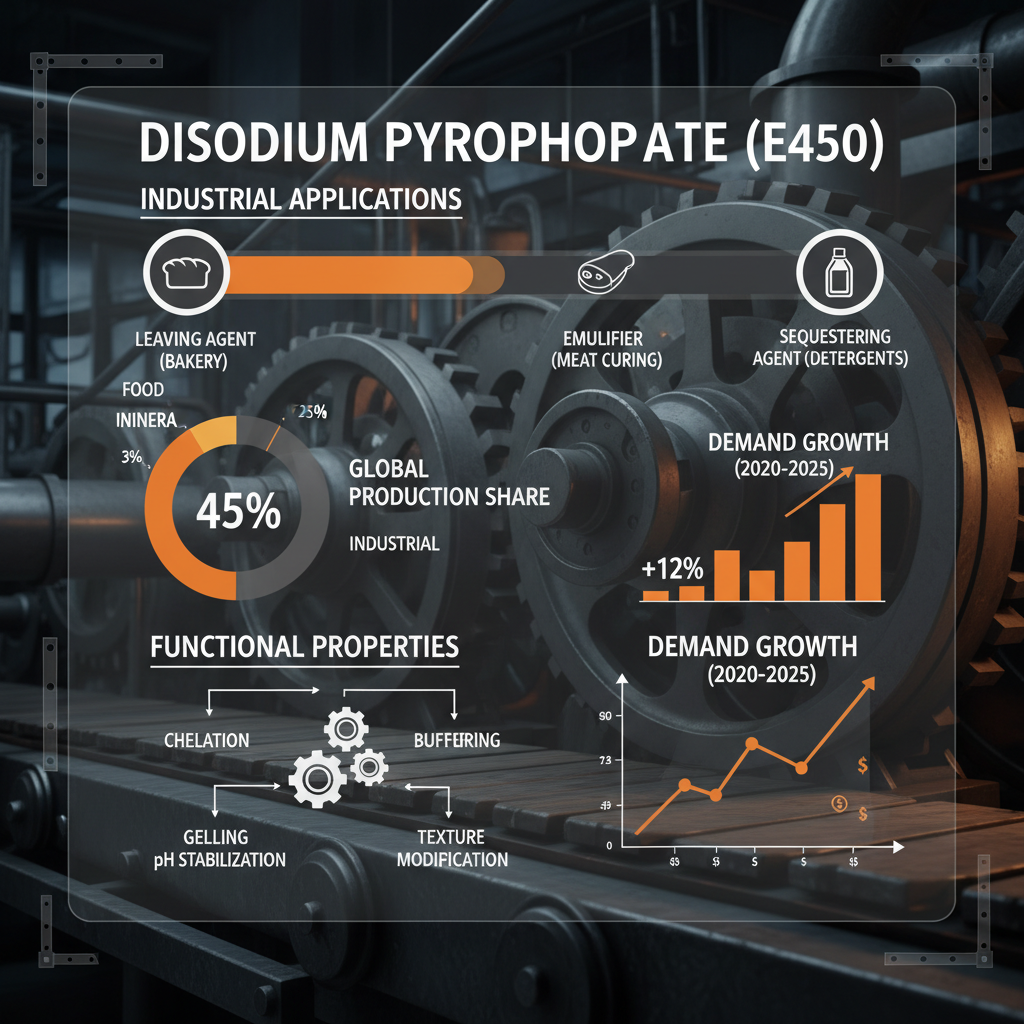
In the food industry, DSPP functions as an emulsifier, buffering agent, and texture improver. It's frequently found in processed meats like sausages and ham, where it helps retain moisture and improve texture. It's also used in cheeses to prevent gelation during processing and to maintain a smooth consistency. Furthermore, DSPP can be used as a leavening agent in baked goods, contributing to a lighter texture. It plays a vital role in maintaining the quality and appeal of numerous food products.
Key Highlights: Acts as an emulsifier, buffering agent, and texture improver in food products. Improves moisture retention in processed meats and prevents gelation in cheeses.
DSPP as a Water Softener and Detergent Builder
Beyond food, DSPP is a powerful water softener by sequestering calcium and magnesium ions, preventing scale buildup in water systems. This makes it a key ingredient in detergents and cleaning products, boosting their effectiveness by enhancing surfactant performance. It also prevents the redeposition of dirt and grime onto fabrics during washing. The water softening properties are crucial in laundry detergents, dishwashing detergents, and industrial cleaning formulations.
Water Softening Benefits:
• Prevents scale buildup in water systems
• Enhances detergent performance
• Prevents dirt redeposition
• Improves cleaning efficiency
Disodium Pyrophosphate Applications in Ceramics
The ceramic industry utilizes DSPP as a deflocculant, helping to disperse ceramic particles evenly in a suspension. This is crucial for achieving the desired viscosity and flow properties in ceramic slurries. It also aids in reducing the amount of water needed in the slurry, resulting in higher green strength of the ceramic body before firing. This leads to more efficient production and reduced cracking during the drying and firing processes.
Disodium Pyrophosphate Product Specifications
China Seasoning provides DSPP adhering to stringent quality control standards. The following table outlines typical product specifications:
Conclusion: The Versatility of Disodium Pyrophosphate
Investing in Quality Disodium Pyrophosphate
Disodium pyrophosphate is an incredibly versatile chemical compound with essential applications across numerous industries. From enhancing food quality and boosting detergent performance to improving ceramic processing, its diverse properties make it an invaluable ingredient. China Seasoning is your reliable partner for consistent, high-quality DSPP supply, backed by rigorous quality control and dedicated customer service.
Frequently Asked Questions (FAQs)
What are the safety precautions when handling Disodium Pyrophosphate?
While generally considered safe, DSPP can cause mild irritation to the skin, eyes, and respiratory system. It's crucial to wear appropriate personal protective equipment (PPE), including gloves, safety glasses, and a dust mask, when handling the powder. Avoid inhalation and contact with eyes. In case of contact, rinse thoroughly with water. Store in a cool, dry place away from incompatible materials. Refer to the Material Safety Data Sheet (MSDS) for detailed safety information.
What is the shelf life of Disodium Pyrophosphate?
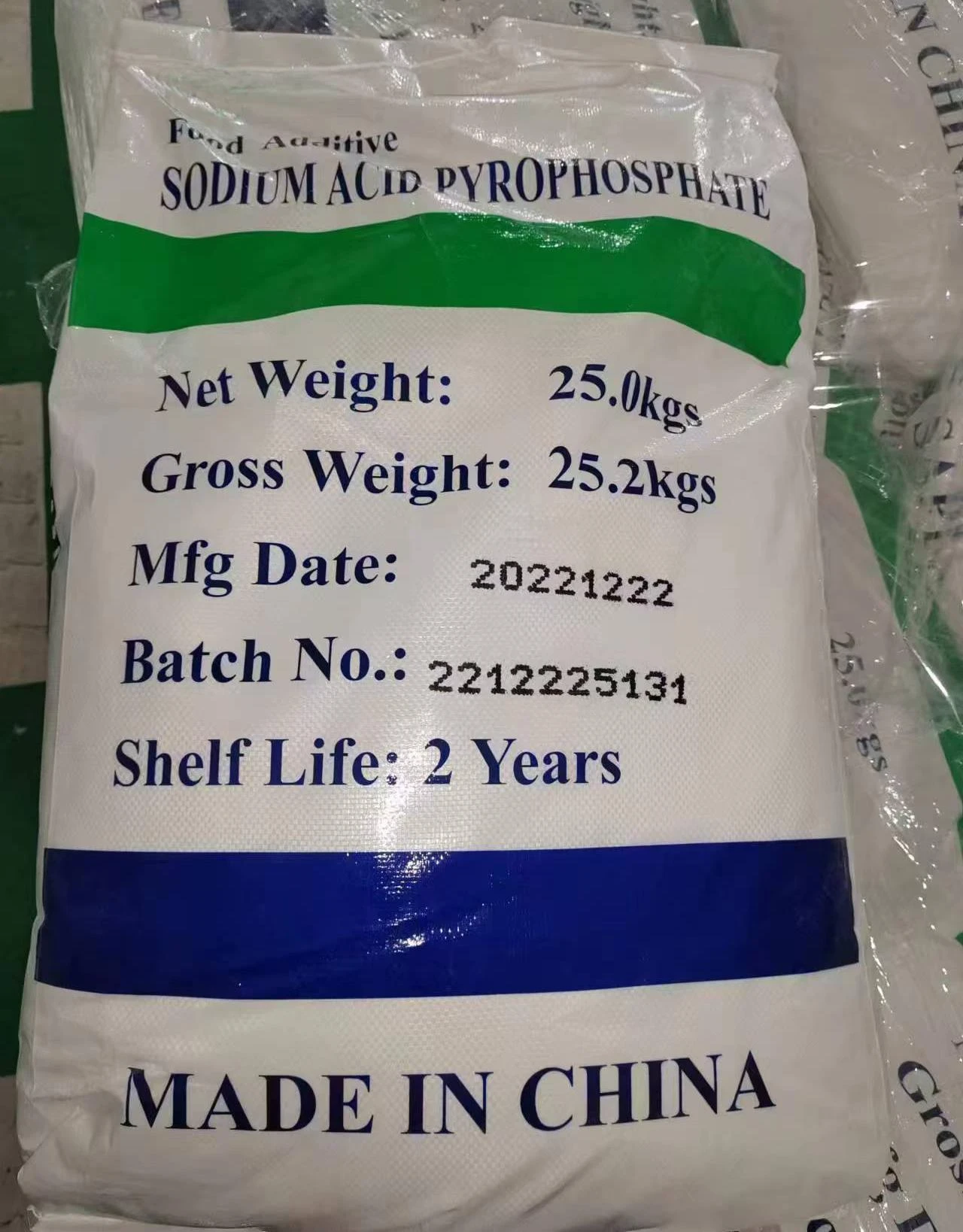
When stored correctly in a cool, dry, and tightly sealed container, Disodium Pyrophosphate generally has a shelf life of at least two years. However, it's best practice to periodically inspect the product for any signs of degradation, such as caking or discoloration. Proper storage conditions are vital to maintain the product's quality and efficacy.
Can Disodium Pyrophosphate be used in organic farming?
The use of Disodium Pyrophosphate in organic farming is subject to specific regulations and certifications depending on the region. While it's an inorganic compound, its acceptance in organic agriculture varies. It is crucial to verify compliance with relevant organic standards before using it in organic production. Consult with organic certification bodies to confirm its permissibility.
Post time: Feb - 24 - 2026