The culinary world has seen a massive shift toward convenience without compromising on depth of flavor, leading to the global ubiquity of the chicken soup stock cube. These concentrated flavor enhancers provide a consistent, savory base for countless dishes, bridging the gap between traditional slow-cooked broths and the fast-paced demands of modern kitchens. For food manufacturers and home cooks alike, understanding the composition and application of these cubes is essential for achieving professional-grade taste profiles.
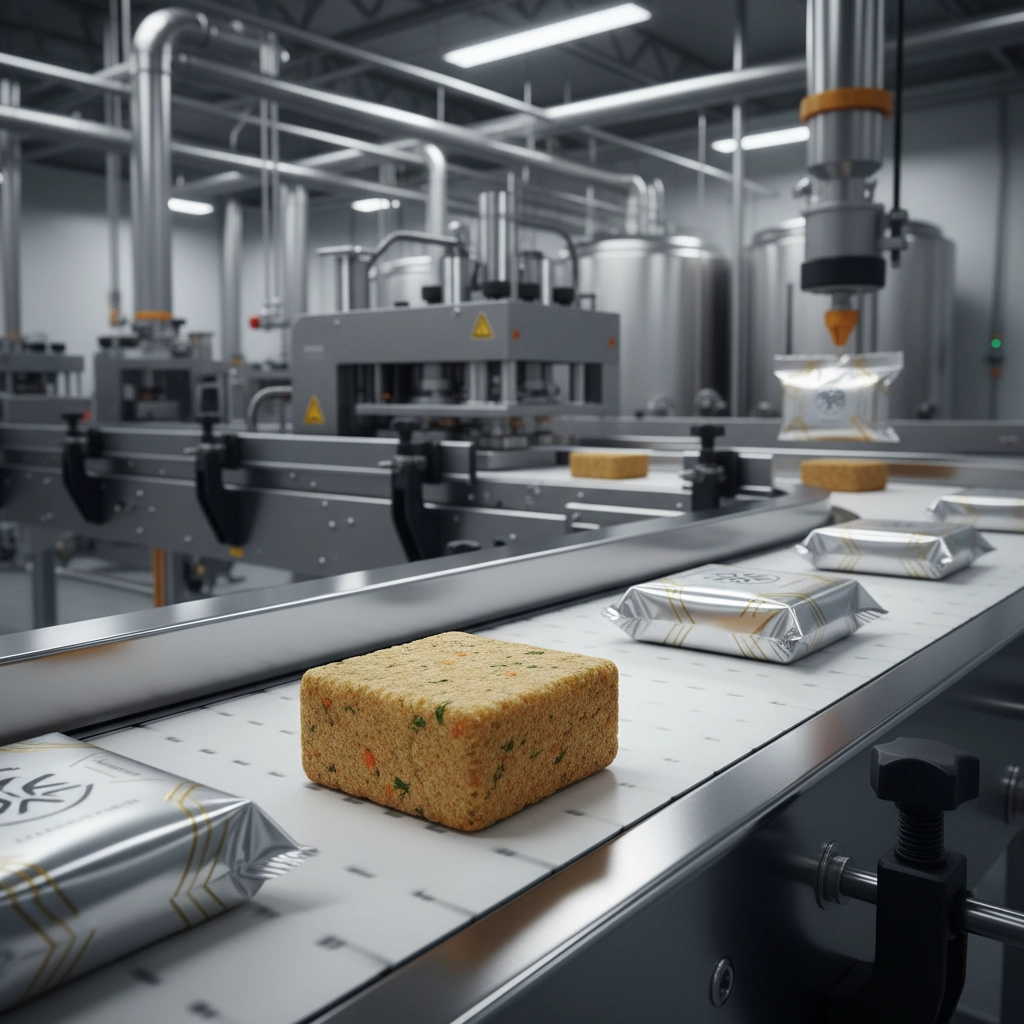
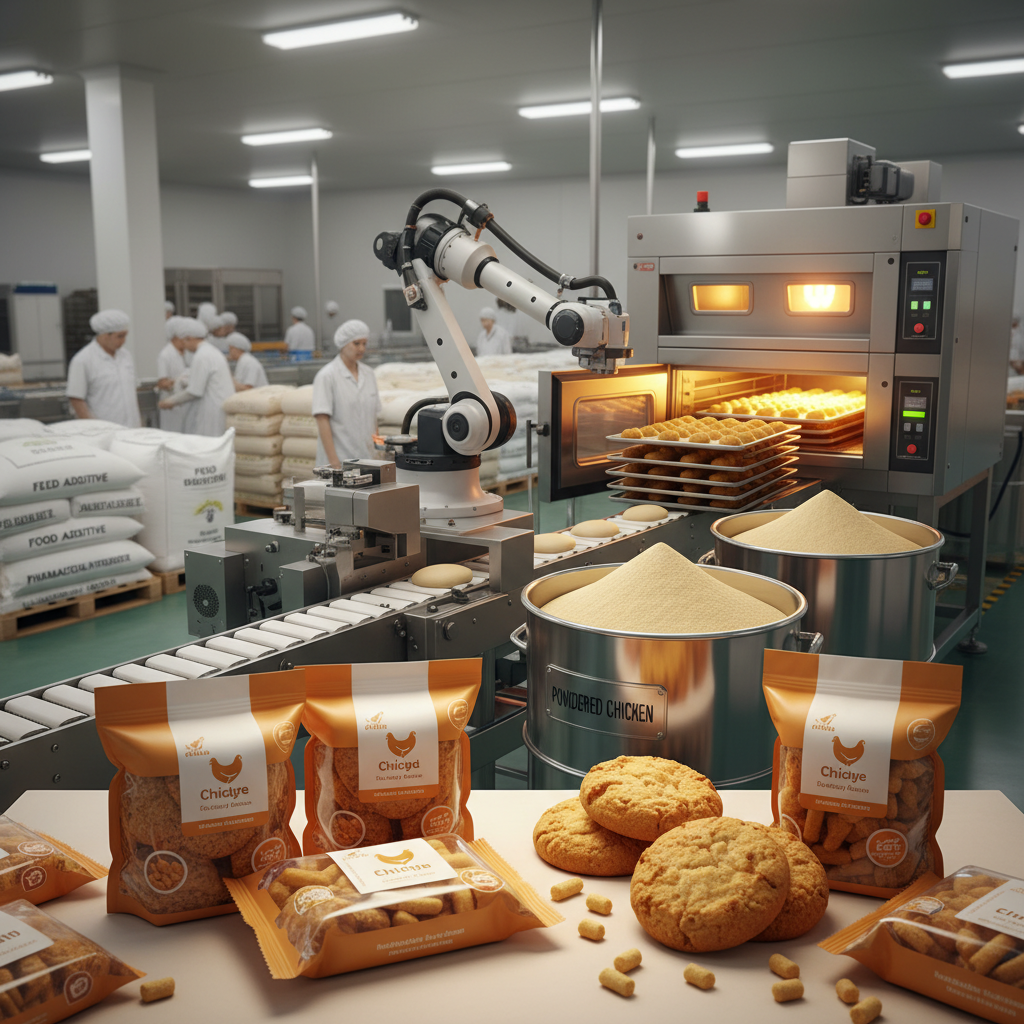
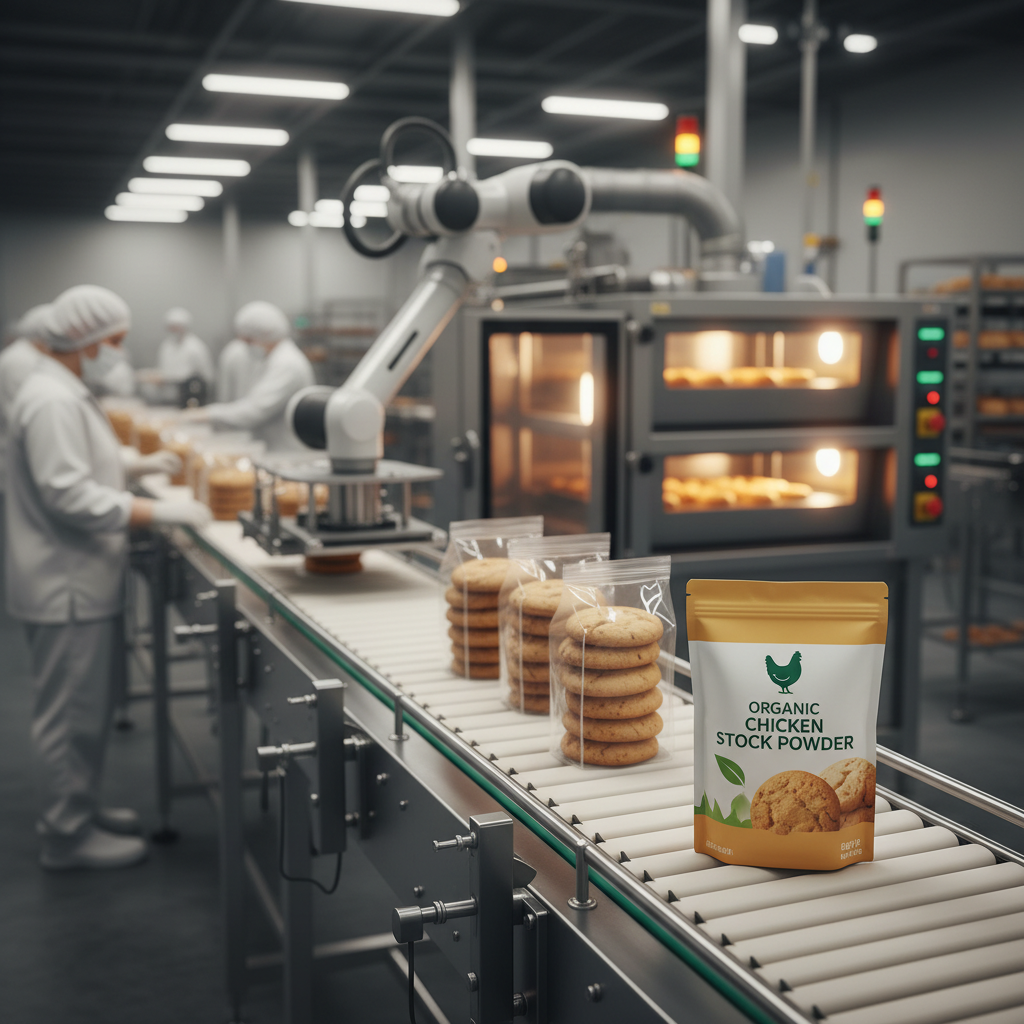
From an industrial perspective, the production of a high-quality chicken soup stock cube involves complex food chemistry, blending dehydrated meat extracts, salts, and aromatic spices into a stable, compressed form. This process ensures that the product remains shelf-stable for extended periods, making it an indispensable tool for food security and convenience in diverse geographic regions.
Whether used in commercial catering, household meal prep, or emergency food rations, the impact of the chicken soup stock cube is profound. By analyzing its role through the lens of food additives and manufacturing efficiency, we can appreciate how this small cube solves the massive challenge of time-intensive flavor extraction on a global scale.
Global Market Context of Chicken Soup Stock Cubes
The global demand for bouillon and stock concentrates has surged as urbanization increases and the time available for traditional cooking decreases. According to industry trends aligned with ISO quality standards, the chicken soup stock cube has become a primary staple in emerging markets across Asia and Africa, where it serves as a cost-effective way to add protein-like flavor to vegetable-based diets.
However, the industry faces the challenge of balancing intense taste with the growing consumer demand for "clean labels." Manufacturers are now tasked with reducing sodium levels and removing synthetic MSG while maintaining the characteristic "umami" punch that makes the chicken soup stock cube so appealing to the global palate.
Defining the Modern Chicken Soup Stock Cube
In simple terms, a chicken soup stock cube is a dehydrated, compressed block of seasoning that consists of salt, flavor enhancers, chicken extract, and various spices. When dissolved in boiling water, it reconstitutes into a savory broth that mimics the result of simmering chicken bones and vegetables for several hours.
Beyond the kitchen, these cubes represent a triumph of food engineering. By utilizing spray-drying and compression technologies, manufacturers can pack an immense amount of flavor into a small, lightweight form. This makes the chicken soup stock cube highly efficient for transport and storage, reducing the carbon footprint associated with moving liquid broths.
In humanitarian contexts, such as disaster relief or remote industrial camps, these cubes are vital. They provide an immediate way to make bland grains or legumes palatable, ensuring that nutritional intake is supported by flavors that encourage consumption and provide psychological comfort in stressful environments.
Core Components for Optimal Flavor Stability
The structural integrity of a chicken soup stock cube depends heavily on its salt content and binding agents. Salt not only provides the primary flavor profile but also acts as a preservative, preventing microbial growth and ensuring that the cube remains stable under varying humidity levels.
Umami agents, such as yeast extracts or hydrolyzed vegetable proteins, are critical to the chicken soup stock cube experience. These components trigger the savory receptors on the tongue, creating a perceived "meatiness" that allows the product to remain satisfying even when the actual chicken extract percentage is kept low for cost-efficiency.
Finally, the inclusion of anti-caking agents and fat emulsions ensures that the chicken soup stock cube dissolves quickly and evenly. Without these technical additives, the cube might clump or leave oily residues on the surface of the soup, diminishing the overall quality of the final culinary application.
Industrial Performance Metrics and Efficiency
From a manufacturing standpoint, the efficiency of a chicken soup stock cube is measured by its solubility rate, flavor consistency across batches, and compression density. High-density cubes reduce packaging costs and shipping volumes, while rapid solubility is the primary metric for consumer satisfaction.
Comparing different production methods reveals that vacuum-drying and extrusion techniques yield different results in terms of texture and taste release. Below is a performance comparison of various formulation approaches used in the industry.
Performance Comparison of Chicken Soup Stock Cube Formulations
Global Applications and Regional Use Cases
The application of the chicken soup stock cube varies significantly by region. In West Africa, for instance, these cubes are often used as the primary seasoning for jollof rice and stews, effectively replacing fresh meat stocks in many households due to their affordability and intense flavor profile.
In the Western hospitality sector, the chicken soup stock cube is frequently used as a "base booster" in large-scale catering. By adding a controlled amount of concentrate to fresh stocks, chefs can ensure a standardized flavor profile across hundreds of servings, eliminating the natural variability found in fresh ingredients.
Long-Term Value and Sustainability Benefits
The long-term value of the chicken soup stock cube lies in its ability to reduce food waste. Traditional stock making involves boiling large quantities of water and organic matter, much of which is discarded. In contrast, a concentrated cube provides the same flavor essence with zero waste at the point of consumption.
Furthermore, the logistics of the chicken soup stock cube are inherently more sustainable than liquid alternatives. Because they are anhydrous (water-free), they require no refrigeration and significantly less packaging material, drastically lowering the environmental cost of transportation and warehousing.
From a social perspective, these products democratize gourmet taste. They allow families in low-income brackets to enjoy the complex flavors of a well-simmered chicken broth, enhancing the nutritional appeal of basic staples and improving the overall quality of life through better tasting meals.
Future Innovations in Stock Cube Technology
The next generation of the chicken soup stock cube is moving toward "precision nutrition." We are seeing the integration of fortified vitamins and minerals into the cubes, turning a simple seasoning into a vehicle for addressing micronutrient deficiencies in developing nations.
Digital transformation is also hitting the factory floor. Automation and AI-driven blending are now used to adjust the recipe of the chicken soup stock cube in real-time based on the quality of incoming raw materials, ensuring that every single cube tastes identical regardless of seasonal fluctuations in chicken extract potency.
Sustainability is driving a shift toward plant-based "chicken" alternatives. By using fermented fungi and pea proteins, manufacturers are creating vegan stock cubes that provide the exact sensory experience of a traditional chicken soup stock cube without the use of animal products.
Comparative Analysis of Future Stock Cube Technologies
| Technology Type |
Flavor Intensity |
Eco-Impact Score |
Production Cost |
| Traditional Spray Drying |
7/10 |
5/10 |
Low |
| Freeze-Dried Concentrates |
10/10 |
6/10 |
High |
| Plant-Based Fermentation |
8/10 |
9/10 |
Medium |
| AI-Optimized Blending |
9/10 |
7/10 |
Medium |
| Fortified Nutrient Cubes |
7/10 |
8/10 |
Medium |
| Low-Sodium Vacuum Press |
6/10 |
7/10 |
Low |
FAQS
The primary difference is the physical form and the binding agents used. A chicken soup stock cube is compressed for precise portion control and easier storage, often containing slightly more binding agents to maintain its shape. Powders offer faster dispersion but lack the convenient "single-serve" nature of the cube.
Yes, due to the high salt concentration and the removal of moisture during the drying process, these cubes are highly shelf-stable. As long as they are kept in a cool, dry place and protected from humidity, they can last for several years without losing their flavor potency.
Manufacturers can replace a portion of the salt with potassium chloride or increase the concentration of umami-rich ingredients like yeast extract and mushroom powder. This allows the chicken soup stock cube to maintain a savory profile while significantly lowering the sodium content for health-conscious consumers.
Absolutely. Many commercial food processors use bulk versions of the chicken soup stock cube (or the raw granulated mix) to season instant noodles, canned soups, and frozen meals, ensuring flavor consistency across millions of units of production.
While a cube cannot perfectly replicate the complexity of a 12-hour simmered bone broth, modern food science allows a chicken soup stock cube to provide a very close approximation. The use of high-quality chicken extracts and aromatic oils ensures a professional savory taste.
NGOs typically source stock cubes in bulk industrial packaging. Because they are non-perishable and lightweight, they are ideal for air-drops or sea-freight to remote areas, where they are distributed as part of food baskets to enhance the taste of emergency staples.
Conclusion
The chicken soup stock cube is far more than a simple kitchen convenience; it is a sophisticated product of food engineering that solves critical problems of time, cost, and flavor consistency. By integrating high-potency extracts with stable preservatives, these cubes have revolutionized how flavor is delivered and consumed globally, from high-end commercial kitchens to emergency relief zones.
Looking forward, the industry will likely pivot toward cleaner labels, plant-based alternatives, and nutrient fortification. As consumers demand more transparency and health benefits, the evolution of the chicken soup stock cube will continue to mirror broader trends in global food security and sustainability. For those looking to source high-quality additives or professional seasonings, we invite you to explore our solutions. Visit our website: www.chinaseasoning.com