In the complex landscape of global food manufacturing, glutamate natrium stands as one of the most influential yet misunderstood components in the additive industry. As a primary driver of the "umami" taste profile, it plays a critical role in enhancing flavor consistency and consumer satisfaction across diverse culinary traditions, from processed snacks to high-end pharmaceutical intermediates.
Understanding the technical specifications and purity levels of glutamate natrium is essential for manufacturers aiming to optimize production costs without compromising the sensory quality of their products. Its ability to synergize with other ingredients makes it an indispensable tool for achieving a balanced palate, particularly in the competitive markets of feed and food additives.
Globally, the demand for standardized, high-purity glutamate natrium continues to grow, driven by the expansion of the convenience food sector and the need for efficient nutritional enhancers in animal feed. By mastering its application, industry professionals can bridge the gap between raw chemical parameters and an appealing commercial product.
Global Relevance of Glutamate Natrium
The global market for glutamate natrium is shaped by an ever-increasing demand for processed foods and optimized livestock nutrition. According to industry trends aligned with ISO quality standards, the integration of this additive has allowed manufacturers to maintain taste uniformity across different geographic regions, overcoming the natural variability of raw ingredients.
In many developing economies, the use of glutamate natrium addresses the challenge of food palatability in low-cost protein sources, making nutritious food more appealing to the general population and supporting global food security initiatives.
Technical Definition and Industrial Meaning
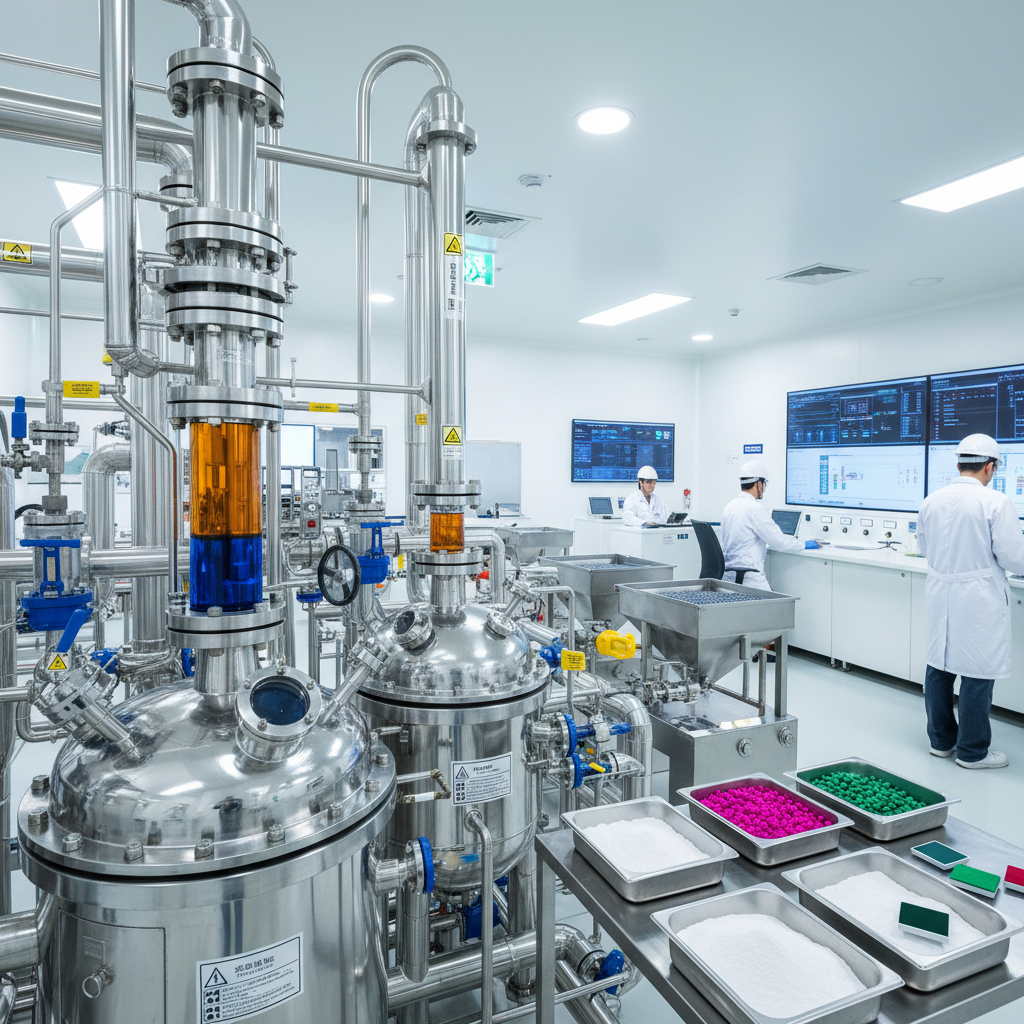
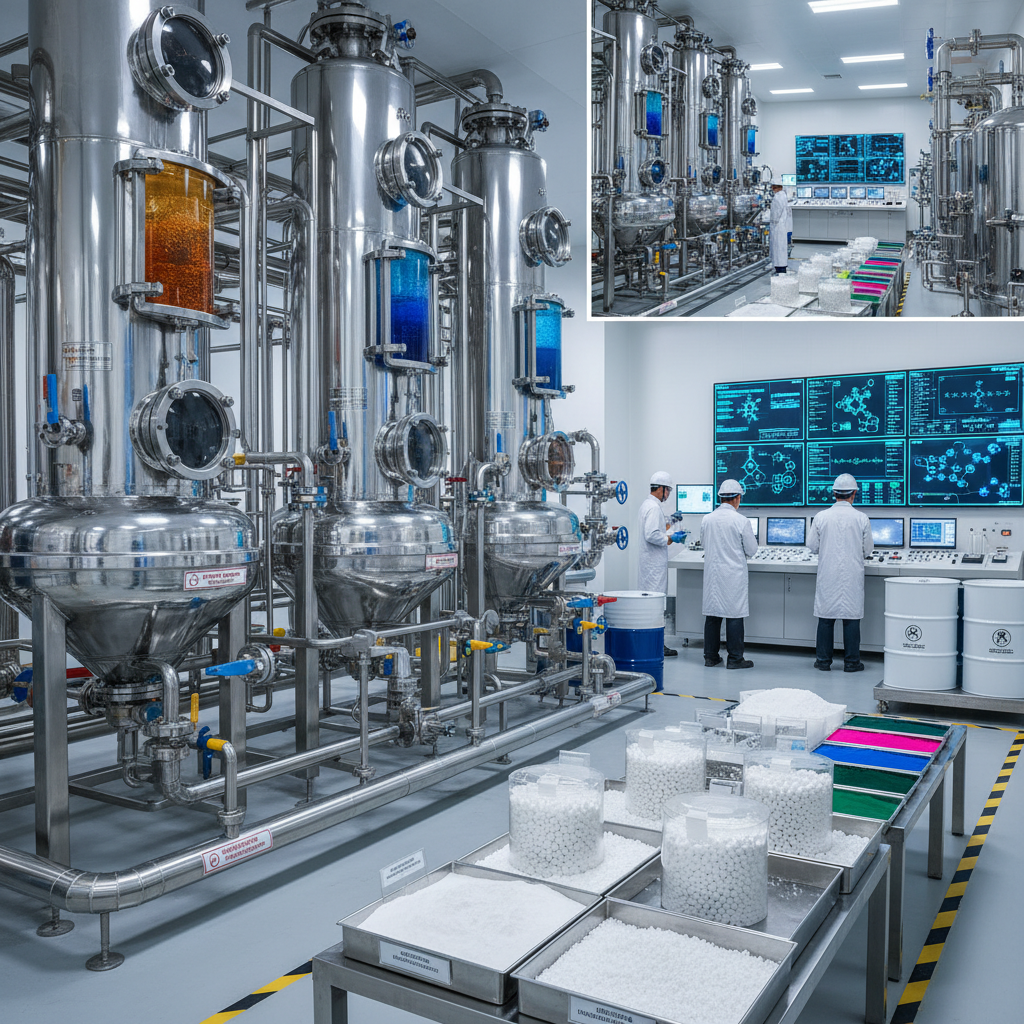
In simple technical terms, glutamate natrium is the sodium salt of glutamic acid, an amino acid that triggers the umami receptor on the human tongue. Industrially, it is produced primarily through the fermentation of carbohydrates, reflecting a shift toward bio-based manufacturing processes that prioritize efficiency and purity.
Beyond its role as a flavor enhancer, it serves as a vital precursor in the production of pharmaceutical intermediates and high-grade feed additives. This versatility allows it to transition from a simple kitchen seasoning to a critical chemical building block used in advanced biochemical synthesis.
The industrial meaning of glutamate natrium extends to its economic impact; by reducing the need for expensive natural flavor extracts, it enables the mass production of affordable, high-quality consumer goods, effectively democratizing taste and nutrition.
Core Components and Quality Factors
The efficacy of glutamate natrium is largely determined by its purity and crystalline structure. High-grade versions ensure rapid solubility and a clean taste profile, which are essential for pharmaceutical applications where contaminant levels must be strictly controlled.
Cost efficiency is another pivotal factor. Manufacturers focus on the scalability of fermentation processes to ensure that glutamate natrium remains affordable while maintaining the rigorous stability required for long-term storage in varied climatic conditions.
Stability and compatibility with other salts are the final core components. When integrated into feed additives, glutamate natrium must remain chemically stable to ensure that the nutritional value and flavor profile are not degraded during the pelleting or extrusion process.
Industrial Applications and Use Cases
In real-world contexts, glutamate natrium is utilized across diverse sectors. In the food industry, it is the backbone of savory snacks and instant noodles across Asia and North America. In the agricultural sector, it is used in livestock feed to improve the intake of protein-poor diets, thereby accelerating growth rates in poultry and swine.
Moreover, in remote industrial zones where fresh ingredients are scarce, glutamate natrium provides a reliable way to maintain food quality in relief operations or long-term military rations, ensuring that caloric intake is accompanied by appetizing flavors.
Comparative Performance of Glutamate Natrium Variants
Long-Term Value and Commercial Advantages
The tangible benefits of utilizing high-quality glutamate natrium include significant reductions in raw material costs and improved product consistency. From a logical angle, it allows brands to scale their recipes globally without fearing the taste variances inherent in natural regional ingredients.
Beyond cost, there is an emotional angle of trust and safety. When sourced from reputable manufacturers following strict GMP guidelines, glutamate natrium ensures a safe, predictable consumer experience, fostering brand loyalty through the reliable delivery of sensory pleasure.
Future Trends in Additive Innovation
The future of glutamate natrium is leaning heavily toward "green chemistry." Innovations in precision fermentation and the use of genetically optimized microbes are reducing the carbon footprint of production, aligning the industry with global sustainability goals.
Digital transformation is also playing a role. AI-driven dosing systems are now being integrated into food production lines to calculate the exact amount of glutamate natrium needed based on real-time sensor data of raw ingredient flavor profiles.
Furthermore, we are seeing a trend toward "clean label" hybrids, where glutamate natrium is blended with natural yeast extracts to satisfy consumer demand for transparency while maintaining the superior flavor performance of the sodium salt.
Challenges and Expert Solutions
One of the primary challenges facing glutamate natrium is the persistence of outdated consumer myths regarding health. Expert solutions involve transparent communication and the promotion of scientific data that confirms its safety when used within recommended daily intakes.
Technically, the issue of hygroscopy—the tendency of the powder to absorb moisture—can lead to clumping during storage. To overcome this, manufacturers are implementing advanced anti-caking coatings and vacuum-sealed moisture-barrier packaging.
Additionally, regulatory discrepancies between different countries can complicate international trade. The solution lies in adopting a "Global Standard" approach, where glutamate natrium is produced to meet the strictest requirements (such as EU and FDA standards) simultaneously, ensuring seamless market entry.
Comparative Analysis of Glutamate Natrium Quality Control Metrics
| Grade Level |
Purity Percentage |
Solubility Rate |
Stability Score (1-10) |
| Pharma Grade |
> 99.9% |
Instant |
10 |
| Food Grade A |
99.5% - 99.8% |
High |
9 |
| Food Grade B |
98.0% - 99.4% |
Medium |
8 |
| Feed Grade |
95.0% - 97.9% |
Medium |
7 |
| Industrial Grade |
90.0% - 94.9% |
Low |
6 |
| Technical Grade |
< 90.0% |
Low |
5 |
FAQS
The primary difference lies in the purity levels and regulatory compliance. Food-grade glutamate natrium must adhere to strict human consumption standards (like FCC or USP), ensuring zero harmful contaminants and higher purity for flavor precision. Feed-grade is designed for livestock, focusing on cost-effectiveness and basic nutritional enhancement, with slightly lower purity requirements but still maintaining efficacy for animal growth.
It acts as a palatability enhancer, stimulating the appetite of livestock. By making the feed more appealing, animals consume more nutrients, which leads to faster weight gain and improved feed conversion ratios. This is particularly useful in diets where high-protein ingredients are limited or expensive.
Yes, it is generally stable under standard industrial heating processes, such as baking or extrusion. However, extreme heat over prolonged periods can lead to degradation. We recommend adding it at the final stages of mixing or using stabilized formulations to ensure the "umami" profile remains intact.
Clumping is caused by its hygroscopic nature. To prevent this, store the product in a cool, dry environment with humidity controlled below 60%. Using multi-layer PE bags or aluminum foil liners and incorporating a small percentage of food-grade anti-caking agents can significantly extend the shelf life and flowability.
Absolutely. Due to its purity and specific chemical structure, high-grade glutamate natrium is used as a starting material in the synthesis of various amino acid-based drugs and biochemical reagents. In these cases, Pharmaceutical Grade (USP/BP) is required to ensure absolute safety and reactivity consistency.
Always request a Certificate of Analysis (COA) and third-party lab reports. Look for certifications such as ISO 9001, HACCP, or HALAL/KOSHER. Testing the solubility and conducting a purity assay via titration can also verify if the product meets the specified grade requirements before bulk procurement.
Conclusion
In summary, glutamate natrium is much more than a simple flavor enhancer; it is a versatile industrial tool that bridges the gap between food science, animal nutrition, and pharmaceutical chemistry. By balancing purity, cost, and application techniques, manufacturers can unlock significant commercial value and ensure a consistent, high-quality product for the global market.
Looking forward, the integration of sustainable fermentation and digital dosing will further refine the role of glutamate natrium in a green economy. We encourage industry professionals to prioritize high-purity sourcing and innovative application methods to stay competitive in an evolving landscape. Visit our website for more professional insights: www.chinaseasoning.com