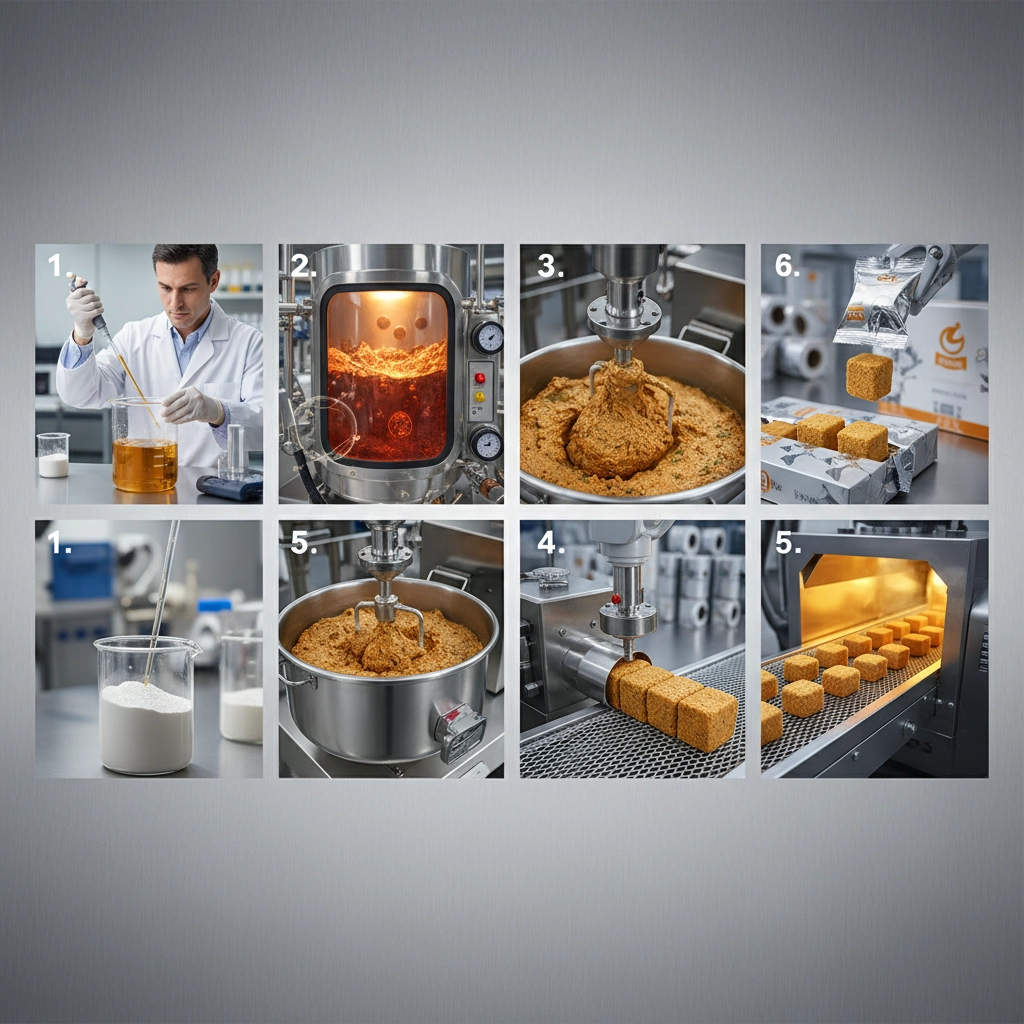
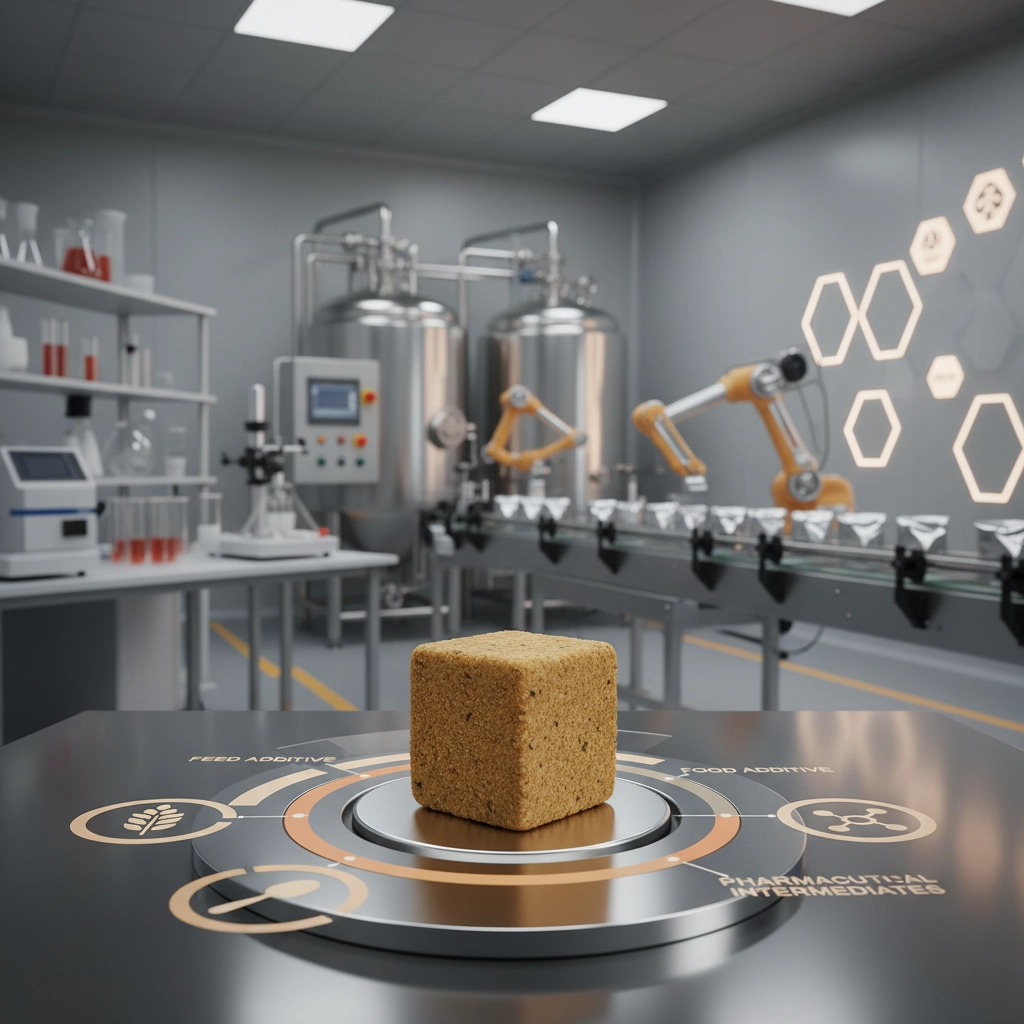
In the fast-paced world of modern culinary production, the chicken flavour cube has emerged as a cornerstone of convenience and consistency. These concentrated seasoning blocks are designed to provide a rich, savory profile that replicates the complex taste of slow-cooked poultry, allowing both industrial food manufacturers and home cooks to achieve professional results in a fraction of the time. By condensing essential salts, flavor enhancers, and aromatic extracts into a stable format, they solve the timeless challenge of flavor standardization across different batches.
From a global perspective, the demand for these flavor enhancers is driven by the rising need for affordable, nutrient-dense, and palatable food solutions. In many developing regions, the chicken flavour cube serves as a vital tool for enhancing the taste of basic staples like rice and legumes, making nutritious meals more appealing. For the food manufacturing industry, these cubes represent a scalable way to integrate consistent taste profiles into a wide array of processed foods, from instant noodles to ready-to-eat soups.
Understanding the science behind the formulation of a high-quality chicken flavour cube is essential for stakeholders in the food additive sector. It involves a delicate balance of umami-rich compounds, lipid stability, and moisture control to ensure a long shelf life without compromising sensory quality. As consumer preferences shift toward cleaner labels and reduced sodium, the industry is currently undergoing a transformation to innovate these products while maintaining the iconic savory punch that consumers crave.
Global Market Relevance of Chicken Flavour Cube
The global appetite for convenient seasoning has propelled the chicken flavour cube into a multi-billion dollar industry. Market data suggests a significant growth trajectory in Asia-Pacific and African markets, where the integration of savory enhancers into daily diets is a cultural norm. The efficiency of these cubes allows for rapid meal preparation in urban environments where time is a luxury, while their stability makes them indispensable in regions with limited cold-chain infrastructure.
Furthermore, the industrial relevance extends to the broader "Food Additive" category, where the ability to standardize taste across millions of units is critical. Companies utilizing a consistent chicken flavour cube formula can guarantee that a product tasted in New York is identical to one tasted in Tokyo, reducing the risk of brand erosion and improving consumer trust through predictable sensory experiences.
Technical Definition and Composition
At its core, a chicken flavour cube is a dehydrated, compressed block of seasoning agents, salts, and flavor extracts. Unlike liquid concentrates, the cube format is designed for precise dosage and extended shelf stability. It typically consists of a blend of salt, monosodium glutamate (MSG) or natural yeast extracts for umami, vegetable fats for mouthfeel, and a proprietary blend of chicken extracts and spices.
From a chemical perspective, the "chicken" profile is achieved through the Maillard reaction—a chemical interaction between amino acids and reducing sugars that gives browned food its distinctive flavor. In industrial manufacturing, this is often replicated using hydrolyzed vegetable proteins (HVP) and specific aromatic molecules that mimic the olfactory profile of roasted poultry, ensuring the cube dissolves rapidly in hot water to release these volatiles.
Modern formulations are increasingly leaning toward "clean label" ingredients. This means replacing artificial fillers with natural starches and substituting synthetic enhancers with mushroom extracts or fermented soy. Despite these changes, the fundamental goal remains the same: to provide a potent, concentrated burst of savory flavor that transforms bland ingredients into a cohesive, appetizing dish.
Core Factors for High-Quality Production
The efficacy of a chicken flavour cube depends heavily on its solubility. A high-quality cube must dissolve completely and uniformly in boiling water without leaving clumps or oily residue. This requires precise particle size distribution of the salt and flavor powders, as well as the correct choice of emulsifiers to keep the fats evenly dispersed.
Another critical factor is flavor stability. Because these products are stored for months, the volatile aromatic compounds in the chicken flavour cube must be protected from oxidation. This is achieved through the use of antioxidants and airtight foil packaging, which prevents the lipids from turning rancid and preserves the "fresh-cooked" scent upon opening.
Lastly, compression density determines the cube's structural integrity. If the chicken flavour cube is too soft, it will crumble during shipping; if it is too hard, it will not dissolve efficiently. Manufacturers use calibrated hydraulic presses to find the "sweet spot" where the cube is durable enough for transport but porous enough for rapid hydration.
Global Applications and Industrial Use Cases
The application of the chicken flavour cube spans from domestic kitchens to massive industrial food plants. In the commercial sector, these cubes are used as "base notes" for the production of instant soups, gravies, and sauces. By using a pre-standardized cube, manufacturers can avoid the variability of raw chicken batches, ensuring that every can of soup meets a strict flavor specification.
In humanitarian contexts, such as post-disaster relief operations, the chicken flavour cube is an invaluable asset. Because it is lightweight, requires no refrigeration, and significantly improves the palatability of basic emergency rations (like plain rice or porridge), it helps maintain the morale and nutritional intake of displaced populations in remote industrial zones or crisis areas.
Performance Comparison of Chicken Flavour Cube Variations
Tangible Advantages and Long-Term Value
The primary advantage of using a chicken flavour cube is cost-efficiency. For food service providers, the ability to precisely control the cost-per-portion is critical. A single cube provides a consistent amount of flavor, eliminating the waste associated with fresh poultry reduction and reducing the labor costs required for simmering stocks for hours.
Beyond the financial aspect, there is a significant value in reliability and food safety. Industrially produced chicken flavour cube products are manufactured under strict ISO and HACCP standards, ensuring they are free from the pathogens often found in raw meat. This provides a layer of security for large-scale catering operations where the risk of contamination must be minimized to protect public health.
Future Trends in Flavor Innovation
The future of the chicken flavour cube is inextricably linked to the "Green Revolution" in food science. We are seeing a surge in plant-based "chicken" flavors that use precision fermentation to create identical flavor molecules without using animal proteins. These sustainable alternatives appeal to the growing vegan and vegetarian demographics while maintaining the same savory profile.
Digital transformation is also hitting the additive industry. AI is now being used to analyze consumer taste profiles across different geographies to create "hyper-localized" chicken flavour cube variations. For example, a cube designed for the West African market may have a different spice baseline than one designed for Southeast Asia, all while sharing the same core chicken essence.
Furthermore, automation in packaging is reducing the environmental footprint. The shift toward biodegradable films and plastic-free wrapping is becoming a priority. As sustainability becomes a key purchasing driver, the chicken flavour cube is evolving from a simple commodity into a high-tech, eco-friendly culinary tool.
Overcoming Challenges in Cube Manufacturing
One of the most persistent challenges in producing a chicken flavour cube is the reduction of sodium without sacrificing taste. Salt is not only a flavor agent but also a preservative and a structural binder. To solve this, food scientists are employing "salt-enhancers" and potassium-based substitutes that trick the taste buds into perceiving more salt than is actually present.
Another hurdle is the prevention of "caking" or hardening during storage in humid climates. When the chicken flavour cube absorbs moisture, it can become a rock-hard mass that is impossible to break or dissolve. Innovative solutions include adding food-grade anti-caking agents and improving the moisture-barrier properties of the primary packaging.
Lastly, balancing the cost of raw materials with the demand for "all-natural" ingredients is a constant struggle. The industry is overcoming this by sourcing sustainable, locally-grown herbs and utilizing concentrated yeast extracts that provide the same depth as expensive animal-based extracts, ensuring the chicken flavour cube remains affordable for the mass market.
Comparative Analysis of Chicken Flavour Cube Production Standards
| Production Method |
Flavor Intensity |
Dissolution Speed |
Shelf Stability |
| Standard Chemical Blend |
High |
Fast |
Excellent |
| Natural Extract Base |
Very High |
Medium |
Good |
| Plant-Based/Vegan |
Medium |
Fast |
Excellent |
| Low-Sodium Formula |
Medium |
Medium |
Fair |
| Premium Gourmet Mix |
Extreme |
Slow |
Good |
| Economy Bulk Blend |
Low |
Fast |
Excellent |
FAQS
To maintain the optimal consistency of your chicken flavour cube, it should be stored in a cool, dry place away from direct sunlight. Using an airtight container is essential, as moisture from the air is the primary cause of caking. If the original foil packaging is opened, transferring the remaining cubes to a sealed glass or plastic jar will significantly extend their usability.
Yes, they are highly suitable. For industrial use, the chicken flavour cube provides a standardized flavor profile that eliminates the variance found in natural stocks. This ensures consistency across thousands of batches. Many manufacturers purchase these in bulk powder or cube form to integrate into their automated mixing systems for soups and sauces.
The choice depends on your target market. A standard chicken flavour cube is generally more cost-effective and has a longer shelf life, making it ideal for budget-conscious consumers. Natural extract cubes offer a more authentic, "homemade" taste and appeal to health-conscious consumers who prefer clean labels, though they typically come at a higher price point.
Traditional chicken cubes contain animal derivatives. However, many manufacturers now produce "chicken-style" cubes using yeast extracts and hydrolyzed vegetable proteins. When sourcing, look specifically for plant-based chicken flavour cube alternatives that are certified vegan but still provide the classic savory umami profile.
Dissolution speed is determined by the compression pressure used during manufacturing and the ratio of fats to salts. A chicken flavour cube with a looser molecular structure and high salt content usually dissolves faster. Premium cubes with higher natural fat content may take slightly longer but offer a richer mouthfeel.
NGOs can import chicken flavour cube products by partnering with certified food additive exporters. It is important to ensure the products comply with the destination country's food safety laws (such as FDA or EFSA) and have clear ingredient labeling. Bulk shipping in moisture-proof pallets is recommended to ensure the product arrives in perfect condition.
Conclusion
In summary, the chicken flavour cube represents a perfect intersection of food chemistry and consumer convenience. By providing a stable, concentrated, and cost-effective means of delivering savory flavor, it has become an indispensable tool for both the global food industry and millions of households. From the technical precision of its compression to the innovation of plant-based alternatives, these cubes continue to evolve to meet the demands of a more health-conscious and sustainable world.
As we look toward the future, the integration of AI-driven flavor profiling and eco-friendly packaging will further solidify the role of the chicken flavour cube in the global pantry. For businesses looking to scale their flavor consistency or humanitarian organizations seeking to improve food palatability, investing in high-quality seasoning solutions is a strategic move. We invite you to explore our professional range of additives to elevate your products. Visit our website: www.chinaseasoning.com